Speak Aussie,
Talk Kiwi

Before you land Down Under, learn to speak like a local. 50+ essential Australian and New Zealand slang words — the definitive guide for travellers who want to blend in, not stand out.

29
Aussie Words
14
Kiwi Words
2
Countries Covered
Conversations Unlocked
CT
Cooee Tours Travel Team Brisbane, QLD · Language & Culture Guide · Updated March 2026

English is Australia's official language — but once you land, you'll quickly discover it's a dialect entirely its own. Aussies have been abbreviating, inverting, and creatively mangling the English language for over 200 years. Across the Tasman, New Zealanders have crafted their own equally distinctive lexicon, shaped heavily by the Māori language. This guide gives you everything you need to understand the locals — and maybe even impress a few of them.

Australian outback red rock formation blue sky
Australia's outback — where 'fair dinkum' was born and 'she'll be right' became a philosophy
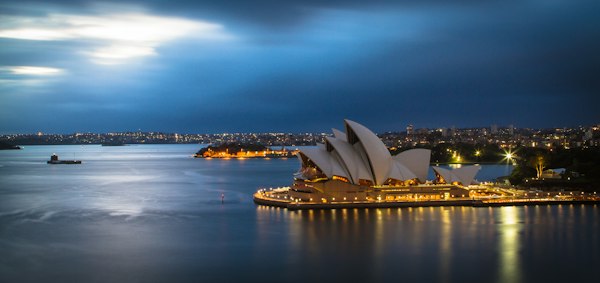
Sydney Opera House harbour sunny day
Sydney — arvo barbie on the harbour, she'll be right mate
Australian beach barbie barbecue summer lifestyle
No visit is complete without a Sunday barbie at the beach
New Zealand mountains green fjord landscape Milford Sound
NZ — where 'choice, bro' is the highest compliment and 'yeah nah' means maybe
Friends laughing Australia travel culture
Speak the lingo and locals will treat you like one of their own
Why It Matters

Why Aussie Slang Matters for Travellers

Language is the fastest route to genuine connection with locals. An overseas visitor who confidently orders a flat white, calls their afternoon an "arvo", and knows not to use the word "root" in sporting contexts will have a fundamentally different experience than one carrying a phrase book. Australians warm quickly to visitors who make the effort — and they'll gleefully correct you when you get something wrong, which is itself a form of friendliness.

Australian English is characterised by a few consistent patterns. Words get abbreviated wherever possible — afternoon becomes arvo, service station becomes servo, bottle shop becomes bottle-o, breakfast becomes brekkie. The suffix -ie or -y is added liberally: barbie (barbecue), mozzie (mosquito), tradie (tradesman), sunnies (sunglasses). The suffix -o follows for places and things: servo, bottle-o, smoko (smoke break). Understanding these patterns means you can decode words you've never encountered before.

The Golden Rule of Aussie Slang: If a word is longer than two syllables, there's probably a shortened version Australians use instead. Afternoon → arvo. Afternoon tea → arvo tea. Registration sticker → rego. Sunglasses → sunnies. Fire service → firies. Ambulance officer → ambo. Once you see the pattern, you can half-invent it yourself.
The Dictionary

Australian Slang — The Essential 29

These are the words you're most likely to encounter on any Australian visit. Hover over each card to see an example in conversation. Words marked ⚠️ require extra care for overseas visitors.

🦘 Australian Slang

Hover any card for a usage example · ⚠️ = use with caution

29words
ARVO Daily Use
"ar-voh"
Afternoon. The classic example of the Aussie habit of shortening everything. Used constantly in everyday speech.
"Fancy a swim this arvo?" (Want to swim this afternoon?)
BARBIE Daily Use
"bar-bee"
Barbecue — both the appliance and the event. A Sunday barbie is an institution. "Throw another shrimp on the barbie" is, ironically, a phrase most Australians have never actually used.
"Coming to our barbie Sunday arvo?"
BOGAN Colloquial
"boh-gun"
An uncultured, unsophisticated person — the Australian equivalent of a redneck or chav. Used affectionately between friends or as a mild insult. Some Australians wear it as a badge of honour.
"He turned up to the wedding in a ute — proper bogan."
BOTTLE-O Daily Use
"bot-ul-oh"
Bottle shop — a liquor store or off-licence. The -o suffix applied to a location. You'll need to know this one before any barbie invitation.
"Can you swing by the bottle-o and grab a slab?"
BLOKE Daily Use
"blohk"
A man. Generally carries warm connotations — "a good bloke" is a genuine compliment, implying someone who is decent, reliable, and easy to get along with.
"Dave's a top bloke — you'll love him."
CHOCKERS Everyday
"chok-erz"
Completely full — to bursting. Can apply to a venue, a stomach, a car, or any container. Short for "chock-a-block".
"Don't bother — the car park's chockers."
DUNNY Everyday
"dun-ee"
Toilet. Originally referred to an outdoor toilet (outhouse) but now used for any bathroom. "Where's the dunny?" is a perfectly acceptable question in any Australian setting.
"Back in a tick — just nipping to the dunny."
ESKY Essential
"es-kee"
An insulated cooler for keeping drinks and food cold. Named after the Esky brand. No Australian beach trip, camping trip, or sporting event is complete without one.
"Chuck a few coldies in the esky before we head off."
FAIR DINKUM Iconic
"fair dink-um"
Genuine, true, real. Can be used as a question ("fair dinkum?") meaning "seriously?" or as an affirmation ("fair dinkum mate") meaning "absolutely". One of the most characteristically Australian phrases.
"He caught a 2-metre shark, fair dinkum."
GROMMET Surf Culture
"grom-et"
A young surfer — typically a teenager or child who surfs. Often shortened to just "grom". A term of affection in surf communities, not a put-down.
"Those groms were absolutely shredding it out there."
MOZZIE Daily Use
"moz-ee"
Mosquito. The -ie suffix applied predictably. Mozzies are a genuine feature of Australian outdoor life, particularly in Queensland and the Northern Territory during summer.
"The mozzies are something fierce up north in wet season."
PASH Casual
"pash"
A passionate kiss or make-out session. A "pash rash" is red, irritated skin from kissing someone with stubble. Used casually and without embarrassment in Australian conversation.
"She came home with a pash rash and wouldn't tell us anything."
RIPPER Positive
"rip-er"
Excellent, fantastic, great. "You little ripper!" is an exclamation of genuine delight. "That's a ripper of a day" means the weather or situation is outstanding.
"You little ripper! We got the gig!"
ROO Wildlife
"roo"
Kangaroo. A joey is a baby kangaroo still in the pouch. Roo is used affectionately and universally — you'll see it on road signs, menus, and in everyday conversation.
"There was a massive roo sitting on the road at dusk."
ROOT ⚠️ Careful
"root"
Sexual intercourse. This has caught out many overseas visitors. If you "root for your team" in Australia, you'll get a very different reaction than intended. Use "barrack for your team" instead.
"I barrack for the Broncos." (NOT "I root for...")
SERVO Daily Use
"ser-voh"
Petrol (gas) station — service station. Also note: asking for "gas" in Australia may cause confusion as Australians use it to mean flatulence. Ask for "petrol" or "fuel" instead.
"We need to hit the servo before the highway."
SHE'LL BE RIGHT Iconic
"shell-bee-rite"
Everything will be fine. Australia's unofficial national philosophy of relaxed optimism. Used in situations ranging from a minor inconvenience to a genuine crisis — the attitude is the same.
"Lost a tyre but the spare's under the ute — she'll be right."
SICKIE Workplace
"sik-ee"
A sick day taken from work. "Chucking a sickie" specifically refers to taking a day off when you're not actually ill — a cultural practice viewed with fond collusion by most Australians.
"Thinking of chucking a sickie Friday — long weekend sorted."
SLAB Drinks
"slab"
A carton of 24 cans or bottles of beer. Essential vocabulary if you're contributing to a party. "Pick up a slab from the bottle-o" is a self-contained Australian cultural experience.
"Chuck in a tenner each and we'll grab a slab."
SOOK Casual
"sook"
Someone who sulks, complains, or is overly sensitive. "Don't be a sook" is affectionate criticism for someone making too much of a minor inconvenience.
"Stop being a sook — it's just a bit of rain!"
SHEILA Classic
"shee-la"
A woman. The female counterpart to "bloke". More common in older generations and regional areas; less frequently used by younger urban Australians, though universally understood.
"She's a good sheila — straight shooter."
STUBBIE HOLDER Essential
"stub-ee hold-er"
An insulating sleeve for keeping beer cold — called a koozie in the US. A stubbie is a 375ml bottle of beer. Stubbie holders are ubiquitous at outdoor events and are a popular tourist souvenir.
"Chuck me that stubbie holder — sun's going to warm this up quick."
SWEET AS Positive
"sweet az"
Excellent, awesome, all good. The "-as" suffix is added to many adjectives for emphasis: "lazy as", "lovely as", "fast as". The "as" doesn't complete a comparison — it intensifies the word.
"The surf was sweet as this morning."
TA Daily Use
"ta"
Thank you. As casual and abbreviated as it gets. Used in shops, between friends, and in everyday interactions constantly. A genuinely useful word to know.
"Here's your change." / "Ta."
TOGS Regional
"togz"
Swimsuit or bathers. Primarily used in Queensland; elsewhere in Australia you may hear "bathers", "swimmers", or "cossie". Essential vocabulary for any Queensland beach visit.
"Pack your togs — we're hitting the beach arvo."
TRADIE Workplace
"tray-dee"
A tradesman or tradeswoman. Tradies have their own nicknames: brickie (bricklayer), sparky (electrician), chippie (carpenter), garbo (garbage collector), truckie (truck driver).
"The sparky's coming Thursday to fix the switchboard."
TRUE BLUE Cultural
"troo bloo"
Authentically, genuinely Australian. A "true blue Aussie" is someone who embodies the national character. Also used as the title of a well-known John Williamson song that most Australians know.
"Old Barry is true blue — been farming out here his whole life."
UTE Daily Use
"yoot"
A utility vehicle — pickup truck. The Australian ute is a cultural icon; the annual ute muster events draw thousands of participants. Also used loosely for any pickup-style vehicle.
"Chucked everything in the ute and headed bush."
WHINGE Daily Use
"winj"
To whine or complain persistently. "Stop whinging" is a common instruction. "Whingeing Pom" is a historical Australian term for British migrants who complained about conditions — used affectionately or otherwise.
"He's been whinging about the heat all week — it's only 28 degrees."

Across the Tasman

New Zealand Slang — The Essential 14

Kiwi slang has a character entirely its own — shaped heavily by te reo Māori, by the relaxed informality of New Zealand culture, and by a distinctive accent that turns short vowels in unexpected directions. "Fish and chips" becomes "fush and chups". "Yes" becomes "yeah nah" (meaning maybe) or "nah yeah" (meaning yes). Once you understand the rhythm, it's as easy as.

🥝 New Zealand Slang

Hover any card for a usage example · 🌿 = Māori origin

14words
KIA ORA 🌿 Māori
"kee-ah or-ah"
Hello in te reo Māori — New Zealand's indigenous language. Used universally across New Zealand in formal and informal settings alike. You'll hear it on the radio, in shops, and from airline staff.
"Kia ora! How can I help you today?"
CHOICE Iconic
"choys"
An all-purpose positive expression — can mean okay, good, I agree, I understand, brilliant, or anything positive. Context determines which. If a Kiwi says "choice", something is going right.
"We got the good weather for the tramp." / "Oh choice!"
FUSH AND CHUPS Accent
"fush-un-chups"
Fish and chips — New Zealand's national takeaway dish. The "i" vowel shifts toward "u" in Kiwi pronunciation, making this the most famous and affectionately mocked example of the NZ accent.
"Getting fush and chups from the dairy on the way home."
HANGI 🌿 Māori
"hung-ee"
A traditional Māori method of cooking food in pits in the earth using heated rocks. The result is incredibly tender, moist, and distinctly flavoured. Attending or eating a hangi is one of New Zealand's great food experiences.
"The marae put on a hangi for the whole community."
PĀKEHĀ 🌿 Māori
"par-keh-har"
A New Zealander of European descent. Originally coined by early Māori to describe European settlers. Not a derogatory term — used matter-of-factly in everyday New Zealand conversation to describe cultural identity.
"The kapa haka group included both Māori and Pākehā performers."
CHILLY BIN Essential
"chil-ee bin"
What Australians call an esky — an insulated cooler for drinks and food. Every New Zealand summer holiday, sporting event, and student gathering involves a chilly bin. Also serves as a makeshift seat.
"Grabbed the chilly bin and headed to the beach."
JANDALS Iconic
"jan-dalz"
Flip-flops or thongs (note: thongs in Australia means flip-flops, not underwear). Unique to New Zealand. The word is a portmanteau of "Japanese sandals". New Zealanders wear them everywhere.
"He wore jandals to the job interview — classic."
BACH Lifestyle
"batch"
A holiday home at the beach or in the country — usually modest and slightly ramshackle. The batch is central to New Zealand summer culture. "Going to the bach" means a relaxed, low-key holiday.
"We've got the bach for a fortnight over New Year — very keen."
TIKI TOUR Travel
"tik-ee tour"
A roundabout, scenic, or deliberately inefficient route to a destination. Taking the scenic road, stopping where the mood takes you, refusing to take the direct motorway. Exactly what every visitor to New Zealand should do.
"We took a tiki tour up the coast — added two hours but worth it."
YEAH NAH Iconic
"yeh-nah"
A non-committal response meaning "I acknowledge what you said but no" — or simply "probably not". Its mirror image, "nah yeah", actually means yes. The two together cover most possible answers to any question in New Zealand.
"Coming out Saturday?" / "Yeah nah, got family stuff on."
BUGGER Exclamation
"bug-er"
An exclamation of mild frustration or disappointment — used where most English speakers would say "damn" or "blast". Immortalised in a famous New Zealand TV ad campaign for Toyota. Virtually a national expression.
"Locked the keys in the car." / "Bugger."
THE WOPS Regional
"the wops"
The middle of nowhere — a remote location far from any city or services. "Out in the wops" means genuinely isolated. Not derogatory about people, only about geography.
"The campsite's great but it's properly out in the wops."
SUS Casual
"suss"
Suspicious or shady. A situation or person that seems off or untrustworthy. The word is used in Australian English too but is particularly common in New Zealand youth culture.
"That whole situation is a bit sus, to be honest."
STUBBIES Fashion
"stub-eez"
Extremely short shorts — popular in the 1980s and worn primarily by men at barbecues and outdoor events. Note this is different from the Australian use of "stubbie" to mean a bottle of beer. Context determines which meaning applies.
"Dad's got the stubbies out — must be a proper summer's day."

The word 'Cooee' itself is Australian — a loud, far-carrying call used by Aboriginal Australians to communicate across distances, adopted by settlers as a call to attract attention. When you call out 'Cooee!', you're speaking the oldest language on the continent.

— Cooee Tours · Brisbane, Queensland · Est. 1963
Real Conversations

Slang In Real Conversation

Understanding individual words is one thing — hearing them in real Australian and Kiwi conversation is another. These examples show how the words flow naturally together. After a few days, you'll start to recognise these patterns by ear.

Scene: Australian barbecue, Sunday arvo

At the Barbie 🦘

Dave: "Oi! Grab yourself a coldie from the esky, mate. Barbie's nearly chockers."
You: "Sweet, ta! The bottle-o didn't have Tooheys so I grabbed XXXX — she'll be right?"
Dave: "Mate, fair dinkum? XXXX? You're a ripper."
You: "Is that a roo over by the fence?"
Dave: "She comes every arvo. True blue Queenslander, that one."
Scene: New Zealand bach, beach holiday

At the Bach 🥝

Aroha: "Kia ora! Grab a drink from the chilly bin. We took a tiki tour up the coast — choice views."
You: "The bach is amazing! Very... remote."
Aroha: "Yeah nah, it's properly out in the wops. That's the best part."
You: "I left my jandals at the hotel."
Aroha: "Bugger. We've got spares — sweet as."
Scene: Monday morning, Australian workplace

Chucking a Sickie 🦘

Sarah: "Where's Pete?"
Mark: "Chucked a sickie. Long weekend — ripper timing."
Sarah: "The tradie's coming to fix the dunny. Can you let them in?"
Mark: "The sparky or the chippie?"
Sarah: "Plumber. The dunny's blocked again."
Mark: "She'll be right. I'll sort it."
Scene: New Zealand camping trip planning

Planning a Tramp 🥝

Ben: "The weather forecast looks sweet as for the weekend — choice time for a tramp."
You: "A tramp?"
Ben: "Hiking. NZ word. Don't stress. You keen?"
You: "Yeah nah... actually yeah. Where are we going?"
Ben: "Out past the wops. Proper wilderness. Kia ora, mate — welcome to New Zealand."
Danger Zone

Words That Catch Tourists Out

Some language differences between Australian/New Zealand English and American, British, or other Englishes are merely amusing. Others can lead to genuine confusion or awkwardness. These are the ones worth paying attention to before you arrive.

🏈
⚠️ American Mistake
"I root for my team"
✓ "I barrack for my team"
"Root" in Australia means something entirely different. Saying you "root for" a sports team will produce laughter — or awkward silence.
⚠️ American Mistake
"Where's the gas station?"
✓ "Where's the servo?"
Petrol stations are called servos in Australia. "Gas" in Australian and NZ English refers to flatulence. People will understand what you mean — but will find it funny.
👙
⚠️ UK/Global Mistake
"I'm wearing a thong"
✓ "I'm wearing thongs/jandals"
In Australia, thongs are flip-flops. Saying "I'm wearing a thong" refers to footwear and is perfectly normal. In NZ, the same item is called jandals.
🦐
⚠️ Tourist Classic
"Throw another shrimp on the barbie"
✓ "Throw another prawn on the barbie"
Australians call them prawns, not shrimp. The famous phrase was invented for a 1984 Paul Hogan tourism ad campaign targeting the American market and is essentially never said naturally.
🥤
⚠️ Ordering Food
"Can I have a soda?"
✓ "Can I have a fizzy drink / soft drink?"
Soda in Australia usually refers to soda water (plain carbonated water), not a soft drink. Ask for a "soft drink" or name the drink specifically.
ℹ️ Coffee Culture
"Regular coffee / drip coffee"
✓ "Flat white / long black"
Australian coffee culture is espresso-based. "Drip coffee" barely exists. A flat white (espresso with steamed milk) and long black (double espresso over hot water) are the Australian standards.
NZ-Specific: In New Zealand, "nah yeah" means yes and "yeah nah" means no (or maybe not). This seems backwards to outsiders but is consistent in Kiwi usage. "Nah yeah, I'll come" = I'm definitely coming. "Yeah nah, probably not" = I'm not coming. Listen for the emphasis on the second word.
Common Questions

Frequently Asked Questions

What are the most important Australian slang words to know?+
The most essential words for any Australian visit are: arvo (afternoon), barbie (barbecue), servo (petrol station), bottle-o (bottle shop), esky (cooler for drinks), fair dinkum (genuine/true), she'll be right (everything will be fine), ripper (excellent), ta (thank you), and sunnies (sunglasses). These cover daily interaction scenarios and give you enough vocabulary to participate naturally in most conversations. Understanding the pattern of shortening words with -ie, -y, and -o gives you tools to decode new words as you encounter them.
Do Australians really use this slang every day?+
Yes — the vast majority of these words are in genuine daily use across Australia. Arvo, servo, barbie, esky, ta, ripper, and she'll be right are completely universal. Some terms like "sheila" (woman) are used less frequently by younger urban Australians today, though universally understood. Regional variation exists: "togs" for swimwear is primarily Queensland; "cossie" is more common in New South Wales. The further from major cities you travel — into regional Queensland, the Northern Territory, or rural NSW — the denser and more creative the slang tends to become.
How is Australian slang different from British English?+
Australian English evolved from British English but has diverged significantly over 200 years, shaped by Indigenous Australian languages, geographic isolation, and a distinctly egalitarian national culture. Key differences beyond slang include pronunciation (the Australian accent has a flatter, broader vowel quality distinct from British Received Pronunciation), vocabulary (petrol vs. gasoline, biscuit vs. cookie, footpath vs. pavement), and cultural attitude (Australian communication tends toward the informal regardless of context in a way that British English is less likely to). Many British slang terms are understood in Australia but not commonly used, and vice versa.
Why does Australian slang shorten so many words?+
Linguistic researchers attribute the Aussie habit of abbreviating to a combination of factors: the hot climate (it's argued less air is expended in a warm environment), the working-class origins of many early settler communities who spoke quickly and informally, geographic isolation that allowed the dialect to evolve independently, and a strong cultural value of relaxed, unaffected communication. Shortening a word signals familiarity and friendliness — it's anti-pretentious. Using the full formal word can sound stiff or foreign. The -ie, -y, and -o suffixes add warmth to words that might otherwise sound abrupt.
What Australian words come from Indigenous Australian languages?+
Hundreds of common Australian English words come from Aboriginal and Torres Strait Islander languages. Well-known examples include: kangaroo (from Guugu Yimithirr), koala (from Dharug), dingo (from Dharug), wombat (from Dharug), wallaby (from Dharug), budgerigar (from Gamilaraay), cooee (from Dharug — the word that inspired our company name), boomerang (from Dharug), yakka as in "hard yakka/work" (from Yagara), and hundreds of place names including Toowoomba, Coolangatta, Murwillumbah, and most of Queensland's geography.

Now You're Ready for Australia — Let Us Show You Around

You've got the slang down. Now come experience the real thing — guided tours from Brisbane and the Gold Coast by people who were born speaking it.

Related reading: First-Time Visitor Itinerary · Australia Packing List 2026 · Acknowledgement of Country · Aboriginal History Timeline

29
Aussie Slang Words
14
Kiwi Slang Words
200+
Years of Unique Dialect
60+ yrs
Cooee Tours Experience
Keep Exploring

More from the Cooee Travel Journal