Still extraordinary. Still under threat. Here's an honest account of what the reef actually looks like right now, how to visit without making things worse, and how to choose an operator who's part of the solution.
The Great Barrier Reef is the world's largest coral reef system — 2,300 km long, visible from space, home to more than 9,000 marine species. It has also experienced six mass bleaching events since 2016. Visiting responsibly means holding both truths at once: this remains one of the planet's most remarkable places, and it urgently needs visitors who understand its fragility.
Outer ReefHealthy coral at a quality outer reef site
SnorkellingNo experience required
WildlifeSea turtles are regularly seen
BiodiversityThousands of fish species
CairnsGateway to the outer reef
Section 1
🐚
An Honest Look at Reef Conditions in 2026
The reef is not dead. It's also not fine. The honest picture is more nuanced than either headline typically allows.
The Great Barrier Reef has experienced six mass bleaching events since 2016 — events driven by elevated sea temperatures that stress coral and cause it to expel the symbiotic algae it depends on for colour and nutrition. In some cases the coral recovers when temperatures drop. In many it doesn't. The 2024 and 2025 events were among the most extensive recorded, affecting both nearshore and outer reef sections that had previously escaped damage.
The reef is 2,300 kilometres long. Conditions vary enormously by location, depth, and species. The northern sections have been more severely affected; the Whitsundays and Coral Sea sites in the south are in relatively better condition. Outer reef sites — further from shore, deeper water, cooler and cleaner — have consistently fared better than inshore reefs, which face the combined pressures of temperature, agricultural runoff, and sediment.
What this means for visitors in 2026
The reef you see depends entirely on where you go and which operator takes you there. Quality operators visit the healthiest outer reef sites and adjust routes based on current conditions monitored through GBRMPA and AIMS data. You will see vibrant coral and extraordinary marine life. You may also see some bleached or dead sections. Both are part of the reality of the reef in 2026 — and seeing that reality honestly is part of understanding what's at stake.
Section 2
🌊
Is It Still Worth Visiting?
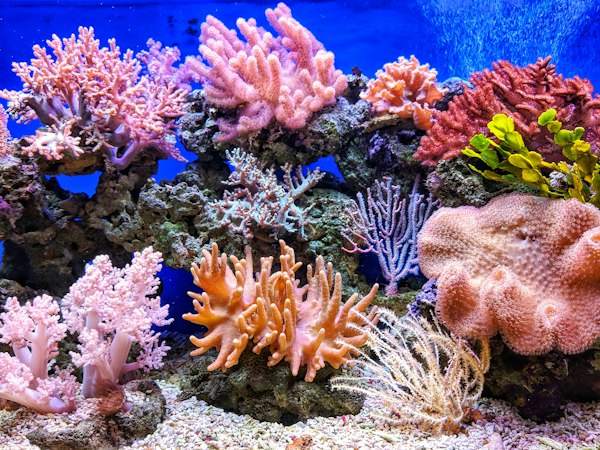
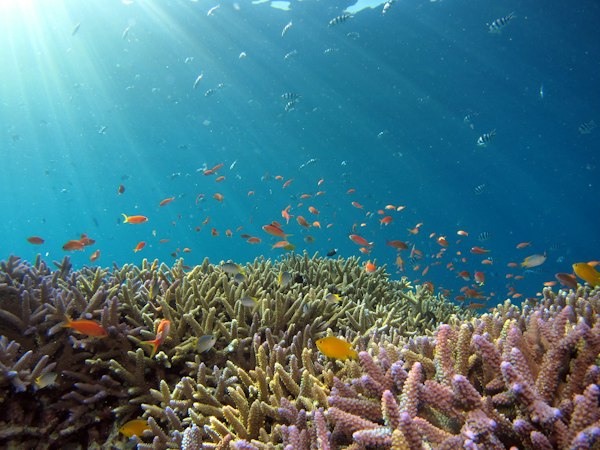
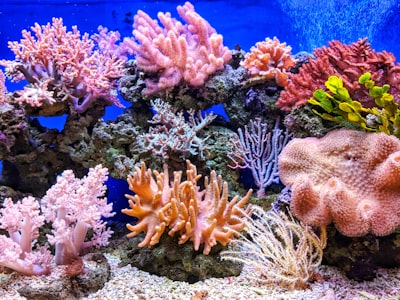
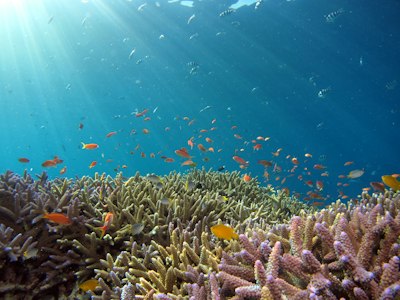
Yes — emphatically. Even accounting for bleaching damage, the Great Barrier Reef remains one of the most biodiverse marine environments on earth. Healthy outer reef sections feature extraordinary coral formations in hard and soft varieties, sea turtles gliding overhead, reef sharks patrolling in the middle distance, giant clams in brilliant electric blue and green, thousands of fish species in densities that never stop being astonishing, and underwater topography unlike anything else on the planet.
There is also a substantive argument that visiting the reef responsibly actively supports its protection. Tourism revenue funds reef monitoring, research, and conservation programs. The operators who depend on the reef have the clearest possible financial incentive to protect it — they lose their entire business if it's gone. And visitors who see the reef firsthand consistently become the most effective advocates for the policy changes needed to address the underlying cause.
The uncomfortable truth worth stating
The biggest single threat to the reef is ocean warming driven by global carbon emissions. That is not a controversial scientific claim — it is the consensus of every major reef research institution worldwide. Individual visitor choices about sunscreen or not touching coral matter and are worth making. But they are a small factor in comparison to energy policy and emissions reduction. The reef's long-term future is a geopolitical question, not primarily a tourism one. Visit responsibly because it's right — and because it connects you to the urgency of the larger problem.
The reef is not simply a beautiful place to visit. It is a living argument for why climate change is not an abstract future problem — it is happening now, to something irreplaceable, in real time.
— Cooee Tours, Responsible Travel Guide 2026
Section 3
♻️
How to Visit Responsibly
The rules of responsible reef visiting are not complicated. They require attention and a small degree of physical awareness — particularly the buoyancy control that keeps your fins and body away from coral — but nothing that requires significant skill or preparation.
✓ Do
Use reef-safe mineral sunscreen (zinc oxide or titanium dioxide)
Wear a rash vest or stinger suit — reduces sunscreen in the water
Follow no-touch rules without exception — never stand on or touch coral
Keep fins horizontal and kick gently — fin drag destroys coral
Choose operators with genuine eco-certification, not just marketing
Collect any rubbish you see — yours or others', surface or underwater
Listen carefully to crew briefings before entering the water
Consider a guided snorkel with a marine biologist — worth the extra cost
✗ Don't
Touch, stand on, or collect coral — even bleached or apparently dead pieces
Feed fish — disrupts natural feeding behaviour and creates dependency
Apply chemical sunscreen containing oxybenzone or octinoxate
Chase, corner, or harass marine life for photographs
Drag your fins — keep them up and kick slowly from the hip
Drop anything overboard, including organic material
Book with operators who have no environmental credentials or certification
The single most impactful thing you can do: Wear a rash vest or stinger suit. It covers most of your skin, dramatically reducing the amount of sunscreen that washes into the water — more effectively than any sunscreen choice. Most reef boats provide or sell stinger suits onboard. They also protect against jellyfish stings during stinger season (October–May), which is a bonus.
Section 4
🧴
Reef-Safe Sunscreen — What It Actually Means
The term "reef-safe" is not formally regulated in Australia, which means it can appear on product packaging without any legal obligation to back it up. You need to check the active ingredients, not the marketing.
What to look for on the label
Active ingredients to choose: Zinc oxide and/or titanium dioxide. These are mineral (physical) UV filters that sit on the surface of the skin rather than being absorbed, and current research suggests they are significantly less damaging to coral than chemical alternatives. They tend to leave a slight white cast — that's the trade-off for being genuinely reef-compatible.
Ingredients to avoid: Oxybenzone (also listed as benzophenone-3) and octinoxate (ethylhexyl methoxycinnamate). These are the two chemical UV filters most extensively linked to coral damage in laboratory research. They are found in many common Australian sunscreens — including some with "reef-safe" on the label. Read the ingredients list specifically.
Where to buy in Australia: Most pharmacies now stock at least one mineral zinc-based sunscreen. Port Douglas and Cairns have reef-safe options widely available. Many reef tour operators sell or provide reef-safe sunscreen on board — confirm when booking.
✓ Reef-safe ingredientsZinc oxide · Titanium dioxide. Check the "active ingredients" panel specifically. These are the only reliable indicators — brand name and claims on the front mean nothing without these inside.
✗ Ingredients to avoidOxybenzone (benzophenone-3) · Octinoxate (ethylhexyl methoxycinnamate) · Octocrylene · Homosalate. Many popular Australian brands contain one or more of these.
Keeping sunscreen in perspective
The scientific evidence linking chemical sunscreen to coral damage is real — but it was established at laboratory concentrations much higher than reef visitors typically produce. Agricultural runoff, elevated water temperature, and ocean acidification are orders of magnitude larger threats to reef health than tourist sunscreen. Use reef-safe sunscreen because it's the clearly better choice — but don't accept the implicit suggestion that it's the primary thing standing between the reef and destruction. That's a conversation-ending oversimplification.
Section 5
🚤
Choosing a Responsible Operator
The operator you choose determines both the quality of your experience and the nature of your environmental impact. Not all reef tours are equal — by a considerable margin.
🏅 Eco-certificationLook for Ecotourism Australia Advanced Eco certification, Climate Action certification, or Great Barrier Reef Marine Park Authority High Standard Tourism permits. These require genuine ongoing compliance, not just a one-time application.
🚢 Vessel size mattersSmaller boats (under 30 passengers) visit less-crowded sites, produce less anchor damage, and create less physical disturbance. Some large pontoon operations carry 200+ passengers to a single mooring site — the environmental impact and the experience quality are both very different.
🔬 Marine biologist on boardQuality operators employ marine biologists or specifically trained reef guides who lead snorkel tours, identify species on the fly, explain coral ecology, and ensure guests maintain the no-touch protocols. This guidance transforms a snorkelling session into a genuinely educational experience.
🌿 Active conservation contributionAsk what the operator does beyond legal compliance. Meaningful operators contribute to coral monitoring programs, fund research at James Cook University or AIMS, or participate in active restoration projects. "We follow the rules" is the baseline, not the standard to aim for.
Cairns or Port Douglas? Both are excellent bases for reef day trips. Port Douglas is geographically closer to the outer reef — specifically the Agincourt Ribbon Reefs — which means roughly 45 minutes less travel time and correspondingly more time in the water. Cairns has a larger selection of operators across a wider price range. Both access the same reef system. If time in the water is your priority, Port Douglas has a structural advantage.
Questions to ask when booking
What certification do you hold and what does it require? How many passengers does your vessel carry? Do you employ a marine biologist or certified reef guide? What is your reef-safe sunscreen policy for guests? How do you decide which sites to visit on a given day? What conservation programs do you actively support or fund? How do you respond when guests breach no-touch rules?
A good operator answers all of these questions directly and readily. Vague or defensive responses to certification questions are a reliable signal to look elsewhere.
Section 6
🤿
What to Realistically Expect
The day
Most outer reef day trips depart Cairns or Port Douglas around 7:30–8:30 AM and return by 4:30–5:30 PM. The boat ride to the outer reef takes 1–2 hours depending on your departure point and weather conditions. Once there, you'll typically get 3–4 hours in the water across 2–3 snorkel sessions at different sites. Lunch is usually provided on board between sessions. The day is long — bring a book or be prepared to enjoy the boat ride — but not physically demanding.
The water
Water temperature ranges from approximately 23°C in winter (June–August) to 29°C in summer (December–February). Visibility at outer reef mooring sites is typically 10–25 metres, and significantly better during the dry season (June–October) when rainfall and runoff are minimal. You snorkel on the surface in water ranging from 2 metres at reef flats to 15+ metres at drop-offs. The current at established mooring sites is usually gentle, but check conditions on the day. Wetsuits, stinger suits, and flotation aids are provided — the stinger suit doubles as buoyancy assistance and thermal protection.
What you'll see
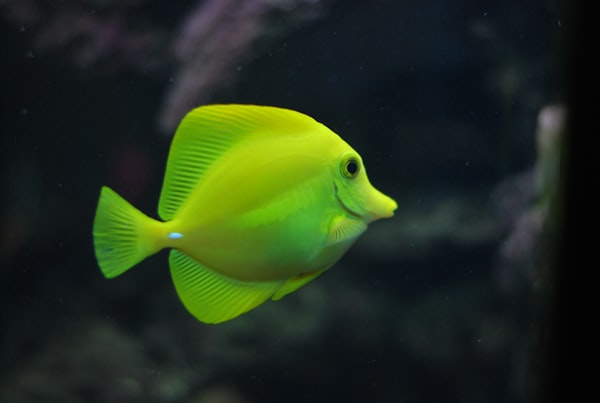
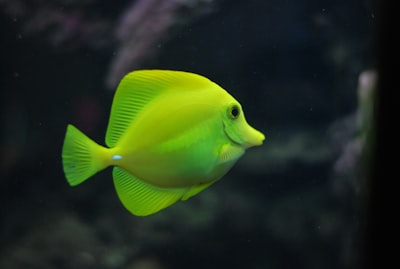
At healthy outer reef sites you can expect: brain coral, staghorn coral, table coral, and dozens of other hard coral species in multiple colour forms; parrotfish grazing on coral surfaces; clownfish in anemone (yes, Nemo); wrasse in brilliant purples and greens; angelfish; enormous school of silver baitfish that part like a curtain around you; sea cucumbers on the sandy bottom; giant clams with mantle colours ranging from brown to electric blue; and at most sites, sea turtles and small reef sharks (white-tip or grey reef sharks — completely harmless and generally indifferent to snorkellers).
Every day is different. Marine life doesn't perform on schedule, and conditions vary. But the consistent experience of most visitors at quality outer reef sites is genuine astonishment — not despite having read about the bleaching, but often because the underwater reality exceeds the lowered expectations that honest reporting about bleaching sometimes creates.
Section 7
🏊
Non-Swimmers and Nervous Swimmers
You do not need to be a strong swimmer to visit the reef, and this is not a polite reassurance — it's a structural fact of how reef snorkelling works. The activity is surface floating, not swimming. You're horizontal, face down, looking at what's below you. Foam noodles, flotation vests, and full flotation suits mean you can be kept on the surface with zero physical effort. Many experienced snorkellers use flotation vests as a matter of preference, not necessity.
For those genuinely not comfortable in water at all: glass-bottom boat tours and semi-submersible vessels (a glass-sided cabin that sits partially below the waterline) let you see the reef, its fish, and its coral formations without entering the water. Some larger pontoon operations also include underwater viewing chambers. The experience is different from snorkelling but the coral and marine life are clearly visible and the access is complete.
For first-time and nervous snorkellers: Tell the crew when you board. Do not wait until you're in the water and anxious. Most operators have guides who specifically manage first-time snorkellers — they'll fit your mask and snorkel, walk you through breathing technique before you enter the water, accompany you on the surface, and ensure you're comfortable before going anywhere near deeper areas. The vast majority of people who describe themselves as nervous swimmers have a genuinely enjoyable experience once they're in. The hardest part is usually the decision to get in, not the snorkelling itself.
Section 8
📅
Best Time to Visit the Great Barrier Reef
✓ June–October (Dry Season)
The clear recommendation for most visitors. Calm seas, excellent visibility (15–25m), water temperature 23–26°C, minimal marine stinger presence, and dry warm weather onshore. This is also peak tourist season — book reef trips at least 2–3 weeks ahead, more for popular operators. Worth planning around if you have flexibility.
✓ November–May (Wet Season)
Warmer water (27–29°C), marine stinger season (box jellyfish — stinger suits provided by all operators, mandatory in most areas), occasional rough seas causing trip cancellations, and reduced visibility after heavy rainfall. Still absolutely worth visiting if this is when you can go — conditions vary day to day and good days in the wet season are stunning. Just have a contingency plan if conditions cancel your first booking.
On marine stingers (box jellyfish)
Stinger season (October–May) sounds alarming and isn't — as long as you wear a stinger suit, which all reputable reef operators require or strongly recommend during this period. Box jellyfish are a real hazard in inshore waters (beaches especially) but are very rarely encountered at outer reef sites. The stinger suit eliminates the risk effectively. Don't let stinger season deter you from visiting during these months if that's when you're in Australia.
Common Questions
❓
Frequently Asked Questions
Yes — emphatically. While bleaching events have affected substantial parts of the reef since 2016, large outer reef sections remain vibrant and biodiverse. The reef is 2,300 km long and conditions vary enormously by location. Quality operators visit the healthiest sites and adjust in real-time based on conditions. At outer reef sites, most visitors are genuinely astonished by what they see. It remains one of the world's great natural experiences. Visiting also supports the conservation funding and advocacy the reef needs.
Reef-safe sunscreen uses zinc oxide or titanium dioxide (mineral UV filters) and avoids oxybenzone and octinoxate (chemical UV filters linked to coral damage in research settings). The term "reef-safe" has no legal definition in Australia, so check the active ingredients list rather than the label claims. Most pharmacies in Cairns and Port Douglas stock mineral-based options. Ask your operator when booking — many supply or sell reef-safe sunscreen on board.
No. Reef snorkelling is surface floating, not distance swimming. Foam noodles, life vests, and flotation suits are provided by all operators and keep you on the surface without physical effort. Non-swimmers and people uncomfortable in water can experience the reef via glass-bottom boat tours or semi-submersible vessels without entering the water. Tell your operator about any water anxiety or non-swimming status when booking — they're experienced at accommodating all levels.
June to October (dry season) offers the best overall conditions: calm seas, clear water (15–25m visibility), comfortable temperatures 23–26°C, and minimal marine stinger presence. This is peak season — book ahead. November to May is warmer but brings marine stinger season (stinger suits required and provided), occasional rough seas, and reduced visibility after rain. The reef is accessible and worth visiting year-round; just have a contingency date if wet-season conditions cause a cancellation.
Look for: Ecotourism Australia Advanced Eco certification or GBRMPA high-standard permits; smaller vessels with fewer passengers; marine biologist or specifically trained guides on board; reef-safe sunscreen policies for guests; thorough no-touch briefings before every session; and active contributions to reef research or conservation beyond legal compliance. Ask directly about certification and what they do for conservation. Good operators answer readily and specifically. Ask your accommodation for recommendations — local knowledge is usually reliable.
Yes — through introductory dive programs that don't require certification. Most quality reef day trips offer these: a brief pool or shallow-water session, then a supervised dive (typically to 6–8 metres) with a dive instructor who accompanies you throughout. You can experience the reef at depth without any prior experience. Full open-water certification dives are also available for those who want to go deeper and dive more independently. Check that your operator is PADI or SSI certified for introductory dive programs.
It can be — the boat ride to the outer reef takes 1–2 hours, and conditions vary. If you're susceptible to motion sickness, take a preventive measure (Travacalm or equivalent) before boarding rather than waiting to feel unwell. Sitting outside on the deck, focusing on the horizon, and staying hydrated help. The time spent at the reef itself is usually calm — vessels moor at mooring buoys and conditions at established sites are typically gentle. Rough weather may cause cancellations entirely, which is better than a miserable trip.
When, where, and how to see humpback whales on the east coast migration.
Conclusion
🐚
The Reef Needs Visitors Who Care
Visiting the Great Barrier Reef responsibly isn't a complicated undertaking. Choose an operator with genuine eco-certification and a marine biologist on board. Wear reef-safe mineral sunscreen and a rash vest. Don't touch anything underwater — not the coral, not the clams, not the curious fish that approaches you. Listen to the briefing.
These individual actions don't resolve the reef's existential challenge, which is a carbon emissions problem of global scale. But they ensure that your visit is part of the solution — contributing to conservation funding, modeling responsible visitor behaviour, and connecting you personally to an ecosystem that will only receive the policy protection it needs if enough people have seen it and care about its future.
The reef is still extraordinary. Go and see it. And come back with a clear understanding of what it needs to survive.
🌊 Tropical North Queensland · Expert-Guided · Small Groups
Explore Tropical North Queensland with Cooee Tours
We operate small-group day tours from Cairns into the Daintree Rainforest, Atherton Tablelands, and surrounding tropical hinterlands. Pair a reef day trip from a responsible operator with a rainforest experience for the complete tropical Queensland immersion — the only place on earth where two UNESCO World Heritage sites share a coastline.
ATAS Accredited · 50,000+ Guests · ★★★★★ 4.8/5 · Small Groups Only · Fully Guided