🗓️ 7 Days to 3 Months✈️ Jet Lag Factored In💰 Honest Cost Ranges📍 Sample Itineraries
Australia Trip Planning Guide · Updated March 2026
How Long to Spend in Australia — The Honest Answer
Australia is roughly the size of the continental United States. The answer to "how many days do I need?" depends entirely on what you want to experience — and being honest about what each timeframe actually allows. Here's the unvarnished truth.
Cooee Tours — Australia Travel Planning TeamBrisbane, QLD · Updated March 2026 · Australian Owned Since 1963
14 min read
Most visitors arrive having underestimated one thing: Australia's size. The country is not a destination you can "do." It is a continent with the diversity of Western Europe and distances that exceed the continental United States. This guide doesn't tell you what you want to hear — it tells you what each timeframe genuinely allows, so you can make an informed choice rather than an optimistic one.
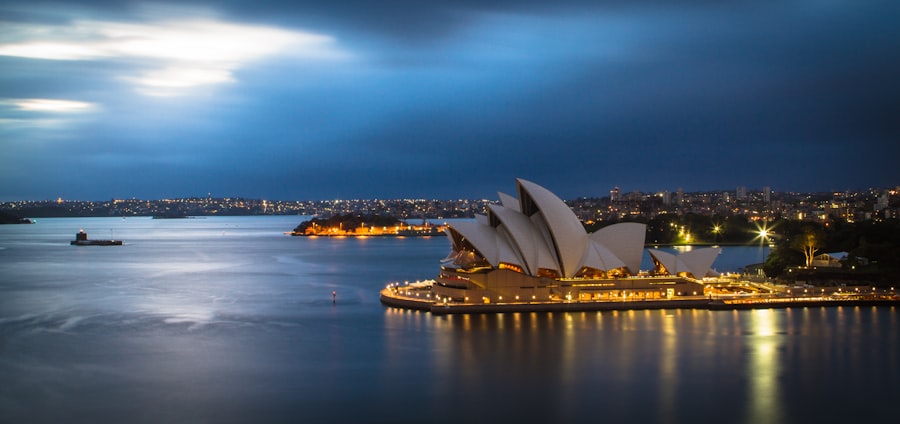
Sydney4–5 days recommended
Uluru / Red Centre2–3 days minimum
Great Barrier Reef4–5 days recommended
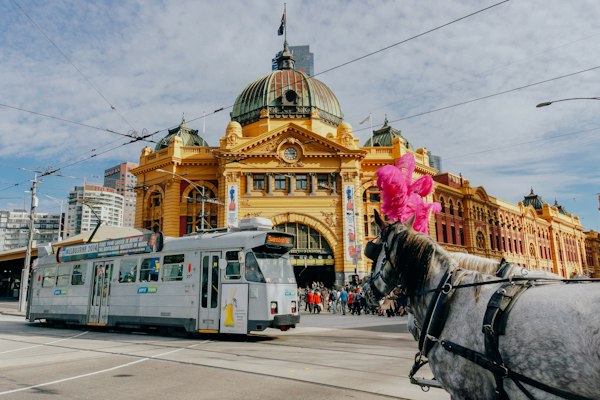
Melbourne3–4 days recommended
Great Ocean RoadDay trip from Melbourne
Section 1
🗺️
The Size Reality Check
Before any itinerary planning, you need to internalise one fact: Sydney to Perth is farther than New York to Los Angeles — 4,000km versus 3,900km. The drive from Sydney to Cairns takes over 30 hours. Flying Melbourne to the Great Barrier Reef takes three hours. Brisbane to Uluru is a two-hour flight, then two more hours by road.
This is not an obstacle — it is just the reality that shapes everything about how Australia should be planned. A visitor attempting to see Sydney, Melbourne, Cairns, Uluru, and Perth in 10 days will spend roughly 3 of those days in airports and aircraft. The experiences that remain will be exhausting surface-level glimpses. A visitor spending those same 10 days exploring Sydney and Queensland will come home having actually experienced something.
7.7M
km² land area
4,000km
Sydney to Perth
30+ hrs
Sydney to Cairns by road
3 hrs
Melbourne to reef (flying)
The Honest Short Answer: 14–21 days (2–3 weeks) is ideal for most first-time visitors. Anything under 10 days feels rushed and barely justifies a 14–24 hour flight. One week gives you one city done properly. One month opens up genuinely comprehensive exploration. Everything in between is a trade-off worth understanding clearly.
Section 2
📋
Itinerary Breakdowns — What Each Length Actually Allows
Below is an honest assessment of every major trip length. The verdicts are not marketing — they reflect what first-time visitors typically report after the fact, not what looks appealing on paper before departure.
5–7
Days
One Week
⚠️ Barely Worth It
ONE city + 1–2 day trips only
Sydney (5 days) + Blue Mountains + one beach day
OR Melbourne (5 days) + Great Ocean Road + Yarra Valley
The rule most visitors wish they'd known: Never hear anyone say they wished they'd spent less time in Australia. The regret almost always runs the other way. If your choice is between 2 weeks and 3 weeks, and 3 weeks is financially and practically possible, take the extra week.
Section 3
📅
Day-by-Day Sample Itineraries
Three complete blueprints — written with realistic pacing, factoring in jet lag, internal travel days, and genuine rest time. These are what actually works, not what looks best on paper.
7 Days
Sydney Focus — For Short-Stay Visitors
Best for: Regional visitors / Asia-Pacific stopovers / Tight schedules
1
Arrive Sydney. Transfer to hotel. Light walk around Circular Quay. Early night — jet lag is real.
2
Sydney Icons. Opera House walk, Harbour Bridge climb or pylon lookout, lunch in The Rocks. Afternoon ferry to Manly for sunset.
3
Bondi Coastal Walk. Bondi to Coogee coastal walk (6km, 2 hrs). Swim at Bondi, lunch in Bronte, coffee at Coogee. Taronga Zoo if energy allows.
4
Blue Mountains Day Tour. Private guided day trip to Katoomba — Three Sisters, Echo Point, Scenic Railway, Leura village. Return by 6pm.
5
Inner Sydney. Darling Harbour, Sydney Fish Market, Chinatown. Afternoon: Art Gallery of NSW or Australian Museum. Evening: Surry Hills dining precinct.
6
Northern Beaches. Manly day trip (ferry again — best harbour view in Australia). Palm Beach or Narrabeen if energy allows. Farewell harbour dinner.
7
Depart. Morning free for last shopping or Bondi swim. Transfer to airport.
Honest Verdict
You will leave knowing Sydney well. You will not have experienced Australia's diversity. Only worthwhile if you're already in the region or cannot arrange more time. Visitors from USA or Europe should strongly consider waiting until they can take 14+ days.
Most Popular
14 Days
Classic Australia — The First-Timer's Blueprint
Best for: First visit from USA, Europe, or UK · Covers Sydney, reef, and Melbourne
1
Arrive Sydney. Circular Quay orientation walk. Early dinner, early bed.
2
Sydney Harbour. Opera House, Harbour Bridge, The Rocks, lunch in Chinatown, ferry to Manly.
Daintree Rainforest. Guided day tour — Mossman Gorge, Cape Tribulation, Indigenous cultural experience.
8
Cairns Free Day. Night markets, local lagoon swim, Skyrail Rainforest Cableway.
9
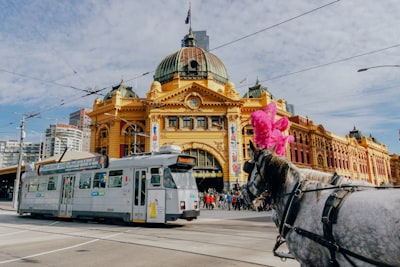
Fly to Melbourne. Afternoon arrival. Explore Southbank and Flinders Street area.
10
Melbourne City. Queen Victoria Market morning, Federation Square, laneways street art, Fitzroy dinner.
11
Great Ocean Road. Full-day private tour — Twelve Apostles, Loch Ard Gorge, coastal views.
12
Yarra Valley + Dandenong Ranges. Wine tasting, Puffing Billy steam train, mountain ash forests.
13
Melbourne Rest Day. St Kilda beach, Brighton bathing boxes, MCG tour, farewell dinner.
14
Depart Melbourne. Morning free. Transfer to airport.
Honest Verdict
This is the gold standard first-visit itinerary for a reason. Three genuinely different experiences at a pace that doesn't grind you down. You'll have one proper rest day, two immersive day trips from each city, and enough flexibility to follow a local recommendation. The pace is active but sustainable. Most visitors rate this trip as the best holiday they've taken.
21 Days
Comprehensive Australia — Cities, Reef, Outback & Nature
Best for: Adventurous first-timers wanting the full range of Australian experience
1–5
Sydney (5 days). Harbour icons, Blue Mountains day tour, Hunter Valley wine tour, Bondi to Coogee coastal walk, one rest day.
6
Fly to Uluru. Evening arrival in Yulara. Sunset camel ride at Uluru.
7
Uluru Sunrise + Base Walk. Pre-dawn sunrise viewing. Guided 10.6km base walk with Anangu cultural interpretation.
8
Kata Tjuta + Field of Light. Valley of the Winds walk at Kata Tjuta. Evening at Bruce Munro's Field of Light installation.
9
Kings Canyon. Rim walk at Kings Canyon (6km loop, 3–4 hrs). Return to Yulara.
10
Fly to Cairns. Afternoon arrival. Settle into rainforest accommodation.
11–12
Great Barrier Reef (2 days). Day 1: outer reef snorkelling and diving. Day 2: Scenic helicopter flight over reef + pontoon experience.
13
Daintree Rainforest. Guided full day — world's oldest rainforest, crocodile spotting, Cape Tribulation beach.
Fly to Melbourne. Evening arrival. First Melbourne dinner in the laneways.
16–17
Great Ocean Road (2 days). Day 1: Torquay to Twelve Apostles. Day 2: Otway Rainforest and Kennett River koalas.
18
Phillip Island. Penguin Parade at dusk. Little penguins emerging from the sea — one of Australia's most magical experiences.
19–20
Melbourne City (2 days). Markets, laneways, MCG, galleries, exceptional dining, Yarra Valley day trip.
21
Depart Melbourne. Morning free. Airport transfer.
Honest Verdict
This itinerary covers the four genuinely distinct environments that make Australia unlike anywhere else: iconic coastal city, ancient sacred outback, living coral reef, and cool-climate nature. The pacing is active — there are no truly lazy days — but the variety keeps energy high. If you can only visit Australia once for an extended period, this structure makes the most of three weeks without turning into an airport marathon.
Section 4
🎯
How to Choose Your Trip Length
Use this framework rather than guessing. Match your primary travel goal to the recommended length, then factor in the practical considerations below.
⚡
Just the Highlights
10–14 days
Two to three iconic destinations without attempting depth. You'll see the landmarks. You won't know the places.
🌊
Real Diversity
14–21 days
Cities, reef, outback, and nature — all properly. The itinerary most people remember as the best trip they've taken.
🧘
Without Rushing
21–30 days
Rest days, spontaneity, and slow travel included. You'll find things that don't appear in any guidebook.
🗺️
Off the Beaten Track
30+ days
Regional towns, national parks, and experiences that most tourists never find. Australia's real character lives here.
🏡
Full Immersion
60–90 days
Working holiday, slow travel, or extended leave. You'll stop being a visitor and start understanding what life here actually looks like.
✈️
Flight Time
USA: 14–20 hrs · Europe: 18–24 hrs · Asia: 7–10 hrs. The longer your flight, the more days you need to justify the journey.
😴
Jet Lag
Expect 2–3 recovery days from USA/Europe. Don't book intensive activities on day 1–2. Build this into your plan — not around it.
💰
Budget Reality
Longer trips cost more in total but often less per day. Fewer internal flights, accommodation discounts, and slower pace reduce daily spend.
📋
Work Leave
Most people have 10–14 days. Maximise by adding weekends and public holidays. Australia has generous public holiday buffers in May and June.
🔴 Honest Advice
If 7–10 days is genuinely your maximum, commit to one coast — not both. Attempting Sydney + Melbourne + Cairns in one week puts you in airports for more hours than you spend experiencing anything. A well-paced 7 days in one region beats an exhausting 10-day airport marathon every time.
Section 5
💰
Realistic In-Country Cost Ranges (AUD)
All figures exclude international flights. Includes accommodation, domestic transport, guided tours, food, and activities. Costs reflect 2026 AUD pricing.
Trip Length
💼 Budget Hostels / Group Tours
🏨 Mid-Range Hotels / Some Private
🌟 Premium Private Tours / Good Hotels
7 Days
$1,500–2,000
$2,500–3,500
$4,500–7,000+
10 Days
$2,000–2,800
$3,500–5,000
$6,500–10,000+
14 Days
$2,800–3,800
$4,500–6,500
$8,500–14,000+
21 Days
$3,800–5,500
$6,500–9,500
$12,000–20,000+
30 Days
$5,000–7,500
$8,500–13,000
$15,000–30,000+
All figures in AUD. Excludes international flights. Per-day cost actually decreases with longer trips due to fewer internal flights, accommodation discounts, and slower pace.
Section 6
⚠️
The Four Planning Mistakes That Ruin Australia Trips
These come from two decades of hearing what visitors wish they'd done differently. Every single one is avoidable.
01
Trying to See Everything
Australia has 7 states and territories, each the size of a European country. Attempting all of them in 14 days guarantees you see none of them properly. Choose 2–3 regions and explore them with depth. A visitor who genuinely knows Sydney, the Great Barrier Reef, and Melbourne has experienced more of Australia than one who rushed through eight cities.
02
Underestimating Internal Travel Time
Sydney to Melbourne is 1.5 hours flying but 4+ hours door-to-door including check-in, transit, and ground transfer. Budget full days for city changes. Never plan to fly to Cairns and snorkel the reef the same afternoon — you will arrive too tired and too late. Internal travel days are real days. They must appear in your itinerary.
03
Zero Rest Days
Constant movement plus international jet lag destroys even the most enthusiastic travellers by day 8. One rest day per week is not a luxury — it is the difference between arriving home with vivid memories and arriving home with a blurry, exhausting blur. The best travel stories almost always come from unscheduled time.
04
Checklist Travel
One day in five cities means five forgettable days rather than one memorable one. You'll remember the place you stayed long enough to find the good coffee, talk to a local, and wander without purpose — not the Opera House photo you took from the taxi. Depth beats breadth. Every time. For every destination. In every country. But especially Australia.
The 3-2-1 Rule: For every week of travel, plan 3 days in one major city, 2 days on a day trip or regional destination, and 1 day for travel or rest. Week 1: Sydney (3 days) + Blue Mountains (2 days) + travel (1 day). Week 2: Cairns (3 days) + Daintree (2 days) + travel (1 day). Simple, sustainable, and genuinely enjoyable.
Section 7
🏙️
How Long to Spend in Each Australian City
Sydney
4–5 days
Harbour Bridge & Opera House
Bondi–Coogee coastal walk
Blue Mountains day tour
Manly Beach ferry crossing
Why 4–5 and not 3: Sydney needs a Blue Mountains day trip to feel complete. That alone requires a full day. Add one beach day and you genuinely need 4 minimum.
Melbourne
3–4 days
Laneways and street art
Queen Victoria Market
Great Ocean Road day tour
Yarra Valley wine region
Why 3–4: Melbourne's city is walkable in 2 days. The third day goes to the Great Ocean Road. The fourth to Yarra Valley or Phillip Island penguins.
Cairns / Tropical North
4–5 days
Outer reef full day
Daintree Rainforest day tour
Atherton Tablelands
Cape Tribulation overnight
Why 4–5: The reef alone needs a full day. Daintree needs another. You flew 3 hours to get here — don't give it less than four days.
Uluru / Red Centre
2–3 days
Uluru sunrise + base walk
Kata Tjuta valley walk
Cultural centre visit
Field of Light (seasonal)
Why 2–3: One morning at sunrise changes how you think about Australia. Two nights here is not a long time — it is the right amount of time.
Brisbane
2–3 days
South Bank Parklands
Story Bridge climb
Gold Coast day trip
Lone Pine Koala Sanctuary
Brisbane is a gateway. Use it as a base for Gold Coast and Sunshine Coast day trips. Two full days in the city proper is enough.
Plan With Us
🧭
Let Us Do the Planning
Our private and small-group tours take the guesswork out of trip length — every itinerary is designed with honest pacing, built-in rest days, and the local knowledge that turns a good trip into an unforgettable one.
Minimum 10–14 days for a meaningful multi-region visit. The sweet spot for most first-time visitors is 14–21 days — enough to cover 2–3 distinctly different regions without constant rushing. A 7-day trip is possible but only realistic if you commit to a single city. Australia is roughly the size of the continental United States. You can't "do" it. You can choose a corner and experience it well.
Is 2 weeks enough for Australia?
Yes — 14 days is the most common and most satisfying first-trip length. The classic route (Sydney 4 days + Cairns 4 days + Melbourne 3 days + 3 travel days) covers three genuinely different environments at a manageable pace. You'll have rest days and enough flexibility to follow a recommendation you didn't plan for. Two weeks is not a compromise. It is the right amount of time for most people on a first visit.
Is 7 days enough for Australia?
Seven days is enough for one city plus day trips. Sydney with Blue Mountains, Melbourne with Great Ocean Road, or Brisbane with the Gold Coast. It is not enough to experience Australia's diversity. Factor 2 days of jet lag recovery and 1 departure day — you have 4 genuinely productive days. If 7 days is your hard limit, choose one region and explore it deeply rather than skimming across two or three.
Can you do Australia in 10 days?
Yes, but the pace will be felt. Ten days allows two cities with day trips from each: Sydney (4 days including Blue Mountains) + Melbourne (4 days including Great Ocean Road) + 2 travel days. There are no rest days and zero flexibility. If something spontaneous comes up — a local recommendation, perfect weather — you can't act on it. It is doable for highlights. Fourteen days is meaningfully more comfortable and barely longer.
Should I visit for 2 weeks or 3 weeks?
If 3 weeks is practically and financially achievable, take the extra week — always. Two weeks covers 2–3 regions. Three weeks covers 3–4 regions plus genuine rest days and room for spontaneity. The extra week usually means you can add Uluru or Tasmania — experiences so distinct from anything else in Australia that most visitors consider them the emotional highlight of the trip. The flight from USA or Europe is too long not to maximise time on the ground.
How long should I spend in each Australian city?
Sydney: 4–5 days (city + Blue Mountains day trip + beaches). Melbourne: 3–4 days (city + Great Ocean Road + Yarra Valley). Cairns: 4–5 days (reef day + Daintree + Atherton). Brisbane: 2–3 days (city + Gold Coast day trip). Uluru: 2–3 nights minimum for sunrise and the full cultural experience. These durations allow proper immersion — time to find where locals actually eat and to follow one unexpected recommendation.
How long do most tourists spend in Australia?
Most international tourists spend 12–18 days — roughly two weeks. This reflects practical vacation allowances in USA and Europe. Working holiday visa holders and gap year travellers typically stay 3–12 months. The two-week standard has emerged because it genuinely works for most first-time visitors. It isn't a limitation — it's a well-tested baseline that balances meaningful experience with realistic time constraints.
What is the minimum time worth the long-haul flight?
Ten days is the practical minimum for a trip from USA or Europe to feel worthwhile — and that's still tight. Factor in 20+ hours flying each direction plus jet lag, and a 7-day itinerary means you spend more time in transit than you spend experiencing Australia. If you genuinely can only manage 7 days, consider pairing Australia with New Zealand, Fiji, or Southeast Asia — that way the long-haul flight serves multiple destinations.
Final Word
🌏
Our Final Recommendations
For your first visit: 14–21 days. Covers essential highlights without constant rushing. Room for cities and nature. You'll experience genuine diversity without exhausting yourself before the best parts.
If time is limited: 10 days minimum, one coast. Either Sydney + Melbourne + Great Ocean Road or Brisbane + Cairns + Great Barrier Reef. Don't attempt both coasts in 10 days.
If you have flexibility: 30+ days for proper exploration. Tasmania, wine regions, outback, and smaller destinations most tourists never find. This is when Australia truly opens up.
Australia rewards multiple trips. Don't carry the anxiety of seeing everything in one visit. First trip: east coast highlights. Second trip: west coast or Tasmania. Third trip: Northern Territory and outback. Each visit has its own character and its own completely different Australia to show you.
Australia Travel Planning · Since 1963
Ready to Plan Your Trip?
Whatever time you have — 7 days or 3 months — we'll build you an itinerary that makes every day count. Expert local guides, honest pacing, private and small-group options.