📋 Gold Coast · Brisbane · Cairns · Small Groups Since 1963
An Honest Guide · No Fluff
What to Expect on a Small Group Tour
Never done a guided tour? Not sure what actually happens? Here's a straightforward walkthrough — from the morning pickup to the drive home — so you know exactly what you're signing up for.
Cooee Tours Travel TeamBrisbane, QLD · Small Group Day Tour Specialists · Updated March 2026
12 min read
Most people who've never done a guided tour have a vague image in their head: a tour bus, a guide with a microphone, 50 strangers, timed stops, and a rushed lunch. Small group tours are a genuinely different experience. Here's what actually happens.
Guided ExperiencesRainforest with a local expert
Your GuideThe experience-maker
Scenic StopsUnhurried time to explore
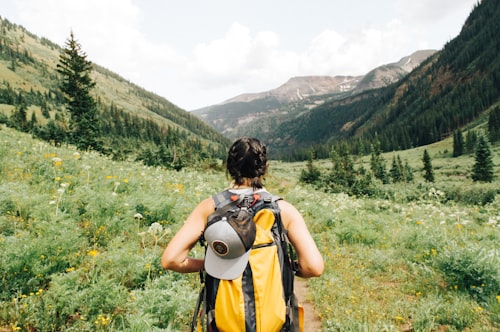
The TrailsPlaces big buses can't go
Lunch StopsRelaxed, local, and sociable
The Day
🗓️
A Typical Day, Hour by Hour
Every tour is different — a Gold Coast hinterland waterfalls tour runs differently from a reef trip out of Cairns — but most Australian small-group day tours share a recognisable rhythm. Here's what to expect using a Cooee Tours Queensland day trip as a template.
7:00 – 8:00 AM
Pickup from your accommodation
Your guide arrives in a minibus or van — usually a vehicle that seats 10–16 passengers. If you're not the first pickup, you'll have a short drive while the guide collects others. This is when the guide introduces themselves, gives a rough outline of the day, and answers any immediate questions. It's informal, more like joining a friend's car trip than boarding a bus. Most guests are a little quiet at this point; that changes by the first stop.
8:30 – 9:30 AM
First stop — usually scenic and easy
The opening stop is typically a lookout, a short walk, or a point of cultural interest — something that's impressive without being physically demanding. The guide starts doing what good guides do: pointing out what you'd walk straight past, giving the backstory, answering questions. People begin talking to each other. By the end of this first stop, a loose group dynamic is forming.
Mid-morning
Main experience — trail, rainforest, waterfall, wildlife
This is the heart of the day and where the guide's knowledge earns its value. On a bushwalk: the ecology of what you're walking through, which plants are edible, the Indigenous significance of the landscape, where to look for wildlife, what that bird call is. On a cultural site: the history, the context, the stories that aren't in the brochure. This is the stop people usually remember most, and the one they'd struggle to replicate independently without similar knowledge.
12:00 – 1:00 PM
Lunch
Either a packed lunch at a scenic picnic spot (included in some tours), a stop at a local cafe where you buy your own, or a sit-down at a regional restaurant. The guide usually eats with the group — this is when longer conversations happen and when solo travellers often find themselves deep in conversation with people they met four hours ago. Lunch breaks are typically 40–60 minutes and double as recovery time.
Early afternoon
Second location — often more relaxed
Afternoon stops tend to be lighter in intensity. A swimming hole, a wildlife encounter, a second lookout, an optional harder walk for those with remaining energy. Good guides read the group — if everyone's tired, the pace slows; if the group is energetic, options expand. This flexibility is something structured big-bus tours simply can't offer.
4:00 – 5:30 PM
Return drive & drop-off
People are usually tired, satisfied, and still talking. The guide shares dinner recommendations, other local experiences worth trying, and practical tips for the rest of your trip. Drop-off is at each person's accommodation in reverse pickup order, or at the central departure point. The day ends the same way it started: personal, easy, and with none of the herding that characterises large group travel.
⏰ Note on timing: Day tour times are estimates, not commitments. A particularly photogenic sunrise or an unexpected wildlife sighting can (and does) shift the schedule. This isn't a failing — it's the advantage of having a group small enough to make that call. If you have an evening commitment, tell your guide at the start of the day.
The Group
👥
The Group Dynamic
This is the thing most first-timers are genuinely uncertain about. What are the other people like? Will the conversation feel forced? Is there always someone who talks too much?
The short answer: small group dynamics are almost always fine, and often unexpectedly enjoyable. With 6–12 people in a minibus, conversation forms naturally — you're not part of an anonymous crowd, but you're not forced to perform for strangers either. You're just people in a vehicle, heading to see something interesting together. The guide manages the social environment without being obvious about it, and by the second stop, most groups have found their rhythm.
The mix is usually couples, solo travellers, and occasionally families — a range of nationalities and ages that, paradoxically, makes conversation easier than a group of identical travellers would. The shared experience of the day creates a social shortcut: within two hours you've all seen the same waterfall, heard the same story, had the same moment of surprise at the same wildlife sighting. That's enough common ground to carry a conversation all the way to drop-off.
Honest question: what if there's someone difficult?
Sometimes there is — someone who asks too many questions, moves too slowly, or holds the group's attention in ways that slow the day. On a 40-person bus, this person affects everyone and nobody can do much about it. On a small group tour, the guide manages it: keeping pace, redirecting conversations, ensuring the day keeps its shape. The group is small enough that one personality doesn't hijack the experience.
Travelling Alone
🎒
Solo Travellers
If you're travelling alone, small group day tours are one of the highest-value things you can do. They solve the two biggest practical challenges of solo travel simultaneously: logistics and loneliness — without requiring you to commit to a multi-day itinerary with people you haven't met.
You get a full day of genuine social interaction without the social pressure of making plans with strangers. You see places that are genuinely difficult to reach without a car or local knowledge. You come home at the end of the day having shared an experience with a group of people who were complete strangers that morning. Many solo travellers exchange contact details with other guests at the end of tours and continue travelling together for part of their trip.
Solo travellers are extremely common on small group tours — you will almost certainly not be the only one. You won't feel out of place, you won't be treated as an anomaly, and you won't be expected to perform extra social effort to compensate for arriving alone.
I was a bit nervous about the group thing — I've never done a guided tour before. By the second stop I'd completely forgotten I was on one. I just thought I was hiking with some people I'd somehow already met.
— Solo traveller, Cooee Tours Gold Coast Hinterland Day Tour · 2025
The Difference-Maker
🧭
The Guide Makes or Breaks It
On a big bus tour, the guide is a voice on a microphone reading from a script. On a small group tour, the guide is the experience. They're walking next to you, they know your name, they're answering your specific questions, and they're making constant small decisions that shape the day — pace, timing, depth of explanation, which path to take, when to stop and when to move.
The best small-group guides are part naturalist, part storyteller, part logistics manager, and part host. They notice when someone's struggling on a trail and naturally slow the group without making it awkward. They spot the platypus you would have walked straight past. They know the cafe that makes the best pie in a 50-kilometre radius. They remember which guest mentioned an interest in birds, and make sure to point out the species that guest would care about. This level of responsive, personalised guiding is structurally impossible with 40 people.
When you're reading tour reviews — any operator, not just Cooee — pay close attention to what reviewers say about the guide specifically. That's the variable that matters most, and good tour companies know it. Guide quality is not uniform across an industry; it's worth reading carefully before booking.
What makes a great small-group guide?
Deep local knowledge that goes beyond the published information — ecology, Indigenous history, geology, social context, personal stories. The ability to read a group and adjust on the fly: pace, content, energy level, which optional stops to prioritise. Genuine enthusiasm that isn't performed — guests can always tell the difference between a guide who loves the place and one who's reciting it. Clear communication about what's happening and why, especially when plans change. And the practical competence to handle a day in the field: safe vehicle operation, first-aid awareness, weather reading, and the confidence to make good judgment calls.
The Comparison
🚌
Small Group vs Big Bus: What's Actually Different
Both formats have their place — but they deliver very different experiences. Here's an honest comparison of what you can actually expect from each.
Small Group (6–15 people)
Guide knows your name and adjusts the experience for you
Access to trails, lookouts, and locations buses can't reach
Flexible pace — the guide reads the group and responds
Real conversations, not PA announcements
Room to move and explore at each stop without queuing
Easier to accommodate dietary needs and accessibility
Typically 7–9 unhurried hours with meaningful time at each stop
Door-to-door pickup and drop-off at your accommodation
Higher cost per person
Big Bus (30–50 people)
Guide uses a microphone from the front — one-way broadcast
Limited to bus-accessible roads and car park drop-offs
Fixed, tightly-timed schedule regardless of group energy
Hard to ask personal questions or get individual attention
Crowds at every stop — queuing for photos, limited space
Often 50+ people makes social interaction feel anonymous
Stops can feel rushed — 20 minutes at a major waterfall
Central departure points only, no accommodation pickup
Lower cost per person
The honest trade-off
Big bus tours are cheaper. A 50-person coach tour of the Gold Coast hinterland might cost AUD $79–95, while a small group tour covering similar ground costs AUD $150–250. The question is whether the experience difference is worth the price difference for your specific trip. For most people visiting Australia once — particularly on itineraries that include rainforest, wildlife, cultural sites, or landscapes where context matters — the answer is yes. The things a good guide shows you and tells you cannot be recreated with a phone and a map.
Do You Need a Guide?
🗺️
Guided Tour vs Going Independently
Not everything needs a guide, and we'd rather be honest about this than oversell. Some experiences are genuinely better explored independently. Here's how we'd actually break it down.
A guide genuinely adds value
Rainforest walks: Ecology, Indigenous knowledge, plant identification, wildlife spotting techniques — without this context, a walk through rainforest is just trees
Wildlife encounters: Knowing where to look, when to be quiet, what behaviour to watch for — guides routinely find animals their guests would have entirely missed
Cultural and heritage sites: Indigenous sacred sites, historical landscapes, geological formations — the story behind what you're looking at transforms the experience
Reef and marine experiences: Safety, ecology, marine biology — a great reef guide changes what you see underwater
Wine regions: Tasting logistics, regional knowledge, and the practical advantage of not having to drive
Multi-stop day trips: When navigation is complex, distances are long, and a car rental adds more cost and stress than a tour
Go independently instead
City sightseeing: Walking tours, self-guided audio apps, and good maps make most city exploration manageable alone
Beach days: You don't need a guide to find the ocean
Well-marked popular trails: Well-signposted short walks in busy national parks with clear maps rarely need interpretation
Exploring a town at your own pace: When schedule freedom matters more than insider knowledge
Experienced bushwalkers: If you have real trail experience, navigation skills, and local maps, some walks are rewarding without a guide
When you hate following any schedule: If you need absolute freedom to change plans spontaneously, even small group tours have a structure that may frustrate you
Being honest about our bias
We're a tour company, so we have an obvious commercial interest in recommending guided tours. We're being deliberate about acknowledging that. If you're an experienced traveller visiting a destination you know well, or a confident bushwalker with strong navigation skills who just wants to walk — you may genuinely not need a guide. We'd rather you have a great independent experience than a mediocre guided one. What we offer is most valuable when knowledge, logistics, and access are genuinely difficult to replicate without local help.
Inclusions
✅
What's Typically Included (and What's Not)
✓ Usually Included
Transport from your accommodation or designated pickup point — door-to-door
The guide for the full day, including all travel time
National park entry fees or main attraction admission where applicable
Equipment for specific activities (snorkelling gear, life jackets, helmets)
Morning tea or a snack stop at some operators (check the listing)
Lunch on longer full-day tours (check the listing — varies by operator)
Gratuities — these are discretionary and entirely your choice
💡 Booking tip: Reputable tour operators list inclusions clearly and specifically in their booking descriptions. If a listing is vague about what's included — particularly meals — ask before booking. On Cooee Tours listings, inclusions are itemised. If you have a specific dietary requirement (vegetarian, vegan, allergy), note it clearly in your booking. It's much easier to handle before the day than during.
Pack List
🎒
What to Bring on a Day Tour
💧
Water — 1.5L minimumAustralian days are warmer and drier than most visitors expect. Bring more than you think you'll need. Many tour stops don't have water access.
🧴
Sunscreen SPF 50+Australian UV is significantly stronger than most Northern Hemisphere equivalents — even on cloudy or cool days. Apply before you leave.
👒
Hat — wide brimNot just for sun — essential insect and eye protection in rainforest environments too. A cap won't cover your neck; a wide brim is better.
👟
Closed-toe walking shoesTrails are often uneven, rocky, or have exposed roots. Sandals and thongs are not appropriate for national park walks. Ankle support helps.
🧥
A light layerQueensland days can swing 10°C between morning and midday. Hinterland areas and mountain destinations are cooler than coastal towns.
💵
Cash as backupCard payments work in cities but are unreliable at regional cafes, roadside stalls, and small-town lunch stops. A small amount of cash covers you.
📷
Camera or phoneOptional but recommended. Guides frequently know the best angles and times for photography at each stop — ask them.
🎒
Small daypackEnough to carry your water, sunscreen, hat, and a layer without using your hands. Large suitcases and hard bags stay in the vehicle.
🦟 Note on insects: In rainforest areas, especially during wet season (November–April), midges and mosquitoes can be persistent at dawn and dusk stops. A small tube of insect repellent is worth bringing for hinterland and tropical tours. Your guide will usually advise if a particular stop warrants it.
The Bottom Line
📝
An Honest Assessment: Is It Worth It?
A small group tour is worth it when the experience it gives you is genuinely difficult to replicate independently. Access to places, knowledge about what you're seeing, logistics handled so you can be present, and a social environment that enriches the day — these are real advantages, not marketing copy. They matter most on first-time visits to places you don't know well, on experiences where context radically changes what you see, and on itineraries where driving unfamiliar roads in an unfamiliar country would cost you more in stress than the tour costs in money.
It's less worth it if you're an experienced independent traveller who values schedule control above everything else, or if the destination is simple enough to explore alone without missing anything. We're not going to pretend every day tour is a life-changing experience — some are better than others, and the guide variable matters enormously.
For most first-time visitors to Australia — especially those planning to explore rainforests, hinterlands, wildlife areas, reef environments, or landscapes with deep Indigenous heritage — one or two days on a well-run small group tour will almost certainly be among the experiences they talk about most after they get home. Not because of where they went, but because of what they learned while they were there.
🌿 Small Groups · Door-to-Door · Local Guides Since 1963
See What a Cooee Day Tour Looks Like
Small groups of 6–12. Guides who actually know the places. Door-to-door pickup and drop-off from your accommodation. Day tours across Queensland's most spectacular landscapes — Gold Coast hinterland waterfalls, Brisbane's best day trips, and tropical Cairns.
ATAS accredited · 50,000+ guests · ★★★★★ 4.8/5 rating · No hidden fees
Typically 6–15 participants travelling in a minibus or van rather than a full-size coach. Smaller numbers mean more personal interaction with the guide, genuine flexibility in pace and timing, and access to trails and locations that large vehicles and crowds can't reach. The guide travels with you for the full day — not just at stops.
No. Solo travellers are very common on small group tours — often making up a third or more of any given tour group. The small group size makes conversation natural; you're not lost in a crowd of 40 strangers. Most solo travellers are talking to other guests by the first stop, and it's common to exchange contact details by the end of the day. You won't feel out of place or expected to explain yourself.
This varies significantly by tour. Most sightseeing and nature day tours involve moderate walking on trails and uneven ground — manageable for anyone with reasonable fitness. Distances are typically 2–6km per walking section, at a relaxed pace. Some tours include optional harder walks for guests who want them. Check the specific tour description for grade and distance. If you have mobility concerns, contact the operator before booking — good operators will advise honestly about what's realistic for you, and some tours are specifically designed for lower mobility levels.
It depends entirely on the destination and what you want from it. Guided tours add the most value when local knowledge genuinely transforms the experience — rainforest ecology, Indigenous cultural context, wildlife spotting, reef environments. They're also practical when driving logistics are complex or stressful. Going independently works better when you want complete schedule control, or when the place is straightforward to visit alone without missing anything important.
Typically: door-to-door transport, the guide for the full day, national park entry fees, and activity equipment. Some tours include lunch and morning tea; others stop at a cafe where you buy your own. Reputable operators list inclusions clearly in the tour description. If anything is unclear, ask before booking — you should know exactly what's covered.
Essentials: water (1.5L minimum), sunscreen (SPF 50+ — Australian UV is strong), wide-brim hat, closed-toe walking shoes, and a light layer for temperature changes. Optional but useful: camera, small daypack, insect repellent for rainforest and tropical tours, and a small amount of cash as backup for regional cafe stops where card payment can be unreliable.
For regular season tours (most of the year), 3–7 days in advance is usually sufficient. Popular tours on public holidays, during school holidays, or in peak season (June–August in Queensland) can fill 2–4 weeks out. If you have a specific date that matters — last day in town, a birthday, a limited weather window — book as early as possible. Cancellation policies vary; check before booking.
Most day tours run in all weather unless there is a safety concern (lightning, flooding, road closures). Rainforest experiences in particular are often better in light rain — the forest responds visibly, waterfalls run stronger, and wildlife is more active. Your guide will advise on the day. If a tour is cancelled for weather, reputable operators will reschedule or refund. Bring a light waterproof layer for tropical and hinterland tours during wet season.