Top Coastal Tours in Australia for First-Time Visitors
Australia has over 50,000 kilometres of coastline — more than any other country on earth. From Victoria's dramatic limestone cliffs to Queensland's tropical island shores, this is your guide to the best of it, guided by people who know every beach by name.
Cooee Tours Coastal TeamCoastal Travel Specialists · 14 min read · Updated March 2026
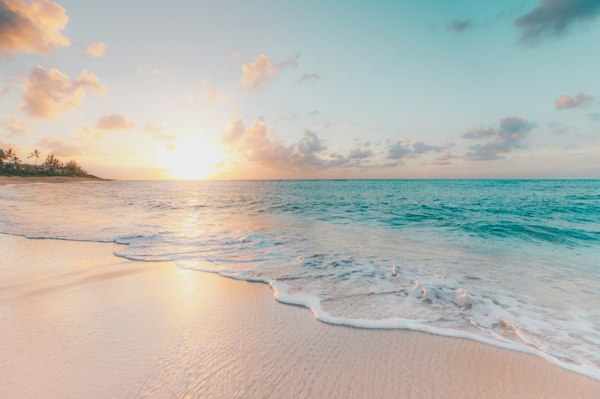
Australia's coastal identity runs deeper than any other aspect of its national character. Eighty-five percent of Australians live within 50 kilometres of the coast, and the country's 50,000km shoreline encompasses everything from Victoria's dramatic ocean-carved limestone stacks to the turquoise coral-fringed bays of tropical Queensland. For first-time visitors, the challenge isn't finding a good coastal experience — it's knowing where to begin.
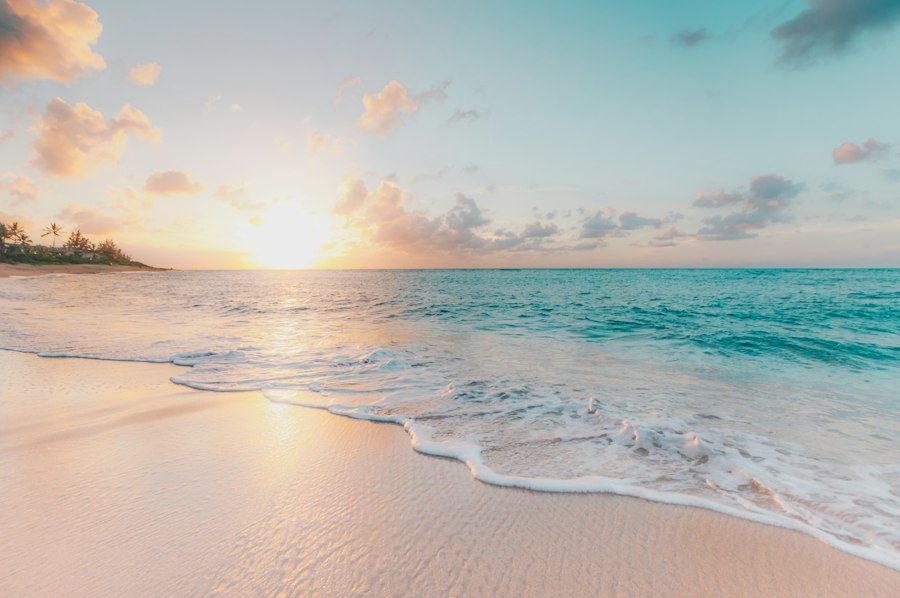
Queensland — 300 days of sunshine and some of the world's best surf breaks
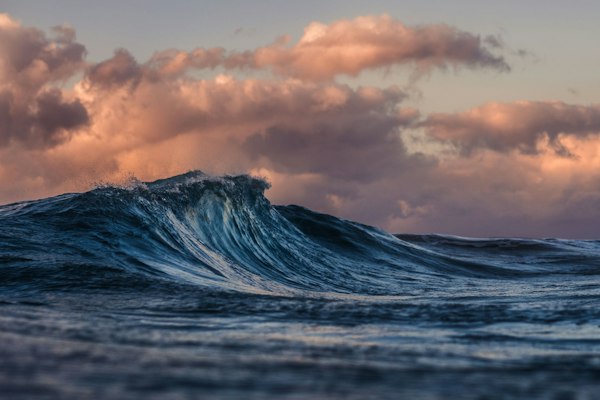
Great Ocean Road — geological drama 250 million years in the making
Magnetic Island — wild koalas and snorkelling on a tropical island escape
Whale season (Jun–Nov) — 35,000 humpbacks migrate the east coast annually
Whitehaven Beach — voted one of the world's most beautiful beaches
The Case for Coast
Why Coastal Tours for First-Time Visitors?
Australia is, in fundamental ways, defined by its coastline. The country's entire eastern seaboard, from Cairns to Melbourne, offers an almost continuous sequence of remarkable coastal environments — each distinctly different, none requiring a long drive between them. For first-time visitors without established knowledge of regional geography, this is an important advantage: you can base yourself in Brisbane or Cairns and access extraordinary coastal variety within a single day trip.
Coastal tours also offer exceptional diversity in a single day's programme. A well-designed coastal experience combines ocean views, wildlife encounters, beach activities, coastal village character, fresh seafood, and the particular atmosphere of Australian outdoor culture — the unpretentious confidence that comes from a nation that genuinely lives outside. That combination is harder to replicate in any other type of tour experience.
25+
Coastal Destinations
4.9★
Average Rating
100%
Private Tours
365
Days Available
🏖️
10,685 BeachesYou could visit a different Australian beach every day for 29 years. No other country gives you this kind of variety — tropical, temperate, rugged, sheltered, wild.
🐋
Marine WildlifeHumpback whales, dolphins, dugongs, sea turtles, whale sharks, fur seals, and Little Penguins — all visible from Australian shorelines in their natural state.
🤿
The Great Barrier ReefThe world's largest coral reef system — 2,300km of it — is accessible by day trip from Cairns or Airlie Beach. No other destination offers anything comparable.
🌅
Year-Round BeautyEvery season offers a different coastal region at its peak. Unlike single-season destinations, Australia's coastline has something outstanding in every month of the year.
🏄
Surf CultureAustralia invented modern surf culture, and it's woven into the character of coastal towns from Bells Beach to Byron Bay. Experiencing it first-hand is unmistakably Australian.
🦘
Coastal WildlifeKangaroos on beaches at dawn, koalas in eucalyptus above the high-tide line, kookaburras at coastal picnic areas — the intersection of wildlife and coast is quintessentially Australian.
The Essential Six
Six Essential Coastal Destinations
Australia's coastline is too vast for any single guide to comprehensively cover. These six destinations represent the breadth of what's available — from geological drama to tropical escapism — and form the foundation of any meaningful first coastal visit.
Victoria
Victoria · Southwest Coast · 243km
Great Ocean Road
One of the world's great coastal drives — geology, shipwrecks, and rainforest in one day
The Great Ocean Road was hand-built by returned World War I soldiers as a memorial route along Victoria's southwestern coast. Today it's one of the world's most celebrated coastal drives — a 243km journey through dramatic limestone cliff formations, ancient rainforest valleys, and powerful Southern Ocean scenery. The Twelve Apostles are the centrepiece: sea stacks carved from the cliff face over 10,000 years by relentless wave action, standing up to 45 metres high.
Beyond the Apostles, Loch Ard Gorge tells the story of one of the coast's most dramatic shipwrecks, with two survivors among a crew of 54. The Great Otway National Park provides a surprising hinterland contrast — ancient rainforest and a working lighthouse. Private guided tours stop at the best angles and lesser-known formations that group tour buses bypass entirely.
Tropical paradise with wild koalas, snorkelling bays, and beaches all to yourself
Magnetic Island is 52 square kilometres of national park-covered tropical island, accessible by 20-minute ferry from Townsville. It's home to one of Australia's highest concentrations of wild koalas — not in a sanctuary, not in a zoo, but in the eucalyptus trees above the walking trails, undisturbed and entirely genuine. The island's secluded bays (Radical Bay, Florence Bay, Nelly Bay) offer exceptional snorkelling in water clear enough to see the seafloor from the surface.
What makes Magnetic Island distinctive for first-time visitors is its combination of accessibility and genuine remoteness. Despite being close to Townsville, many of its best beaches can only be reached on foot, which means they're genuinely quiet even during peak season. The fortress ruins dating from World War II sit above the northern headland, offering extraordinary views across the Coral Sea.
Best SeasonApr–Nov (Dry Season)
Tour LengthFull day
Skill LevelAll — light walking
FromTownsville / Cairns
Wild KoalasSnorkellingSecluded BeachesWWII History
Pristine beaches, lush hinterland, and a pace of life that recalibrates your entire perspective
The Sunshine Coast sits an hour north of Brisbane and offers something rare: a major Australian tourism region that hasn't compromised its natural character in pursuit of visitor numbers. Noosa Heads, at the northern end, is bounded by a national park on its doorstep — koalas visible from the beach, dolphins in the surf. Coolum and Peregian beaches further south are uncrowded, consistently beautiful, and genuinely local.
What separates the Sunshine Coast from other Queensland coastal destinations is the hinterland. Glass House Mountains — volcanic plugs rising dramatically from the coastal plain — are visible from the beach and accessible within 45 minutes. Montville and Maleny in the hinterland offer artisan food, rainforest trails, and panoramic coastal views. Day tours combining beach and hinterland offer one of Queensland's most complete experiences.
Best SeasonYear-round
Tour LengthFull or half-day
Skill LevelAll
FromBrisbane / Gold Coast
Noosa National ParkDolphinsGlass House MtnsHinterland Villages
Australia's most famous surf coast — beaches, hinterland gorges, and spectacular wildlife within the same day
The Gold Coast is Australia's most visited coastal destination, and the reputation is earned — 57 continuous kilometres of surf beaches backed by a remarkable hinterland of volcanic gorges, ancient rainforest, and one of the most accessible national parks in the country. Burleigh Heads, at the southern end, offers headland walks through coastal heath with dolphins visible below; Surfers Paradise delivers the skyline-meets-surf experience; Coolangatta has the laid-back break that produces the country's best junior surfers.
The Gold Coast hinterland — Lamington National Park, Natural Bridge, Springbrook — is within 90 minutes of the beach and offers a complete contrast. Ancient Antarctic beech forest, glow-worm caves, and waterfalls running on wet-season reserves make it one of Australia's most impressive day trip destinations, routinely overlooked by visitors who never venture off the coast. Combining beach and hinterland in a single day gives Gold Coast its strongest argument as a base for exploring.
Bohemian culture, lighthouse walks, dolphins year-round, and Australia's most easterly sunrise
Byron Bay occupies a unique position in Australia's coastal landscape — literally its most easterly point, where Australia greets each day's first sunrise. The lighthouse at Cape Byron sits atop a headland above one of the country's best coastal walks, with clear views north to Queensland and south along miles of undeveloped beach. Dolphins are present year-round in the bay below, and migrating whales pass through from May to November.
What makes Byron distinctive beyond its geography is its character. The town has maintained an alternative, arts-rich atmosphere that resists the homogenisation of other tourist destinations. The food scene is exceptional, the farmers' market on a Thursday morning is genuinely wonderful, and the surrounding hinterland — Nimbin, Bangalow, the Border Ranges — offers a cultural experience unlike anywhere else on the east coast. For first-time visitors wanting more than beach, Byron Bay delivers.
Best SeasonAutumn & spring
Tour LengthFull day
Skill LevelAll
FromGold Coast / Brisbane
Lighthouse WalkDolphins Year-RoundWhale SeasonCultural Scene
Whitehaven Beach, Heart Reef, and the inner Great Barrier Reef — the complete tropical island picture
The Whitsundays are Australia's tropical island archipelago — 74 islands scattered across 40km of the Coral Sea, collectively forming one of the country's most photographed and sought-after destinations. Whitehaven Beach on Whitsunday Island is made of 98% pure silica sand — a geological anomaly that produces the white-that-doesn't-burn-your-feet quality that distinguishes it from every other beach on earth. Hill Inlet lookout above it shows the swirling tidal patterns of white sand and turquoise water that have become one of Australia's most recognisable images.
The Whitsundays also provide the best access point to the inner Great Barrier Reef, where snorkelling at Knuckle Reef or Hardy Reef reveals coral systems still largely intact. Sailing is the most atmospheric way to experience the islands — watching the sun set from a deck between islands is a complete experience that no land-based accommodation can replicate. Day and multi-day sailing tours operate from Airlie Beach.
Australia's diverse climate means different coastal regions reach their peak at different times of year. The key insight is that there is no bad season for coastal travel in Australia — there are simply different coasts for different seasons. Planning your itinerary around the seasonal calendar is the single most effective way to upgrade your coastal experience.
☀️ Summer · December–February
Best DestinationsCairns, Tropical North QLD, Whitsundays (if diving — excellent visibility)
ConditionsHot, humid in tropics (28–35°C), strong UV, afternoon storms in far north. Ideal beach weather in Sydney.
HighlightsTropical beach at peak colour, reef visibility good, Christmas festive atmosphere in coastal towns
Watch ForBox jellyfish in tropical north (stinger suits required Oct–May), holiday crowds Dec–Jan, higher prices
🍂 Autumn · March–May
Best DestinationsGreat Ocean Road, Sydney coastal walks, Byron Bay, Sunshine Coast
HighlightsGreat Ocean Road at its most photogenic — soft autumn light on the limestone stacks. Byron Bay without summer crowds. Vivid Sydney in late May.
Watch ForSome coastal storms possible from March, water temperatures cooling in southern regions by May
❄️ Winter · June–August
Best DestinationsGold Coast, Brisbane, Sunshine Coast, Cairns, Magnetic Island
ConditionsQueensland: 18–26°C, clear and dry. Southern states: cold. NT/Outback: perfect dry season conditions.
HighlightsHumpback whale migration along the entire east coast (Jun–Nov) — world-class whale watching. Best reef visibility. Hinterland trails at peak condition.
Watch ForSchool holiday price spike late June / early July. Southern states genuinely cold — pack for both if travelling both regions.
🌸 Spring · September–November
Best DestinationsGreat Ocean Road, Gold Coast hinterland, Whitsundays, Byron Bay
HighlightsGreat Ocean Road wildflowers, Whitsundays dry season extending into October, Byron Bay shoulder season value, reef conditions still excellent
Watch ForSummer stinger season beginning in far tropical north from November — stinger suits advised Cairns region from Oct onwards
Our seasonal recommendation for first-time visitors: If your dates are flexible, April–May or September–October are the most universally excellent windows for east coast coastal travel. Both regions — Queensland and Victoria — are at or near peak condition simultaneously, allowing a single trip to cover multiple very different coastal environments without seasonal compromise.
Every stretch of Australian coast tells a different story. The Great Ocean Road reads like a geological text. Magnetic Island feels like the world forgot to modernise it. And the Gold Coast hinterland, an hour from the beach, feels like it belongs to an entirely different continent.
— Cooee Tours Coastal Guide · Queensland & Victoria
The Cooee Difference
What Makes Cooee Coastal Tours Different?
Private guided coastal tours exist across the industry. What separates Cooee is the depth of local knowledge our guides carry, and the genuine flexibility of our itineraries. We've spent years learning which coastal viewpoints deliver the best light at which time of day, which beaches stay quiet when the crowds hit the popular ones, and which local seafood spots serve the catch of that morning rather than the catch from a frozen wholesaler three days ago.
📅
Seasonal OptimisationWe don't run the same itinerary in June that we run in December. Every tour adapts to seasonal conditions, wildlife activity, crowd patterns, and the specific coastal character of each region at that time of year.
🔒
100% Private ToursYour group, your pace, your interests. If you want an extra hour at the best beach you've ever seen, you get it. If you'd rather skip a viewpoint for a hidden cove our guide knows, no problem — complete flexibility is built in.
🗺️
Local Coastal KnowledgeOur guides are coastal locals. They know the secret swimming spots invisible from the road, the best photography angles for each limestone stack, the quietest beach on a public holiday, and where to eat that doesn't serve tourists on a conveyor belt.
🐬
Wildlife ExpertiseCoastal wildlife encounters require timing, positioning, and patience. Our guides know where the dolphins patrol at dawn, when the koalas are most active on Magnetic Island's trails, and which headlands the whales pass closest to.
📷
Photography-ConsciousWe understand that coastal scenery deserves to be photographed properly. We time arrivals at the Twelve Apostles for golden hour when possible, allow generous time at viewpoints, and guide guests to angles the standard tour buses never stop for.
⛅
Weather ContingencyCoastal weather is inherently variable. Every Cooee tour has a Plan B — alternative routes, sheltered locations, and indoor coastal experiences that make a changeable weather day genuinely enjoyable rather than disappointing.
Come Prepared
What to Pack for Coastal Tours
Australian coastal conditions span a wider range than most visitors anticipate — from tropical heat and humidity in Cairns to bracing Southern Ocean wind on the Great Ocean Road. Packing depends heavily on which region you're visiting and what season. See our full Australia Packing List for comprehensive guidance. For coastal-specific preparation, these are the essentials:
🌞 Sun & Heat Protection
SPF 50+ SunscreenAustralian UV index regularly reaches 11+ (Extreme). Apply 20 minutes before exposure, reapply every 90 minutes, and don't skip it on overcast days — cloud cover does not block UV effectively in Australia.
Wide-Brimmed HatNot optional. A hat with a 7cm+ brim provides significant UV protection to face, neck, and ears — areas most prone to sunburn on ocean-facing walks.
UV SunglassesCoastal glare off water dramatically increases UV exposure to eyes. Quality UV-blocking sunglasses are essential on reef days, beach days, and particularly on coastal drives.
🏖️ Beach & Water Essentials
SwimwearSuitable for both swimming and snorkelling — a rashguard or swim shirt adds sun protection without a stinger suit (required on reef tours and tropical beaches Oct–May).
Quick-Dry TowelMicrofibre travel towels are compact and dry rapidly — essential if you're moving between locations. Avoid taking the hotel's good towels to beaches.
Water ShoesRocky headlands, reef entry points, and some beach access paths benefit from light water shoes — particularly on reef tours where sharp coral can be present near entry/exit zones.
👟 Footwear & Clothing Layers
Comfortable Walking ShoesClosed-toe shoes are required for some national park trails (particularly Great Ocean Road and hinterland walks). Sandals or thongs are fine for beach sections — bring both.
Light Jacket or WindshellCoastal breezes cool rapidly after sunset on southern coasts and can be brisk year-round at elevated lookout points. A light windproof layer packs small and earns its weight on every coastal tour.
Layering StrategyFor tours combining beach and hinterland (Gold Coast, Sunshine Coast), dress in removable layers — temperatures can vary 8–10°C between the beach at 9am and a rainforest plateau at midday.
📸 Photography & Tech
Camera with Spare BatteryFull-day coastal tours regularly consume a camera battery or more. Salt air and sun-heated bags accelerate battery drain — carry a spare and a portable charger for phones.
Waterproof Phone CaseSaltwater and phones do not mix. Reef tours, kayaking, coastal walks with spray, and even boat transfers create real moisture exposure risk — a waterproof case pays for itself immediately.
Polarising FilterFor camera users, a circular polarising filter dramatically improves coastal photography — cutting surface glare from ocean and rock pools and bringing out the true colour of the water.
Coastal safety reminder: Always swim at patrolled beaches between the red and yellow flags. Never turn your back on ocean waves on exposed coasts — the Great Ocean Road in particular has powerful Southern Ocean swells that are unpredictable even on calm days. Follow your guide's advice at all coastal locations, and check marine stinger conditions before swimming in tropical north Queensland from October through May.
Real Experiences
What Coastal Travellers Say
★★★★★
The Great Ocean Road tour exceeded every expectation. Our guide Jake knew every viewpoint, took us to hidden beaches the tour buses never stop at, and timed our arrival at the Twelve Apostles perfectly for the late afternoon light. We got shots I didn't think were possible. Best single day of our Australian trip — by a significant margin.
— Michael & Lisa T., Canada · Great Ocean Road Private Tour
★★★★★
Magnetic Island was pure paradise. Wild koalas in the trees above the walking trail, snorkelling in water so clear you could see individual fish from the surface, and entire beaches entirely to ourselves. The private tour format meant we skipped the crowded ferry landing entirely and spent the extra time at our favourite bay. Worth every dollar without hesitation.
— Sophie L., United Kingdom · Magnetic Island Private Experience
★★★★★
As first-time visitors to Australia we had no idea where to start with the coast. Cooee helped us plan the perfect combination — Gold Coast beaches, Byron Bay cultural experience, Sunshine Coast hinterland. Each destination was completely different and completely spectacular. Their seasonal advice for our May visit was spot-on — beautiful weather, zero crowds.
— Robert & Jennifer K., United States · East Coast Multi-Tour Package
★★★★★
We saw three humpback whales breaching from the Gold Coast headland on our winter coastal tour — something I'd never in my life have found on my own. Our guide knew exactly where to position us and for how long. Then hinterland waterfalls an hour later. One day, two completely different worlds. Cooee makes Australia feel genuinely limitless.
— Priya M., Singapore · Gold Coast Winter Coastal Tour
Stay Safe
Coastal Safety for First-Time Visitors
Australia's coastline is extraordinary and overwhelmingly safe when you follow a few straightforward protocols. First-time visitors occasionally underestimate the power of Australian surf beaches and the intensity of coastal UV exposure. Understanding both before you arrive makes for a safer and more comfortable trip.
🚩
Swim Between the FlagsRed and yellow flags mark the area supervised by surf lifesavers at patrolled beaches. Always swim within this zone — Australian surf beaches have rips and currents that are invisible from the surface. Patrolled beaches save lives every summer; the flags exist for very good reason.
🌊
Respect the Southern OceanThe Great Ocean Road and other exposed southern coasts face powerful swells with no land between them and Antarctica. "Sneaker waves" at lookout platforms and rock formations have killed visitors who stood too close to cliff edges or rocks. Respect all barriers and warning signs.
🪼
Marine Stingers — Tropical NorthBox jellyfish (Chironex fleckeri) pose a serious risk in tropical Queensland coastal waters from approximately October through May. Wear a stinger suit for ocean swimming and snorkelling in this region during these months. Reef tours in this season provide suits — do not snorkel without one in the tropical north wet season.
🐊
Saltwater Crocodiles — Far NorthSaltwater crocodiles inhabit rivers, estuaries, and coastal mangroves in far north Queensland and the Northern Territory. They are genuinely dangerous and not restricted to remote areas — follow all "Crocodile Warning" signs without exception, and do not swim in any waterway without first asking a local guide whether it is safe to do so.
☀️
UV ExposureAustralia's UV index regularly reaches 11–13 (Extreme to Very High) in summer. Fair-skinned visitors from the Northern Hemisphere can burn significantly in under 15 minutes at midday. Slip (on a shirt), Slop (SPF 50+), Slap (on a hat), Seek (shade), Slide (on sunglasses) — Australia's SunSmart campaign has the right idea. Don't skip sunscreen on cloudy days.
💧
Hydration on Coastal WalksThe combination of salt air, sun exposure, and physical activity depletes hydration faster than inland conditions. Carry more water than you think you'll need on coastal walks — particularly on Great Ocean Road headland trails and Noosa National Park tracks where sections can be exposed. Your guide carries emergency water; carry your own as well.
Common Questions
Frequently Asked Questions
Which coastal tours are best for first-time visitors to Australia?+
For first-time visitors, the Great Ocean Road is essential if you're flying into Melbourne — it's one of the world's genuinely great scenic coastal drives and covers geological drama, shipwreck history, and rainforest in a single day. The Gold Coast and Sunshine Coast offer the archetypal Australian beach experience with year-round access and outstanding hinterland day trips. Magnetic Island delivers a tropical island experience unlike anything in southern states. Byron Bay provides bohemian culture and year-round dolphins. The Whitsundays offer the Great Barrier Reef and island sailing experience. Each represents a completely different facet of Australia's 50,000km coastline — ideally, combine two or more for a genuinely comprehensive picture.
What is the best season for coastal tours in Australia?+
It varies significantly by region, which is actually good news — there is no single "bad season" for Australian coastal travel, just different coasts for different seasons. Queensland (Gold Coast, Sunshine Coast, Cairns) is outstanding in winter (June–August) — mild, dry, and uncrowded. The tropical north (Cairns, Whitsundays, Magnetic Island) is best April–October during the dry season. The Great Ocean Road is superb in autumn (March–May) and spring (September–November) when the light is at its best and crowds are thinner. If your dates are flexible, April–May or September–October are the most universally excellent windows for east coast coastal travel — both Queensland and Victoria are near-peak simultaneously.
Are coastal tours suitable for families with children?+
Yes — all Cooee coastal tours are family-friendly and fully customisable for families with children of all ages. Beach activities, wildlife spotting (particularly wild koalas on Magnetic Island, dolphins at Noosa, and kangaroos at coastal heath at dusk), easy walking trails, and swimming are all excellent for children. Private tours are particularly well-suited to families because the pace is entirely yours — rest stops, picnic breaks, and extended time at the spots your children love most are all accommodated. Many families tell us the Sunshine Coast and Gold Coast combinations are the best first Australian coastal experience for children specifically.
What is included in Cooee coastal tours?+
Most coastal tours include hotel pickup and drop-off from major accommodation in Brisbane, Gold Coast, and Cairns; an experienced local guide; comfortable air-conditioned transport; and bottled water. Many tours include lunch at a local coastal venue or refreshments at stops during the day. Specific inclusions vary by tour — all are clearly detailed on individual tour pages and can be customised. Snorkelling gear is included on reef and Magnetic Island tours. The core advantage of private touring with Cooee is that itineraries flex on the day — if you find a spot you love, we stay longer.
Do I need to be physically fit for coastal tours?+
Most coastal tours involve easy to moderate activity. You'll do some walking — typically between 2km and 6km total across the day, with rest breaks and vehicle sections in between. The Great Ocean Road involves the most walking if you take full advantage of all viewpoints, but nothing is mandatory and all activity levels can be accommodated in a private setting. If you have specific mobility considerations, let us know when booking — we have alternative routes and access points for most locations. Snorkelling on reef tours requires basic swimming ability (not strong swimming — calm conditions and shallow reef sections are always included for novices).
Can I see wildlife on coastal tours?+
Wildlife encounters are one of the strongest features of Australian coastal touring. Depending on your destination and season: humpback whales are visible along the entire east coast from June to November (Gold Coast headlands, Hervey Bay, Byron Bay); wild koalas on Magnetic Island are among the most reliable in the country; bottlenose dolphins are present year-round at Noosa and Byron Bay; sea turtles nest at Mon Repos (near Bundaberg, Nov–Feb) and are visible from many reef day trips; Little Penguins emerge at sunset at Penguin Island (WA) and Philip Island (VIC); sea eagles, ospreys, and coastal raptors are regular sightings on Great Ocean Road tours. Your guide knows the seasonal locations and timing for each species.
Ready to Explore Australia's Coast?
Private tours. Expert guides. Seasonally optimised. From the Great Ocean Road's limestone drama to Magnetic Island's wild tropics — we know every beach, headland, and hidden cove worth stopping for.