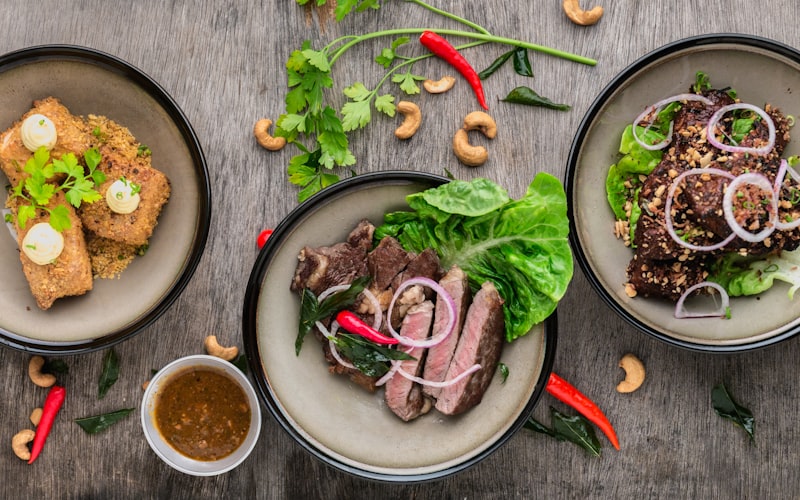
60,000 Years of Culinary Knowledge
Long before modern agriculture transformed the Australian landscape, Indigenous peoples thrived on a diverse array of native plants, fruits, seeds, and proteins that sustained them for over 60,000 years โ making Aboriginal food culture the world's oldest continuous culinary tradition. This ancient knowledge, passed down through countless generations, represents one of humanity's most sophisticated relationships between people, food, and land.
Today, Australian bush foods are experiencing a global renaissance. Once dismissed by European settlers, native ingredients are now celebrated by the world's finest chefs, studied by nutritional scientists, and increasingly sought by health-conscious consumers. Kakadu plum โ with up to 100 times more vitamin C than oranges โ has been named a superfood globally. Finger limes appear on Michelin-starred menus as "citrus caviar." Wattleseed flavours ice creams from Tokyo to London.
Guided bush tucker experiences led by Aboriginal Traditional Owners offer a profound cultural encounter โ not just tasting extraordinary ingredients, but understanding the seasonal knowledge, ceremony, Country connection, and deep ecological intelligence that sustained a civilisation through every climate change, drought, and flood the Australian continent has seen over six hundred centuries.
๐ช Acknowledgment of Country
Cooee Tours acknowledges the Traditional Custodians of all the lands on which we operate and pays respect to Elders past, present, and emerging. We recognise that Aboriginal and Torres Strait Islander peoples hold profound knowledge about Australian bush foods and the environment โ maintained through unbroken connection to Country for tens of thousands of years. Our experiences are developed in partnership with Aboriginal communities and led by their members.
Australia's Remarkable Native Foods
From the tropical rainforests of Far North Queensland to the red heart of the desert โ each ecosystem offers extraordinary ingredients found nowhere else on Earth.
Kakadu Plum
The world's richest natural source of vitamin C โ up to 100 times more than oranges. This small green fruit from Australia's Top End has been a staple food and medicine for Aboriginal peoples for millennia. Its tangy flavour and extraordinary nutritional profile have made it a global superfood sensation.
Finger Limes
Native to Northern NSW and Queensland rainforests, these extraordinary citrus fruits contain tiny pearls that burst with intense lime flavour. Called "citrus caviar" by chefs worldwide, they contain three times the vitamin C of regular limes and appear on menus in top restaurants from Sydney to Tokyo.
Wattleseed
Ground seeds from various acacia species โ traditionally roasted and milled into flour. Today celebrated for its nutty, coffee-chocolate-hazelnut flavour profile. Gluten-free, high in protein, and increasingly popular in everything from breads to ice cream as a distinctly Australian ingredient.
Lemon Myrtle
This aromatic rainforest tree produces leaves with an intense lemon fragrance more concentrated than lemons themselves. Australia's most popular native herb โ used in teas, desserts, savoury dishes, and natural products. Indigenous peoples used it as medicine and flavouring for thousands of years.
Davidson Plum
Deep purple fruits from Queensland rainforests โ intensely tart, exceptionally high in antioxidants. Traditionally eaten fresh or preserved. Modern chefs use these in everything from jams and sauces to cocktails and desserts. 100 times the antioxidants of blueberries.
Macadamia
The only native Australian food to become a major global agricultural crop. Native to Queensland and Northern NSW rainforests, Aboriginal peoples developed the knowledge to crack these incredibly hard shells and prized the rich, buttery nuts for millennia before European arrival.
Bush Tomato
Small, intensely flavoured fruits from desert regions โ traditionally sun-dried and stored year-round. Their concentrated caramel-umami taste bears little resemblance to cultivated tomatoes. Now featured in modern Australian spice blends, sauces, and as a defining flavour of desert country cuisine.
Tasmanian Pepperberry
Native to Tasmania and southeastern Australia, these berries deliver a unique peppery-fruity heat quite different from black pepper. Used by Aboriginal peoples as spice and medicine, pepperberry has gained international acclaim for its complex flavour profile and antimicrobial properties.
Quandong
Known as the "native peach," this bright red fruit from arid regions has been a staple food for desert Aboriginal communities for thousands of years. Rich in vitamin C with a tart, slightly sweet flavour โ used in jams, pies, chutneys, and increasingly in modern Australian desserts.
Saltbush
These hardy plants thrive in Australia's arid interior and coastal areas. Their salty, mineral-rich leaves were used by Aboriginal peoples as both food source and medicine. Now prized by chefs for their unique umami character โ saltbush-crusted lamb has become iconic in modern Australian cuisine.
Warrigal Greens
Also called bower spinach, these coastal plants were among the first Australian native foods adopted by European settlers. Aboriginal peoples gathered the nutritious leaves year-round. Rich in minerals, now experiencing a revival in modern Australian cooking as a unique native green vegetable.
Muntries (Native Cranberry)
These small berries taste like a cross between apple and juniper with a slightly spicy finish. Native to southern coastal regions, gathered and eaten fresh or dried by Aboriginal peoples. Increasingly cultivated and available โ a unique native Australian berry with complex, memorable flavour.
Traditional Knowledge & Seasonal Harvesting
Understanding bush tucker requires understanding the intricate relationship between Indigenous peoples and the Australian landscape. Aboriginal culture operates on a profound principle โ caring for Country, and Country caring for you. This reciprocal relationship extends to food gathering, where knowledge of seasonal cycles, plant behaviour, and environmental indicators determines when and where to harvest.
Many Aboriginal groups recognise six or more seasons based on environmental observations rather than the European calendar. Seasons might be marked by bogong moth migrations, eel movements, specific fruit ripening, or the flowering of particular trees that indicate food availability. This calendar of abundance ensured year-round nutrition and connected people intimately with their environment.
Traditional harvesting was inherently sustainable โ never taking more than needed, understanding breeding cycles and population dynamics, and often actively managing landscapes through controlled burning to increase food productivity. This sophisticated land management is now recognised as essential for landscape health.
Traditional Preparation Methods
- Leaching toxic compounds from seeds and tubers using water and earth ovens
- Grinding seeds on stone grinding surfaces to create nutritious flours
- Roasting, smoking, and sun-drying for preservation across seasons
- Earth oven cooking using heated stones for slow-cooked meats and vegetables
- Fermentation techniques to develop complex flavours
- Specialised tools passed down through generations for processing foods
- Controlled burning to manage landscapes and increase food plant abundance
- Aquaculture systems for eels and fish in permanent water management
Bush Tucker in Pictures
Everything You Need to Know
Aboriginal-Led Tours
Experiences are led by Aboriginal guides who share their personal and cultural connections to these native foods โ not just what plants are edible, but why they matter, their role in ceremony, and their connection to Country and seasons.
Best Season to Visit
Different seasons offer different native ingredients โ there is no single best time. Spring through autumn generally provides the greatest variety of native fruits and seeds. Winter showcases different plant foods and preparation techniques. Year-round availability.
What to Bring
Comfortable walking shoes, sun protection, and a sense of curiosity. No prior knowledge required. All participants receive sample ingredients and take-home recipe resources. Notify operators of any food allergies when booking.
Small Groups
Intimate group sizes ensure personalised interaction with Aboriginal guides. This is not a mass-market experience โ every participant receives genuine engagement with the knowledge holders and has space to ask questions.
Purchasing Bush Foods
We provide information about Indigenous-owned suppliers of native Australian ingredients. When purchasing bush foods, choosing Indigenous-owned businesses ensures the people who hold traditional knowledge benefit economically from their cultural heritage.
Ethical Tourism
Our experiences are developed in partnership with Aboriginal communities. Indigenous people lead these experiences, control how their knowledge is shared, and receive direct economic benefits. You leave with knowledge and genuine respect for a civilisation that has sustained itself here for millennia.
Frequently Asked Questions
Bush tucker refers to native Australian plants, fruits, seeds, nuts, and animals used as food by Aboriginal and Torres Strait Islander peoples for over 60,000 years. It includes ingredients like Kakadu plum, finger limes, wattleseed, quandong, bush tomato, lemon myrtle, and Tasmanian pepperberry โ foods that reflect Australia's extraordinary ecological diversity and the sophisticated knowledge systems Indigenous peoples developed to utilise them.
The bush tucker foods featured in our guided experiences are safe and often commercially available native ingredients. Like any food, individual allergies or sensitivities can occur โ advise operators of dietary requirements when booking. Never gather and eat wild plants without expert guidance โ proper identification is essential, and some look-alikes are toxic without traditional preparation.
Different seasons offer different native ingredients, so there is no single best time. Spring through autumn generally provides the greatest variety of native fruits and seeds. Winter showcases different plant foods and traditional preservation techniques. Traditional Aboriginal seasonal calendars often recognise six or more seasons based on environmental observations โ each with its own distinctive bush tucker profile.
Aboriginal-led tours compensate Indigenous guides above industry standards, purchase native ingredients from Indigenous-owned businesses, and donate a portion of proceeds to cultural preservation initiatives. You directly support Indigenous economic independence and cultural continuity through ethical bush tucker tourism. Look for Supply Nation certified businesses when purchasing bush foods to continue supporting Indigenous enterprises.
Yes โ and we encourage it. Start with dried spices and shelf-stable ingredients like wattleseed, lemon myrtle, or pepperberry. Add lemon myrtle to baking, chicken, or seafood. Mix wattleseed into coffee or chocolate desserts. Use pepperberry on grilled meats. These ingredients are potent โ start with small amounts. We provide recipe cards with all experiences and can recommend Indigenous-owned suppliers for ongoing purchases.
Absolutely โ bush tucker experiences are wonderful for families and children. The combination of hands-on gathering, unusual tastings, storytelling, and nature exploration creates an educational and memorable experience for all ages. Let operators know the age range of your group when booking so they can tailor the experience appropriately.
More Australian Experiences
Experience 60,000 Years of Culinary Heritage
Connect with the world's oldest continuous food culture. Learn from Indigenous knowledge holders who generously share their connection to Country through Australia's remarkable native ingredients.