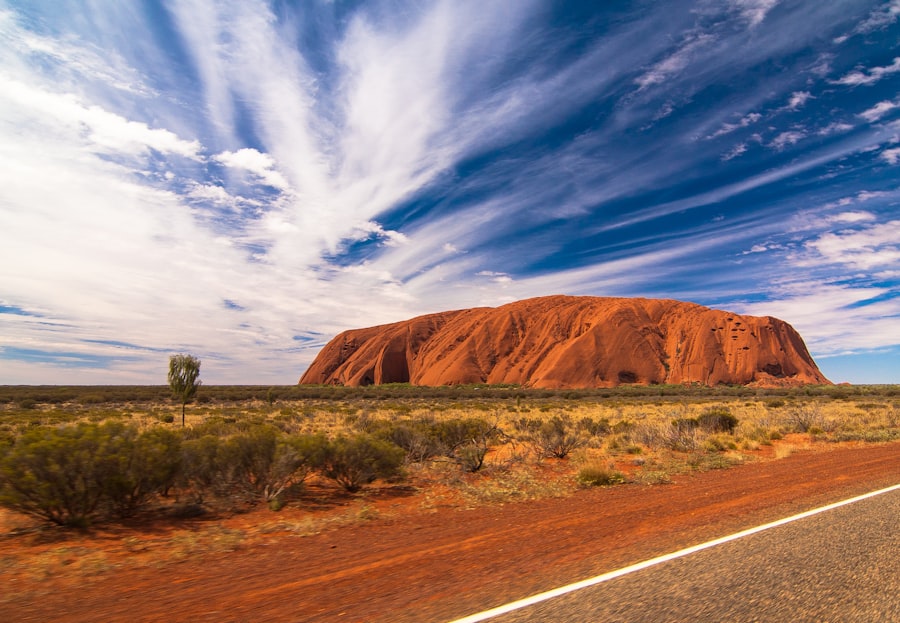
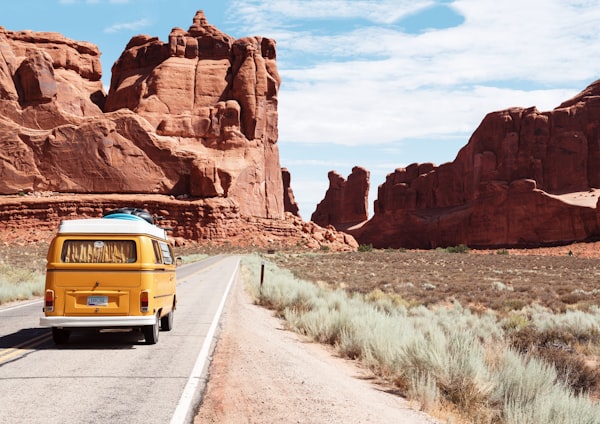
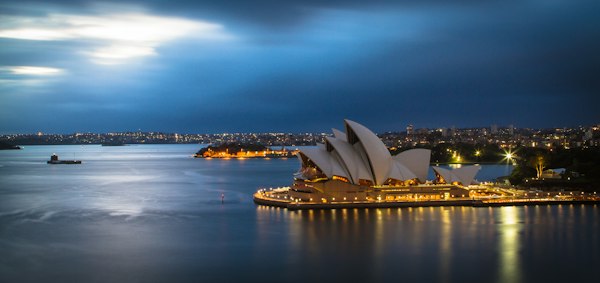
We've lost count of how many visitors have planned a casual drive from Sydney to the Great Barrier Reef, or assumed Melbourne to Uluru was a few hours. Australia's size is genuinely hard to internalise from home. This guide puts real numbers on the distances — so you can build an itinerary that's joyful rather than exhausting.
Just How Big Is Australia?
Australia covers 7.7 million square kilometres — roughly the same as the contiguous United States (excluding Alaska), and larger than all of Western Europe combined. The country stretches 4,000 km east to west and 3,700 km north to south. For context, the distance from London to Istanbul is around 2,800 km. Sydney to Perth is 3,930 km.
What makes this particularly relevant for travel planning: the vast interior — the Outback — is largely uninhabited. Most of Australia's 26 million people live in a handful of coastal cities, and those cities are separated by hundreds to thousands of kilometres of bushland, farmland, and very little in between. You cannot casually travel between them without planning for significant transit time.
The east coast — where most international visitors spend their time — stretches over 2,500 km from the tip of Queensland (Cairns area) down to Victoria (Melbourne). The main tourist centres along this coast alone require careful planning. Add Western Australia, Tasmania, or the Red Centre, and you're looking at a continent-spanning journey.
Visitors frequently plan itineraries that look reasonable on a world map but are, in practice, exhausting. "Sydney, Melbourne, Cairns, Uluru, and Perth in 12 days" is the rough equivalent of planning New York, Miami, Los Angeles, Denver, and Chicago in the same timeframe — by road. Pick fewer places and give yourself time to actually be there.
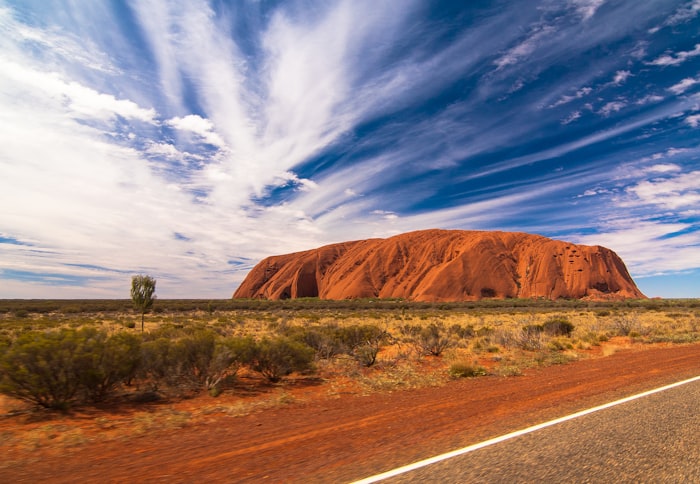
Key Distances and Drive Times
All drive times below are for the fastest road route with no stops. Add 15–20% for fuel stops, meals, and rest breaks. Highlighted rows are routes visitors commonly underestimate — read those with particular care.
| Route | Distance | Drive Time | Flight |
|---|---|---|---|
| Sydney → Melbourne | 880 km | ~9–10 hrs | 1.5 hrs ✈ |
| Sydney → Brisbane | 920 km | ~10 hrs | 1.5 hrs ✈ |
| Sydney → Cairns | 2,500 km | ~28 hrs | 3 hrs ✈ |
| Brisbane → Gold Coast | 80 km | ~1 hr | No flight |
| Brisbane → Cairns | 1,700 km | ~19 hrs | 2.5 hrs ✈ |
| Melbourne → Adelaide | 730 km | ~8 hrs | 1.5 hrs ✈ |
| Gold Coast → Byron Bay | 95 km | ~1.5 hrs | No flight |
| Alice Springs → Uluru | 450 km | ~5 hrs | 45 min ✈ |
| Sydney → Perth | 3,930 km | ~41 hrs | 5 hrs ✈ |
| Cairns → Perth | 5,400 km | ~58 hrs | 6 hrs ✈ |
| Cairns → Daintree NP | 110 km | ~2 hrs | Day trip |
| Melbourne → Great Ocean Road | ~100–250 km | 2–4 hrs to start | Day trip ✓ |
Sydney to Cairns is the same distance as London to Moscow. Sydney to Perth is further than London to Istanbul. These are not road trips; they are cross-continent journeys. Fly between these points unless the drive itself is a multi-day itinerary in its own right.
Comparisons That Make the Scale Click
Abstract kilometres don't always land. Here are comparisons by where you're travelling from:
You would not try to see London, Edinburgh, Paris, and Istanbul in a single week — apply the same logic to Australia. The entire UK fits inside Queensland alone nearly seven times.
Sydney to Perth is roughly New York to Los Angeles. The difference: Americans would fly that route without hesitation. Many Australian visitors plan to drive it.
Most visitors who "do Queensland" see a fraction of one corner of one Australian state.
Should I Fly or Drive?
The general rule: if the drive is more than 5 hours and the road itself isn't the attraction, fly. Domestic flights in Australia are frequent, operated by multiple carriers, and — if booked 4–8 weeks ahead — often cost less than fuel and accommodation for the same journey by road.
- Brisbane → Gold Coast (1 hr)
- Gold Coast → Byron Bay (1.5 hrs)
- Sydney → Blue Mountains (2 hrs)
- Melbourne → Great Ocean Road (2–4 hrs to start)
- Cairns → Daintree Rainforest (2 hrs)
- Cairns → Port Douglas (1 hr)
- Brisbane → Sunshine Coast Hinterland (1.5 hrs)
- Sydney → Melbourne (9 hrs → 1.5 hrs)
- Sydney → Brisbane (10 hrs → 1.5 hrs)
- Brisbane → Cairns (19 hrs → 2.5 hrs)
- Anything → Perth
- Sydney → Uluru/Alice Springs
- Anything involving Tasmania (ferry or fly)
- East coast end-to-end at any speed
Jetstar, Bonza, and Rex operate domestic routes with fares from $60–150 one-way when booked 4–8 weeks ahead. Even Qantas runs sale fares on major routes. For the cost of fuel, accommodation along a 10-hour drive, and the day you've spent in a car, flying is almost always better value — and gives you an extra day of actual holiday.
Realistic Itineraries by Trip Length
Here's what you can genuinely cover without spending most of your holiday in transit — and the itinerary templates we recommend most often:
Pick fewer places and spend more time in each. The visitors who enjoy their Australian holidays most are consistently the ones who resisted the urge to cram everything in. Australia isn't going anywhere — you can always come back for the parts you missed. For this trip, pick your region, check the distances, and give yourself enough time to actually be present in the places you visit.
Queensland Distances — Where We Operate
Queensland alone covers 1.85 million km² — nearly seven times the size of the UK. Even within this single state, the distances between tourist areas are significant. The good news for southeast Queensland: the Gold Coast, Brisbane, and Sunshine Coast are all within 1–2 hours of each other, making this one of the world's great day-trip zones.
| Route | Distance | Drive | Best Option |
|---|---|---|---|
| Brisbane → Gold Coast | 80 km | ~1 hr | Drive or tour |
| Gold Coast → Byron Bay (NSW) | 95 km | ~1.5 hrs | Day trip ✓ |
| Brisbane → Sunshine Coast | 100 km | ~1.5 hrs | Day trip ✓ |
| Brisbane → Noosa | 150 km | ~2 hrs | Day trip ✓ |
| Gold Coast → Tamborine Mtn | 35 km | ~45 min | Day trip ✓ |
| Gold Coast → Springbrook NP | 40 km | ~1 hr | Day trip ✓ |
| Brisbane → Glass House Mountains | 75 km | ~1 hr | Day trip ✓ |
| Brisbane → Cairns | 1,700 km | ~19 hrs | Fly 2.5 hrs ✈ |
| Cairns → Port Douglas | 70 km | ~1 hr | Day trip ✓ |
| Cairns → Daintree Rainforest | 110 km | ~2 hrs | Day trip ✓ |
| Cairns → Atherton Tablelands | 85 km | ~1.5 hrs | Day trip ✓ |
The practical takeaway: southeast Queensland (Gold Coast, Brisbane, Sunshine Coast) and Cairns are two distinct day-trip ecosystems, separated by a 2.5-hour flight. All Cooee Tours day trips include transport from your accommodation — everything we visit is within comfortable day-trip range, with no car hire required.