You don't need a zoo. Kangaroos graze on golf courses at dawn. Koalas sleep in suburban eucalyptus trees. Humpback whales pass close enough to touch the coast. Here is exactly where — and when — to find them.
Cooee Tours Wildlife TeamBrisbane, QLD · Expert naturalist guides across Queensland · Updated March 2026
12 min read
Australia's wildlife is unlike anywhere else on Earth — 80% of the continent's mammals, reptiles, and frogs exist nowhere else. The remarkable thing for visitors is how accessible much of it is. You don't need to go to a wildlife park. Kangaroos appear on golf courses, koalas sleep in public parks, humpback whales pass metres from headlands, and a platypus surfaces in a mountain stream if you know exactly where to wait.
Cape Hillsborough, QLD — kangaroos and wallabies on the beach at sunrise, one of Australia's most iconic wildlife moments
Wild koala — Magnetic Island has one of Australia's highest success rates for spotting them
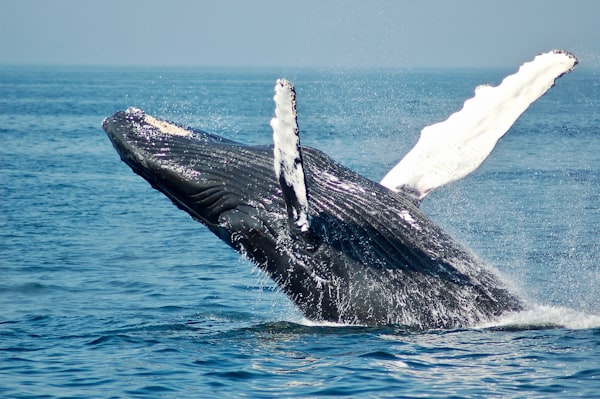
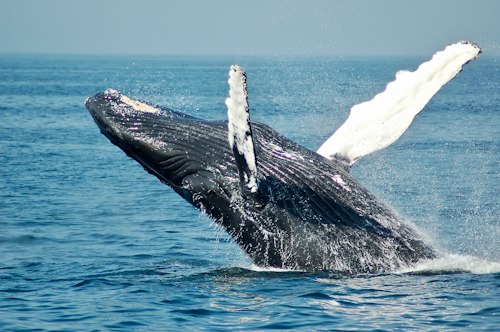
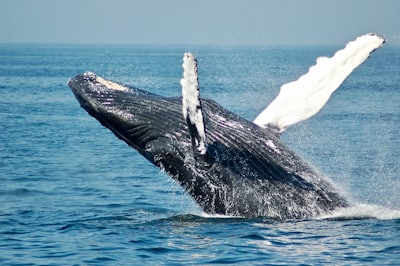
Humpback whale breaching — 40,000 whales migrate up the east coast each year June–November
Green sea turtle on the Great Barrier Reef — six of seven global species found in Australian waters
Rainbow lorikeet — the most instantly startling bird you'll encounter in any Queensland garden
Specimen 01
🦘
Kangaroos & Wallabies
No animal is more synonymous with Australia, and none is more commonly underestimated in terms of accessibility. There are approximately 50 million kangaroos in Australia — roughly twice the human population. Visitors who don't see one are looking in the wrong places, at the wrong times.
SPEC. 01A
🦘 Eastern Grey Kangaroo
● Easy to find🌅 Dawn & dusk📍 Eastern Australia
The eastern grey is the kangaroo most visitors encounter — large, common in open grassland and forest edges, and strikingly relaxed around humans once they've learned you pose no threat. The key is timing: the middle of a sunny day will show you almost nothing. At dawn and dusk, kangaroos emerge from cover to graze in the open, and groups of 10–30 are not unusual in good habitat.
Look on the edges of bushland rather than deep within it — kangaroos prefer the transition zone between trees and open grass. Golf courses, sports ovals at the edge of towns, and roadsides through hinterland areas are consistently productive. National park campgrounds in Queensland and NSW often have resident mobs that have become accustomed to human presence and will graze within metres of tents at dawn.
📍 Best locations in Queensland
Cape Hillsborough (Mackay): Kangaroos and agile wallabies on the beach at sunrise — the most photographed wildlife encounter in QLD. Lamington / O'Reilly's: Wallabies and pademelons around the guesthouse at dusk. Noosa: Eastern greys in Tewantin and on rural roads through the Sunshine Coast hinterland at dawn. Carnarvon Gorge: Rock wallabies on cliff faces. Gold Coast hinterland: Springbrook and Lamington national parks have wallabies on trails at dusk.
SPEC. 01B
🦘 Wallabies — Pademelons, Rock Wallabies & Agile Wallabies
● Easy to find🌅 Dawn & dusk📍 Forests & cliff faces
Smaller than kangaroos and generally shyer, wallabies tend toward scrubby or forested areas rather than open grassland. In the Atherton Tablelands near Cairns, Granite Gorge is a reliable spot for nailtail rock-wallabies that have become habituated to visitors. Pademelons (tiny wallabies, barely the size of a rabbit) are found at dusk on rainforest trail edges throughout the Queensland hinterland — particularly at O'Reilly's Rainforest Retreat at Lamington, where they emerge onto the lawns reliably at dusk.
Agile wallabies are common across tropical north Queensland — you'll encounter them easily around Cairns and Townsville bushland areas in the early morning.
Specimen 02
🐨
Koalas
The koala is the animal every visitor most wants to see, and the one that most rewards those who know how to look. They are genuinely hard to spot without guidance — grey, motionless, and spending 18–22 hours a day asleep high in eucalyptus canopies, essentially camouflaged balls of fur indistinguishable from a fork in a branch at 15 metres.
SPEC. 02
🐨 Wild Koala
◐ Moderate — patience needed🕐 Any time (20hrs sleep/day)📍 Eucalyptus forest
The technique for finding koalas is the key to success. Start at the ground, not the canopy. Look for scratch marks on smooth-barked eucalyptus trunks — koalas have distinctive paired claw marks on river gums, scribbly gums, and other smooth-barked species. Look for droppings at the base of trees: small, oval pellets with a strong eucalyptus scent, light brown when fresh, darker with age. Then, and only then, look straight up — slowly scanning branch by branch from trunk to canopy. What you're looking for is a round mass that seems too large to be a natural growth, or a fluffy lump wedged in the fork between branches.
Koalas are not uniformly distributed across eucalyptus forest — they favour certain species (particularly broad-leafed ironbark, river red gum, and grey gum) and will return to the same trees repeatedly. Local guides know which trees in each area koalas currently use, making them invaluable for successful spotting.
📍 Best wild koala locations in Queensland
Magnetic Island: Australia's most reliable wild koala spotting — the Forts Walk gives sightings on most visits. Noosa National Park: Particularly the Tanglewood Track. Gold Coast hinterland: Eucalypt corridors along the Springbrook Plateau. Cape Hillsborough: In the eucalypts above the beach wallaby area. Moreton Bay region: Koala corridors around Redland City and Logan.
🌿 Cooee Tours guide insight: Our Gold Coast hinterland tours pass through known koala habitat, and our guides check the specific trees koalas have been using in recent weeks. Wild koalas are never guaranteed on any tour — they are wild animals — but a guide who walks these trails daily transforms success rates dramatically.
Specimen 03
🦆
Platypus
The platypus is Australia's most improbable animal and the wildlife encounter that most visitors consider their holy grail. A semi-aquatic, egg-laying mammal with a duck's bill, beaver's tail, and venomous ankle spurs on the male — when Europeans first encountered it, naturalists back in England genuinely thought Australian colonists were having them on. Seeing one in the wild is genuinely extraordinary.
SPEC. 03
🦆 Platypus
● Difficult — requires effort🌅 Dawn (best) and dusk🗓 Year-round, better cooler months
The platypus is about 40–60 cm long, brown, and incredibly shy. They live in freshwater streams and rivers with stable banks for burrowing, and surface briefly — 30–40 seconds at most — to breathe and feed before diving again. When they surface, you're looking for a small brown torpedo shape cutting a V-shaped ripple across still water. They move quickly and rarely surface in the same spot twice in succession.
The technique: arrive at the water's edge before first light (before 5:30 AM in summer). Choose a spot where you can sit completely still with a clear view of a pool or slow-moving stretch. Silence is non-negotiable — platypus are extremely sensitive to vibration and sound. Sit, wait, and scan the surface patiently. A 30–45 minute wait is typical before a first sighting. Some visits produce nothing. Return visits at the same site within a few days are often more successful, as the animals habituate to your presence.
📍 Most reliable platypus spotting locations
Eungella National Park — Broken River: The Broken River viewing platform is considered one of Australia's most reliable platypus sites. Rangers and guides here have extensive knowledge of individual animals' habits. Atherton Tablelands — Yungaburra: Peterson Creek walking track at dusk, particularly the pools near the village. Tidbinbilla Nature Reserve (near Canberra): Enclosed wetland area, very reliable. Finch Hatton Gorge near Eungella: Early morning creek walks.
Reality check: Platypus sightings are never guaranteed, even at reliable sites. Some dedicated dawn visits produce nothing. A wildlife guide at Broken River or Yungaburra dramatically increases your success rate — they know individual animals' habits, preferred feeding areas, and the exact conditions that make sightings most likely. First-time visitors with a guide see platypus far more reliably than those searching independently.
Specimen 04
🦜
Birds
Australian birdlife is spectacular and, unlike most of the country's wildlife, requires almost no effort to see. You will encounter extraordinary birds simply by existing outdoors in Australia. The difficulty is not finding them — it's identifying what you're looking at, because Australia's bird fauna is so unusual and so varied.
SPEC. 04A
🦜 Common Iconic Birds — Kookaburra, Lorikeet, Cockatoo
● Easy — they come to you🌅 Early morning best📍 Everywhere in eastern Australia
The laughing kookaburra — Australia's most distinctive bird call — announces the morning across eastern Australia with a sound that genuinely sounds like maniacal human laughter. They're bold, perch conspicuously on branches and wires, and will attempt to steal food from your plate if given the opportunity. You will hear one within your first hour in bushland Queensland.
Rainbow lorikeets are among the most visually startling birds in the world. Their combination of scarlet, royal blue, lime green, orange, and yellow is genuinely difficult to believe when seen in person rather than a photograph. They travel in noisy, fast flocks and congregate in any flowering grevillea, banksia, or eucalyptus tree. Walk through any Queensland city park in the morning and you'll find dozens.
Sulphur-crested cockatoos are large, white, extremely loud, and extraordinarily intelligent. They travel in flocks that can number in the hundreds and land in paddocks and parks with the chaos of a small natural disaster. Black cockatoos — slower, more deliberate, and genuinely magnificent — frequent coastal heath and banksia forests.
SPEC. 04B
🦕 Cassowary
◐ Moderate — specific habitat🌅 Early morning📍 Daintree / Mission Beach
The southern cassowary is one of Australia's most extraordinary animals — a flightless bird standing 1.8 metres tall, weighing up to 85 kg, with a prehistoric blue and red neck, a prominent casque (bony helmet) on its head, and claws that can kill. Critically endangered (fewer than 4,000 remain in the wild), cassowaries are found in tropical rainforest in far north Queensland.
Mission Beach and the Daintree are the best locations for cassowary encounters. Mission Beach has a resident population that occasionally wanders through the town. Daintree National Park trails in the early morning provide the best chance in genuine wilderness. Always give cassowaries a wide berth — they are wild animals, not used to humans despite their occasional appearances near tourist areas, and a threatened bird can be dangerous.
📍 Best birding locations beyond common species
Daintree Rainforest: Cassowaries, kingfishers, pittas, and over 430 species total. Atherton Tablelands: Over 300 bird species including golden bowerbirds and tooth-billed bowerbirds. Lamington National Park: Albert's lyrebird (legendary mimic), regent bowerbirds, and paradise riflebirds. Kakadu (Northern Territory): Over 280 species including jabiru, brolgas, and hundreds of waterbirds.
Specimen 05
🐢
Marine Life & Sea Turtles
Australia's marine environment is as remarkable as its terrestrial one. Queensland's coastline and the Great Barrier Reef host some of the most diverse marine ecosystems on the planet — and much of it is accessible by simply putting on a mask and snorkel.
SPEC. 05A
🐢 Sea Turtles
◐ Moderate — reef access needed🗓 Nesting Nov–Mar; year-round at reef📍 QLD coast & Great Barrier Reef
Six of the world's seven marine turtle species are found in Australian waters — an extraordinary statistic. Green and loggerhead turtles are regularly encountered while snorkelling on the Great Barrier Reef, particularly around Heron Island, Lady Elliot Island, and reef sites accessible from the Whitsundays and Cairns. They are generally unhurried and unbothered by snorkellers who approach calmly and do not touch or chase them.
On land, turtle nesting is one of Queensland's great wildlife spectacles. Mon Repos Conservation Park near Bundaberg is the largest loggerhead turtle rookery in the South Pacific — rangers lead guided viewing tours from November to March (nesting) and January to March (hatchlings). The sight of tiny hatchlings making their first run to the ocean under starlight is genuinely moving.
📍 Best sea turtle encounters
Mon Repos (Bundaberg): World-class nesting and hatchling watching, ranger-guided, Nov–Mar. Lady Elliot Island: Manta rays, turtles, and reef sharks in exceptional concentrations. Heron Island: Turtles nesting on-island beaches — most accessible overnight reef turtle experience. Great Barrier Reef (Cairns & Whitsundays day trips): Snorkelling with green and loggerhead turtles almost guaranteed on good reef days.
SPEC. 05B
🐬 Dolphins & Reef Sharks
● Easy on reef trips🕐 Daytime📍 Coast & reef
Bottlenose dolphins are common along the entire Queensland coast and regularly bow-ride the wakes of ferries and tour boats. Headland lookouts at Noosa, Byron Bay, and Burleigh Heads provide land-based dolphin sighting opportunities — particularly in the early morning when dolphins chase baitfish schools through shallow coastal waters.
On the Great Barrier Reef, white-tip and black-tip reef sharks are frequently encountered while snorkelling — small (typically 1–1.5 metres), completely harmless in normal circumstances, and genuinely thrilling to see gliding through coral formations below you. Manta rays, wobbegong sharks, and the occasional whaleshark (particularly around Ningaloo Reef in WA and the outer Great Barrier Reef) elevate reef snorkelling into genuinely extraordinary wildlife experience.
Specimen 06
🐋
Whale Watching
The humpback whale migration along Australia's east coast is one of the great wildlife spectacles on Earth — comparable to the wildebeest migration in scale, but happening just offshore. Approximately 40,000 humpback whales travel north from Antarctic feeding grounds each year to breed in warm tropical waters, then return south with calves. The migration passes close to the Australian coast, with whales regularly visible from headlands and — on a good boat tour — close enough to see individual markings and hear their exhalations.
SPEC. 06
🐋 Humpback Whale
● Easy (in season)🗓 June–November east coast📍 Hervey Bay, Gold Coast, Sydney
At up to 16 metres long and 30,000 kg, a humpback whale surfacing 50 metres from your boat creates an impression that photographs genuinely cannot capture. The sound of a full exhalation — a low, percussive rush of breath that carries across water — arrives a fraction of a second after the sight of the blow, and it recalibrates your sense of scale. Watching a 30-tonne animal launch itself completely clear of the water in a full breach, then land with an explosion of white water, is simply one of the most extraordinary things you can witness in the natural world.
Behaviour to watch for includes breaching (full body launch), tail-slapping (fluke pounding on the water surface — often repeated dozens of times and audible from kilometres away), spy-hopping (vertical rise, head clear of the water, apparently looking around), and pectoral slapping (one flipper lifted and slapped down repeatedly). All of these are most common at Hervey Bay, where the whales rest and socialise during their southward return.
📍 Best whale watching locations on the east coast
Hervey Bay (QLD): Considered one of the top five whale watching destinations in the world. Whales rest in the bay's calm waters on return south (July–November) and are exceptionally active — breaching and tail-slapping for hours. Peak is August–October. Byron Bay (NSW): The cape is a natural aggregation point on the migration route; land and boat viewing both excellent June–November. Sydney Heads: Commercial whale watching trips with very high success rates July–October. Gold Coast / Burleigh Heads: Point Danger and Burleigh Headland offer land-based sightings June–November; commercial tours from the Spit.
🗓 Humpback Whale Season — East Coast Australia
Jan
Feb
Mar
Apr
May
Jun
Good
Jul
Peak
Aug
Peak
Sep
Peak
Oct
Peak
Nov
Good
Dec
🌿 Cooee Tours whale watching: We operate whale watching tours from the Gold Coast during the peak season (July–October), with certified whale-watching vessels and naturalist guides who explain whale behaviour and migration biology in real-time. Our complete whale watching guide covers every east coast departure point in detail.
40,000
Humpbacks migrate annually
Jun–Nov
East coast season
16m
Average humpback length
98%
Peak season sighting rate Hervey Bay
Specimen 07
🌙
Nocturnal Wildlife
A significant proportion of Australia's most interesting mammals are nocturnal — and most visitors never see them, simply because they're not outside at the right time. Possums, sugar gliders, bandicoots, echidnas, owls, and nightjars are all active after dark. The world that exists in Australian bush between 7 PM and midnight is entirely different from the daytime one, and requires a completely different approach.
SPEC. 07A
🌙 Sugar Gliders & Possums
◐ Moderate — guided night walk recommended🌙 After dark📍 Bushland across eastern Australia
Sugar gliders are one of Australia's most magical nocturnal experiences — a small marsupial with a membrane stretching from wrist to ankle that allows it to glide up to 50 metres between trees. Seeing one launch from a trunk, arms extended, and float silently through the canopy to another tree is something genuinely difficult to describe to people who haven't seen it. They're relatively common but almost impossible to find without knowing where to look, and without the red-filtered torch technique that avoids temporarily blinding them.
Common brushtail and ringtail possums are much easier — they're present in virtually every suburban garden in eastern Australia and are highly active after dark. Spotted quolls (cat-sized carnivorous marsupials) and bandicoots are harder to find but occasionally encountered on good nocturnal walks in good habitat.
📍 Best nocturnal wildlife experiences
O'Reilly's Rainforest Retreat (Lamington): Guided nocturnal walks are legendary — platypus, possums, sugar gliders, and owls. Atherton Tablelands: Exceptional nocturnal walks — ringtail possums, green ringtails, spotted quolls, and more. Springbrook NP (Gold Coast hinterland): Glow worms in the Natural Bridge cave plus nocturnal wildlife on the plateau. Daintree Rainforest: Boyd's forest dragon, tree frogs, and rainforest possums.
SPEC. 07B
🦔 Echidna
◐ Moderate — mainly early morning🌅 Dawn or overcast days📍 Nationwide, all habitats
The short-beaked echidna is one of only five surviving monotremes (egg-laying mammals) in the world and is found across virtually all of Australia — from rainforest to desert. They're solitary, generally slow-moving, and spend most of the day inactive in shade or underground. The best sighting conditions are cool, overcast mornings when they're out foraging for ants and termites. They shuffle across the ground with a characteristic waddle, nose down and quills raised, and are surprisingly well-camouflaged in dry leaf litter despite their distinctive shape.
Echidnas are most often encountered as surprise sightings — walking a bush trail at dawn and nearly stepping on one. In cooler seasons (May–August), when they're more active during daylight, sightings are notably more common at good bush sites across south-east Queensland and northern NSW.
Expert Advice
🔭
Expert Wildlife Spotting Tips
🌅
Timing is the most important variableDawn and dusk are when the vast majority of Australian animals are active. The middle of a sunny day — when most visitors are out exploring — is the worst possible time for wildlife. If you're serious about seeing animals, plan at least one very early morning or late-afternoon session every day.
🤫
Stop walking. Wait. Listen.Most visitors walk trails looking for wildlife and miss almost everything. The wildlife sees you long before you see it and freezes. Stop walking. Stand completely still for 2–3 minutes. Listen carefully — rustling, calls, the snap of a branch. Then look slowly around all levels: ground, mid-canopy, high canopy. You'll be surprised what was there all along.
🧭
A guide transforms your success rateLocal guides know which specific trees the koalas use this month, which stretch of river the platypus favours this week, and which clearing the kangaroos graze at dawn. For hard-to-find species — platypus, koalas, sugar gliders — the difference between a guide and no guide is often the difference between seeing the animal and not.
👀
Look at all levels — up, down, and acrossKoalas and most birds are above you. Echidnas, lizards, and snakes are at ground level. Wallabies and kangaroos are at eye level at the bush edge. Most visitors look ahead and miss animals in the other 80% of the visual field. Consciously scan all levels, especially directly overhead and in peripheral vision.
🔦
Red light for nocturnal wildlifeWhite torch light temporarily blinds nocturnal animals and causes them to freeze or flee. A red-filtered torch (or red cellophane over a regular one) lets you see clearly without disturbing animals. Guided spotlighting tours use professional red-filtered equipment for exactly this reason.
📷
Camera settings for wildlife in low lightDawn and dusk wildlife shots need a fast lens (f/2.8 or wider if possible), high ISO (start at 1600 and adjust), and fast shutter speed (1/500s or faster for moving animals). For static animals like koalas, 1/200s is usually sufficient. Image stabilisation helps enormously in the grey half-light of dawn.
The animals are always there. What changes when you add a guide is your ability to perceive them — which trees to check, which pools to watch, which silence is a koala freeze and which is an empty branch.
— Cooee Tours Head Naturalist Guide · 18 years leading Queensland wildlife walks
Essential Knowledge
⚠️
Safety & Ethical Wildlife Viewing
Australia has a well-deserved reputation for dangerous wildlife — and also a significantly exaggerated one. The reality is that for the vast majority of visitors who exercise basic common sense, Australian wildlife poses no meaningful danger. Here is what you actually need to know.
✓ Never feed wild animalsFeeding wild animals is harmful regardless of how much they seem to enjoy it. It changes natural behaviour, creates human dependency, alters group hierarchies, and in some cases causes direct physical harm (carbohydrate-heavy human food is nutritionally destructive for many species). This includes kangaroos, lorikeets, possums, and any other wildlife you encounter.
✓ Maintain a respectful distanceDon't approach, corner, or chase any wild animal. This means them, not you — they'll tell you when you're too close by showing stress behaviour (looking away rapidly, shuffling position, vocalising). Males kangaroos in particular can kick with enough force to cause serious injury. Always let animals move away at their own pace.
⚠ Snakes: respect, not fearAustralia has some of the world's most venomous snakes and bites on walking trails are extremely rare — snakes actively avoid humans and only bite when cornered or stepped on. Wear closed shoes on all bush trails, watch where you step in rocky and grassy areas, and if you see a snake, stand still and let it move away. Do not approach or attempt to catch it.
⚠ Crocodiles: follow the signs absolutelySaltwater crocodiles are a genuine and significant danger in rivers, estuaries, and some beaches in tropical north Queensland — north of approximately Mackay, and particularly north of Townsville. Obey all warning signs without exception. Never swim in undesignated waterways. Never camp or stand at the water's edge at dawn and dusk in crocodile country. If in doubt, ask a local immediately.
✓ Jellyfish in tropical watersIrukandji and box jellyfish are present in tropical Queensland waters from October to May (wet season). During this period, swim only in designated stinger-netted areas or wear a full stinger suit. Patrolled beaches in Cairns and the Whitsundays have stinger nets in place. Outside wet season (June–September), jellyfish risk drops dramatically and unnetted beaches are generally safe.
✓ Ethical wildlife photographyDo not use flash photography on nocturnal animals — it causes significant stress and temporary blindness. Don't approach koalas to touch or hold them (they are a protected species and stress-related illnesses are a leading cause of koala decline). Don't use call playback recordings to attract birds in sensitive habitat. Leave all wildlife better than you found it.
See Wildlife with a Local Expert
Cooee Tours guides know where the animals are this month — which specific trees, which stretches of river, which trails at which time of day. Small groups, quiet approach, and years of local knowledge make the real difference between hoping to see wildlife and actually seeing it.
Everything visitors commonly ask about seeing Australian wildlife in the wild.
Where can I see kangaroos in the wild in Australia?+
Kangaroos are widespread and surprisingly easy to find once you know the technique: dawn and dusk in open grassy areas near bushland. Golf courses, sports ovals, national park campgrounds, and rural roadsides are all productive. Cape Hillsborough near Mackay (QLD) is the most famous spot — kangaroos and wallabies on the beach at sunrise. The Gold Coast hinterland, Lamington, and Noosa hinterland are all good in Queensland. Further afield, Pebbly Beach in NSW has a resident beach mob, and the Grampians in Victoria are excellent. You don't need a Cooee tour to see kangaroos — but if you want to see them at Cape Hillsborough at dawn, our guided tours handle all logistics.
Can I see koalas in the wild without a tour?+
Yes, with patience and knowledge of where to look. The technique is critical: look for scratch marks on smooth-barked eucalyptus trunks, then droppings at the base of those trees, then look straight up. Magnetic Island is the easiest independent option — the Forts Walk has one of Australia's highest wild koala sighting rates and is self-guided. Noosa National Park is another good self-guided option. A guide dramatically increases your success rate by knowing which specific trees koalas are currently using — in our hinterland tours, guides who walk these trails daily produce sightings far more consistently than independent walkers.
Where is the best place to see a platypus in Australia?+
Eungella National Park (Broken River viewing platform, near Mackay) is the single most reliable platypus site in Australia. The Atherton Tablelands near Yungaburra (Peterson Creek) is excellent and more accessible from Cairns. Tidbinbilla Nature Reserve near Canberra is reliable in an enclosed wetland setting. In all cases: arrive before dawn, sit completely still near slow-moving water, and watch for small V-shaped ripples on the surface. A 30–60 minute patient wait is standard. Guides who know these sites increase success rates enormously — some visits independently produce nothing even at reliable locations.
When is whale watching season in Australia?+
Humpback whale migration along Australia's east coast runs approximately June to November, with peak activity July to October. Hervey Bay (QLD) is considered one of the world's best whale watching destinations — whales pause in the bay's calm waters on their return journey south and are exceptionally active (breaching, tail-slapping, spy-hopping). Peak is August–October. Byron Bay is excellent for land and boat viewing June–November. Sydney Heads has very high sighting rates July–October. The Gold Coast (Point Danger, Burleigh Headland) provides reliable land-based viewing throughout the season. Boat tours provide dramatically closer encounters and almost always produce sightings during peak months.
Is Australian wildlife dangerous to encounter?+
Generally no, with common sense applied. The practical rules: never approach, touch, or feed any wild animal; wear closed shoes on bush trails (snakes avoid humans but don't like being stepped on); obey all crocodile warning signs without exception in tropical north Queensland; swim only in designated areas in tropical waters October–May (jellyfish season); and give large male kangaroos a wide berth (they can kick with real force). Australia's dangerous reputation is largely earned by the ocean and the far north — in most of Queensland's wildlife settings, your biggest risk is sunburn. A local guide familiar with specific hazards in each area is always the most reliable source of up-to-date safety information.
What time of year is best for Australian wildlife in general?+
There is no single best month — each season has distinct wildlife highlights. June–November is humpback whale season. November–March is turtle nesting and hatchling season at Mon Repos. Winter (June–August) is the best time for general Queensland wildlife — cooler weather makes animals more active during daylight, wet season has ended (roads open), and conditions for walking are ideal. Spring (September–October) is excellent for birdlife and animal activity before summer heat sets in. The wet season (December–March) in tropical Queensland produces extraordinary birdlife concentrations but makes some areas inaccessible. For the Gold Coast and south-east Queensland, wildlife spotting is excellent year-round.