Marine Wildlife Capital

Whale Watching

Encounter magnificent sperm whales, playful dolphins, and majestic albatross in Kaikoura's pristine waters

Book Your Tour

New Zealand's Marine Wildlife Paradise

New Zealand manages the fourth largest marine territory in the world and is recognized as a global leader in marine mammal protection. Almost half the world's whale species can be found in New Zealand waters, thanks to food-rich seas and the country's position along major whale migration routes between Antarctica and warmer Pacific waters.

At the heart of New Zealand's whale watching industry is Kaikoura, a small coastal town on the South Island's east coast where the mountains meet the sea in dramatic fashion. This unique location is considered one of the world's premier whale watching destinations, offering year-round opportunities to see giant sperm whales, along with dolphins, seals, and an extraordinary variety of seabirds including the wandering albatross.

What makes Kaikoura so special is its remarkable underwater geography. The Kaikoura Canyon—a two-kilometer-deep underwater canyon system just offshore—creates the perfect conditions for marine life. Here, warm currents from the north collide with colder currents from the south, forcing nutrient-rich water from the deep ocean up toward the surface. This upwelling supports an incredible food chain, from plankton and krill to squid, fish, dolphins, and the giant sperm whales that hunt in these depths.

The story of whale watching in Kaikoura is also a powerful tale of conservation and community. This coastline was once home to a shore-based whaling industry that employed local Māori fishermen to hunt the very sperm whales that today bring thousands of visitors to the region. By the 1920s, whale numbers had declined so drastically that hunting was no longer profitable, and the last whaling stations closed in the 1960s. In the 1980s, facing economic hardship, local stakeholders made a bold decision: to build a tourism industry based on protecting and celebrating these magnificent creatures rather than hunting them. Today, whale watching tourism provides sustainable employment and has helped whale populations recover, embodying the Māori concept of kaitiakitanga—guardianship and protection of the environment.

95% Success Rate Seeing Whales
14+ Whale & Dolphin Species
Year-Round Sperm Whale Viewing
15m Sperm Whale Length

Marine Wildlife Encounters

Kaikoura's nutrient-rich waters support an extraordinary array of marine wildlife. Here's what you can expect to see on your whale watching adventure.
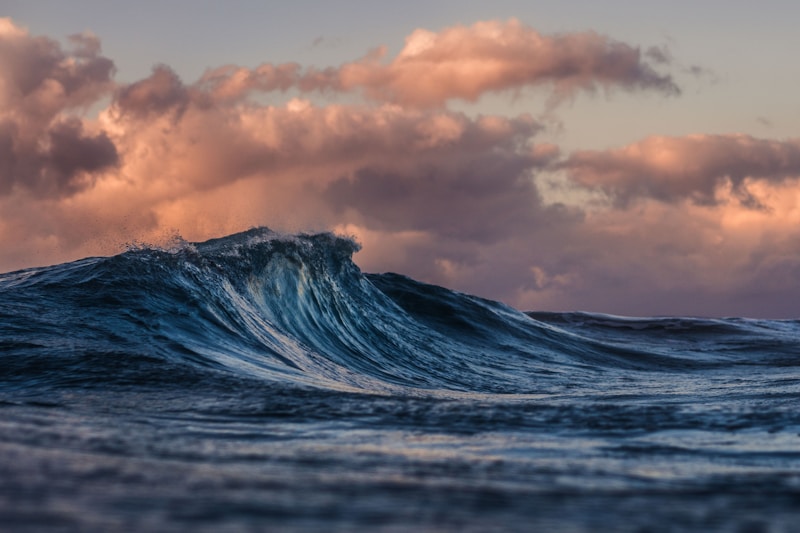
Sperm whale surfacing
Star Attraction

Giant Sperm Whales

The world's largest toothed predator and the main attraction at Kaikoura. Adult male sperm whales can grow up to 15 meters long and dive to depths of over 1,000 meters to hunt giant squid. These magnificent creatures are present year-round in Kaikoura, making this one of the few places on Earth where you can reliably see them.

  • Present: Year-round resident population
  • Size: Up to 15 meters (50 feet) long
  • Behavior: Dive for 40-50 minutes, surface for 10-15 minutes
  • Sightings: 95% success rate on tours
  • Best Viewing: Watch for their distinctive blow and iconic tail flukes before diving
  • Did You Know: Can hold their breath for over 90 minutes

Sperm whales are attracted to Kaikoura's deep canyons where they hunt for their preferred prey—giant squid. Tours use hydrophones (underwater microphones) to listen for the whales' echolocation clicks, allowing guides to track their location even when they're deep below the surface. When a whale surfaces to breathe, you'll see its distinctive bushy blow (exhaled breath) shooting up to 3 meters high, followed by a chance to photograph the iconic tail flukes as it dives.
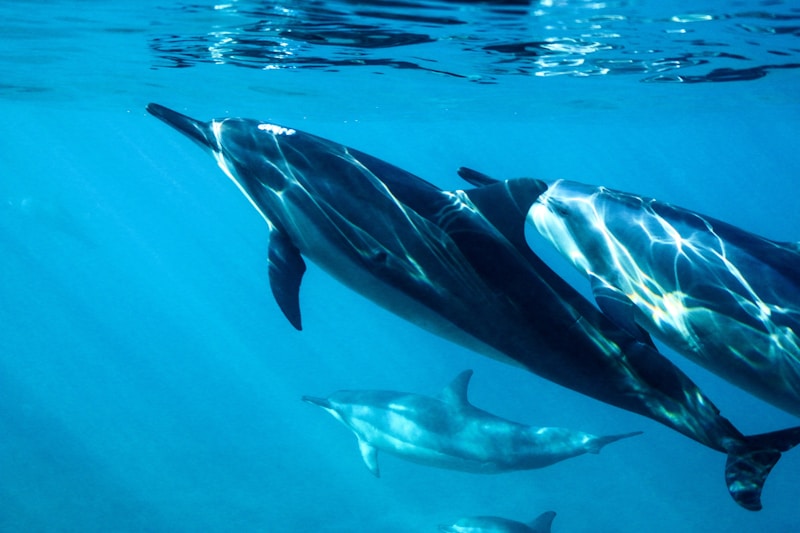
Dusky dolphins jumping
Acrobatic Performers

Dusky Dolphins

Thousands of playful dusky dolphins call Kaikoura home year-round, making them the most commonly encountered cetacean. These highly social and acrobatic dolphins are famous for their spectacular aerial displays, often leaping and spinning in coordinated group performances that delight onlookers.

  • Present: Year-round in large pods
  • Pod Size: Several dolphins to over 1,000 individuals
  • Behavior: Acrobatic leaps, spins, and bow-riding
  • Viewing: Often seen during whale watching tours
  • Unique: Can perform coordinated aerial displays
  • Swimming: Dedicated swim-with-dolphin tours available

Dusky dolphins are incredibly curious and often approach boats, riding the bow waves and putting on spectacular shows. They're most active in the morning and late afternoon, making these prime times for encounters. In addition to whale watching tours, specialized dolphin encounter experiences allow you to swim alongside these playful creatures in their natural habitat—an unforgettable wildlife experience.

Humpback whale breaching
Seasonal Visitors

Humpback & Other Migrating Whales

While sperm whales are the resident stars, Kaikoura lies along major whale migration routes, bringing seasonal visitors. Humpback whales pass through between June and July on their northward migration to Pacific Island breeding grounds, occasionally treating viewers to spectacular breaching displays.

  • Humpbacks: June-July migration, known for breaching
  • Southern Right Whales: May-September sightings
  • Orca (Killer Whales): December-March, hunting season
  • Pilot Whales: Occasional large pods
  • Rare Sightings: Blue, fin, sei, minke, and beaked whales
  • Migration: Whales travel between Antarctica and tropical waters

Each season brings different possibilities. Winter months (June-September) offer the best chances for humpback and southern right whale encounters, while summer (December-March) is prime time for orca sightings as they hunt for stingrays along the coast. Even rarer species like blue whales—the largest animals ever to exist—are occasionally spotted passing through Kaikoura's waters.

New Zealand fur seals
Coastal Residents

New Zealand Fur Seals

An estimated 3,000 New Zealand fur seals inhabit the Kaikoura coastline, lounging on beaches, rocks, and even grassy areas just meters from roads and car parks. The Ohau Point Seal Colony is one of New Zealand's largest breeding colonies and a must-visit stop.

  • Population: ~3,000 in the Kaikoura area
  • Best Viewing: Ohau Point Seal Colony (roadside viewing)
  • Pups: Born December-January, incredibly cute
  • Behavior: Basking, playing, swimming near shore
  • Access: Easy viewing from land, no boat required
  • Safety: Maintain 20m distance, never approach pups

Fur seals are incredibly curious and often approach swimmers and kayakers, though you should never approach them—especially pups, as mothers can be highly protective. The best time to see pups is from December through March when the breeding season is in full swing. Many whale watching tours pass by seal colonies, and dedicated seal swim experiences allow you to snorkel alongside these playful marine mammals.
Albatross in flight
Seabird Spectacular

Albatross & Pelagic Seabirds

Kaikoura offers some of the best pelagic bird watching in the world. The nutrient-rich waters attract an incredible variety of seabirds, with the wandering albatross—boasting a wingspan over 3 meters—being the most spectacular. Twelve different albatross species can be seen here.

  • Wandering Albatross: 3+ meter wingspan, majestic flyers
  • Species: 12 albatross species including royal and Buller's
  • Hutton's Shearwater: Rare species, best viewing here
  • Other Birds: Cape petrels, mollymawks, giant petrels
  • Viewing: Seabirds accompany whale watching boats
  • Behavior: Feeding, soaring, dynamic flight displays

Albatross spend 85% of their lives at sea, landing only to breed, so seeing them in flight against the backdrop of the Kaikoura mountain ranges is truly spectacular. They're masters of dynamic soaring, using wind patterns to travel vast distances with minimal energy. Whale watching boats often attract feeding seabirds, providing incredible photo opportunities as these magnificent birds glide mere meters from the vessel.
Hector's dolphin
Endangered & Rare

Hector's Dolphins & Other Rarities

Kaikoura waters occasionally host Hector's dolphins—the world's smallest and rarest dolphin species, found only in New Zealand. These critically endangered dolphins are distinguished by their rounded dorsal fins and are a special sighting for wildlife enthusiasts.

  • Hector's Dolphins: World's smallest and rarest dolphin
  • Status: Critically endangered, only in NZ waters
  • Size: Just 1.4 meters long at maturity
  • Appearance: Distinctive rounded dorsal fin
  • Also Seen: Common dolphins, bottlenose dolphins
  • Conservation: Protected under NZ law

While dusky dolphins are the most commonly seen, Kaikoura's waters host nine different dolphin species in total. Bottlenose and common dolphins make occasional appearances, each with their own distinctive behaviors and characteristics. Every marine wildlife tour is different—you never know exactly what you'll encounter, making each trip a unique adventure.

Planning Your Whale Watching Experience

Tour Options

  • Boat Tours: 2.5-3 hour cruises on modern catamarans (most popular option)
  • Whale Watch Kaikoura: Māori-owned operator, 95% whale sighting success rate
  • Scenic Flights: 30-minute flights offering aerial views of whales and coastline
  • Helicopter Tours: Thrilling low-level flights over the Kaikoura Range and ocean
  • Dolphin Encounters: Swim with dusky dolphins (separate specialized tours)
  • 80% Refund Guarantee: If no whales spotted on boat tours

What to Expect on Boat Tours

  • Duration: Approximately 3 hours and 15 minutes total including check-in
  • Time on Water: Just over 2 hours on the ocean
  • Vessel: Modern catamaran with indoor/outdoor viewing areas
  • Facilities: Air-conditioned cabin, toilets, large viewing decks
  • Technology: Hydrophones to track whales underwater, GPS tracking
  • Commentary: Expert guides share marine biology and Māori cultural knowledge

Best Times to Visit

  • Sperm Whales: Year-round, present every season
  • Humpback Whales: June-July migration peak
  • Southern Right Whales: May-September sightings
  • Orca: December-March summer visits
  • Winter (Jun-Aug): Migrating whales, dramatic mountain snow backdrop
  • Summer (Dec-Feb): Warmer weather, orca season, calmer seas

Practical Information

  • Cost: Boat tours from NZD $150+ adults, flights from NZD $330+
  • Booking: Essential to book ahead, especially in peak season
  • Duration: Allow full morning or afternoon for boat tours
  • Age Limits: Minimum 3 years old (subject to sea conditions)
  • Seasickness: Take medication 30-60 min before if prone to motion sickness
  • Weather: Tours operate in most conditions; cancellations rare but possible

Getting to Kaikoura & What Else to Do

Location & Access

Kaikoura is located on the east coast of New Zealand's South Island, approximately 180 kilometers (2.5 hours drive) north of Christchurch and 155 kilometers (2 hours) south of Blenheim (gateway to Marlborough wine region). The scenic coastal drive along State Highway 1 is spectacular in itself, with the Pacific Ocean on one side and the dramatic Kaikoura mountain ranges on the other.

Most visitors arrive by rental car as part of a South Island road trip. Intercity buses also connect Kaikoura to Christchurch and Picton. The town itself is small (population ~2,000) but well-equipped for tourism with a good range of accommodation, restaurants, and activities. Many travelers spend 1-2 nights here to experience whale watching and explore the surrounding area.

Other Kaikoura Activities

Kaikoura Peninsula Walkway: A stunning 12km coastal walk offering panoramic views of the ocean, mountains, and seal colonies. Allow 3-4 hours for the full circuit, or do shorter sections. Watch for seals, seabirds, and even dolphins from lookout points along the track.

Seal Swimming & Kayaking: Paddle along the coastline and snorkel with playful fur seals in their natural habitat. Tours provide wetsuits and all equipment. The seals are curious and often approach swimmers for interactive encounters.

Kaikoura Seafood: The town is famous for its fresh crayfish (rock lobster), hence the name Kaikoura which means "meal of crayfish" in Māori. Sample fresh crayfish, pāua (abalone), mussels, and fish at local restaurants and the famous Nin's Bin roadside caravan.

Scenic Walks: Multiple free walking tracks showcase the region's natural beauty including the River Walk, Point Kean Seal Colony, and various waterfall trails through native bush.

Combining with Other Destinations

Kaikoura fits perfectly into South Island itineraries. Combine with Christchurch (gateway city with Antarctic attractions and punting), the Marlborough wine region (world-class Sauvignon Blanc), Abel Tasman National Park (golden beaches and kayaking), or continue south to Queenstown for adventure activities.

Many travelers also combine whale watching with other marine experiences around New Zealand. The Bay of Islands in the North Island offers dolphin swimming, the Hauraki Gulf near Auckland is home to endangered Bryde's whales, and Akaroa near Christchurch has the world's smallest and rarest dolphin—the Hector's dolphin.

Experience World-Class Whale Watching

Let Cooee Tours arrange your Kaikoura whale watching adventure as part of a comprehensive South Island itinerary. We'll ensure you have the best marine wildlife encounters New Zealand has to offer.

Contact Us Today