🥝 New Zealand Travel Planning Guide

The Best Time
to Visit New Zealand

From glacier hikes on the South Island to geothermal Rotorua and the Bay of Islands — New Zealand rewards visitors in every season. Our local experts tell you exactly when to go.

✍️ By Cooee Tours Expert Team 📅 Updated April 2026 ⏱️ 8 min read ⭐ 4.8 · 50,000+ travellers
1,600km
North to South
9
Great Walks
2 Islands
Distinct landscapes & climates
25+ Yrs
Cooee NZ expertise
Quick Answer

When is the best time to visit New Zealand?

The best time to visit New Zealand overall is November–March, when long days, warm temperatures, and open hiking tracks make both islands spectacular. December–February is peak summer — ideal for the Great Walks, beaches, and festivals, though accommodation books out early. March and November are the sweet-spot shoulder months: near-perfect weather, far fewer crowds, and better prices. For skiing at Queenstown or Wanaka, visit June–August. Autumn (March–May) is our personal favourite for its golden Central Otago foliage, harvest festivals, and uncrowded trails.

New Zealand's Seasons — What You Need to Know

New Zealand's seasons are the reverse of the Northern Hemisphere. Summer falls December–February, winter June–August. The country spans 1,600km from subtropical Northland to the sub-Antarctic south — meaning the North and South Islands can have quite different conditions simultaneously.

Unlike Australia, New Zealand doesn't have a "don't go here" season — even winter brings spectacular skiing, dramatic Fiordland, and the Māori celebration of Matariki. This guide is built from our team's decades of leading tours across both islands, so you can match your trip to the season that suits you best.

Milford Sound Fiordland New Zealand, best visited December to March
Milford Sound
Best: Nov–Apr
Queenstown Lake Wakatipu with snow-capped Remarkables mountains, best in winter for skiing
Queenstown
Ski: Jun–Aug
Purple lupins at Lake Tekapo Canterbury New Zealand in spring, November
Lake Tekapo
Lupins: Nov
Autumn foliage in Arrowtown Central Otago New Zealand, March to May
Arrowtown
Autumn: Mar–May

New Zealand's Four Seasons Explained

New Zealand's seasons are the reverse of the Northern Hemisphere. Summer is December–February; winter is June–August. Crucially, the North Island is considerably milder year-round than the alpine South Island.

Abel Tasman coastal track golden sand beach New Zealand in summer
Dec · Jan · Feb
Summer
December · January · February
Peak season — Great Walks, beaches & festivals

New Zealand's most popular season, and for good reason. All nine Great Walks are fully open, alpine passes are snow-free, temperatures reach 20–26°C across both islands, and the days are gloriously long (light until 9:30pm in the south). December and January are the busiest and most expensive weeks — especially between Christmas and New Year. February is slightly quieter as international school terms resume, making it arguably the best summer month. Book accommodation 3–6 months ahead.
Milford Track (open) Abel Tasman Bay of Islands Coromandel beaches Marlborough Wine & Food Festival (Feb) Wellington Fringe (Jan–Feb)
Golden autumn foliage in Arrowtown Central Otago New Zealand in April
Mar · Apr · May
Autumn
March · April · May
Our top pick — golden foliage & harvest season

Locals unanimously recommend autumn as the best time to visit New Zealand. March offers settled, warm weather — often the most reliably sunny month of the year — with summer crowds gone. April and May bring spectacular foliage across Central Otago: Arrowtown's tree-lined streets blaze orange and gold, vineyards in Marlborough and Hawke's Bay harvest their finest grapes, and the trails feel like they belong to you. Prices drop noticeably from April onward. Great Walks remain open through April; some alpine routes close in May.

Arrowtown Autumn Festival (Apr) Marlborough harvest Hawke's Bay wine country Fewer crowds on Great Walks WOMAD Taranaki (Mar) Best value season
Snow-covered Remarkables mountain range above Queenstown in winter, New Zealand
Jun · Jul · Aug
Winter
June · July · August
Skiing, Māori Matariki & dramatic landscapes

New Zealand's winter is cooler and wetter in many regions (6–14°C in the south) but absolutely spectacular in others. Queenstown, Wanaka, and the Mackenzie Basin transform into world-class ski destinations. Milford Sound becomes hauntingly beautiful with waterfalls at full flood. The Māori New Year — Matariki (mid-July) — is celebrated across the country with lantern festivals, dawn ceremonies, and community feasts. North Island cities remain mild (11–15°C) and make excellent year-round city breaks. Prices outside ski resorts are at their lowest.

Queenstown & Wanaka skiing Remarkables & Coronet Peak Matariki — Māori New Year (Jul) Queenstown Winter Festival (Jul) Dramatic Milford Sound Cheapest season outside ski areas
Purple and pink lupins in bloom at Lake Tekapo New Zealand in November spring
Sep · Oct · Nov
Spring
September · October · November
Lupins, lambs & uncrowded trails — a local favourite

Spring is when New Zealand puts on its most photogenic display. The famous lupins around Lake Tekapo and the Mackenzie Country bloom in November — a kaleidoscope of purple, pink, and red against snow-capped peaks. Lambs frolic in roadside paddocks, native birds are most vocal, and the Great Walks begin reopening from late October. Temperatures climb from 10°C in September to 18–22°C by November, with snow still visible on mountaintops for dramatic contrast. River levels are high from snowmelt — ideal for white-water rafting. Prices and crowds remain low until mid-November.

Lake Tekapo lupins (Nov) Great Walks reopen (Oct) White-water rafting (spring rivers) Wildlife & native birdlife Blossom festivals (Hastings, Sep) Shoulder season value
New Zealand's Great Walks

Plan Your Great Walk Around the Season

All nine Great Walks are serviced multi-day treks requiring advance booking. Most open October–April; some are accessible year-round with modifications.

Milford Track
Open: Oct–Apr · Best: Nov–Mar
Kepler Track
Open: Oct–Apr · Best: Nov–Mar
Routeburn Track
Open: Oct–Apr · Best: Nov–Mar
Abel Tasman Coast
Year-round · Best: Dec–Mar
Tongariro N. Circuit
Year-round · Best: Dec–Apr
Heaphy Track
Year-round · Best: Nov–Apr
Whanganui Journey
Oct–Apr · Best: Nov–Mar
Lake Waikaremoana
Year-round · Best: Oct–Apr
Rakiura (Stewart Is.)
Year-round · Best: Nov–Mar

Best Time to Visit — By Region

New Zealand's two main islands have genuinely different climates and experiences. Here's our region-by-region breakdown from guides who've led tours across the entire country.

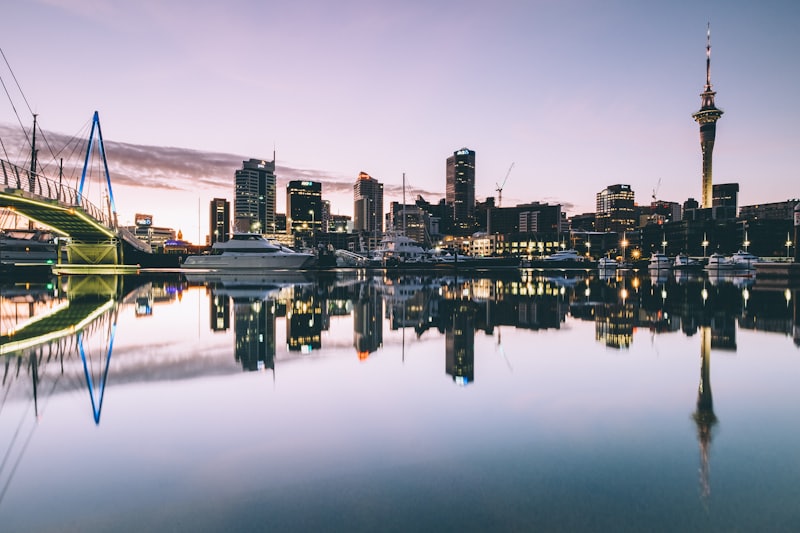
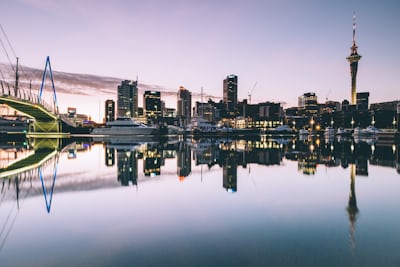
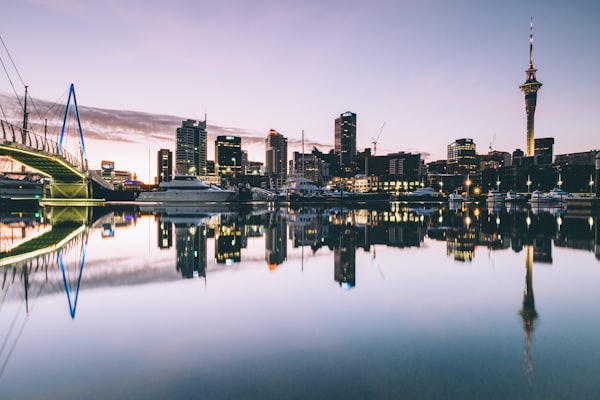
Auckland city skyline and Waitemata Harbour, best visited November to April

Auckland & Northland

Best: Nov–Apr

New Zealand's largest city sits in a warm, subtropical climate — one of the mildest in the country year-round. Northland's Bay of Islands, Cape Reinga, and Ninety Mile Beach are at their best in summer, with waters warm enough for swimming and dolphins easy to spot. Winter is mild (14–17°C) and still very worth visiting for fewer crowds and excellent café culture.

  • Bay of Islands dolphin watching: year-round, peaks Nov–Apr
  • Cape Reinga: accessible year-round, best Oct–Mar
  • Waiheke Island harvest festival: March
  • Auckland's Lantern Festival: February
Rotorua geothermal mud pools and steaming vents, New Zealand North Island

Rotorua & Bay of Plenty

Best: Nov–Apr

Rotorua's geothermal landscape, Māori cultural experiences, mountain biking, and hot pools make it a year-round destination — but summer brings the warmest days for White Island boat tours and kayaking on the Bay of Plenty. Wai-O-Tapu Thermal Wonderland and Waimangu Volcanic Valley are spectacular in any season, as the steam is more dramatic on cool mornings.

  • Whakaari (White Island) tours: year-round, best Nov–Mar
  • Mountain biking Whakarewarewa Forest: year-round
  • Te Puia thermal pools: year-round, iconic at dawn
  • Hot pools most atmospheric: cooler months (May–Sep)
Vineyard in Hawke's Bay New Zealand at harvest time, February to April

Hawke's Bay & East Cape

Best: Jan–Apr

New Zealand's sunniest region — Hawke's Bay averages more sunshine hours than anywhere else in the country. The harvest season (February–April) is peak time for wine touring through the award-winning Gimblett Gravels region. Art Deco Napier is extraordinary at any time but especially during February's Art Deco Weekend. The East Cape offers remote, uncrowded coastline at its best in summer.

  • Art Deco Weekend Napier: February
  • Harvest Hawke's Bay: February–March
  • East Cape road trip: November–April
  • Cape Kidnappers gannet colony: October–April
Wellington harbour and waterfront New Zealand, best November to March

Wellington

Best: Nov–Mar (culture year-round)

New Zealand's compact, walkable capital punches well above its weight for culture, food, coffee, and craft beer. Te Papa Museum, the cable car, and Cuba Street are year-round attractions. Wellington is famously windy ("Windy Welly"), but summer brings long days, outdoor festivals, and the best conditions for exploring the surrounding coast. Winter is lively with the New Zealand Festival in even-numbered years.

  • New Zealand Festival: February–March (even years)
  • Wellington on a Plate food festival: August
  • Te Papa — world-class museum year-round
  • Zealandia wildlife sanctuary: year-round (best at dusk)
Abel Tasman National Park golden beaches and turquoise water Marlborough New Zealand

Marlborough & Nelson

Best: Jan–Apr

The top of the South Island is New Zealand's sunniest, most wine-rich corner. The Marlborough Sounds are magical for kayaking and sailing. The Abel Tasman National Park — New Zealand's most walked Great Walk — is at its absolute peak January through March with golden beaches and calm turquoise waters. The Marlborough Food and Wine Festival in February is a must for any food lover.

  • Marlborough Food & Wine Festival: February
  • Abel Tasman Coast Track: best Dec–Mar, opens year-round
  • Marlborough Sounds kayaking: Nov–Apr
  • Nelson Arts Festival: October
Queenstown Lake Wakatipu with snow-capped Remarkables mountains New Zealand

Queenstown & Fiordland

Best: Dec–Mar (hiking); Jun–Aug (skiing)

New Zealand's adventure capital is genuinely spectacular in every season, which is why it's booked out year-round. Summer brings hiking on the Milford and Routeburn Tracks, bungee jumping, jet boating, and long golden evenings over Lake Wakatipu. Winter transforms it into a world-class ski hub with Coronet Peak and The Remarkables opening June–October. Milford Sound is magnificent year-round — its 182 waterfalls are most powerful after rain, which falls about 200 days a year.

  • Milford Track: book huts 6–12 months ahead for peak months
  • Queenstown Winter Festival: late June/early July
  • Milford Sound cruises: year-round, stunning after rain
  • Routeburn Track: best Nov–Mar before alpine snow
Franz Josef Glacier ice cave and blue ice New Zealand West Coast

West Coast & Glaciers

Best: Dec–Mar

The West Coast is one of New Zealand's wildest, wettest, most dramatic regions — and all the better for it. Franz Josef Glacier and Fox Glacier are accessible year-round for heli-hikes, but clear weather (required for glacier flights) is most reliable November–March. The Pancake Rocks at Punakaiki are extraordinary in any weather. Understand that the West Coast averages 5,000mm of rain per year — bring a quality waterproof and embrace the drama.

  • Glacier heli-hike flights: best weather Dec–Feb
  • Pancake Rocks & Blowholes: year-round
  • Haast Pass road trip: best Nov–Apr
  • Glowworm caves Westport area: year-round
Lake Tekapo lupins with Aoraki Mount Cook in background Canterbury New Zealand

Canterbury & Aoraki Mt Cook

Best: Nov–Mar

The vast Canterbury Plains roll from Christchurch's revitalized garden city to the foot of Aoraki/Mount Cook — New Zealand's highest peak. Lake Tekapo's famous lupins bloom in November (a fleeting window not to miss). The Mackenzie Basin is one of the world's best dark-sky reserves, with year-round stargazing. Summer brings hiking in the Hooker Valley. Winter cloaks the entire region in snow, making it dramatically beautiful but challenging to navigate.

  • Lake Tekapo lupins: November (brief but unmissable)
  • Hooker Valley Track Aoraki: best Nov–Apr, year-round possible
  • Stargazing Tekapo: year-round (darkest: autumn/winter)
  • Christchurch Botanic Gardens: spring blossoms Sep–Nov

When to Visit New Zealand — At a Glance

Quick-reference guide to peak, good, shoulder, and off-peak months across New Zealand's key regions and activities.

Monthly travel ratings for New Zealand regions: Peak, Good, OK, or Avoid
Region / Activity JanFebMarApr MayJunJulAug SepOctNovDec
Auckland & NorthlandPeakPeakGoodGoodOKOKOKOKGoodGoodPeakPeak
Rotorua & Bay of PlentyPeakPeakGoodGoodOKOKOKOKOKGoodPeakPeak
Hawke's Bay (wine)PeakPeakPeakPeakOKOKOKGoodGoodGood
WellingtonPeakPeakGoodGoodOKOKOKOKGoodGoodPeakPeak
Marlborough & Abel TasmanPeakPeakPeakGoodOKOKOKGoodPeakPeak
Queenstown (hiking)PeakPeakPeakGoodOKOKGoodPeakPeak
Queenstown (skiing)OKSkiSkiSkiSkiOK
West Coast & GlaciersPeakPeakGoodOKOKGoodPeakPeak
Canterbury & Mt CookPeakPeakGoodOKOKGoodPeakPeak
Nine Great Walks (open)PeakPeakPeakGoodOKGoodPeakPeak
Peak season — book well ahead
Good conditions
Ski season
Manageable shoulder
Off-peak / closed for that region

Insider Tips From Our NZ Guides

Advice from our team who have led tours across New Zealand for over two decades — things most guides won't tell you.

Book Great Walks Months Ahead

The Milford Track — often called the world's finest walk — books out in literally minutes when the booking window opens each year. For the December–February peak, book 6–12 months in advance through DOC (Department of Conservation). Don't leave it to chance; this walk is a once-in-a-lifetime experience.

Time Your Trip for Harvest

February–April is harvest season across Marlborough, Hawke's Bay, Central Otago, and Martinborough. Vineyard cellar doors are buzzing, festivals fill the calendar, and food is at its freshest. The Marlborough Food and Wine Festival in February is one of New Zealand's great events — book accommodation at least 6 months out.

See the Lupins — But Time It Precisely

The famous lupins around Lake Tekapo typically bloom for just 2–3 weeks in November. The exact timing shifts by up to two weeks year to year depending on temperatures. Monitor New Zealand travel blogs and Instagram in late October — then move fast. This is one of the most photographed sights in the Southern Hemisphere.

Stargaze in the Mackenzie Basin

The Aoraki Mackenzie International Dark Sky Reserve is one of the world's premier stargazing destinations. It's spectacular year-round, but winter and autumn (April–August) offer the darkest, clearest nights. Lake Tekapo's Earth and Sky observatory runs nightly tours. Combine stargazing with a soak in the hot springs for an unforgettable evening.

Milford Sound Is Best After Rain

The most common complaint about Milford Sound is the rain — but locals know that's exactly when it's most spectacular. Hundreds of temporary waterfalls appear on the sheer cliffs after downpours, adding to the drama of the permanent falls. Bring a quality waterproof and embrace the moody fjord atmosphere. Clear days are beautiful; rainy days are unforgettable.

Ski Season Starts Early

New Zealand's ski season typically opens late June and runs through October, making it the perfect Southern Hemisphere extension for Northern Hemisphere ski enthusiasts. Queenstown's Coronet Peak and The Remarkables are the most famous fields. Wanaka's Treble Cone is arguably the best terrain. Book ski accommodation in July 3–4 months ahead — it's extremely popular with Australian skiers.

North Before South in Summer

If you're visiting in January–February (peak summer), we recommend starting in the South Island where Great Walk tracks are fully open, then moving to the North Island in late summer as temperatures settle. Doing it in reverse puts you in the North Island during the hottest, most crowded weeks and South Island when alpine weather deteriorates.

Honour Matariki

Matariki — the Māori New Year, marked by the rise of the Pleiades star cluster — became a public holiday in 2022. Celebrated in July, it's one of the most meaningful cultural experiences in New Zealand: dawn ceremonies, lantern festivals, traditional kai (food), and community gatherings. Participating respectfully is a highlight of any winter visit.

New Zealand Packing Guide by Season

New Zealand weather is famously changeable — locals say you can experience "four seasons in one day." Always pack layers, regardless of when you visit.

☀️ Summer (Dec–Feb)
  • SPF 50+ sunscreen (NZ UV is intense)
  • Lightweight waterproof jacket (still rains)
  • Sturdy hiking boots for Great Walks
  • Insect repellent (sandflies are fierce)
  • Swimwear for beaches and hot springs
  • Warm layer for South Island evenings
🍂 Autumn (Mar–May)
  • Layering system — thermal, fleece, shell
  • Waterproof jacket (essential)
  • Warm hat and gloves for South Island
  • Hiking boots with good grip
  • Camera — best light of the year
  • Insect repellent (sandflies still active)
❄️ Winter (Jun–Aug)
  • Ski gear or thermal base layers
  • Waterproof, windproof outer shell
  • Merino wool mid-layer (NZ speciality)
  • Snow chains for South Island roads
  • Quality waterproof boots
  • Warm hat, gloves, and neck gaiter
🌸 Spring (Sep–Nov)
  • Light waterproof jacket (unpredictable)
  • Warm fleece for morning trails
  • Allergy medication (high pollen)
  • Hiking boots with ankle support
  • SPF 50+ sunscreen (UV intensifies)
  • Insect repellent for bush walks

Frequently Asked Questions

The questions our travellers ask most often about timing a New Zealand trip.

March is widely regarded as the single best month to visit New Zealand. It combines warm, settled summer weather (often the most reliably sunny month of the year), open Great Walks, golden autumn colours beginning to appear in Central Otago, harvest festivals in the wine regions, and noticeably fewer crowds than January or February. Prices also begin to soften from March onward. November is a close runner-up for similar shoulder-season advantages at the other end of summer.

The Milford Track is open late October through late April, with peak conditions December–February. January and February offer the most reliable weather and the longest daylight hours. That said, February and early March see slightly fewer walkers than January. The track closes in winter due to avalanche risk. Regardless of month, bring full waterproof gear — Fiordland receives extraordinarily high rainfall, and rain actually makes the experience more dramatic.

Absolutely yes — for the right traveller. Winter is perfect for skiing at Queenstown, Wanaka, and the Central Plateau. It's also one of the most atmospheric times to visit Milford Sound, Fiordland, and the West Coast — dramatic, moody, and almost entirely crowd-free. The Māori celebration of Matariki in July is a genuinely moving cultural experience. North Island cities (Auckland, Wellington, Rotorua) remain very comfortable at 11–16°C. Budget travellers should note that outside ski resorts, accommodation and flights are at their cheapest.

June–August (winter) typically offers the cheapest international airfares to New Zealand, with May and September also providing good value. The most expensive flights are December–February (peak summer) and the Christmas–New Year period specifically, which can be 40–60% more expensive than winter fares. For the best combination of reasonable prices and good weather, fly in March or November — these shoulder months often represent exceptional value.

Yes — New Zealand's South Island, particularly from Queenstown, Lake Tekapo, the Catlins, and Stewart Island, offers genuine opportunities to see the Aurora Australis. The best time is April–September when nights are longest and skies darkest. Activity peaks around the equinoxes (March and September). You'll need clear skies away from light pollution and strong solar activity — check aurora forecast apps and be prepared to wait for ideal conditions. Stewart Island has arguably the best aurora viewing in New Zealand.

A meaningful visit to both islands requires a minimum of 2 weeks, though 3 weeks is ideal for a relaxed itinerary. Two weeks allows you to cover the North Island highlights (Auckland, Rotorua, Wellington, Tongariro) plus the South Island essentials (Queenstown, Milford Sound, Franz Josef, Christchurch). Three weeks allows you to add Marlborough wine country, Abel Tasman, or a Great Walk. If you only have 10 days, focus on one island and do it properly — the South Island is the most scenically dramatic.

Ready to Plan Your New Zealand Adventure?

Our local expert guides will build your perfect New Zealand itinerary around your ideal travel window, interests, and budget.

Talk to a Tour Expert →
✅ ATAS Accredited Tour Operator ⭐ 4.8/5 from 50,000+ travellers 🥝 Brisbane-based, 25+ years to NZ 📞 0409 661 342