
Brisbane is unusual among Australian capital cities for how much nature sits right at its doorstep. The city's western boundary is a national park. The river running through the CBD is home to turtles, waterbirds, and water dragons. World Heritage-listed rainforest begins 90 minutes south in Springbrook and Lamington. A sand island national park — Moreton Island — is a short ferry ride from the northern suburbs. And right in the inner city, the Kangaroo Point Cliffs offer abseiling, rock climbing, and kayaking within sight of the skyscrapers.
This guide covers the best outdoor and nature experiences you can do from Brisbane — from activities squeezable into a spare afternoon to full-day adventures worth building a trip around. Everything here is accessible by public transport, guided tour, or a short drive. Brisbane's subtropical climate makes outdoor activities possible year-round, though the cooler months from March to October are generally the most comfortable for anything physical.
Kayaking the Brisbane River
Paddle past the Story Bridge, Kangaroo Point Cliffs and the CBD skyline — the most immersive way to see the city.
 Most Popular
Seeing Brisbane from the water is transformative, and doing it in a kayak — at water level, under your own power, with the city rising around you — is the most immersive way to experience the river. Riverlife Adventure Centre, based at the foot of the Kangaroo Point Cliffs, is the established operator for river kayaking. Their guided day tours run approximately 90 minutes and take you past the Story Bridge, Howard Smith Wharves, South Bank, and the CBD skyline. The route is tide-dependent — your guide decides direction on the day — and no prior experience is required. Full safety briefings, equipment, and personal flotation devices are provided.
The twilight kayak is the standout experience. You paddle out as the sun sets, watch the city lights switch on from the water, and return with the Story Bridge illuminated above you. Riverlife pairs their twilight tours with a grazing platter and drinks on the riverside afterwards, making it one of Brisbane's most memorable evening activities. For independent paddlers, kayak hire is available by the hour. The minimum age is 8 for day tours and 12 for twilight sessions.
Couples (the twilight kayak is a superb date night), active travellers, families with older kids, and anyone who wants to see Brisbane from a perspective most visitors miss. Completely manageable for beginners.
Abseiling & Rock Climbing at Kangaroo Point
Step off a 20-metre cliff face with the Brisbane skyline behind you — guided, safe, and genuinely exhilarating.
 City Thrill
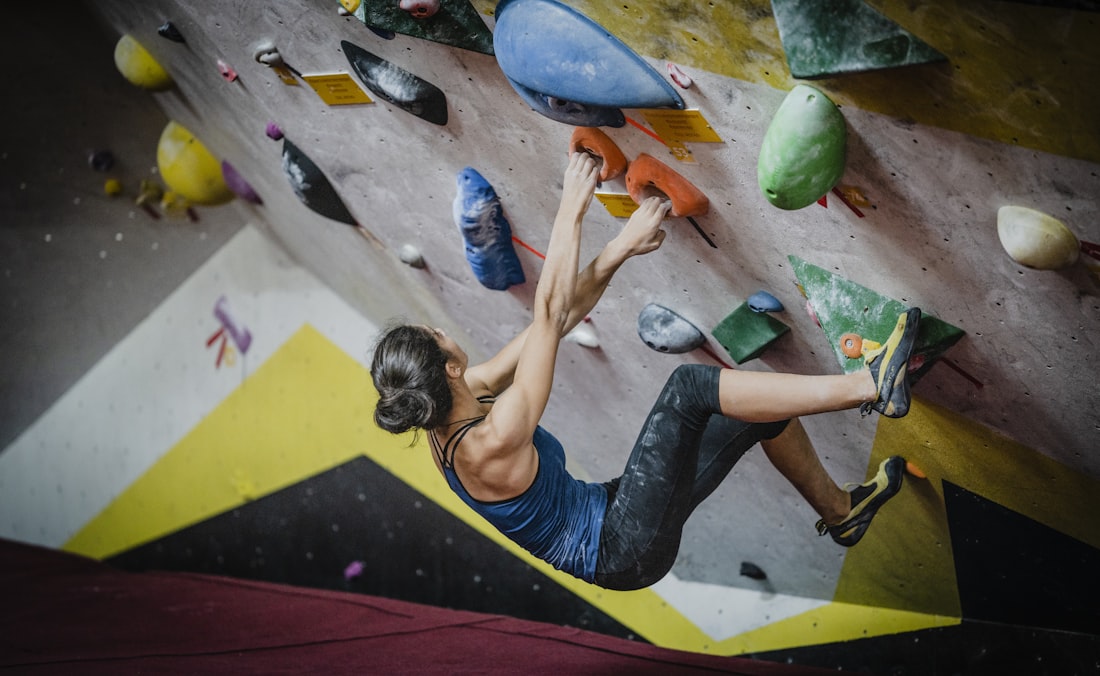
The Kangaroo Point Cliffs — a 20-metre sheer rock face on the river, directly across from the CBD — are one of the few places in any Australian capital where you can abseil and rock climb in a true inner-city setting. Riverlife runs both activities from the base of the cliffs with qualified instructors. No experience is required; sessions include full instruction, safety briefings, and all equipment. The abseiling experience has you stepping backwards off the cliff edge with the entire city spread behind you — a genuine adrenaline hit in a controlled and safe environment.
The twilight abseil adds another dimension: you descend the cliff face as the city lights come on, the cliffs illuminated from below, followed by drinks and a grazing board at Riverlife's riverside marquee. Rock climbing sessions run on Sunday mornings and suit all skill levels. The cliffs are also publicly accessible for independent climbing — the routes are well-established and well-trafficked — though guided sessions are recommended for anyone without their own gear and prior experience on natural rock.
Adrenaline seekers, teenagers and young adults, visitors wanting something active and memorable, and groups. The twilight abseil with the city-light backdrop is one of Brisbane's most photogenic experiences.
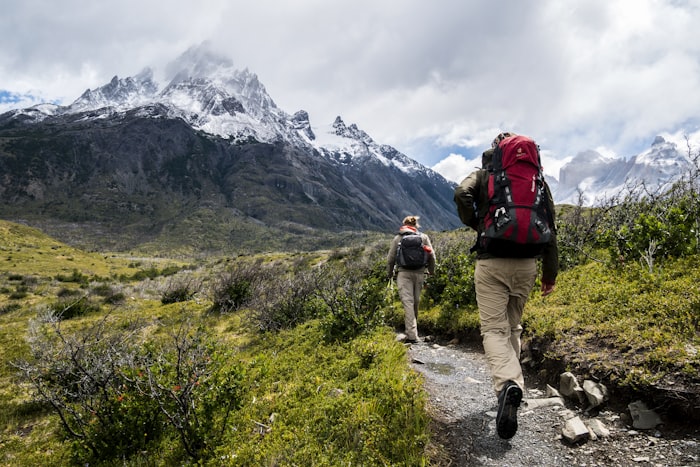

Bushwalks & Rainforest Trails Near Brisbane
From a 20-minute drive to World Heritage rainforest — walking trails for every level, most of them free.
 Best Value
Brisbane has exceptional bushwalking within easy reach at every level. Mt Coot-tha (20 minutes from the CBD, bus 471) has multiple trails from 1.5 to 7km through eucalyptus forest, a 287-metre summit lookout with panoramic city views, and the Brisbane Botanic Gardens at its base — the easiest first-timer option. D'Aguilar National Park (45 minutes north-west) offers the Maiala Rainforest Circuit: a 2km walk through strangler figs, tree ferns, and subtropical rainforest that feels worlds away from the city. Bunyaville Conservation Park (25 minutes north) has 2–12km loops through 440 hectares of bushland where koalas, echidnas, and kangaroos are regularly spotted — and it's one of the few quality trails near Brisbane that permits dogs.
For something more dramatic, the hinterland delivers some of the best walking in Southeast Queensland. Curtis Falls and Lower Creek Circuit at Mt Tamborine (55 minutes) is a moderate 3.5km walk to a waterfall and glow-worm habitat. Springbrook National Park (90 minutes) has the Purlingbrook Falls Circuit — 4km, 265 steps, a suspension bridge at the base of a 106-metre waterfall — plus the Natural Bridge glow-worm cave (1km sealed path, active colony every night after dark) and the Twin Falls walk-behind circuit. Lamington National Park (2 hours) is the crown jewel: O'Reilly's Tree Top Canopy Walk, Antarctic beech trees over 3,000 years old, and the Toolona Creek Circuit (17.4km) through Gondwana World Heritage rainforest. All are free to access.
First-timers: Mt Coot-tha trails (accessible, close, free bus). Half-day: Maiala in D'Aguilar. Full-day waterfalls: Springbrook — Purlingbrook Falls + Natural Bridge glow-worm cave. Epic adventure: Lamington National Park at O'Reilly's, with the canopy walk, lyrebirds, and ancient rainforest.
Wildlife — Lone Pine & Wild Encounters
Over 130 koalas, kangaroos you can hand-feed, platypus, and Tasmanian devils — plus wild sightings throughout Brisbane's parks.
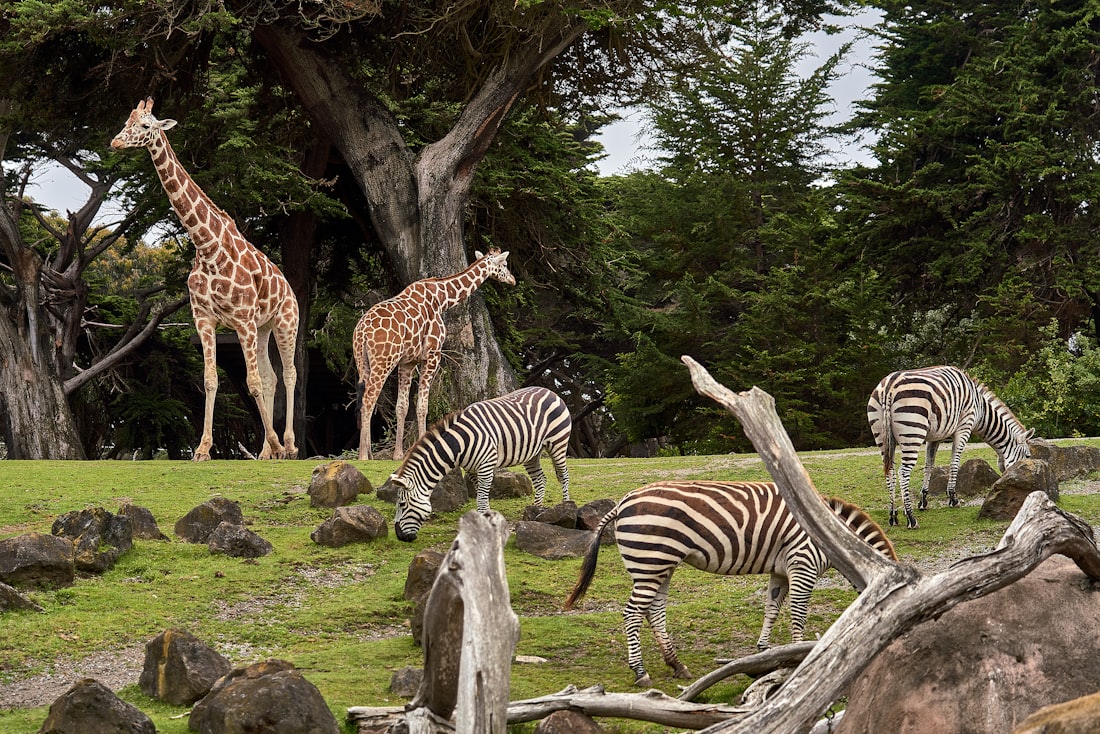 Must-Do
Lone Pine Koala Sanctuary, established in 1927, is the world's first and largest koala sanctuary — home to over 130 koalas along with kangaroos (hand-feeding included), platypus, wombats, Tasmanian devils, and a wide range of Australian birds and reptiles. It's the most popular wildlife experience in Brisbane and especially worthwhile for international visitors encountering Australian animals for the first time. The Koala Encounter lets you get close to a koala on a natural branch for a photo (additional cost, limited slots — book ahead).
The best way to reach Lone Pine is by river cruise. The Mirimar II departs from South Bank and takes 75 minutes upstream through a stretch of the Brisbane River that most visitors never see — leafy residential suburbs with riverside homes shaded by mature figs and gums, the city skyline gradually shrinking behind you. The captain provides commentary throughout. The combo ticket includes sanctuary entry and approximately three hours at the park before the return cruise: the whole experience takes about 5.5 hours. Alternatively, Lone Pine is a 20-minute drive or bus ride from the CBD.
For wild (non-captive) encounters, Brisbane's bushland parks deliver genuine sightings. Koalas are regularly spotted in the eucalyptus canopy at Bunyaville Conservation Park and on walking trails in D'Aguilar. Brush turkeys are genuinely everywhere in the inner suburbs. Water dragons bask on riverside rocks citywide. And at dusk, the flying fox colony at the City Botanic Gardens is one of the largest urban bat colonies in Australia — thousands of grey-headed flying foxes in the fig trees, departing in long dark streams just after sunset.
Families with children of any age, international visitors, and anyone wanting guaranteed close encounters with Australian wildlife. The river cruise to Lone Pine is the single best half-day outing from Brisbane that combines nature, scenery, and wildlife in one experience.
Moreton Island
Sand dunes, snorkelling the Tangalooma Wrecks, wild dolphin encounters and a national park island — 75 minutes from Brisbane.
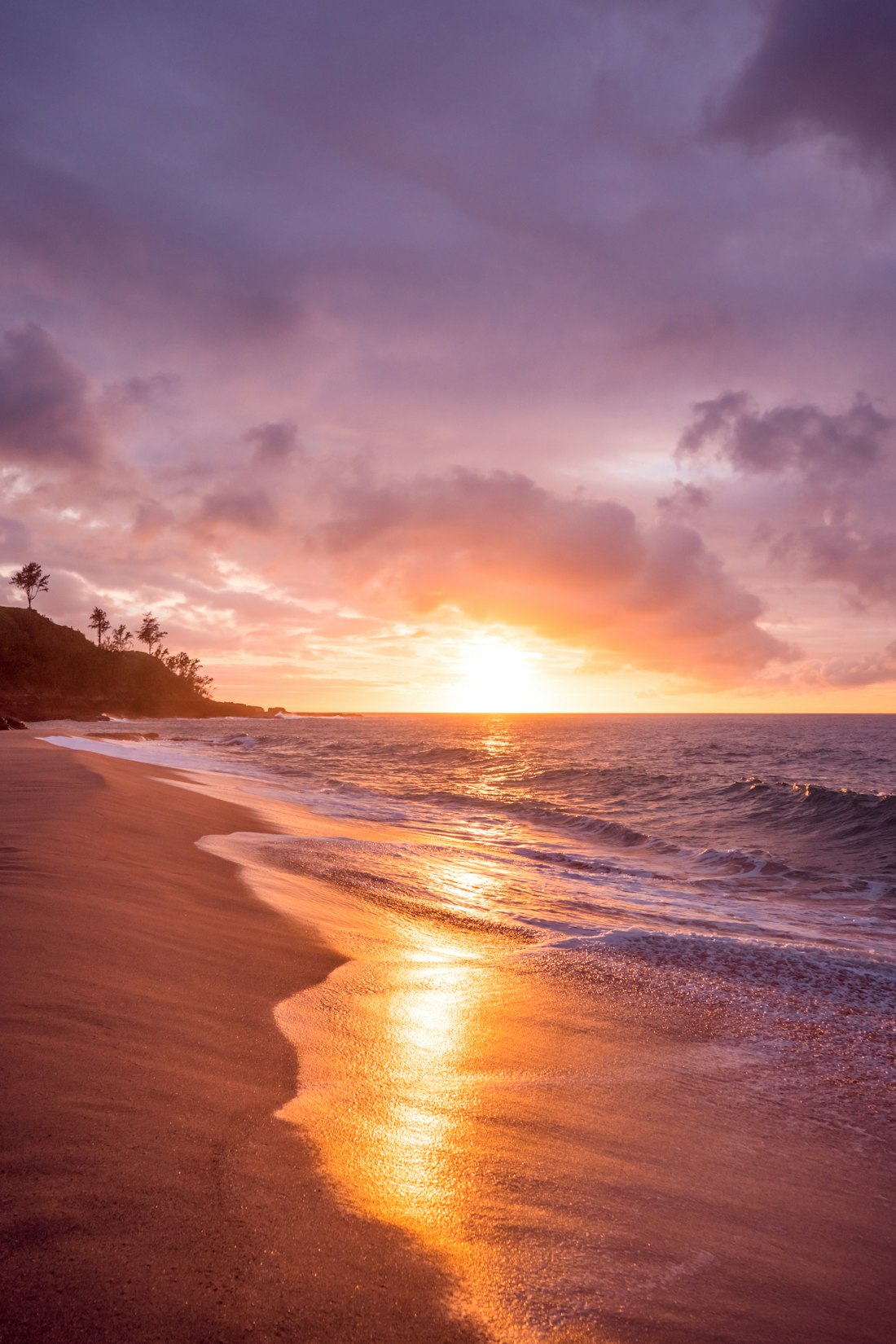 Full Day / Overnight
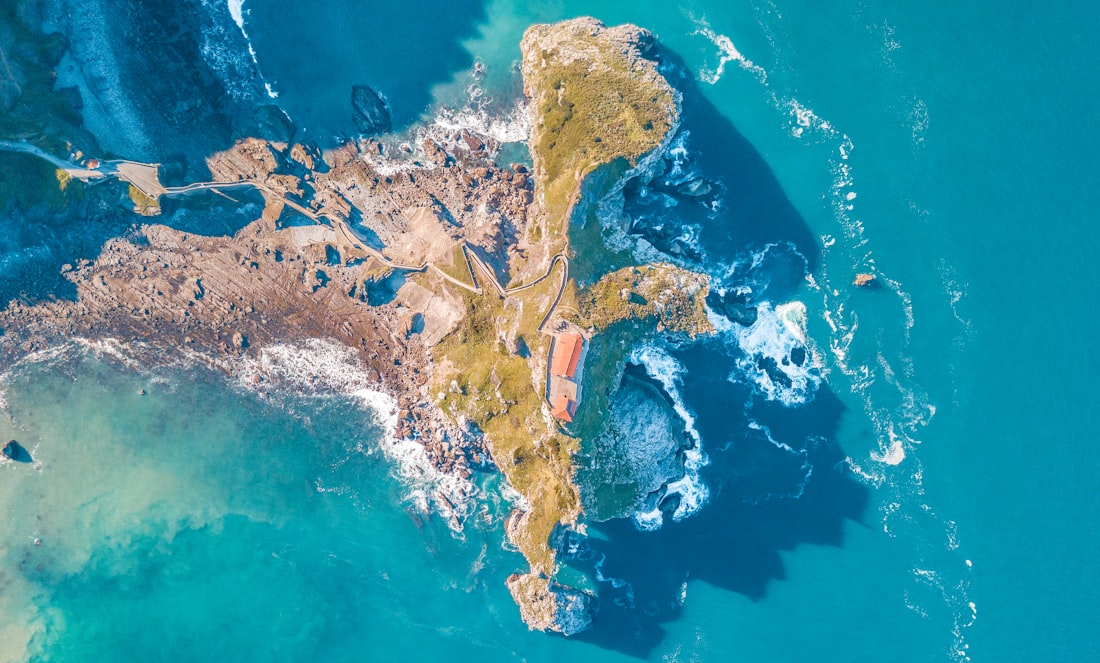
Moreton Island is the third-largest sand island in the world, sitting in Moreton Bay a 75-minute ferry ride from Brisbane's northern suburbs. Most of the island is national park, with towering sand dunes — including Mt Tempest, the highest coastal sand dune in the world at 285 metres — freshwater lagoons, and dense coastal heath running the length of the island. The Tangalooma Wrecks, 15 deliberately sunken ships off the western shore, have created an artificial reef that's become one of Southeast Queensland's best snorkelling sites: coral, tropical fish, and sea turtles visible in clear, shallow water that's calm even on rough-weather days.
Day trips typically include the ferry crossing, snorkelling at the wrecks, sandboarding down desert-like dunes, and time at the beach. The Tangalooma Island Resort on the western shore offers accommodation, meals, and guided activities — including the famous evening dolphin feeding program, where wild bottlenose dolphins swim to the shore at sunset and visitors can hand-feed them under ranger supervision. This is the bucket-list experience for many visitors and worth timing an overnight stay around. Moreton Island is also a significant site for the Quandamooka people, the island's Traditional Owners, and several tour operators include cultural interpretation in their programs.
Between June and November, humpback whale watching cruises operate from nearby Redcliffe into Moreton Bay, adding a further marine wildlife dimension to the region. The bay is part of a significant migratory route, and sightings are reliable during peak months (August–October).
A full-day island escape, snorkelling enthusiasts, families, and anyone wanting to combine beaches, towering sand dunes, and marine wildlife in one outing. Worth an overnight stay to catch the dolphin feeding and avoid the day-trip crowds.
Cycling Brisbane's River Trails
Dedicated bikeways along the river, through parklands, and across the inner city — flat, scenic and genuinely excellent.
 Family Friendly
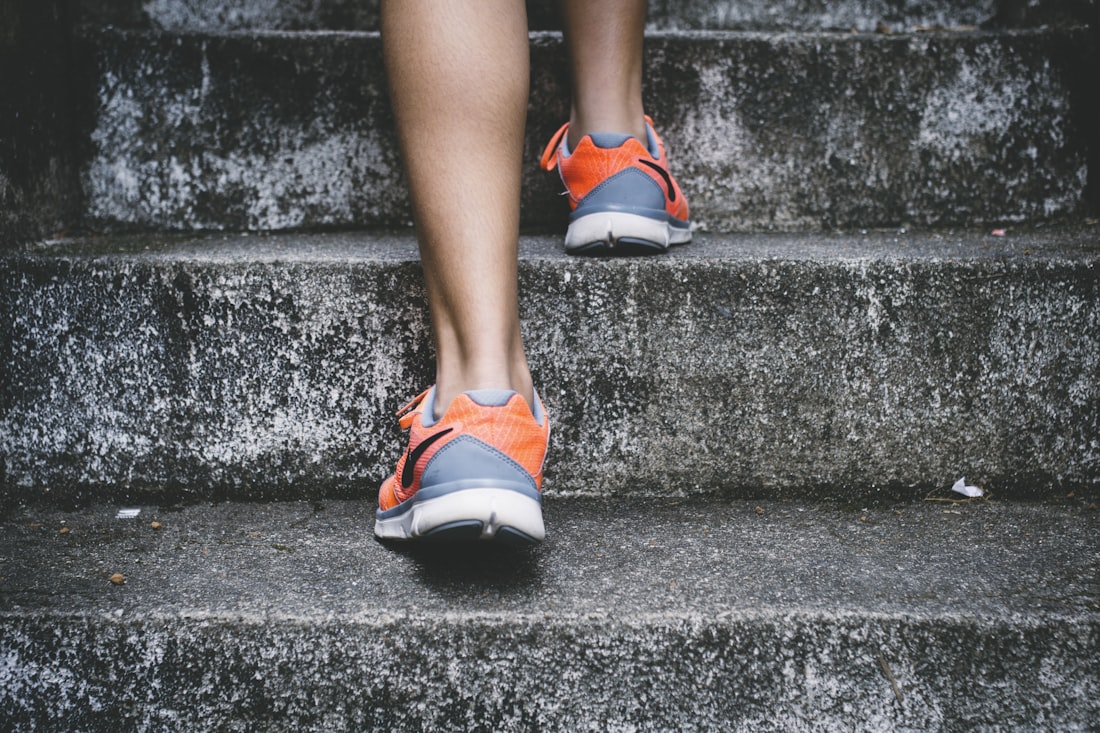
Brisbane's flat, riverside geography and subtropical climate make it one of Australia's best cities for cycling. The Bicentennial Bikeway — a dedicated cycling and pedestrian path running along the river from the CBD to Toowong — is the city's most popular cycling route: smooth, flat, and river-view the entire way. It connects seamlessly to the Riverwalk (New Farm to the CBD) and the Goodwill Bridge (South Bank to the City Botanic Gardens), making it possible to do a complete riverside loop of the inner city entirely on dedicated bike infrastructure, free from motor traffic.
For a longer ride, the Brisbane River Loop extends to about 20km and takes you through South Bank, the University of Queensland campus, and the western suburbs before looping back — a half-day ride with several coffee and café stops along the way. Riverlife at Kangaroo Point offers road bike hire by the hour, as do several operators near the CBD. Brisbane also has a public bike-share scheme (Link bikes) with docking stations across the inner city. The cycling infrastructure is genuinely good — separated paths, clear signage, gentle gradients — and the routes pass through the most scenic parts of the city.
Short ride (1–2 hrs): Riverwalk, New Farm to Howard Smith Wharves (4km, flat, stunning views). Half-day: Bicentennial Bikeway, CBD to Toowong and back (14km, riverside the whole way). Full loop: Brisbane River Loop (20km, moderate, some road sections — download the Brisbane City Council cycling map).
Boondall Wetlands & Birdwatching
Mangroves, migratory shorebirds, and boardwalk trails on Brisbane's northern edge — 1,100 hectares, 20 minutes from the CBD, entirely free.
 Hidden Gem
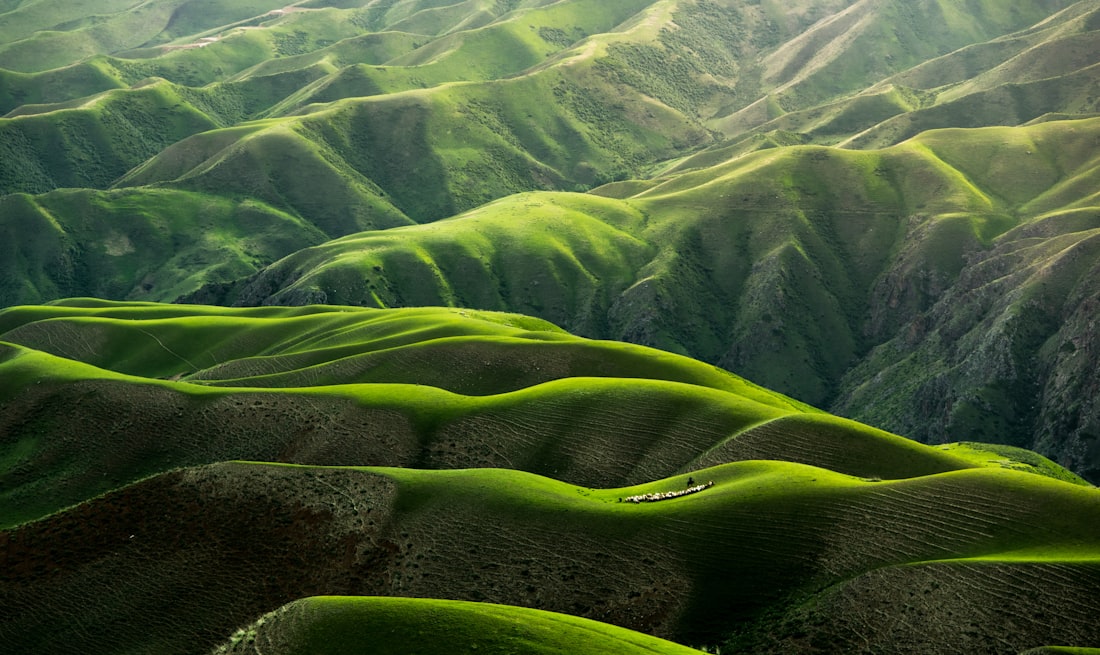
Boondall Wetlands is one of Brisbane's most significant and least-visited natural areas — 1,100 hectares of tidal flats, mangrove forests, salt marshes, and melaleuca wetlands on the shores of Moreton Bay, just 20 minutes north of the CBD. It's a Ramsar-listed wetland of international importance, primarily for migratory shorebirds that travel the East Asian-Australasian Flyway from Siberia, China, and Japan to feed here during the Australian summer (September to April). Over 200 bird species have been recorded in the reserve — including Eastern Bar-tailed Godwits that fly non-stop from Alaska, the longest non-stop migratory flight of any animal on earth.
For visitors, the wetlands offer several boardwalk trails that wind through mangroves and out to elevated viewing platforms over the tidal flats. The Nudgee Beach Coastal Walk (3.4km return) is the most popular, ending at a quiet stretch of mudflat and mangrove-fringed shoreline that feels remarkably remote for somewhere so close to the city. The Boondall Wetlands Environment Centre has interpretive displays on the birdlife and ecology. It's a genuinely peaceful place — no crowds, no entry fee, and a completely different side of Brisbane to the riverside precincts and urban parks.
Birdwatchers, nature photographers, visitors seeking quiet green space away from the city, and anyone interested in coastal wetland ecology. Best in the Australian summer (September to April) for migratory shorebirds. Bring binoculars and good boots — the mudflats are accessible at low tide.
The peak shorebird season is September through April when international migrants arrive from their Arctic and sub-Arctic breeding grounds. October and November are the best months — birds are feeding intensively after their long journey and are easier to observe on the exposed tidal flats. The Boondall Wetlands Environment Centre hosts free guided birdwatching walks on weekend mornings during the peak season.
Outdoor Essentials for Brisbane
Everything you need to know before heading out — sun, seasons, what to pack, and Leave No Trace.
Brisbane's UV index is extreme in summer (October–March). Wear SPF 50+, a hat, and sunglasses for any outdoor activity. Start early in summer — by midday it's often too hot for comfortable bushwalking or cycling. Carry at least 2L of water per person for any trail of more than 2km.
Autumn (March–May) and winter (June–August) are the most comfortable months: warm days, cool mornings, low humidity, no summer thunderstorms. Spring is pleasant but UV rises sharply. Summer suits water activities and early-morning starts. Migratory birds peak September–April at Boondall.
Sunscreen SPF 50+, wide-brim hat, water (2L minimum), insect repellent (especially near wetlands and rainforest), sturdy closed-toe shoes for any bushwalk, a light rain jacket year-round (afternoon storms are common in summer), and a change of clothes for water activities.
Most national parks near Brisbane have no bins — carry out all rubbish. Stay on marked trails to protect vegetation. Never feed wildlife. Keep voice and noise low at glow-worm sites (Curtis Falls, Natural Bridge). Check Queensland Fire and Emergency current fire danger ratings before any bushwalk between October and March.
Queensland Parks — official trail maps and alerts for national parks. Translink — public transport to trailheads. BOM Weather — accurate day-of forecasts. iNaturalist — wildlife identification in the field. Download trail maps before leaving mobile coverage at trailheads.
Mt Coot-tha: bus 471 from CBD (30 min). Kangaroo Point: 10-min walk from CBD or 169 bus. Lone Pine: bus 445 or river cruise from South Bank. Boondall Wetlands: Boondall train station (40 min from CBD) + 10-min walk. Springbrook and Lamington require a car or guided tour.
Brisbane's bushland is home to eastern brown snakes, red-bellied black snakes, and a range of other reptiles — especially active in warm weather (October–April). Stick to marked trails, watch where you step, and never reach into hollow logs or dense undergrowth. If you see a snake, stand still and let it move away at its own pace. Funnel-web spiders are rare but present in D'Aguilar and the Scenic Rim — shake out boots and clothing left outside overnight. Knowing this should embolden rather than discourage you; millions of people walk these trails safely every year.
Frequently Asked Questions

Sophie has been exploring Queensland's outdoors for over fifteen years and has walked every trail mentioned in this guide, most of them more than once. She is a qualified kayaking instructor, occasional sea kayaking guide in Moreton Bay, and the author of the Cooee Travel Journal's Weekend Guide and several regional outdoor guides. She considers the twilight kayak under the Story Bridge one of Brisbane's finest experiences, and the Natural Bridge glow-worm cave one of Queensland's most underrated.
More articles by Sophie →