
A weekend is enough to understand what Brisbane is about. Not everything — you'd need a week for that — but enough to feel the city's rhythm: the Saturday morning market culture, the river that stitches the neighbourhoods together, the outdoor evenings at clifftop parks and waterfront bars, the Sunday brunch that drifts into early afternoon, the surprising lookout at the top of the mountain.
Brisbane rewards visitors who move between suburbs rather than anchoring in one spot. This itinerary takes you through six different neighbourhoods over two days, all connected by free ferry, walking, or a short bus ride. It's a local's guide — the kind of weekend I actually spend, not the one the tourism office would write. Everything here is reachable without a car. Adjust the pace to your energy; Brisbane works better when you're not rushing.
Jan Powers Farmers Markets & New Farm Park
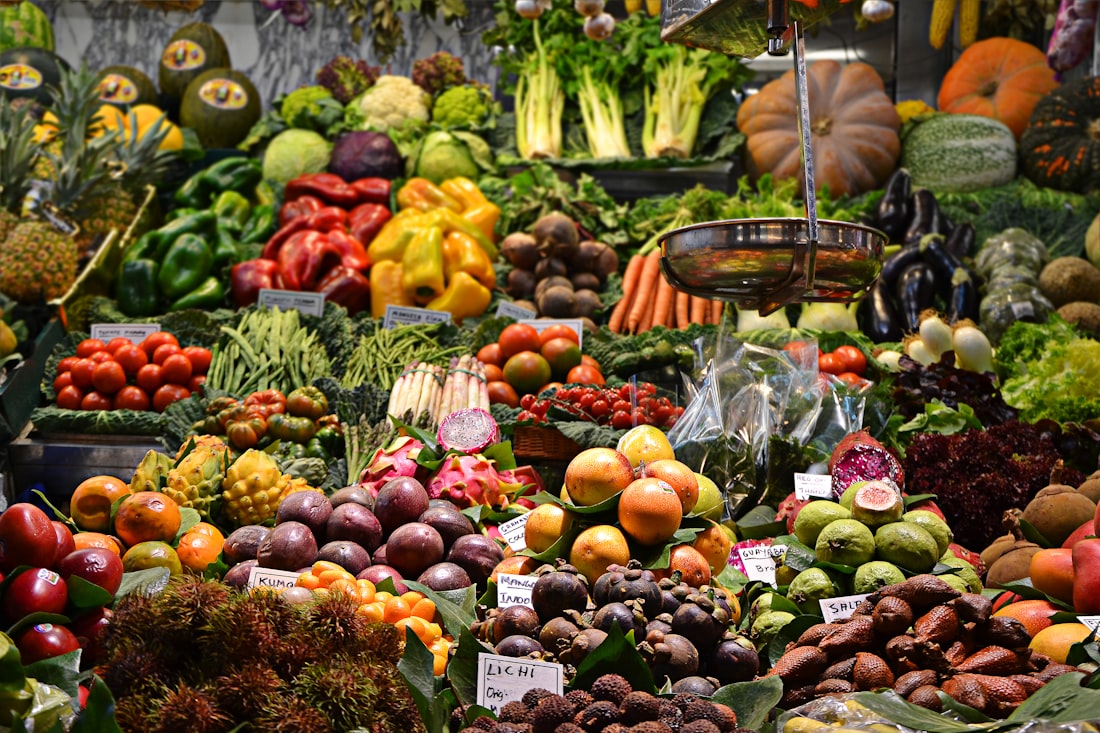
Start the weekend the way Brisbane locals do: at the Jan Powers Farmers Markets in New Farm Park. Running every Saturday from 6am to noon, this is the city's finest market for quality produce — volcanic soil vegetables from the Scenic Rim, artisan sourdough, charcuterie, pastries, freshly shucked oysters, and specialty coffee from rotating Brisbane roasters. Arrive by 7:30am for the best selection before the crowds thicken.
After the markets, walk through New Farm Park itself. It's one of the most generous riverside green spaces in any Australian city, shaded by enormous Moreton Bay figs and — from late October through November — completely transformed by Brisbane's famous jacaranda trees, which turn the entire park vivid purple. At the river end, the Brisbane Powerhouse — a converted 1920s industrial power station — hosts art, theatre, comedy, and festivals year-round. The waterfront deck above the river is one of the finest free spots in Brisbane for a morning coffee, with the CBD visible upriver.
Riverwalk to Howard Smith Wharves
Pick up the Brisbane Riverwalk from the Powerhouse — a dedicated pedestrian and cycling path that follows the river toward the CBD. The walk takes 20–25 minutes and is genuinely one of the most satisfying urban paths in Australia: river on one side, New Farm's leafy residential streets on the other, the Story Bridge growing steadily larger as you approach.
The path ends at Howard Smith Wharves, a revitalised heritage precinct tucked directly beneath the Story Bridge. Felons Brewing Co. occupies the main wharf building with a riverside terrace that's hard to leave. Greca sits at the water's edge with excellent Greek food. The whole complex is framed by cliff face and bridge above — a mid-morning beer at Felons, looking back upriver toward New Farm, is worth the walk alone.
South Bank: GOMA, Streets Beach & the Cultural Precinct
Take the CityHopper from Riverside to South Bank (free, three minutes). The Gallery of Modern Art — GOMA — is Brisbane's best gallery and among the finest in Australia: free to enter, strong permanent collection of Australian, Indigenous, and Pacific art, with rotating international exhibitions that regularly draw national attention. The gallery café does an excellent lunch. Next door, the Queensland Art Gallery holds more classical collections, and the Queensland Museum's SparkLab is excellent for families.
After the galleries, walk through the South Bank Parklands. The Grand Arbour — a 500-metre pergola draped in hot pink bougainvillea — is Brisbane's most photographed structure in bloom. The Nepalese Peace Pagoda, built for Brisbane's 1988 World Expo by Nepalese craftspeople, sits quietly in the park and is worth finding. Then: Streets Beach. A free, lifeguard-patrolled swimming lagoon with white sand and palm trees facing the full CBD skyline. On a hot Brisbane afternoon, swimming here while looking across at the city towers is one of the most distinctly Brisbane experiences you can have.
Open daily, free entry, lifeguards on duty. Water temperature sits around 28–32°C in summer. Most popular 11am–3pm on weekends — arrive before noon to avoid the busiest period. Bring sunscreen; Queensland sun is serious at any time of year.

Kangaroo Point Cliffs at Golden Hour
Walk across the Goodwill Bridge from South Bank to Kangaroo Point — 10 minutes on foot. Head up to the clifftop park. The view west from here is one of Brisbane's most celebrated: the river below, the CBD skyline directly across, the setting sun moving behind the towers. The light changes quickly — pink, gold, deep orange — and the whole city seems to slow down to watch it.
Free electric BBQs, open lawn, picnic tables. Bring food and wine from South Bank. No booking, no entry fee, open 24 hours. Half of Brisbane seems to gather here on warm Saturday evenings; the communal atmosphere is genuinely special.
The cliffs face west-northwest, giving direct sunset light across the river to the full CBD skyline. The 20-metre sandstone cliff face below is lit from beneath after dark. On weekend evenings you'll often watch rock climbers descending as the city lights come on across the water.
Dinner: Boundary Street, West End or Fish Lane
From Kangaroo Point, a 20-minute walk or quick bus takes you to West End for dinner. Boundary Street is Brisbane's most honestly multicultural dining strip: Greek tavernas with octopus off a charcoal grill, Vietnamese pho joints open until midnight, Ethiopian injera served in tin pans, Nepalese momos that cost almost nothing and taste extraordinary. Walk the strip, read the specials boards, follow the queues, pick what looks good. This is the correct approach.
For something more considered, Fish Lane in South Brisbane — five minutes from South Bank — is a mural-covered laneway of wine bars, Southeast Asian bistros, and natural-wine spots that's become one of Brisbane's most talked-about precincts. Southside does excellent Thai-influenced cooking. Marlowe is a polished European bistro. Several bars along the lane stay open until midnight and serve serious cocktails.
Brunch in New Farm or Paddington
Sunday brunch is a Brisbane institution. Two neighbourhoods do it best. New Farm is cosmopolitan and riverside — Merthyr Road and its surrounding streets are dense with specialty coffee roasters and all-day cafés whose food has graduated well past the level where you'd call it merely brunch. Sit outside, order what you want, and don't apologise for taking two hours over it.
Paddington is the alternative: a hillside suburb of heritage Queenslander homes 15 minutes from the CBD, where Given Terrace runs through independent boutiques, antique stores, and neighbourhood cafés that are excellent, unfussy, and without the peak-hour queues of New Farm's most popular spots. The Empire Revival building — a 1920s cinema now housing 50+ vintage and antique sellers — is worth 30 minutes of anyone's Sunday morning. Walk the residential side streets off Given Terrace afterwards: the Queenslander architecture — timber cottages on stumps with wide verandahs and iron lacework — gives you a genuine sense of how Brisbane looked before the high-rise era.
Mt Coot-tha Lookout & Botanic Gardens
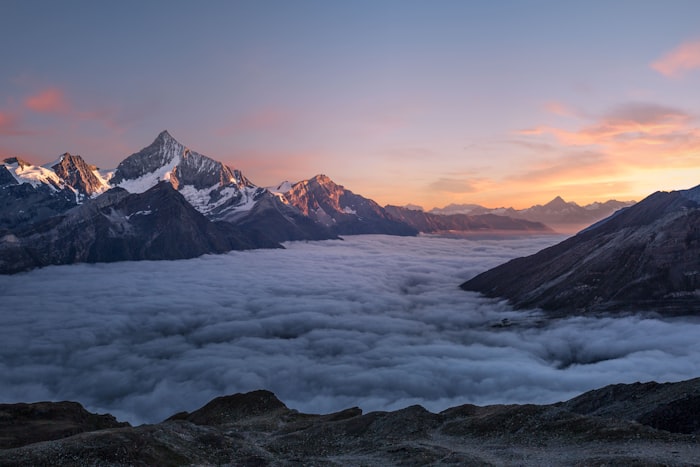
From Paddington, Mt Coot-tha is 15 minutes by car or about 30 minutes on Bus 471 from the CBD. At 287 metres, the lookout delivers one of the best city panoramas in Australia — the full spread of Brisbane from Moreton Bay in the east to the Glass House Mountains on the northern horizon, with the Brisbane River threading through the suburbs below. It's free, open 24 hours, and most visitors understand Brisbane's geography immediately upon arriving at the top. The Summit Restaurant, which reopened in 2025 after renovation, serves a refined modern Australian menu with the full view as backdrop.
The Brisbane Botanic Gardens at the mountain's base are consistently underrated. The Japanese Garden is beautifully maintained and almost always quiet, the Tropical Display Dome houses a genuine rainforest ecosystem under glass, and the national bonsai collection is one of the most significant in Australia. Entry is free. On Sunday mornings the whole complex feels almost private.
Mt Coot-tha has trails from 1.5km to 7km through eucalyptus forest. The Kokoda Track Memorial Walk (2.8km, moderate) ends at the lookout with interpretive plaques through open bush. The Summit Track is steeper and more direct. Both start from the Botanic Gardens carpark.
City Botanic Gardens & CBD Laneways
Head back into the city for a slower afternoon. The City Botanic Gardens — Brisbane's oldest park, established in 1828 at the south-eastern edge of the CBD — are a 20-hectare oasis of Moreton Bay figs, bamboo groves, and riverside lawns. The scale of the fig trees here is astonishing; some are over a hundred years old and their canopies shade entire football-field sections of lawn. Old Government House at the entrance — a free sandstone heritage museum from the 1860s — is one of Queensland's most significant colonial buildings and consistently undervisited.
After the gardens, walk through the CBD. The heritage Brisbane Arcade on Queen Street Mall — ornate tilework, glass roof, independent retailers — is among the most beautiful shopping arcades in Australia. Burnett Lane, a narrow passage off Albert Street, has street art and a developing café scene. The State Library of Queensland at South Bank has free exhibitions and a dedicated children's space. Sunday afternoon here is best spent without a hard agenda.
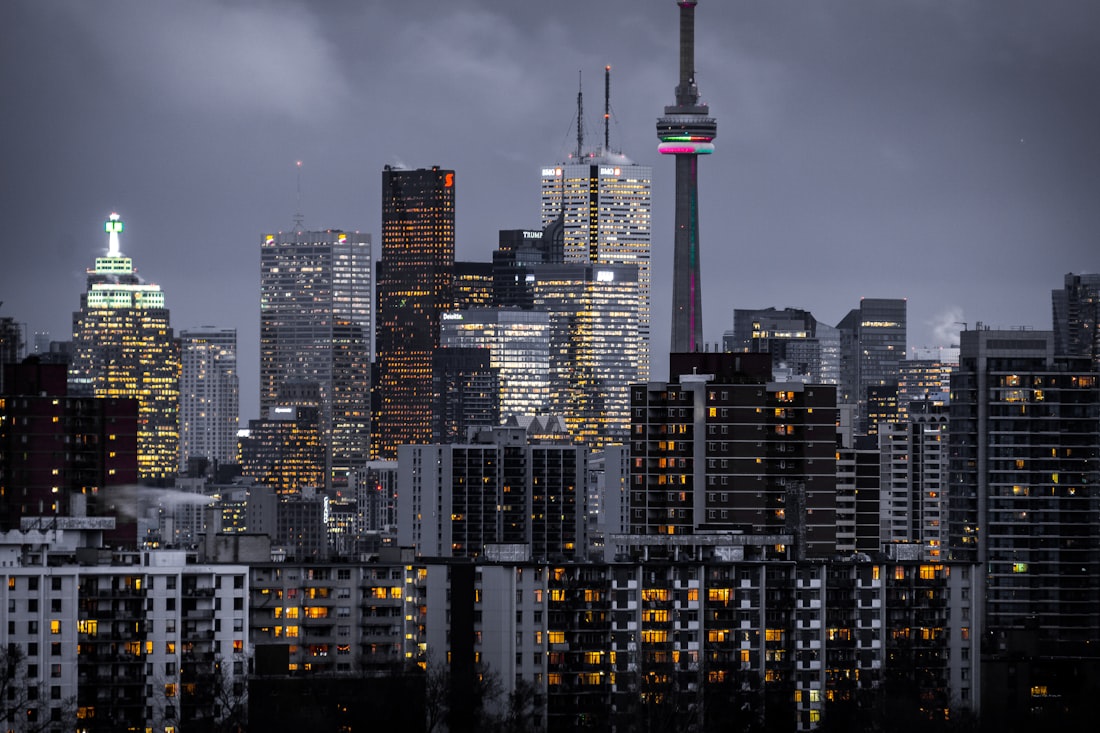
Brisbane is a city of neighbourhoods. The river connects them, the ferries make them accessible, and the light makes everything look better than it has any right to.
— Sophie Aldridge, Cooee Travel JournalFortitude Valley: Dinner & Live Music
End the weekend in the Valley. For dinner, two options: James Street for something polished — Agnes for fire-driven Australian cooking in a converted bacon factory, Bianca for refined Italian, Elvire for an intimate omakase experience — or Brunswick Street and Chinatown for something cheaper and more spontaneous: dumplings, hand-pulled noodles, Korean BBQ, late-night Vietnamese bakeries. Both are within a 10-minute walk of each other, both served by Fortitude Valley train station.
After dinner, the Valley is Brisbane's live music capital. The Fortitude Music Hall, The Tivoli, and The Zoo all host local and touring acts most nights — indie, rock, electronic, jazz, hip-hop — and tickets for Sunday shows are often very reasonable. If you prefer drinks to a gig: Death & Taxes is a basement whisky bar with over 200 bottles. Bakery Lane has craft-beer spots and rooftop bars. And Howard Smith Wharves — a short walk downhill toward the river — is the most atmospheric place to end an evening: Felons Brewing for a final beer, or Greca for a glass of wine with the Story Bridge lit up overhead.
This itinerary covers the core Brisbane weekend experience. Here are four excellent alternatives for different interests and appetites.
🐨 Swap Markets for Wildlife
Replace Saturday morning markets with the Lone Pine Koala Sanctuary river cruise — departs South Bank at 10am, 75 minutes upstream, with over 130 koalas and Australian wildlife. Back by mid-afternoon in time for GOMA and Kangaroo Point sunset.
🌊 Swap Mt Coot-tha for the Bay
On Sunday, head east to Wynnum and Manly instead — bayside suburbs with esplanade walks, the Wynnum wading pool, excellent fish and chips, and views across Moreton Bay. Train from Central, 30 minutes. Great in warm weather.
🚢 Eat Street Saturday Evening
Eat Street Northshore in Hamilton — 70+ food stalls in shipping containers, live music, five bars — is a completely different energy to West End. CityCat ferry from South Bank. Friday and Saturday evenings from 4pm.
📚 Quiet Culture Afternoon
Avid Reader in West End is one of Brisbane's best independent bookshops with regular author events. Pair it with the Institute of Modern Art in Fortitude Valley (free entry) for a contemplative Sunday alternative to the CBD laneways.
Frequently Asked Questions

Best Cafés in Brisbane 2026: The Local Guide