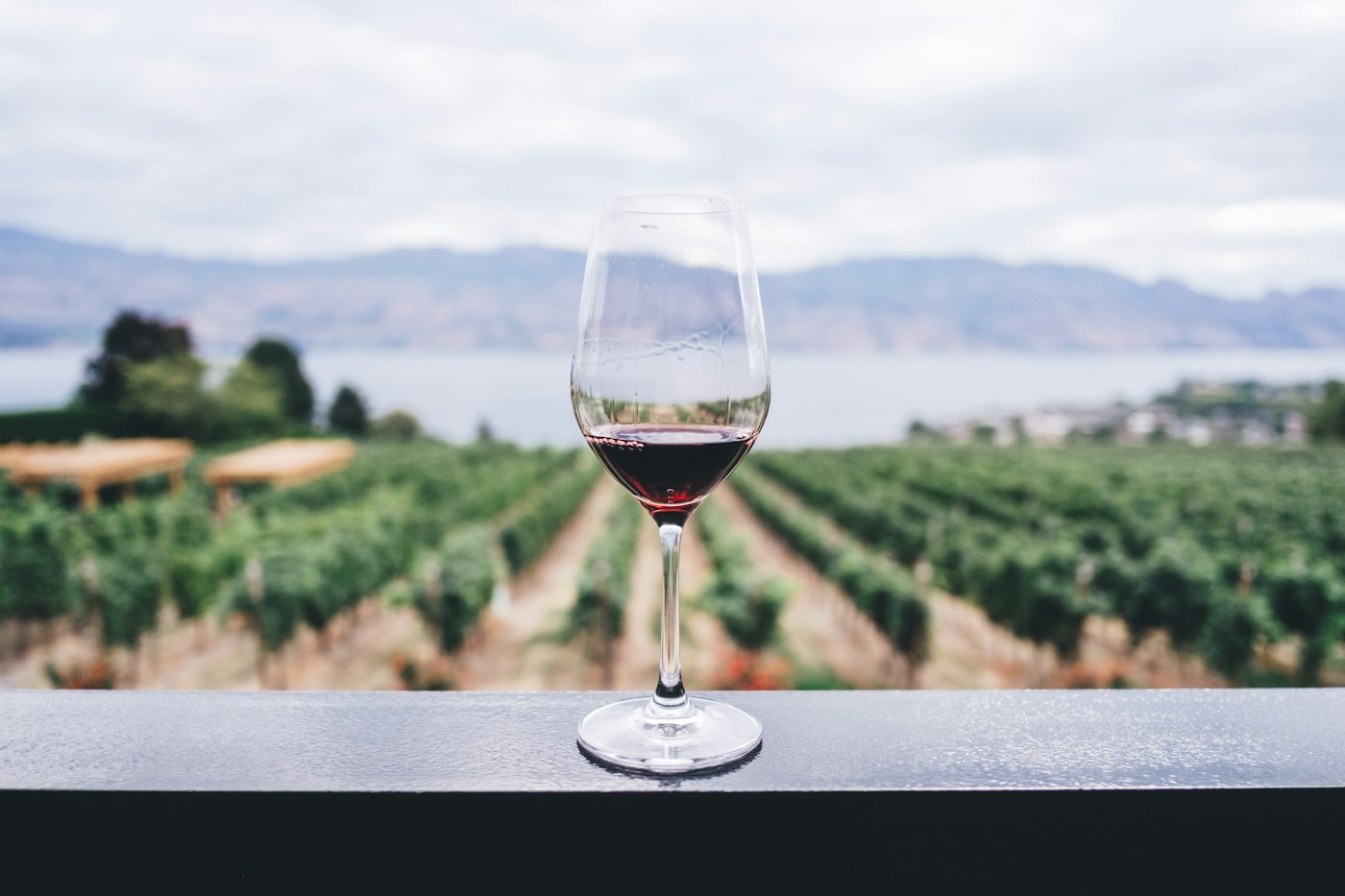


Brisbane is forty minutes from three entirely different wine worlds. Rolling subtropical hills rising into rainforest. Open Scenic Rim valleys where cool breezes carry the scent of damp earth. And if you're willing to make a full day of it, the granite-studded highlands of Stanthorpe, where Queensland's most serious wines quietly outshine everything north of the border. This guide covers them all — and tells you exactly how to get there without ever touching a steering wheel.
Why Brisbane's Wine Regions Deserve More Credit
Australia's wine conversation tends to gravitate south — the Barossa, the Hunter Valley, Margaret River. Which is exactly why Queensland's wine regions remain some of the most enjoyable in the country to visit. The cellar doors are quieter, the winemakers are more likely to pour your tasting themselves, and the landscapes don't have the well-worn feeling of a region that's been on every itinerary for thirty years.
There's a genuine energy in Queensland's wine scene right now. A new generation of winemakers is working with varieties that nobody else in Australia grows at scale — Fiano, Vermentino, Montepulciano, Tannat — and producing wines that have quietly started winning national awards. The food culture surrounding the cellars has also lifted markedly in recent years, with farm-to-table lunches, artisan producers, and boutique cheese makers appearing alongside the vines.
Over 50 licensed wineries operate within a 2.5-hour radius of Brisbane CBD. The state produces around 2,000 tonnes of wine grapes annually across three distinct regions. The Granite Belt alone accounts for 70% of Queensland's total wine production, with over 60 cellar doors.
The Three Regions: A Full Breakdown
Each region offers a fundamentally different experience. Here's what to expect from each, along with the Cooee Tours experience tailored to match.
 ⭐ Most Popular
Set 525 metres above sea level in the McPherson Ranges, Mount Tamborine is the most accessible and atmospheric of Brisbane's wine regions. Volcanic basalt soils give the wines here a distinctive mineral edge, and the altitude keeps temperatures cool enough for quality white wines and aromatic varieties. The scenery — misty valleys, rainforest trails, and National Park lookouts — makes this far more than a wine trip.
- Cedar Creek Estate — Family-run since 1983; exceptional Chardonnay and Semillon. Creek-side setting, resident peacocks.
- Witches Falls Winery — Award-winning sparkling wines; panoramic valley views from the tasting room deck.
- Mason Wines — Small-batch producer; winemaker James Mason often pours tastings personally.
- Tamborine Mountain Distillery — Spirits, liqueurs, and chocolate available alongside wine tastings.
 Full Day
The Scenic Rim stretches across the valleys and ranges between Beaudesert and Boonah, incorporating one of Queensland's most striking landscapes. Larger estate wineries here have invested heavily in hospitality — think lush lawn tasting areas, farm-to-table restaurants, and dedicated events spaces overlooking the vines. The wines lean cooler and more structured than Tamborine's; Pinot Noir, Semillon, and Verdelho are standouts.
- Sirromet Wines — Queensland's largest winery; outstanding restaurant, award-winning cellar door, and expansive lawn for picnics.
- O'Reilly's Canungra Valley Vineyards — Boutique estate beside a historic homestead; superb Pinot Noir and Merlot.
- Kooroomba Vineyard & Lavender Farm — A double sensory experience: harvest lavender alongside your Chardonnay tasting.
 Extended Day
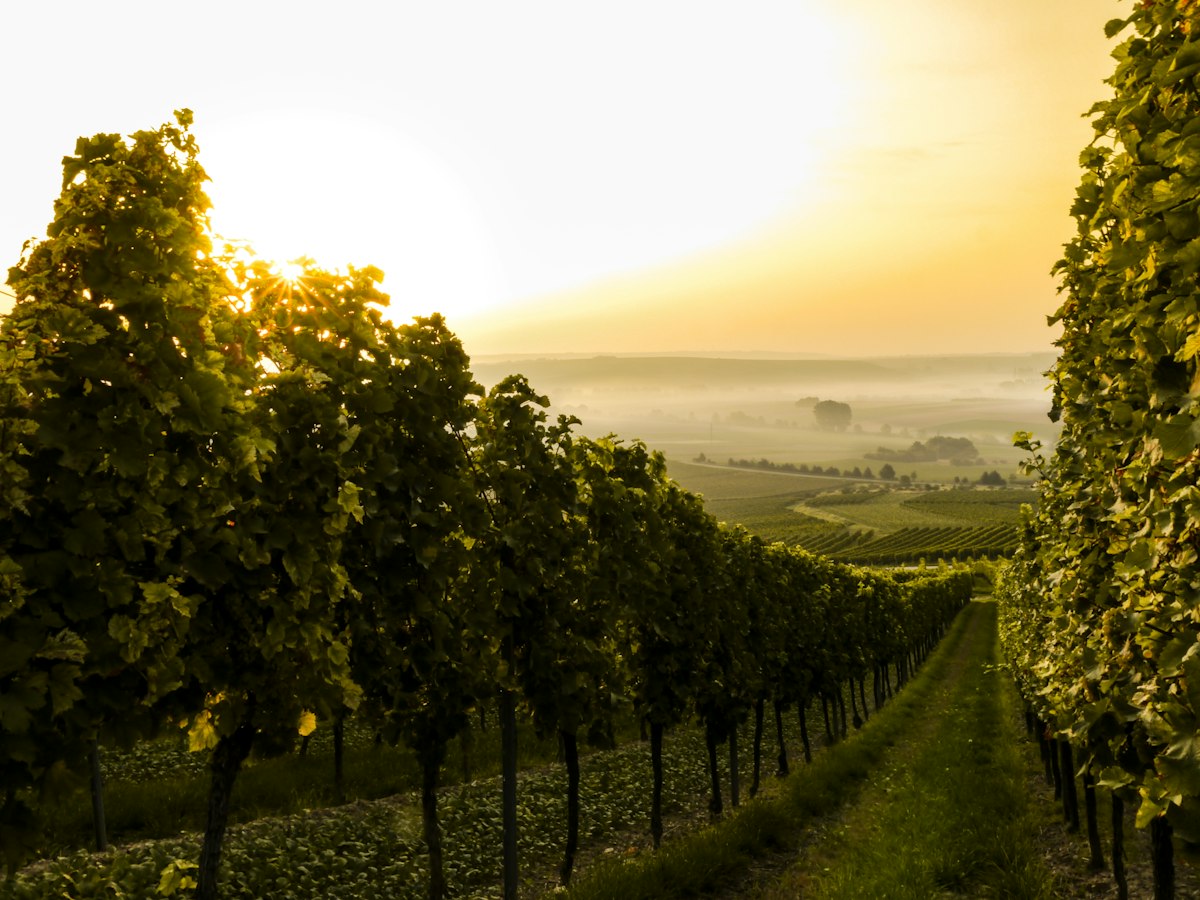
At 800–1,000 metres above sea level near Stanthorpe, the Granite Belt is genuinely cold-climate winemaking — a fact that startles most visitors who assumed Queensland was too hot for serious reds. Winter frosts, granite-strewn soils, and a dedicated community of pioneering winemakers produce wines that attract collectors from across Australia. The "Strange Birds" movement here champions alternative Italian and Iberian varieties that thrive in the unusual conditions.
- Ballandean Estate — Queensland's oldest winery (est. 1970); remarkable Sylvaner and Muscat.
- Ridgemill Estate — Leaders of the Strange Birds movement; unconventional varieties, extraordinary results.
- Golden Grove Estate — Italian variety specialists: Barbera, Sangiovese, and Primitivo of real depth.
- Summit Estate — Spectacular highland views and some of the Belt's finest Chardonnay and Shiraz.
Winery Spotlights: 6 Cellar Doors Worth Your Time
These are the wineries I return to repeatedly — places where the wine is good and the experience around it is even better.
 Mount Tamborine
The original Tamborine winery and still the best. Sit beside the creek with a glass of their single-vineyard Chardonnay and stay for the cheese board. The resident peacocks add something no other cellar door in Queensland can match.
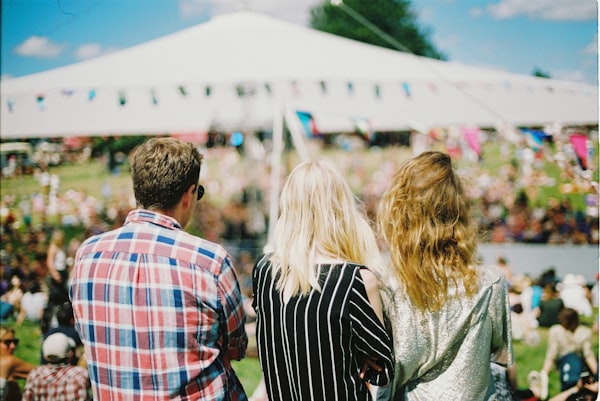 Mount Tamborine
Best cellar door view on the mountain — the tasting room deck overlooks the full valley. Their sparkling rosé is a consistent Queensland wine trophy winner. Book a tasting paddle and plan to stay longer than you expect.
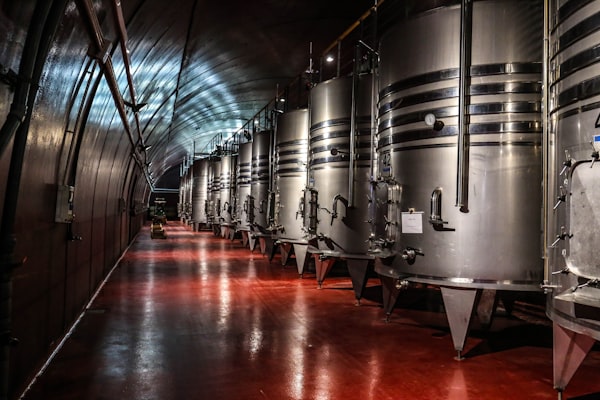 Scenic Rim
Queensland's most awarded winery, and the most complete destination. The Lurleen's Restaurant serves seriously good food alongside Sirromet's wines. Perfect for groups wanting the full winery experience in a polished setting.
 Scenic Rim
Connected to the legendary O'Reilly's Rainforest Retreat, this boutique estate produces wines of real elegance. The Pinot Noir captures the valley's cool terroir beautifully — lighter and more perfumed than you'd expect from Queensland.
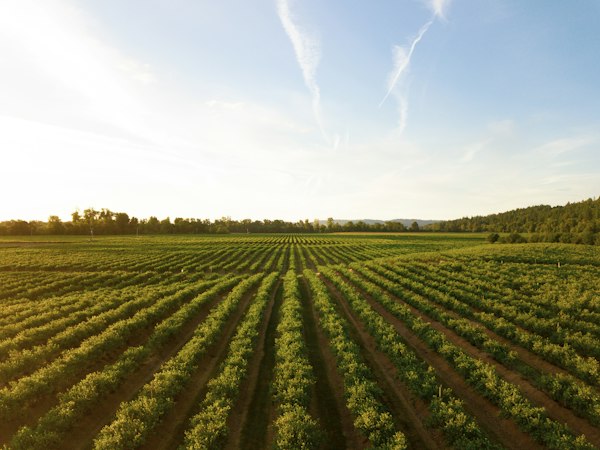 Granite Belt
Queensland's oldest winery, continuously family-owned since 1970. The historic stone cellar is one of the most atmospheric tasting rooms in the country. The late-harvest Muscat is extraordinary and rarely found outside the cellar door.
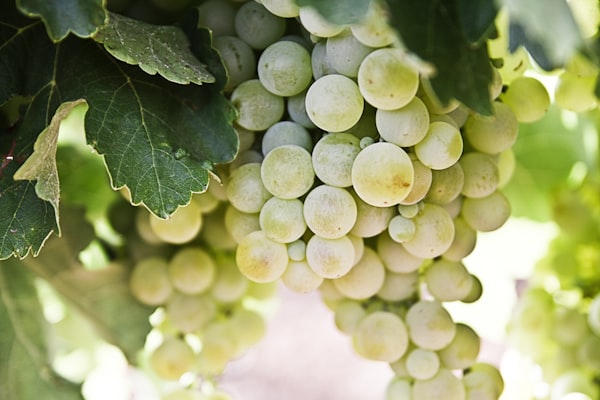 Granite Belt
The intellectual heart of the Strange Birds movement. Winemaker Peter McGlashan argues — convincingly, in a glass — that the Granite Belt's soils are perfect for Mediterranean varieties nobody else in Australia dares to grow commercially. Bring your palate and an open mind.
The Granite Belt winemakers remind me of early Barossa pioneers — people who saw potential in an unlikely landscape and refused to plant what was expected of them. Twenty years from now, the rest of Australia will have caught up.
— James Hargreaves, Food & Wine WriterRegion Comparison at a Glance
| Region | Drive from Brisbane | Tour Duration | From (per person) | Key Styles | Food Included | Best For |
|---|---|---|---|---|---|---|
| Mount Tamborine | ~60 min | 4–5 hrs | $89 | Chardonnay, Sparkling, Shiraz | ✓ Platter | First-timers, half-day |
| Scenic Rim | ~75 min | 8–9 hrs | $129 | Pinot Noir, Semillon, Verdelho | ✓ Lunch | Groups, food lovers |
| Granite Belt | ~2.5 hrs | 10–11 hrs | $185 | Tempranillo, Fiano, Malbec | ✓ Lunch | Wine enthusiasts |
| Combined (Tamborine + Scenic Rim) | Varies | Full day | $155 | All styles | ✓ Lunch + Platter | Best overall experience |
Our most popular booking is the Mount Tamborine + Scenic Rim combined day. It gives you the intimate boutique feel of Tamborine's rainforest cellar doors in the morning and the grander estate experience of Sirromet or O'Reilly's over lunch. The contrast is what makes it memorable.
Best Time of Year to Visit
Queensland wine country is genuinely a year-round destination, but each season brings a dramatically different experience. Here's my honest assessment:

Wine & Food Pairings to Know
Queensland wine country has developed a strong food culture around the cellars. These are the pairings that appear on menus across the regions — and the ones I'd seek out deliberately:
🧀 Tamborine Chardonnay + Local Brie
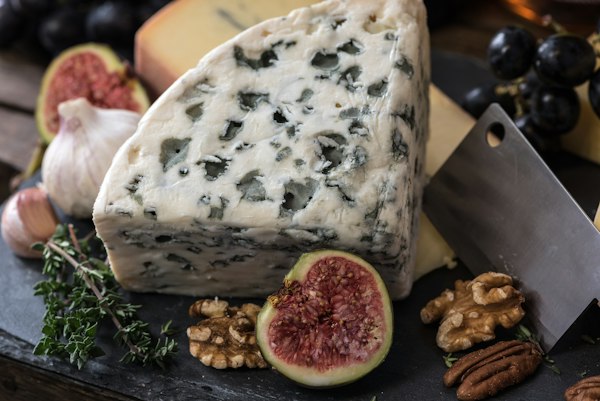
Cedar Creek's Chardonnay has enough acidity to cut through rich brie without overpowering it. Ask for the local cheese board at the cellar door — it's sourced from a dairy in the Scenic Rim and changes seasonally. The combination of slightly mineral wine and earthy soft cheese is one of the best things you'll eat in the region.
🥩 Granite Belt Tempranillo + Slow-Roasted Lamb
The Granite Belt's Tempranillo has enough tannin structure and earthy complexity to hold up against rich red meats. Several Stanthorpe restaurants have built their menus specifically around local wine and locally reared lamb — Summit Estate's restaurant does a definitive version every Sunday.
🦐 Sirromet Verdelho + Queensland Seafood
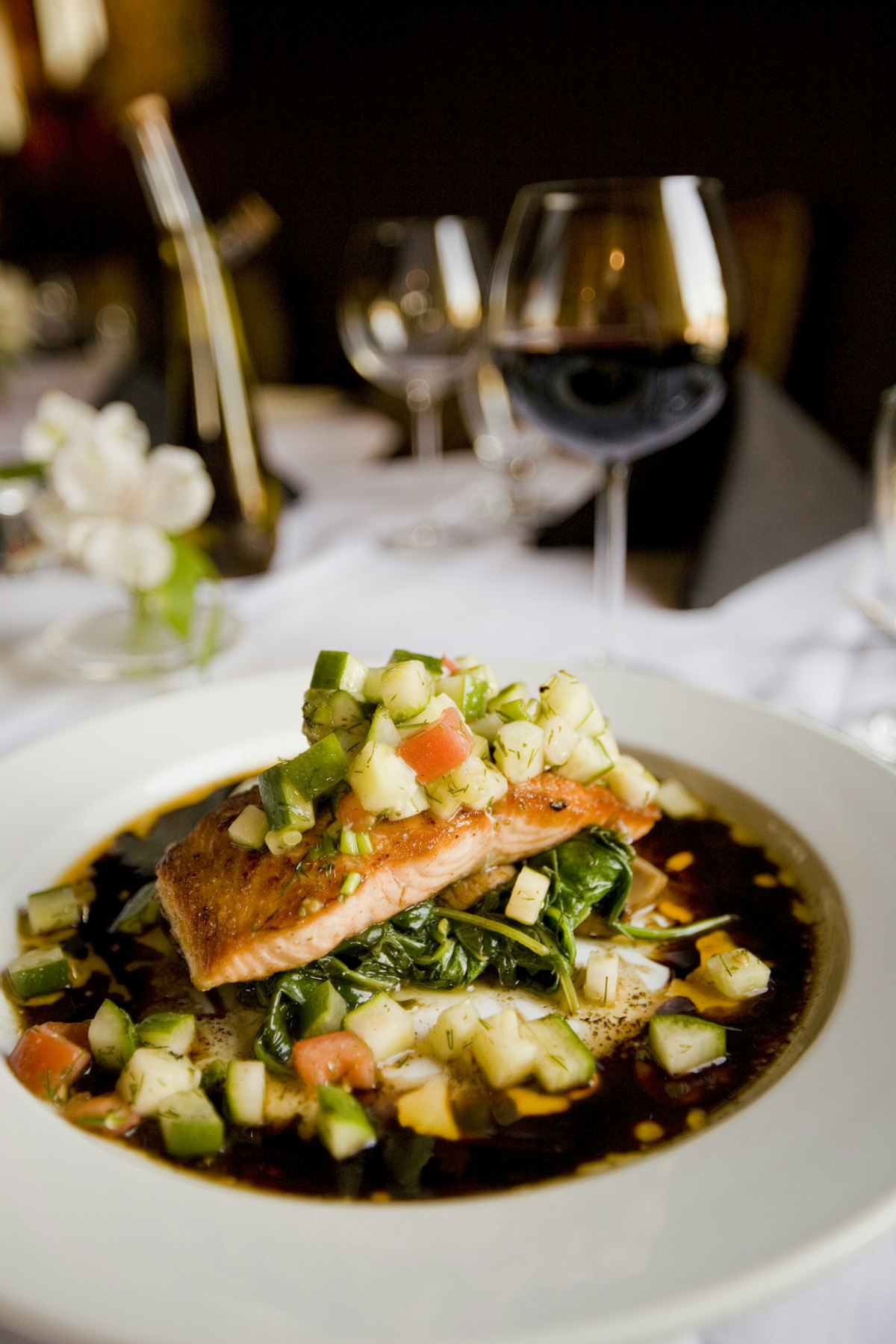
Verdelho thrives in Queensland's conditions, producing a wine that sits between the lushness of Chardonnay and the sharpness of Sauvignon Blanc. It's a natural match for Moreton Bay bugs, freshly shucked oysters, and kingfish ceviche — all of which appear on the menu at Sirromet's Lurleen's Restaurant.
Virtually every winery listed in this guide also produces exceptional non-alcoholic grape juices, sparkling grape drinks, jams, olive oils, and artisan condiments. The scenic drives, vineyard walks, gourmet food, and cheese boards are outstanding regardless of whether you drink. Several of our most enthusiastic wine tour guests don't drink alcohol at all.
Insider Tips from a Brisbane Wine Writer
Eight years of covering Queensland wine has taught me things you won't find in any official visitor guide. Here's what I'd tell a friend planning their first tour:
-
1Ask the winemaker what they're excited about right now. Most Queensland cellar doors have a small experimental batch or a rare variety they made "just to see if it would work." These wines are almost never listed on the tasting menu. Ask, and you'll usually get a generous pour of something extraordinary.
-
2Buy at cellar door, not at the liquor store later. A significant portion of Queensland boutique wine production never leaves the cellar door — it's sold exclusively to visitors. If you taste something exceptional and want to take it home, buy it on the day. You will not find it again.
-
3Go mid-week if you can. Weekend crowds at popular cellar doors can affect the quality of the experience — shorter pours, busier staff, less conversation. A Tuesday or Wednesday is a completely different world, especially at smaller producers like Mason Wines or Ridgemill Estate.
-
4Pace yourself through the morning. Most wine tours visit 3–4 cellars. If you're fully drinking each tasting flight, that's 10–15 pours before lunch. The wines early in the day are often the most interesting — make sure you can still taste properly by the time you reach the final winery.
-
5Dress in layers for the Granite Belt year-round. Even in summer, Stanthorpe evenings drop sharply. In winter, temperatures can fall close to freezing overnight. If your tour finishes late, a jacket is not optional — it's essential.
-
6Tell your guide what you normally drink. Our Cooee guides customise the tasting experience based on your palate — if you normally drink Marlborough Sauvignon Blanc, we'll steer you toward the cool-climate whites at Scenic Rim rather than Mount Tamborine Shiraz. This single step dramatically improves the experience.
Harvest tours (February–April) are the most popular and sell out 4–6 weeks in advance, particularly on weekends. If you want a harvest experience, book as early as possible. Our Cooee team can add you to a waiting list if your preferred date is full.