Australia's Most Romantic Remote Town
Broome sits at the top of Western Australia like an afterthought that became the point of everything. It is a small, tropical town — 2,200km from Perth, 40 years away from wherever you came from — and it is impossibly, persistently beautiful.
The Indian Ocean turns extraordinary colours here. The pindan cliffs are a violent shade of red. The beach — Cable Beach, 22 kilometres of white sand with not a building on the horizon — produces a nightly sunset so extravagant it feels staged. And then there are the camels, walking through the shallows with their silhouettes against the gold, which somehow never tips into cliché because the thing itself is genuinely that good.
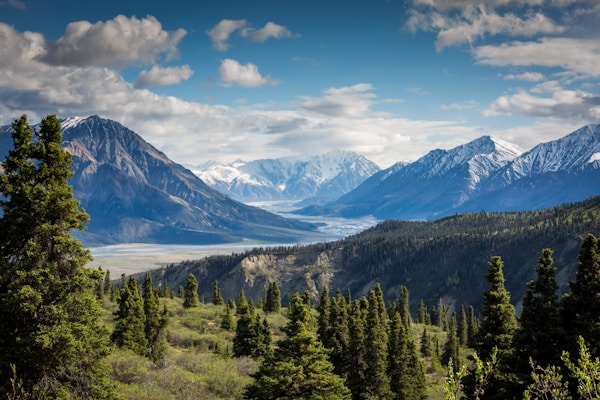
Broome is also, crucially, the western gateway to the Kimberley. This means that from here, you can be swimming in a gorge accessible only by 4WD within a day's drive, or watching Horizontal Falls from a seaplane within a few hours. The town itself rewards several days of relaxed exploration; the surroundings reward as much time as you can give them.
The Best Things to Do in Broome
Cable Beach is to Broome what the Opera House is to Sydney — the image that defines the place, and one that somehow still manages to exceed expectation when you arrive. Twenty-two kilometres of white sand, the Indian Ocean turning from turquoise to gold to rose as the sun drops, and a tradition of sunset watching that the whole town participates in collectively. Go at least twice — once on foot, once on camelback.
- Arrive 45 minutes before sunset for the best position on the beach
- The stretch north of the main access track is less crowded and equally beautiful
- Avoid swimming Nov–Apr due to marine stingers — check current conditions
- Camel tour operators depart from the beach daily around 5:30pm (bookings required)
Broome's camel sunset ride is one of those experiences that has been so photographed it seems inevitable that the reality will disappoint. It does not. Walking through the Indian Ocean shallows on camelback as the sun descends behind the horizon is genuinely extraordinary — and the photograph from it is the best you will ever take on a phone.
Several operators run daily sunset departures. Rides are typically 45–60 minutes and include the beach walk and a deep-in-the-water section as the sun touches the horizon. Book at least 48 hours ahead in peak season (July–August).
- Book through an accredited operator — Red Sun Camels and Ships of the Desert are both established
- Depart times vary by sunset — check your booking for exact time
- Hold your camera above your head for the signature shot at the water's edge
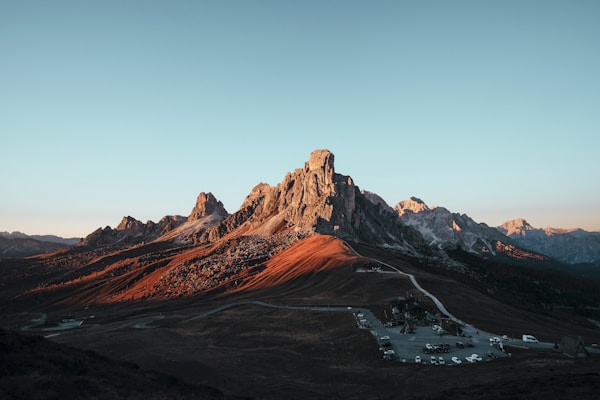
At the southern end of Cable Beach, the red pindan cliffs drop into a shelf of ancient reef where 130-million-year-old dinosaur footprints are embedded in the rock. They are only visible when the tide drops below approximately 2.16 metres — check the local tide charts before you go. When visible, the tracks are astonishing: three-toed prints pressed into Cretaceous-era sandstone by an animal that weighed several tonnes.
Even when the tracks are submerged, Gantheaume Point is worth visiting. The red cliffs against the extraordinary turquoise of the Indian Ocean are among the most photogenic views in Australia — particularly at golden hour. A set of replica footprint casts is installed near the viewing platform for year-round viewing.
- Real tracks: tide must be below 2.16m — check BOM tide predictions
- Replica casts installed near the platform for non-tide-dependent viewing
- The lighthouse at the point was built in 1912 and is worth photographing
- Arrive 30 minutes before low tide for the best window on the actual tracks
Three nights per month, between March and October, the full moon rising over Roebuck Bay creates one of Australia's most celebrated optical phenomena. The moonlight reflects off the corrugated mudflats of the bay as the tide recedes, producing a shimmering staircase of gold that appears to climb from the water to the moon itself.
The Town Beach markets run on Staircase nights — it has become the most popular social event in the Broome calendar. Locals and visitors arrive with wine and picnic food from 5pm; the staircase typically appears an hour after sunset. The experience lasts 20–30 minutes before the tide or moon angle breaks the illusion.
- Check exact dates at the Broome Visitor Centre — varies monthly with moon phase
- Town Beach markets run on Staircase nights — food, wine, and community atmosphere
- Bring a tripod for photography — low light and movement require long exposure
- The Mangrove Hotel viewing deck provides an elevated vantage point

Broome's Chinatown is not what you expect. It is a small, sun-bleached precinct of corrugated iron and tin-roofed buildings that has absorbed waves of migration — Japanese, Chinese, Malay, Koepanger — since the pearl lugger industry brought the world to this remote coast in the 1880s. At its peak, Broome produced 80% of the world's mother-of-pearl shell, and the town's multicultural character still reflects the people that trade attracted.
The Japanese Cemetery holds the graves of 919 divers who died in the industry — most from decompression sickness, many in cyclones. Sun Pictures Cinema (1916) is the world's oldest operating outdoor cinema. Pinnacles pearl gallery on Dampier Terrace offers ethical cultured pearl purchasing from local farms.
- Sun Pictures cinema screens nightly — book the old deckchair seats for the experience
- The Japanese Cemetery is a sobering and important piece of Australian maritime history
- Pearl Luggers museum on Dampier Terrace tells the full industry story with real vessels
- Visit Broome Historical Society Museum for the full multicultural migration story
The Horizontal Falls are one of Australia's most spectacular natural phenomena — tidal forces of up to 10 metres push enormous volumes of seawater through two narrow coastal gorges in Talbot Bay, creating a waterfall effect that flows horizontally. David Attenborough described them as "one of the greatest natural wonders of the world."
Tours depart Broome by seaplane or floatplane, flying over the extraordinary Buccaneer Archipelago before landing at Talbot Bay. From a pontoon vessel, guests view the falls and participate in zodiac tours to experience the tidal forces close up. Swimming in shark-proof cages is available on some departures. Most tours include a barramundi lunch on the water.
- Seaplane tours from Broome fill months ahead in peak season — book early
- The experience varies significantly by tidal timing — operators manage this for you
- Wildlife spotting (sharks, rays, turtles) is excellent during the flight over the archipelago
- Minimum age requirements apply for zodiac rides through the falls channel
"People who've never been to Broome often ask whether it's really as beautiful as the photographs. I always say: the photographs are accurate. The sunset is actually that colour. The pindan cliffs are actually that red. Cable Beach is actually that wide and that empty. And then the Kimberley is right there. It's the only town in Australia where the setting exceeds the photographs, and that's saying quite a lot."
— Sarah McKenzie, WA Specialist, Cooee Tours · 11 years guiding Broome and the Kimberley
Broome as Kimberley Gateway — Adventures at Your Doorstep
Broome's greatest asset may be its position. From this tropical town, some of the world's most extraordinary wilderness experiences are accessible in a single day — or the start of a multi-week expedition. These are the Kimberley adventures most commonly added to a Broome stay.
Broome by Season
- Warm, sunny days (25–32°C) with cool nights
- Staircase to the Moon on full moon nights
- Marine stinger-free — swimming at Cable Beach safe
- Peak sunset colour intensity — spectacular
- Horizontal Falls seaplane tours operating
- Gibb River Road open for expeditions
- Hot and humid (30–40°C) with afternoon storms
- Marine stingers present — no Cable Beach swimming
- Broome's famous lightning storms — spectacular to watch
- Gibb River Road closed — no gorge access
- Dramatically fewer crowds — genuine solitude
- Seaplane tours to Horizontal Falls still operating
Before You Visit Broome
Fly: Direct flights from Perth (~2.5hrs), Darwin, and Melbourne (seasonal). Broome Airport (BME) is 2km from town — taxis and ride-share available. Drive: 2,200km from Perth via Great Northern Highway — typically 2–3 days. Car hire is available in Broome (book ahead in peak season).
Cable Beach: Beachfront resort access — Cable Beach Club Resort, Pinctada Cable Beach. Town: Mangrove Hotel, Roebuck Bay Backpackers, various caravan parks. Budget tip: Book 3–6 months ahead for July–August. Prices increase significantly in peak season.
Broome is spread across several precincts — a hire car is ideal. Cable Beach to town is ~6km. A free Bus Around Broome shuttle runs in peak season between Cable Beach, town, and key attractions. Taxis and Uber are available but limited supply in peak season.
Crocodiles: Saltwater crocodiles inhabit coastal waters — only swim in designated areas. Stingers: Irukandji jellyfish Oct–Apr — do not swim in the ocean. Sun: UV index extreme year-round — SPF 50+ mandatory. Heat: Carry water constantly — dehydration risk is serious.
Broome has some of the most extreme tidal ranges in Australia. The dinosaur footprints at Gantheaume Point require tide below 2.16m to be visible. Check BOM tides before planning your visit. Extreme tides also affect Cable Beach width — low tide reveals the full 22km stretch.
Broome is home to significant Aboriginal and multicultural heritage. Ask permission before photographing community members or entering cultural sites. Support Indigenous businesses — Goolarri Media, Waringarri Arts, and Indigenous-owned tour operators deserve your bookings. Never touch the dinosaur footprints at Gantheaume Point — they are irreplaceable.