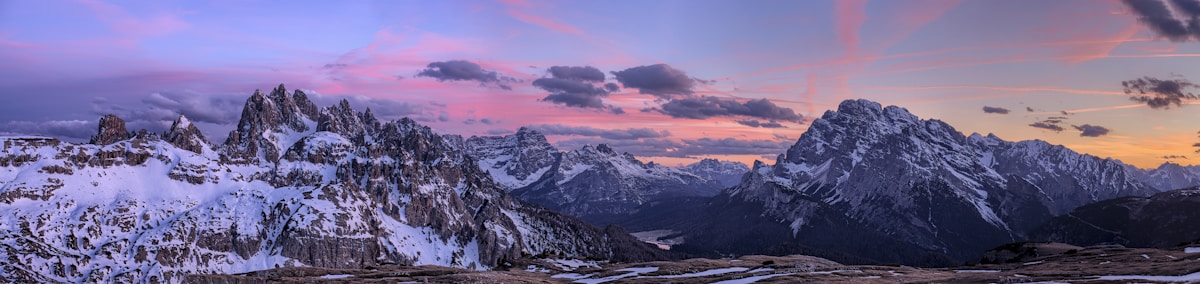
The Most Legendary Road in Australia
The Gibb River Road is 660 kilometres of unsealed red dirt cutting through the heart of the Kimberley between Derby and Kununurra. It is not a shortcut. It is not a scenic alternative to the highway. It is its own destination — a sequence of gorges, cattle stations, and wilderness swimming holes that exist nowhere else on Earth.
The road was originally built in the 1960s to move Kimberley cattle to port. Today it's one of Australia's most iconic 4WD experiences — accessible only in the dry season (roughly May to October), requiring a high-clearance 4WD with two spare tyres, and delivering some of the most extraordinary natural experiences in the country to those who come prepared.
This guide covers the major things to do along the route in sequence from Derby, with honest notes on difficulty, what to expect, and where a guide genuinely changes the quality of the experience.
 The Gibb River Road
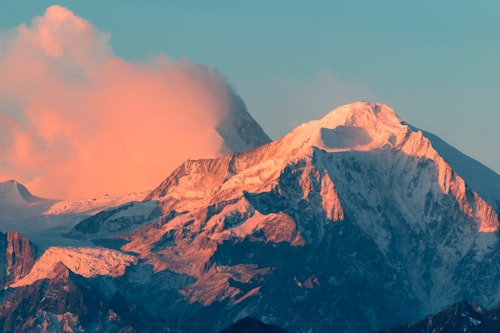 Gorge Swimming
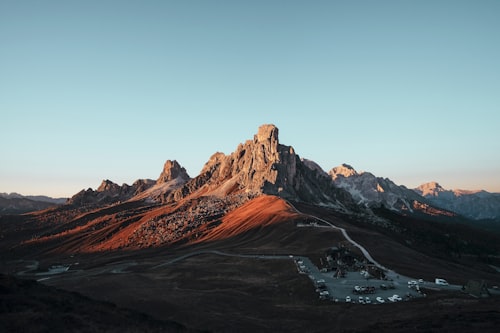 Kimberley Country
What to Do on the Gibb River Road
Listed west to east (Derby → Kununurra). Click each entry to expand.
Windjana Gorge was once a massive Devonian-age reef system — the limestone walls that rise 90 metres on either side of you are 375 million years old and still contain the fossils of ancient marine creatures. The Lennard River has carved through this ancient seafloor, leaving a flat sandy walk between walls of extraordinary vertical stone.
What makes Windjana genuinely memorable is the freshwater crocodile population — the largest congregation of freshwater crocs in WA. They line the sandy banks in the sun, visibly unconcerned by visitors. Freshwater crocs are not considered dangerous to humans (unlike their saltwater cousins), but the sheer number — often 20 or more in a single view — is spectacular.
- 3.5km return walk along the gorge floor · Flat and easy
- Freshwater crocodiles line the banks — extremely photogenic
- Significant Aboriginal cultural site — treat with respect
- Camping available at the gorge
- Accessible via dirt track (not the main Gibb) — standard 4WD fine
Tunnel Creek is the oldest cave system in the Kimberley — water carved it through a limestone spur over 750,000 years. You enter at one end of a 750-metre cave, wade through shallow pools (some thigh-deep), feel your way through a dark middle section by torchlight, and emerge blinking into another gorge on the opposite side.
It is also historically significant as the refuge of Aboriginal outlaw Jandamarra, who hid here for years while evading colonial police in the late 1800s. The mix of geological wonder, total darkness, bat colonies, and history makes Tunnel Creek one of the most genuinely strange and memorable short experiences on the entire Gibb River route.
- Bring a good torch — critical for the dark section
- Waterproof shoes or sandals for the wading sections
- Freshwater crocodiles inhabit the cave pools — do not disturb
- Roughly 45–60 minutes return through the cave
- Combined day visit with Windjana Gorge is strongly recommended
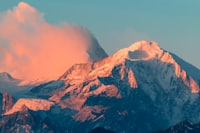
Bell Gorge is, quite simply, one of the most beautiful places in Australia. A tiered waterfall cascades into a deep cold pool surrounded by orange sandstone walls — and the walk to reach it (roughly 90 minutes return from the campsite) is remote enough that it rarely feels crowded. When you arrive and drop into the water, the silence and the cold and the scale of the rock above you produce a specific variety of happiness that has been difficult to describe in all the years our guides have been leading people here.
Access is via Silent Grove Station on a track off the Gibb. You pay a station fee, camp or depart, and walk in from the campsite. The station is well-run and the facilities are good by remote Kimberley standards.
- 90-minute return walk (some scrambling over rocks) · Moderate
- Cold, clear pool perfect for swimming — bring a dry bag for your camera
- Station access fee applies — paid at Silent Grove
- Camping at Silent Grove is excellent — pre-book in peak season
- Best visited early morning (golden light) or late afternoon
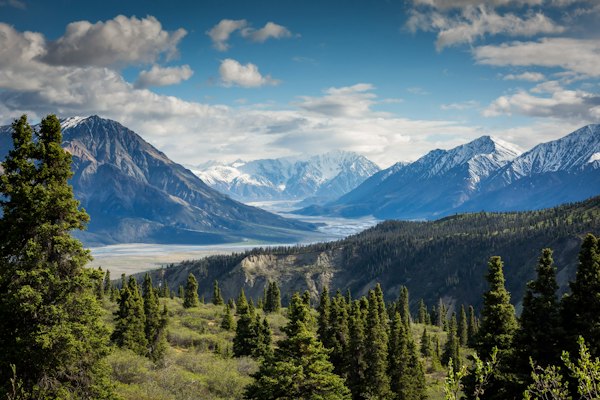
Manning Gorge at Mt Elizabeth Station requires a bit more commitment than Bell — and rewards that commitment substantially. To reach the main gorge, you cross the Manning River (via a rope-and-barrel raft contraption that is simultaneously practical and slightly absurd), then walk 90 minutes through open Kimberley bushland to wide, tiered cascades above a deep blue swimming hole.
The even better option is the overnight hike. Camp at the upper gorge and wake to have the entire place to yourself before day visitors arrive. Mt Elizabeth Station's campground is excellent, the evening cattle musters are worth watching, and the station owners are the kind of Kimberley people who've been here three generations and know every square metre of the country.
- 3-hour return day walk (plus river crossing) · Moderate
- Overnight option to upper gorge — highest recommended experience on the Gibb
- Station access and camping fee at Mt Elizabeth
- The rope-and-barrel river crossing is genuinely fun
- Look for freshwater fish in the deep holes below the falls
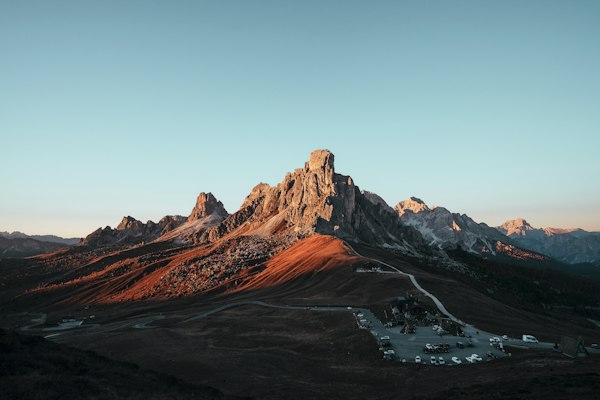
Barnett River Gorge sits directly off the Gibb River Road, accessible in a short walk from the roadside. It lacks the profile of Bell or Manning but offers a genuinely beautiful swimming hole — deep, cold, clear — set between vertical sandstone walls with almost no visitor traffic even in peak season. It is the kind of place you stop for an hour and somehow stay for three.
- Short walk from roadside — 5 to 10 minutes
- No station fee or permit required
- Deep swimming hole with excellent cliff jumping (exercise judgment)
- Very low visitor numbers even in July–August
- Make it a lunch stop — the sandstone slabs are perfect for drying off
El Questro is the Gibb River Road's grand finale. A working cattle station covering more than 1 million acres near the road's eastern end, it contains its own gorge system (the Chamberlain Gorge, best seen by boat tour), thermal springs that bubble out of a cliff face above the river at precisely the right temperature to slide into, and a walking network that can occupy 3–4 days without repeating anything.
Emma Gorge — El Questro's showpiece — involves a 90-minute one-way walk along a creek bed to a plunge pool beneath a 60-metre waterfall with its own thermal spring seeping from the cliff wall. It is one of the most extraordinary single walk-to-swim experiences in the Kimberley.
- Station entry fee required (Kimberley Parks Pass covers this)
- Emma Gorge walk: 90 minutes one-way · Moderate scrambling
- Chamberlain Gorge boat tour: highly recommended
- Thermal springs at El Questro Station: easy access, extraordinary experience
- Accommodation from campground to luxury lodge — book months ahead
"People ask me which gorge is the best on the Gibb. I always refuse to answer — because asking which is best is asking the wrong question. Windjana is the most ancient. Tunnel Creek is the strangest. Bell is the most beautiful. Manning is the most rewarding. Barnett is the most private. El Questro is the most complete. You need all of them. That's why the road is 660 kilometres long."
— Sarah McKenzie, WA Road Trip Specialist, Cooee Tours · 11 years guiding the Gibb
Derby → Kununurra — Day by Day
Fill your tank completely. Pick up supplies. Check your tyre pressures and confirm your satellite communicator is charged. Call ahead to Windjana to confirm park access if driving directly. Derby's wharf and massive boab tree are worth an hour before departure.
These two are best combined on the same day — they're close together and complement each other perfectly. Windjana in the morning (crocodiles are most active early), Tunnel Creek in the afternoon. Camp at Windjana or push on to Imintji for fuel.
Leave time for the corrugated road. Arrive at Silent Grove station before 3pm to pay your fee and settle in before the evening. Walk to Bell Gorge before sunset. Second day: swim morning and afternoon, depart after lunch.
Overnight at Mt Elizabeth Station for the full Manning Gorge experience. Upper gorge camping is extraordinary. Stop at Barnett River the following day for a spontaneous swim before pushing east.
Two nights at El Questro minimum — Emma Gorge walk, boat tour on Chamberlain, thermal springs, and the extraordinary sunsets from the ridge above the homestead. Arrive Kununurra on Day 8 or 9, depending on pace.
Essential Practical Information
High-clearance 4WD is essential — not optional. Two spare tyres minimum. Recovery gear (snatch strap, Hi-Lift jack, shovel). A full-size spare, not a space-saver. Fuel range of at least 500km with jerry cans. Tyre pressures should be reduced to 28–30 PSI on corrugated sections.
Fuel is available at Imintji (~270km) and Home Valley Station (~550km) — but not reliably, and not cheaply. Carry enough fuel to cover 500km between planned stops. Food and water at Imintji and Mt Elizabeth Station. Do not rely on phone signal for navigation after Derby.
Mobile coverage disappears entirely after leaving Derby. A satellite communicator (Garmin inReach, SPOT, or PLB) is strongly advised and considered essential by most experienced Gibb travellers. Lodge a trip plan with DFES Western Australia before departure.
The road is typically open May to October. June to August is peak season with maximum activity at gorges. May and September–October are less crowded with similar conditions. The road closes entirely during the wet season (November–April) when river crossings become impassable. Always confirm via Main Roads WA.
Freshwater crocodiles inhabit most gorge pools — they are not considered dangerous to humans but should not be disturbed or provoked. Do not swim in murky water or near river mouths where saltwater crocodiles may be present. Check for current crocodile warnings at each gorge.
Most gorge visits require station access fees for the adjoining campground. Book Silent Grove, Mt Elizabeth, and El Questro well in advance for July–August. Free camping exists along the road but is limited. Budget $30–80 per night per vehicle for station camping across the route.