Australian Rules Football is unlike any sport on earth — played on oval cricket grounds, with 36 players in constant motion, spectacular aerial marks, and an atmosphere that ranges from family-friendly sunshine to deafening 100,000-seat finals. For visitors and first-timers, attending a live AFL match is one of the most authentically Australian experiences you can have. This guide covers everything you need to know as a beginner, from picking the right game to celebrating after the final siren.

Choosing the Right Match
PlanNot all AFL matches deliver the same experience, and your choice of game will shape the entire day. Rivalry matches — known as derbies — deliver the most intense atmosphere: think Collingwood vs Carlton at the MCG, the Western Derby in Perth between West Coast and Fremantle, or the Showdown in Adelaide between the Crows and Power. These games are loud, tribal, and unforgettable, though tickets are harder to get and crowds can be chaotic for a first-timer.
If you'd prefer a more relaxed introduction, a regular home-and-away match at a mid-sized ground like the Gabba (Brisbane) or GMHBA Stadium (Geelong) offers shorter queues, easier seating, and a friendlier local crowd — while still giving you the full match experience. For the ultimate spectacle, the AFL Grand Final at the MCG on the last Saturday in September is a bucket-list event, though tickets are extremely scarce.
The 2026 season runs from 5 March through to the Grand Final on 26 September, covering 25 rounds and a five-week finals series. Friday-night and Saturday-afternoon fixtures typically have the best atmospheres for regular-season games. Gather Round in Adelaide (April) is a fantastic festival-style event worth considering for visitors in the area.
Buying Tickets
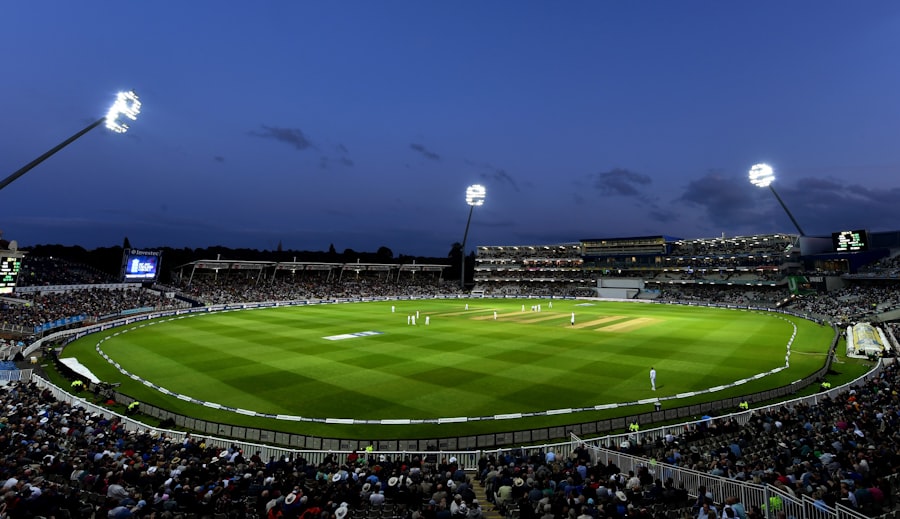
TicketsTickets for most AFL matches are available through the official AFL website, individual club sites, and Ticketmaster. For regular-season games at large venues like the MCG (capacity ~100,000), tickets are usually plentiful — you can often buy on the day. For marquee matches, derbies, and especially finals, book well ahead.
Seating falls into three tiers. General admission is cheapest and gives unreserved access to designated bays — arrive early for the best spots. Reserved seating guarantees your exact seat and is worth the modest upgrade for first-timers who want certainty. Premium and corporate packages include lounge access, food and drinks, and the best sightlines — excellent for a special occasion.
Most clubs also offer family zones with lower prices and kid-friendly areas. Always buy through official channels; unofficial resellers carry the risk of invalid tickets and significantly inflated prices.

Getting to the Ground
TravelMajor AFL stadiums are well connected by public transport — driving is generally discouraged due to limited parking and post-match congestion. The MCG is a short walk from Richmond or Jolimont stations, and Melbourne's tram network drops you directly at the gates. Marvel Stadium in Docklands is accessible by tram or a short walk from Southern Cross Station. Adelaide Oval, the Gabba, and Optus Stadium (Perth) all have similarly reliable public-transport connections.
If you're visiting from interstate or internationally, consider building the match into a broader itinerary. A Melbourne sports weekend might combine an AFL match with a day exploring the laneways, a Great Ocean Road trip, and dinner in the city's excellent restaurant precincts. Cooee Tours arranges group transport to and from stadiums — especially useful for evening matches when public transport is crowded on the return journey.

Understanding the Rules
LearnAFL can look chaotic at first — 36 players swarming an enormous oval — but the core is simple: get the ball between the tall goalposts by kicking it. Handballing (punching the ball off a fist), tackling, and spectacular "marks" (catching the ball cleanly from a kick) are the other key actions. Once you grasp those basics, the rest fills in naturally as you watch.
AFL at a Glance — Key Numbers
Scores are read as "goals–behinds–total" — so "12.8.80" means 12 goals (72 points) plus 8 behinds (8 points), totalling 80. The team with the higher total wins. There's no offside, no time-outs except for injury and drinks breaks, and the ball is in play almost continuously — that's what gives AFL its breathless, non-stop energy.
Don't stress about memorising every rule before you attend. Stadium screens display scores and replays, fan guides are available at entry gates, and the crowd's reactions will tell you everything you need. On a Cooee Tours package, your guide explains the action in real time — by the third quarter, most first-timers are cheering like locals.
Match-Day Tips
Game DayDress for the weather and the team. Melbourne weather is famously unpredictable — a sunny start can turn cold and rainy by evening, especially for Friday-night matches. Layers are essential year-round. Wearing the colours of one of the playing teams (even a scarf from the merchandise shop) adds to the fun and draws you into the tribal atmosphere. You'll get significantly more engagement from the crowd around you.
Food and drink. Stadium food has improved enormously in recent years. The MCG and Marvel Stadium offer everything from classic meat pies (a non-negotiable AFL tradition — don't miss it) and hot dogs to gourmet burgers, dumplings, and craft beer. Most grounds are cashless, so bring a card. Outside food is generally allowed at the MCG and some other grounds — check the venue's website beforehand.
Atmosphere. Walk the ground before the game to find fan zones, live music, merchandise stalls, and kids' activity areas. The pre-game warm-up on the oval lets you see the players' extraordinary athleticism up close. When the match starts, the roar from 50,000+ people at the first bounce is something you'll remember long after you've left Australia.

After the Final Siren
CelebrateThe experience doesn't end when the siren sounds. After a match at the MCG, thousands of fans pour into the pubs along Swan Street in Richmond or across the Yarra into the CBD — it's one of Melbourne's great post-sport rituals. Grab a pub meal, debrief the game with strangers who become temporary friends, and you'll quickly understand how central AFL is to Australian social life.
For evening games, the atmosphere in surrounding bars and restaurants is electric for hours after the final siren. For afternoon matches, you'll have time to wander the city, catch a sunset walk along the Yarra, or head to a rooftop bar in the CBD. If you're with Cooee Tours, post-match transport takes the stress out of the return journey — especially useful if you've celebrated with some enthusiasm.
Before leaving the ground, grab a match-day program or a piece of merchandise as a souvenir. Photos from the stands at the final siren — particularly if you happen to catch the winning team's song echoing around the ground — are the keepsakes that make this more than just a game. It's a cultural experience that's uniquely, completely Australian.