


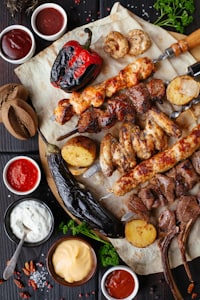

🗺️ 1. Choose Your Destinations Strategically
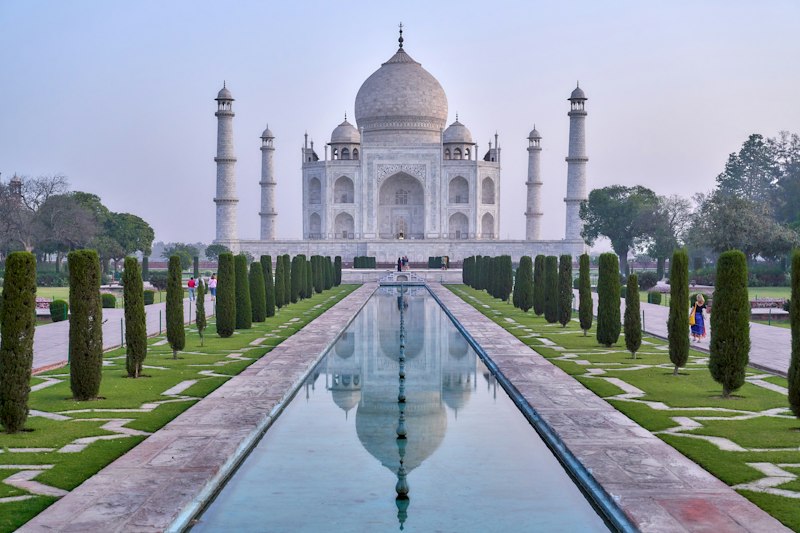
Strategic destination clustering is the single biggest money-saver in multi-country travel
The foundation of budget multi-country travel starts with smart destination selection. Not all countries offer equal value, and combining geographically close destinations dramatically reduces your biggest cost: transport.
Regional Clustering: The Golden Rule
Choose countries that are geographically close to reduce transport costs and maximise your time. Flying between distant continents consumes both budget and valuable travel days.
- Southeast Asia Circuit: Thailand → Vietnam → Cambodia → Laos (flights from $30–80 between countries; best value has shifted to Cambodia, Vietnam, and Laos per Brokepackr's 2026 Cost Index)
- Balkan Adventure: Croatia → Bosnia → Montenegro → Albania (buses $10–25; ~$35/day average)
- Central America Trail: Mexico → Guatemala → Belize → Nicaragua
- Baltic Route: Poland → Lithuania → Latvia → Estonia (trains/buses $15–40)
- South Pacific: Australia → Fiji → New Zealand (seasonal deals available)
2026 Daily Budget Ranges by Region
| Region | Daily Budget (AUD) | Best Value Pick |
|---|---|---|
| Southeast Asia | $28–50 | Vietnam (~$28/day, Brokepackr Feb 2026) |
| Eastern Europe / Balkans | $35–55 | Romania, Albania, Georgia |
| Central/South America | $35–65 | Bolivia, Peru, Colombia highlands |
| Western Europe | $70–120 | Portugal, Hungary, Bulgaria |
| Oceania | $80–150 | Fiji islands, regional NZ |
Shoulder Season Savings
Shoulder seasons offer the sweet spot of good weather and lower prices — save 30–50% on accommodation and flights while avoiding crowds.
- Europe: April–May or September–October
- Southeast Asia: February–March or October–November
- South America: April–May or September–November
- Australia/New Zealand: March–May or September–November
📋 2. Plan a Flexible Yet Structured Itinerary
The best multi-country itineraries balance structure with flexibility. You need enough planning to avoid expensive last-minute bookings, but enough flexibility to seize deals and adjust to better opportunities.
The 60–40 Planning Rule
Book 60% of your trip in advance (flights between countries, first few nights' accommodation, major attractions) and leave 40% flexible for spontaneous decisions. This approach provides security while allowing you to adapt.
Week 1: Bangkok (3 days) → Chiang Mai (4 days)
Week 2: Hanoi (3 days) → Ha Long Bay (2 days) → Hoi An (2 days)
Week 3: Siem Reap, Cambodia (4 days) → Bangkok (1 day) → Fly home
Total estimated cost: $1,800–2,500 AUD including flights from Australia
✈️ 3. Master the Art of Flight Booking

Smart flight booking can save you hundreds — sometimes thousands — of dollars
Airfare typically consumes 40–50% of a multi-country trip budget. Mastering flight booking strategies is the single highest-leverage skill for budget travel.
Optimal Booking Windows
International flights are typically cheapest when booked 2–4 months ahead, while regional budget airline tickets are often cheaper closer to departure (3–6 weeks out). Set price alerts on Google Flights, Skyscanner, and Kayak to track price drops automatically.
- Asia: AirAsia, Scoot, Jetstar Asia, VietJet Air ($30–80 for most regional routes)
- Europe: Ryanair, EasyJet, Wizz Air, Vueling (from €5–25 for shorter routes)
- Americas: Southwest, Spirit, Frontier, Volaris
- Australia/Pacific: Jetstar, Fiji Airways
Flight Hacking Techniques
- Flexible dates: Being flexible by 2–3 days can save $100–300 per flight
- Incognito browsing: Always search in private mode to avoid dynamic pricing based on search history
- Carry-on only: Pack only carry-on to avoid checked baggage fees ($25–60 per bag on budget airlines)
- Alternative airports: Check nearby airports — flying to a different hub and taking a bus may be cheaper overall
- Positioning flights: Sometimes flying to a hub city first (Singapore, Bangkok) and booking separate budget flights out is cheaper than direct multi-city tickets
🏡 4. Affordable Accommodation Without Sacrificing Comfort
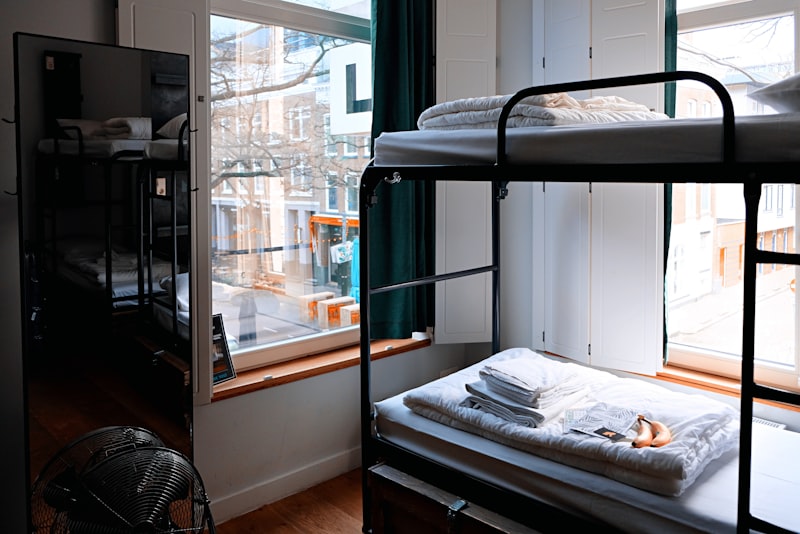
Modern hostels have evolved well beyond basic dorms — many offer quality private rooms with social atmospheres
Accommodation costs accumulate quickly across multiple countries, but smart choices can cut this budget category dramatically.
Hostel Excellence
- Cost savings: $15–40 AUD per night vs $80–200 for budget hotels
- Social value: Common areas, organised activities, and shared kitchens create connections and tip exchange
- Book via: Hostelworld, HostelBookers — focus reviews on cleanliness, location, and security
Alternative Accommodation Options
- Guesthouses and homestays: Often cheaper than hostels in Asia with authentic local meals and insider knowledge included
- Airbnb for groups: Works best for 3+ people sharing, stays of 5+ nights (weekly discounts), and when you want kitchen access
- Couchsurfing: Free accommodation with locals — genuine cultural exchange, requires advance planning and careful host selection
- Overnight transport: Sleeper trains and overnight buses simultaneously save accommodation and transport costs
- WWOOFing: Work exchange on organic farms — free room and board for 4–6 hours work daily
🚌 5. Transportation Within Countries
How you move within each country significantly impacts your budget. Local transport delivers savings while giving you an authentic experience.
Train Travel in Europe
- Eurail Pass: Unlimited travel across multiple countries (from €250 for 5 days within 1 month)
- Book early: Advance train tickets can be 50–70% cheaper than same-day purchases
- Night trains: Save accommodation costs while covering long distances (sleeper berths from €30–60)
Flight: $50–100 AUD | Train: $15–30 AUD | Bus: $10–20 AUD
Choose based on your time-to-money tradeoff and what you want to see along the way
Urban Transport Hacks
- Multi-day passes: 24-hour, 48-hour, or weekly city transport cards beat individual tickets for active exploring
- Ridesharing apps: Grab (Asia), Bolt (Europe) — often cheaper than taxis with transparent upfront pricing
- Bicycle rentals: Many cities offer bike-share programs ($5–15/day) or free tourist bike loans
- BlaBlaCar: Connects drivers and passengers sharing costs for inter-city travel across Europe
- Walking: Free, healthy, and the best way to discover hidden gems — most European and Asian cities are highly walkable
🍜 6. Eat Like a Local on a Budget
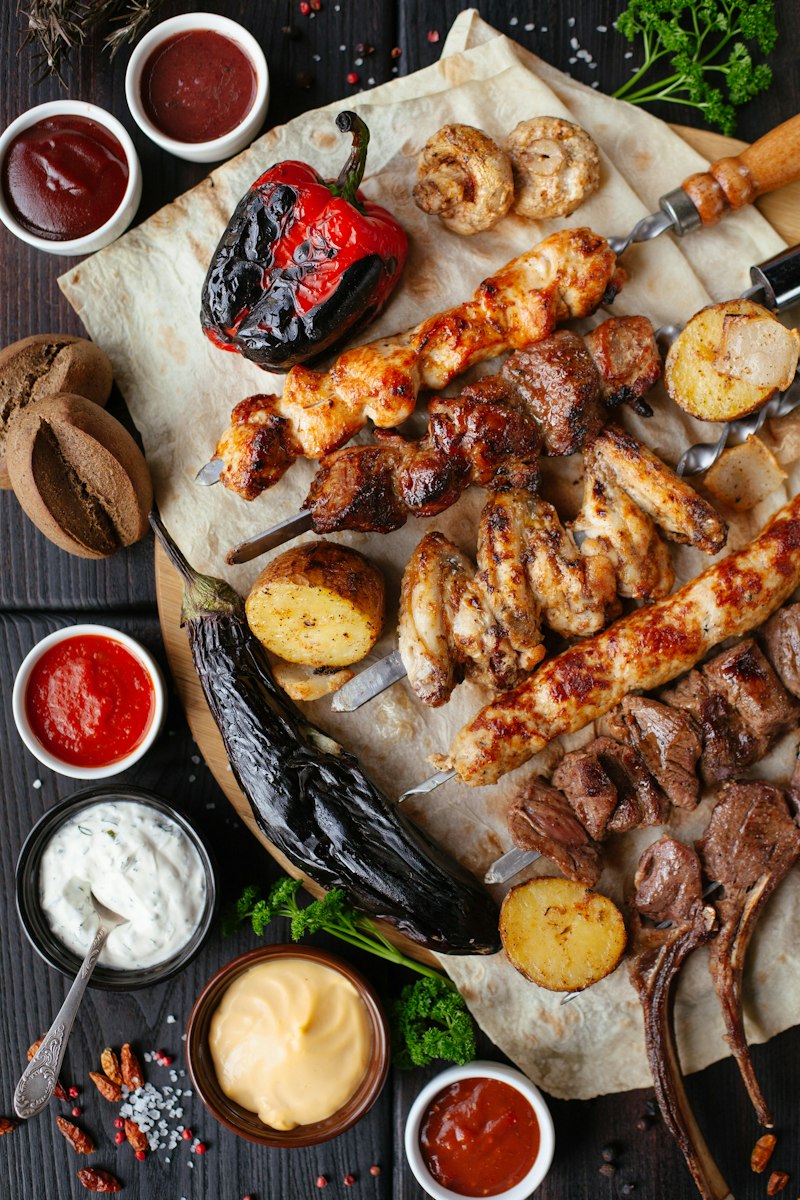
Street food offers authentic flavours at prices that restaurants simply can't match
Food represents a daily expense that accumulates quickly, but it's also where you can save significantly while enhancing your cultural experience.
Street Food: Your Budget Best Friend
- Thailand: Pad Thai, mango sticky rice, som tam ($1–3 AUD per meal)
- Vietnam: Pho, banh mi, spring rolls ($1.50–4 AUD)
- Mexico: Tacos, tamales, quesadillas ($1–3 AUD)
- India: Samosas, dosas, thali meals ($0.50–2 AUD)
Restaurant Strategy
- Lunch specials: Many restaurants offer set lunch menus at 30–50% discount vs dinner
- Local neighbourhoods: Avoid tourist zones where prices inflate 2–3x for the same dish
- Europe picnics: Bakery bread, cheese, and market produce make excellent and affordable lunches
- Japan: Convenience store meals are surprisingly good quality ($5–8 AUD)
- Carry a refillable water bottle: Saves $2–4 daily in drink purchases across your entire trip
🎭 7. Budget-Friendly Activities
Experiences make travel memorable, not how much you spend. The most memorable moments often cost nothing.
Free Walking Tours
Available in most major cities worldwide, these tip-based tours provide excellent orientation, local history, and insider insights. Budget $5–15 AUD tip for a 2–3 hour expert tour — exceptional value.
- Europe: Cathedral visits, city squares, riverside walks, public parks, first-Sunday museum days (Paris, Barcelona)
- Asia: Temple visits (often free/donation), night markets, street performances, public beaches
- Americas: Historic districts, public markets, cultural festivals, national park day visits
- Australia: Beaches, coastal walks, national park day visits, free museum days
Student, Youth, and Senior Discounts
- ISIC card: International Student Identity Card offers discounts at thousands of attractions globally
- Youth cards: Under 26–30 often qualifies for meaningful reductions
- City passes: Can save 30–50% if you plan to visit multiple paid attractions — calculate whether it pays for itself before buying
💳 8. Money Management Across Multiple Countries
Managing finances across multiple currencies requires planning to avoid excessive fees and unfavourable exchange rates — which can silently cost you hundreds over a long trip.
Best Travel Cards for Multi-Country Trips
- Wise (formerly TransferWise): Multi-currency debit card, real exchange rates, minimal fees — the top pick for Australian multi-country travellers
- Revolut: Fee-free currency exchange up to monthly limits
- 28 Degrees: Australian no-foreign-transaction-fee credit card
- Avoid airport exchange bureaus — worst rates of any option
- Use ATMs at banks rather than independent ATM operators
- Always pay in local currency, not your home currency (DCC inflates costs significantly)
- Withdraw larger amounts less frequently to minimise per-transaction ATM fees
- Keep a small amount of USD or EUR as emergency backup cash
Daily Budget Allocation
- Accommodation: 35–40% of daily budget
- Food: 25–30%
- Activities: 15–20%
- Transport: 10–15%
- Miscellaneous buffer: 5–10%
🛡️ 9. Travel Insurance: Non-Negotiable
Skipping travel insurance to save $100–200 could cost you thousands if something goes wrong. Multi-country trips increase your exposure to risks. This is the one area where budget travellers should never cut corners.
- Multi-country coverage: Ensure all destinations are explicitly included
- Medical coverage: Minimum $1 million recommended — medical evacuation alone can cost $50,000+
- Activity coverage: Ensure diving, trekking, and adventure sports are covered if planned
- World Nomads: Popular with backpackers, covers adventure activities
- Safety Wing: Month-by-month coverage ideal for longer trips and digital nomads
⚡ 10. Additional Money-Saving Strategies
- Book major attractions online in advance for 10–20% discounts plus skip-the-queue access
- Download offline maps (Google Maps offline, Maps.me) before arriving — navigate without data charges
- Buy local SIM cards ($5–20) rather than using expensive international roaming plans
- Use public WiFi with a VPN rather than mobile data wherever possible
- Travel with only carry-on luggage to avoid all checked baggage fees
- Bring a reusable water bottle, coffee cup, and shopping bag
- Pack basic medications and toiletries from home — pharmacy prices vary enormously
- Learn key phrases in local languages — often results in more authentic experiences and sometimes better prices
- Use Meetup and Couchsurfing events to find free local gatherings and meet locals
- Visit popular attractions early morning to avoid crowds and sometimes reduced entry
Smart Packing for Budget Travel
- Versatile clothing: Mix-and-match items, layers for different climates — aim for a 40-litre carry-on
- Quick-dry fabrics: Wash in sinks, dry overnight — eliminates laundry costs
- Universal adapter: One adapter covers all countries
- Portable battery pack: Avoid buying overpriced phone charges at airports
- Microfiber towel: Saves money on paid towels at budget accommodation
🧠 11. The Budget Traveller Mindset
Success in multi-country budget travel isn't just about tactics — it's about approach. The most satisfied budget travellers share certain attitudes that transform constraints into adventures.
- Embrace flexibility: Rigid plans lead to expensive decisions. When you're flexible about timing and routes, savings opportunities constantly emerge.
- Value experiences over comfort: That overnight bus saves accommodation costs and gets you to the next destination. Hostels create friendships impossible to replicate in hotels.
- Slow down: Spending 4–5 days in each location instead of 1–2 days reduces transport costs, allows for deeper exploration, and time to find local deals.
- Connect with locals: Locals know where to eat cheaply, which attractions are overhyped, and where hidden gems exist. A 5-minute conversation can save you hours and dollars.
Travelling on a budget doesn't mean sacrificing experiences. It means being resourceful, prioritising what matters to you, and finding creative solutions. The most memorable travel moments — sunsets from hilltops, street food conversations, unexpected detours to hidden beaches — cost nothing.
Explore Multi-Country Tours with Cooee Tours
Prefer expertly curated multi-destination experiences? Cooee Tours' guided adventures combine the best of Australia and the Pacific with local expert knowledge built in.
❓ Frequently Asked Questions
💰 How much money do I need for a multi-country trip?
✈️ What's the cheapest way to travel between countries?
🗺️ How do I plan a multi-country itinerary efficiently?
📅 Is it better to book everything in advance or on arrival?
💳 How can I avoid high foreign transaction fees?
🌤️ What's the best season for multi-country budget travel?
🛂 Do I need visas for multi-country trips?
📱 How do I stay connected across multiple countries without huge costs?
🌍 12. Your Multi-Country Adventure Awaits
Planning a multi-country trip on a budget combines research, strategic thinking, flexibility, and the right mindset. By implementing the strategies in this guide — from choosing cost-effective destination clusters to mastering flight booking, finding affordable accommodation, eating local, and managing money smartly — you can create an extraordinary adventure without financial stress.
- Choose geographically clustered destinations with varying cost levels
- Maintain the 60–40 balance between planning and flexibility
- Master flight booking timing and multi-city search tools
- Mix accommodation types based on each destination
- Street food and local markets slash food costs dramatically
- Use Wise or Revolut to eliminate foreign transaction fees
- Never skip travel insurance — it's not where to cut costs
Remember: budget travel doesn't mean sacrificing quality experiences — it means travelling smarter. The most memorable moments often cost nothing: watching sunsets from hilltops, conversations with locals over street food, spontaneous detours to hidden beaches, and the friendships formed in hostel common rooms.