
Queensland is one of the most biodiverse places on Earth — the only place in the world where two UNESCO World Heritage Areas meet at the coastline, where the world's oldest rainforest and the world's largest reef exist side by side. The state's 5 World Heritage Areas protect 17 million hectares of national parks, marine parks, and protected areas, and Tropical North Queensland holds Australia's highest concentration of eco-certified tourism experiences.
This guide tells you exactly where to find Queensland's most iconic wildlife — koalas, platypus, sea turtles, crocodiles, whales, and the reef's extraordinary marine life — with the specific operators, locations, timing, and conservation credentials that make each experience genuine rather than gimmicky.
🐨 Where to See Queensland's Iconic Wildlife
Queensland's wildlife encounters span the full spectrum — from cuddling a koala at a certified sanctuary to watching wild humpback whales breach 50 metres from your boat. Here are the definitive locations for each:
 Year-round
Eco Certified
Year-round
Eco Certified
Koalas
Brisbane · Gold Coast · Noosa NP · Magnetic IslandLone Pine Koala Sanctuary (Brisbane) is the world's oldest and largest, with daily koala holding encounters. Wild koalas are regularly spotted along the Noosa National Park coastal trail and in trees above Cape Hillsborough beach at dawn.
 Nov–Mar nesting
Conservation Site
Nov–Mar nesting
Conservation Site
Sea Turtles
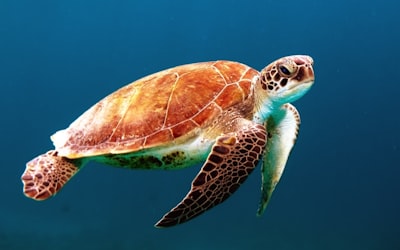
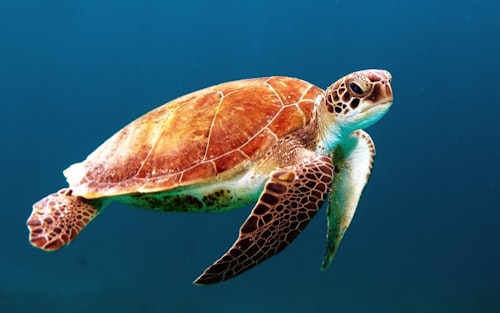
Mon Repos Bundaberg · Cairns Reef · Lady Elliot IslandMon Repos Conservation Park near Bundaberg hosts Australia's largest loggerhead sea turtle nesting programme — one of the top 5 turtle watching sites in the world. Ranger-guided night tours November–March. Reef snorkelling offers year-round sightings.
 Jun–Nov
Humpback Whales
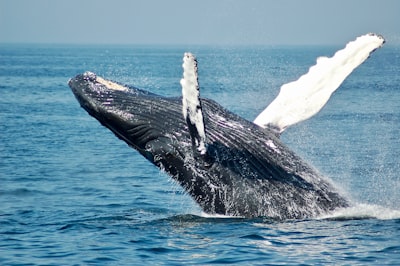
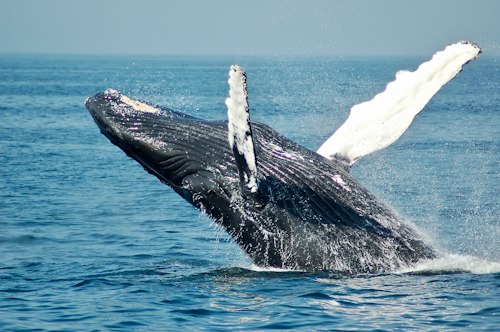
Hervey Bay · Moreton Bay · WhitsundaysHervey Bay (July–October) is Australia's premier whale watching destination — humpbacks shelter in the protected bay during migration, offering unusually calm, close encounters. Half-day tours from Brisbane's Moreton Bay operate June–November.
 Year-round, dawn best
Platypus
Eungella NP · Maleny · Mary RiverEungella National Park (Mackay) has Australia's most reliable platypus viewing — purpose-built dawn platforms above Broken River. Obi Obi Creek near Maleny and the Mary River hinterland offer excellent sightings at first light on guided kayak tours.
 Year-round
Expert Guided
Year-round
Expert Guided
Saltwater Crocodiles
Daintree River · Hartley's Palm Cove · Yellow Water NTDaintree River cruises offer the most reliable wild crocodile encounters in Australia — expert guides navigate the mangrove-fringed river with surprisingly close sightings. Hartley's Crocodile Adventures near Palm Cove runs daily guided wetlands walks and crocodile presentations.
 Year-round
Dolphins & Dugongs
Moreton Bay · Shark Bay WA · Monkey MiaMoreton Bay Marine Park (30 minutes from Brisbane) has resident dolphin, dugong, and sea turtle populations year-round. Dolphin Wild and See Moreton run eco-certified marine safaris. Monkey Mia on WA's Shark Bay is the world's most famous wild dolphin interaction site.
 Year-round
Southern Cassowary
Daintree · Mission Beach · Cape TribulationThe world's most dangerous bird and a critical Daintree Rainforest seed disperser. Best spotted at dawn along Daintree River trails and the Cape Tribulation rainforest boardwalks. Mission Beach has the highest cassowary density — guided wildlife walks increase sighting chances substantially.
 May–Oct best visibility
Advanced Eco Cert
May–Oct best visibility
Advanced Eco Cert
Great Barrier Reef Wildlife
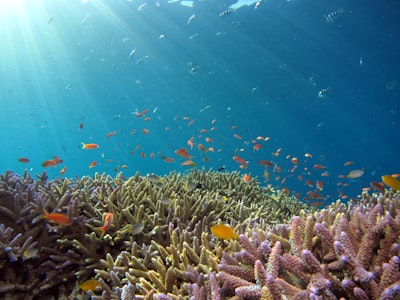
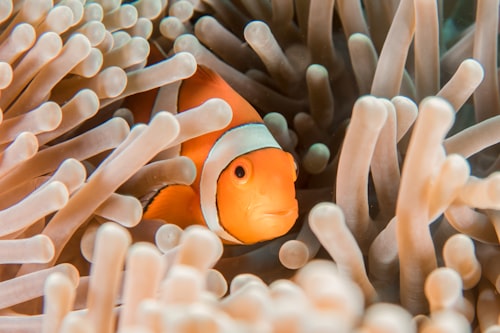
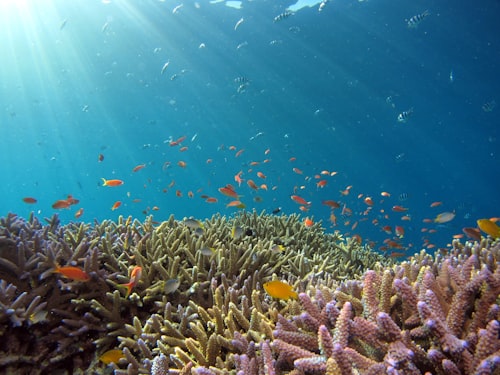
Cairns · Port Douglas · Airlie Beach · Lady ElliotThe reef supports 1,600+ fish species, 600+ coral species, 30+ whale and dolphin species, and more sea turtle species than anywhere on Earth. Day boats from Cairns and Port Douglas reach the Outer Reef in 90 minutes — introductory dives and snorkelling for all skill levels.
🌿 Signature Eco-Tourism Experiences
These are Queensland's most celebrated eco-certified nature encounters — each one operated by verified sustainable businesses contributing directly to conservation:
Daintree River Wildlife Cruise
The world's best wild crocodile encounter in a living World Heritage river
The Daintree River winds through the heart of the world's oldest tropical rainforest — a 180-million-year-old ecosystem that predates the Amazon. The river is home to saltwater crocodiles, an extraordinary array of tropical birds (including the elusive kingfisher and rare Papuan frogmouth), and the occasional cassowary on the riverbank. Guided boat cruises depart from the Daintree ferry crossing area throughout the day.
The Daintree River Cruise Centre is the only Ecotourism Australia-certified operator on the water — a member of the Hall of Fame for sustained excellence. Solar Whisper Wildlife Cruise operates the only zero-emission boats on the Daintree River, combining outstanding wildlife guiding with genuine environmental commitment.
Great Barrier Reef — Coral Restoration Experience
Snorkel the reef and contribute to active coral restoration science
Queensland's reef day-boat operators have evolved far beyond simple snorkelling trips. Leading operators including Passions of Paradise and Sailaway are active partners in the Coral Nurture Program — which harvests coral fragments, grows them in underwater nurseries, and outplants them back onto degraded reef sections. Your day on the water directly funds this research.
All certified reef operators include a Master Reef Guide — a specialist trained in marine biology, reef ecology, and wildlife identification who provides interpretive commentary throughout your dive or snorkel. From soft corals to hard Acropora gardens, reef sharks, turtles, and vast schools of tropical fish — the Outer Reef remains one of the world's great wildlife spectacles. Introductory dives (no certification required) are available on all major day boats.
Mon Repos Turtle Encounter — Bundaberg
Australia's most important sea turtle nesting site — a Top 5 global turtle watching destination
Mon Repos Regional Park near Bundaberg is home to the largest loggerhead sea turtle nesting aggregation in the South Pacific — an extraordinary natural event where hundreds of ancient turtles return to the same beach where they were born decades earlier. Queensland Parks ranger-guided tours operate nightly from November to March — watching a loggerhead turtle haul herself up the beach, excavate a nest, and lay 100+ eggs in the torch-lit darkness is genuinely one of the world's great wildlife moments.
From January onwards, hatching season begins and you may witness tiny hatchlings emerging en masse and making their frenzied dash to the sea — one of the most emotionally affecting wildlife spectacles in Australia. Bookings are essential and open months in advance — this experience regularly sells out for the entire season.
Hervey Bay Whale Watching
Australia's whale watching capital — humpbacks sheltering in calm protected waters
Hervey Bay's unique geography — a wide, shallow, protected bay sheltered from ocean swell by Fraser Island — creates ideal conditions for migrating humpback whales to rest, socialise, and nurse their calves during their northward migration. The whales often approach boats out of curiosity (a behaviour called "mugging"), making Hervey Bay's encounters consistently more intimate and prolonged than open-ocean whale watching anywhere in Australia.
Tours operate from Urangan Marina with various operators running half-day and full-day trips. Peak season is late July to mid-October when whale numbers are highest. The Whitsundays also hosts an important calving aggregation in August–September where guided sailing and motor-yacht tours encounter whales in an island backdrop of extraordinary beauty.
Eungella National Park — Platypus at Broken River
Australia's most reliable platypus viewing — purpose-built dawn platforms
Eungella National Park, 84km west of Mackay, is widely regarded as the best place in Australia to see wild platypus. The park's Broken River section has concrete viewing platforms positioned directly above the water — at dawn and dusk, platypus are reliably present, probing the creek bed for invertebrates with their extraordinary electroreceptive bills. No guide is needed; simply arrive before sunrise, settle quietly on the platform, and wait.
The park's name means "Land of Cloud" in the local Wirri language — the range rises to 1,280 metres, capturing the first rain clouds off the Pacific and creating a cool, mist-shrouded landscape unlike anywhere else in central Queensland. The resident Eungella honeyeater — found nowhere else on Earth — is a further draw for birdwatchers.
♻️ Queensland Eco-Certification: What It Means
Tropical North Queensland holds Australia's highest concentration of Ecotourism Australia-certified experiences. The Queensland Government's ambitious 45 by 45 strategy aims to deliver 45 world-class ecotourism experiences by 2045 — here's what the certification levels mean when you're choosing a tour:
Nature Tourism
Operators with a documented commitment to nature-based principles and minimal-impact practices. A solid starting point.
Ecotourism Certified
Independent audit confirms ecological sustainability, conservation contribution, and community support. Book with confidence.
Advanced Ecotourism
The highest standard — operators at this level run on renewable energy, support active research, and have demonstrated conservation outcomes.
Hall of Fame
Sustained excellence over many years. Daintree River Cruise Centre, Skyrail Rainforest Cableway, and Wildlife Habitat Port Douglas hold this status.
Climate Action
Operators committed to carbon reduction strategies — including companies like Passions of Paradise, which plants trees for every passenger.
ROC Certified
Respecting Our Culture — Indigenous-led or culturally endorsed experiences that authentically represent Traditional Owner knowledge.
The Queensland Government's 45 by 45 strategy commits to delivering 45 sustainable, world-class ecotourism experiences by 2045 — including luxury eco-camps in national parks, First Nations-led walking trails, and reef restoration participation programmes. The Scenic Rim Trail and Ngaro Track are the first delivered projects. Choosing eco-certified operators directly funds this strategy and the conservation of Queensland's protected areas.
📍 Wildlife Encounters by Region
Queensland's wildlife varies dramatically by geography — here's where to head based on what you most want to see:

🌴 Tropical North Queensland
The most biodiverse region — where rainforest meets reef. Cassowaries, crocodiles, tree kangaroos, birdwing butterflies, and reef wildlife all within a day's reach of Cairns.
🌊 Brisbane & Moreton Bay
World-class wildlife remarkably close to the city. Lone Pine koalas, Moreton Bay dolphins and dugongs, whale watching from June, and overnight camping on North Stradbroke Island.

🐢 Fraser Coast & Bundaberg
Sea turtle nesting at Mon Repos (November–March), dingo encounters on K'gari, humpback whale watching in Hervey Bay (July–October), and dugong populations in Great Sandy Strait.

⛵ Whitsundays & Mackay
Humpback whale nursery in August–September, platypus at Eungella NP (most reliable in Australia), unadorned rock-wallabies on Whitsunday Island, and Mackay Regional Botanic Gardens nocturnal wildlife tours.
📅 Wildlife Seasonal Calendar
Plan your visit around these wildlife windows to maximise sightings and conservation participation:
| Wildlife | Best Months | Location | Experience Type |
|---|---|---|---|
| Humpback Whales (peak) | Jul–Oct | Hervey Bay, Moreton Bay | Half/full day cruise |
| Sea Turtle Nesting | Nov–Jan | Mon Repos, Bundaberg | Ranger night tour (book ahead) |
| Sea Turtle Hatching | Jan–Mar | Mon Repos, Bundaberg | Ranger night tour |
| Whale Sharks | Mar–Jul | Ningaloo Reef, WA (nearby) | Licensed swim-with tour |
| Dwarf Minke Whales | Jun–Jul | Cairns Outer Reef | Certified reef boat only |
| Platypus | Year-round (best Apr–Aug) | Eungella NP, Mary River | Self-guided platform / kayak tour |
| Crocodiles | Year-round | Daintree River, Hartley's | Eco-certified river cruise |
| Koalas | Year-round | Lone Pine, Noosa NP, Magnetic Is | Sanctuary / wild spotting walk |
| Reef fish & corals | May–Oct (clearest) | Cairns, Port Douglas, Airlie | Day boat snorkel / dive |
| Cassowary | Year-round (wet season chicks) | Daintree, Mission Beach | Guided wildlife walk at dawn |
| Flatback Turtle (nesting) | Nov–Feb | Bundaberg, Gladstone region | Ranger tour |
Book a Queensland Wildlife Experience
Cooee Tours curates only eco-certified and conservation-supporting wildlife tours — reef, rainforest, and everything in between.
Browse Queensland Eco Tours →📋 Planning Tips for Wildlife Encounters
- ✓Book Mon Repos turtle tours months in advance. The season runs November–March and tours reliably sell out — particularly for the January–March hatching period. Book as soon as the season opens (usually September).
- ✓Choose eco-certified operators wherever possible. Look for Ecotourism Australia certification logos — especially Advanced Ecotourism and Hall of Fame status. These operators have been independently audited for sustainability and conservation contribution.
- ✓Wildlife is most active at dawn and dusk. This applies to platypus, cassowaries, wild koalas, kangaroos, and nocturnal rainforest species. Schedule active wildlife spotting for 5:30–8am or 5:30–7:30pm wherever possible.
- ✓Never feed or approach wildlife. Queensland has strict wildlife protection laws and feeding wild animals — particularly dingoes on K'gari, cassowaries in the Daintree, and koalas in the wild — causes serious long-term harm. Maintain a respectful distance always.
- ✓Reef visits: May–October for clearest water. The dry season delivers the best underwater visibility — sometimes over 30 metres on the Outer Reef. Avoid the wet season (November–April) in the far north for reef trips when river runoff affects water clarity.
- ✓Participate in conservation where you can. The Coral Nurture Program, Mon Repos turtle monitoring, and Tolga Bat Hospital all accept visitors and volunteers — your participation funds ongoing research and wildlife protection.
Saltwater crocodiles inhabit all waterways, estuaries, beaches, and tidal areas north of Rockhampton. Never swim in unpatrolled waterways — not even briefly, not even in the shallows. Obey every crocodile warning sign. These animals can remain submerged and invisible for extended periods. Guided river cruises with expert operators are the safe way to see crocodiles in the wild.
❓ Frequently Asked Questions
Where is the best place to see koalas in Queensland?
Lone Pine Koala Sanctuary in Brisbane (Fig Tree Pocket) is the world's oldest and largest koala sanctuary and is open daily. Koala holding is available at scheduled times — a genuine highlight for families. It's also home to kangaroos, wombats, Tasmanian devils, and over 100 Australian species.
For wild koalas, the Noosa National Park coastal trail has consistently reliable sightings in the eucalyptus trees along the headland path — arrive early morning. Magnetic Island near Townsville has one of Australia's highest densities of wild koalas and guided night spotting walks. Cape Hillsborough NP near Mackay is famous for kangaroos and occasionally koalas appearing on the beach at dawn.
Where can I see platypus in Queensland?
Eungella National Park (84km west of Mackay) is widely considered the most reliable platypus viewing location in Australia. Purpose-built platforms above Broken River allow quiet observation at dawn (5:30–7:30am) and dusk. Platypus are present year-round and sightings are frequent when visitors arrive early and remain quiet.
Other good locations: Obi Obi Creek near Maleny (Sunshine Coast hinterland) at first light — the same creek where koalas are sometimes spotted nearby. The Mary River in the hinterland north of Noosa, where Ride on Mary runs guided dawn kayak tours with excellent platypus sighting rates. Carnarvon Gorge (central QLD) also has a resident platypus population.
What is the best whale watching in Queensland?
Hervey Bay (July–October) is the undisputed #1 whale watching destination in Australia. Humpback whales shelter in the calm, protected bay during their northward migration — often resting, playing, and nursing calves within metres of boats. The "mugging" behaviour (whales approaching boats out of curiosity) is a Hervey Bay speciality. Guaranteed sightings most days during peak season.
Moreton Bay, Brisbane (June–November): Half-day humpback tours depart from Brisbane's Tangalooma Resort — convenient for city visitors. The Whitsundays (August–September): An important humpback calving ground; sailing tours and motor cruises both encounter whales in the island archipelago. Dwarf Minke whales at the Cairns Outer Reef in June–July are unique to this region and snorkelling alongside them is one of Queensland's most exclusive marine wildlife experiences.
Is the Mon Repos turtle experience worth it?
Yes — emphatically. Mon Repos is consistently rated by wildlife experts and travellers as one of the world's great wildlife experiences. Watching a 150kg loggerhead sea turtle haul herself ashore, excavate a nest with her flippers in the darkness, and lay 100+ eggs — or seeing tiny hatchlings emerge and scramble to the sea — is genuinely moving in a way few wildlife encounters manage.
Practical points: the ranger-guided tours operate nightly during the season (November–March); the hatching season (January–March) is particularly spectacular. Book as early as possible — usually when bookings open in late September/October. Mon Repos is about 14km east of Bundaberg, which is a 5-hour drive or 1-hour flight from Brisbane.
Can I see crocodiles safely in Queensland?
Yes — absolutely, with the right guide. Daintree River cruises are the premier experience — certified operators navigate the mangrove river with expert naturalists who know where crocodiles habitually bask and how to approach safely. Encounters are often surprisingly close and you're always on a boat.
Hartley's Crocodile Adventures near Palm Cove (Cairns) offers daily presentations, feeding demonstrations, and guided wetlands boardwalk experiences in a dedicated wildlife facility. For the ultimate crocodile encounter, Yellow Water Billabong in Kakadu National Park (Northern Territory, accessible from Darwin) is widely regarded as the world's best saltwater crocodile viewing — guided cruises at dawn reveal extraordinary numbers of animals in their natural habitat.
What is eco-tourism in Queensland and why does it matter?
Eco-tourism is nature-based travel that actively contributes to the conservation of the natural areas being visited. In Queensland, eco-certified operators are independently audited by Ecotourism Australia — the certification verifies that they minimise environmental impact, educate visitors, and contribute financially or practically to conservation.
Queensland's ecotourism sector contributes to a $17 billion tourism economy and directly funds national park management, reef restoration, wildlife rehabilitation, and Indigenous-led conservation programmes. When you book an eco-certified tour — particularly those with Advanced Ecotourism or Hall of Fame status — a portion of your tour cost is channelled back into protecting the places you're visiting. Tropical North Queensland has Australia's highest density of these certified operators, making it the country's most verified eco-destination.
Are Queensland wildlife tours suitable for children?
Most Queensland wildlife experiences are highly family-friendly. Best options for children:
Lone Pine Koala Sanctuary (Brisbane): Open daily, koala holding, kangaroo feeding, wombats, and platypus. Excellent for all ages. Australia Zoo (Sunshine Coast): Steve Irwin's world-famous wildlife park — Crocoseum shows, koala encounters, and hands-on animal experiences. Currumbin Wildlife Sanctuary (Gold Coast): Morning lorikeet feeding (iconic), koala photo experiences, and extensive Australian wildlife collection. Wildlife Habitat (Port Douglas): Small and personal — breakfast with the birds, hand-feeding wallabies, rainforest wildlife. Ideal for younger children.
The Mon Repos turtle experience works best for children aged 6+ — the late night and unpredictable timing can be difficult for younger children, though the experience itself is extraordinary for those who can stay awake.
Can I contribute to reef conservation during my visit?
Yes — and meaningfully. The Coral Nurture Program is active on the Great Barrier Reef and participates with several major Cairns day-boat operators (Passions of Paradise, Sailaway, and others). Snorkelling or diving alongside researchers harvesting coral fragments, tending underwater nurseries, and outplanting coral is available on specific reef tour departures.
Tolga Bat Hospital in the Atherton Tablelands accepts visitors and short-term volunteers — particularly during microbat season. The Cairns Turtle Rehabilitation Centre runs a week-long volunteer programme where participants assist with sea turtle care. And simply booking with eco-certified operators contributes financially to Ecotourism Australia's conservation funding mechanisms — even a standard reef day trip with an Advanced Eco Certified operator contributes meaningfully.
📖 More Queensland Travel Guides

Cairns Travel Guide
Complete guide to Tropical North Queensland

QLD Adventure Guide
Rafting, hiking, skydiving & more

Brisbane Travel Guide
Day trips, dining & wildlife from Brisbane
Sunshine Coast Guide
Hinterland drives & platypus spotting