

Sydney has one of Australia's most integrated public transport networks — trains, Metro, ferries, buses, and light rail all running on the same tap-and-go payment system. And here's the most important 2026 update for visitors: you no longer need to buy a physical Opal card. Any contactless credit card, debit card, or phone payment (Apple Pay, Google Pay) works identically — including all fare caps.
This guide covers everything you need: how payment works, current fare caps, every mode of transport, how to get from the airport cheaply, the best scenic routes, essential apps, and day-trip options from the city.
💳 How to Pay: Opal vs Contactless (2026 Update)
The single most important thing to know about Sydney transport in 2026: you almost certainly don't need to buy an Opal card. Here's how to choose:
Tap Your Card or Phone
Any Visa, Mastercard, or Amex credit/debit card — or Apple Pay, Google Pay, Samsung Pay — works on all trains, ferries, buses, and light rail. Same fares, same daily and weekly caps as Opal. No setup, no queues. Use the same card or device for every trip to benefit from caps.
Physical Opal Card
Buy from stations, 7-Eleven, or newsagents ($10 minimum). Required only for: child fares (ages 4–15), concession/pensioner fares, or if your bank charges foreign transaction fees on small purchases. Lasts 9 years with any use.
Single-Trip Paper Tickets
Available at station machines but cost ~20% more than Opal/contactless rates. Do not include fare caps. Never buy these — use contactless payment instead and pay significantly less.
If you carry multiple contactless cards (e.g., in a wallet), only tap one card at a time. Tapping your wallet may charge multiple cards or cause errors. Separate your transport card before tapping, or use your phone's digital wallet where you can pre-select which card to use.
💰 2026 Sydney Fare Caps — The Money-Saving Basics
Sydney's fare cap system automatically stops charging you once you hit a daily or weekly maximum. You don't need to activate anything — it happens automatically when you use the same payment method for every trip:
Sunday Cap
Unlimited travel across all trains, Metro, ferries, buses, and light rail — the entire day — for just $2.80. Exceptional value for day trips.
Weekend & Public Holiday
Daily cap for Saturdays and public holidays. Covers all modes. Good for a full day of sightseeing.
Weekday Daily Cap
Monday to Friday cap. Once hit, all additional travel that day is free — useful for heavy multi-trip days.
Weekly Cap (Mon–Sun)
All travel free for the rest of the week once $50 is spent. Great value for longer visits or heavy commuting.
Off-Peak Discount
30% cheaper on trains and buses outside peak hours (weekdays before 6:30am, 10am–3pm, and after 7pm). Weekends always off-peak.
Airport Access Fee
NOT covered by the daily cap. Charged per entry/exit at Sydney Airport stations (T8 line). See airport section for cheaper alternatives.
The Sunday cap is one of the best-kept secrets for Sydney visitors. For $2.80, you can travel on any train, ferry, bus, Metro, or light rail anywhere in the network for the entire day — including day trips to the Blue Mountains (Katoomba), Central Coast, or Northern Beaches. Plan your longest day out for a Sunday and it costs you nothing more than a coffee.
🚆 Transport Modes — Complete Guide
Sydney Trains (Heavy Rail)
Colour-coded T-lines connecting the CBD to all suburbs and beyond
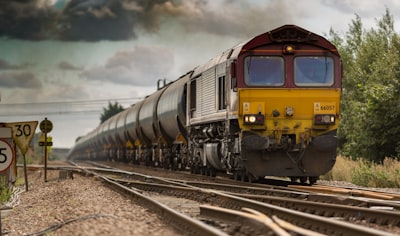
Sydney's heavy rail network is the backbone of the city — radiating from Central Station (hub of all lines) through the underground City Circle (Town Hall, Wynyard, Circular Quay, St James, Museum). The network covers all inner suburbs and extends to the Blue Mountains, Central Coast, Hunter Valley, Illawarra, and Southern Highlands.
Key visitor stations: Central (all connections), Circular Quay (Opera House, ferries, Harbour Bridge), Bondi Junction (change for Bondi Beach buses), North Sydney, Chatswood, and Parramatta. First train: approximately 4am; last train: varies by line, generally midnight.
- T4Eastern Suburbs & Illawarra — Bondi Junction (beach bus connection), Coogee, Cronulla
- T8Airport & South — Airport stations (+ $17.92 fee), then south to Hurstville, Sutherland
- T1North Shore — Chatswood, Hornsby, Berowra; views across the North Shore
- Blue MtnsRegional service to Katoomba & Leura — covered by Sunday $2.80 cap; scenic 2-hour journey
Sydney Metro (Driverless)
Automated, high-frequency service — every 4 minutes at peak
Australia's first fully automated, driverless train network — faster, more frequent, and 100% accessible. The M1 line runs from Tallawong (North-West) through new CBD stations (Crows Nest, Barangaroo, Martin Place, Gadigal, Waterloo) to Sydenham. In 2026, the Bankstown line extension is opening progressively, eventually connecting to Liverpool.
Key stops for visitors: Barangaroo (waterfront, casino precinct), Martin Place (CBD heart), Gadigal (Central) connects to heavy rail. No driver — fully automated with platform screen doors. Services every 4 minutes at peak, 8–10 minutes off-peak.
Sydney Ferries
Iconic harbour crossings — scenic, practical, and excellent value
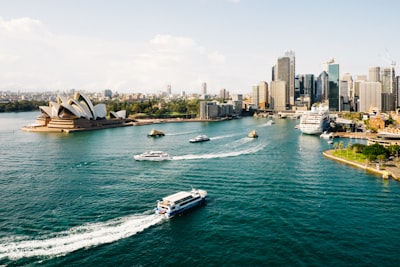
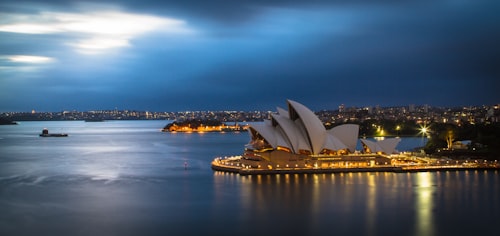
Sydney's ferries are both essential commuter transport and one of the world's great tourist experiences. All routes depart from Circular Quay — hub of the entire ferry network, directly in front of the Opera House. The F1 Manly Ferry is the must-do: 30 minutes across open Sydney Harbour, with the Opera House and Harbour Bridge framing the view as you depart. Sit at the rear on the deck for the best photography angle.
The F2 to Taronga Zoo offers superb harbour views in a shorter crossing — step off the ferry directly into the zoo entrance with the harbour as backdrop. The Parramatta River ferries (F3/F4) run deep into the inner harbour past Barangaroo, Pyrmont, and Gladesville — a full inner-harbour cruise at standard Opal prices.
- F1Manly — 30 minutes, $10.20, open ocean harbour crossing; best photography from the rear deck
- F2Taronga Zoo — 12 minutes, harbour views, disembark into zoo entrance directly from wharf
- F3/F4Parramatta River — inner harbour tour passing Barangaroo, Pyrmont, Drummoyne
- F9Neutral Bay / Mosman — short harbour hop, excellent weekday morning commuter views
Sydney Buses
Essential for beaches, Eastern Suburbs, and Northern Beaches
Buses cover everything trains can't — specifically the Eastern Suburbs (Bondi, Coogee, Bronte, Maroubra) and the Northern Beaches (Manly, Dee Why, Mona Vale, Palm Beach). For visitors, buses are the only way to reach Sydney's most famous beach.
The B-Line double-decker express runs along the Northern Beaches corridor to Mona Vale with limited stops — faster and more comfortable than local services. The 333/380 routes are the main Bondi Beach connections from the CBD and Bondi Junction. Tap on with Opal or contactless — no need to validate off on buses (tap on only).
- 333/380City / Bondi Junction → Bondi Beach — 15–45 min depending on starting point
- 389Pyrmont → Paddington → Bondi — scenic eastern suburbs route, about 45 minutes
- B-LineWynyard → Northern Beaches express — double-decker, limited stops
- E/X routesCBD express buses during peak hours — faster to major suburbs
Light Rail
CBD corridor and inner west connections — runs 5am to 1am
Sydney's light rail runs three lines from the CBD. The L2 and L3 lines run from Circular Quay down George Street through the CBD to Surry Hills and out to Randwick and Kingsford — useful for accessing the Prince of Wales Hospital and UNSW area. The L1 line connects Central Station west to Dulwich Hill via Pyrmont, Glebe, and Jubilee Park.
Taxis & Rideshare
Uber, Ola, and taxis — useful for late nights and heavy luggage
Uber is widely available across Sydney and typically 20–40% cheaper than traditional taxis. Useful for late nights when trains and buses are limited, carrying heavy luggage, or reaching suburban destinations not well-served by public transport. Surge pricing applies on Friday and Saturday evenings and during major events.
13CABS and Silver Service are the main taxi companies — book via app or hail on street. From the CBD: Bondi Beach taxi ~$25–35, Manly ~$45–60, Northern Beaches ~$50–80 depending on suburb.
✈️ Getting From Sydney Airport to the City
Sydney Airport is located 9km south of the CBD. The Airport Link train is fast but carries a significant surcharge — here are all your options compared:
Airport Link (T8 Train)
Fastest option. Normal train fare PLUS $17.92 airport access fee — not covered by daily cap. Runs every 10 minutes.
Bus 420 + Train
Take Bus 420 to Mascot Station (standard bus fare), then catch a regular train to the CBD. Avoids the $17.92 airport surcharge. Best budget option.
Taxi
Fixed rank outside arrivals. Traffic-dependent — can be 45+ min during peak hours. Accepts credit card.
Uber / Rideshare
Usually cheaper than taxis. Book from the designated rideshare pickup zone (follow signs from arrivals). Surge pricing possible.
The Airport Link train charges a $17.92 station access fee on top of the normal train fare — and this is NOT covered by the daily Opal cap. To avoid it, take Bus 420 from the airport to Mascot Station (a standard bus fare of ~$3.20), then catch a regular train to Central (another ~$3.50). Total: ~$7 versus ~$21. Journey time adds only 15 minutes. The bus stop is on the ground floor of the international terminal.
🌅 Best Scenic Transport Routes in Sydney
Several Sydney public transport routes are genuinely spectacular — here are the ones worth planning your day around:
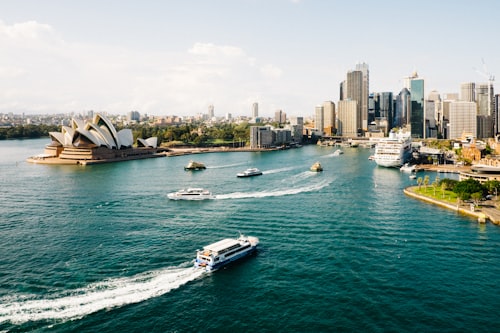
⛴️ Manly Ferry — F1
The world's most beautiful commute. Depart Circular Quay past the Opera House and under the Harbour Bridge, across the open harbour to Manly. Sit at the rear on the upper deck. Best at sunset.
🚌 Bondi via Paddington — Bus 389
Slow but scenic — through Paddington's iconic Victorian terrace houses, Centennial Park, and Bondi's clifftop approach. Better than the 333 if you have time.

⛴️ Parramatta River Cruise — F3/F4
A full inner-harbour cruise at Opal prices. Passes Barangaroo, Pyrmont, Meadowbank, and Ryde — the working side of the harbour that tourists rarely see. Excellent value Sunday trip.

🚆 Blue Mountains — Regional Train
The ultimate Sydney day trip by train. Depart Central, watch the city fade to bush, and arrive at Katoomba for the Three Sisters viewpoint. For $2.80 on Sunday, it's extraordinary value.
🗺️ Day Trips from Sydney by Public Transport
The Opal network extends surprisingly far from Sydney — these day trips are all achievable on a single fare cap:
| Destination | Route | Journey Time | Best Day | Cost |
|---|---|---|---|---|
| Blue Mountains (Katoomba) | Blue Mountains Line from Central | ~2 hrs each way | Sunday ($2.80 cap) | $2.80 all day |
| Manly Beach & North Head | F1 Ferry from Circular Quay | 30 min | Any day | $10.20 each way or daily cap |
| Wollongong | T4 South Coast Line from Central | ~1.5 hrs | Sunday ($2.80 cap) | $2.80 all day |
| Central Coast (Gosford) | Central Coast Line from Central | ~1 hr 15 min | Sunday ($2.80 cap) | $2.80 all day |
| Palm Beach (Northern Beaches) | B-Line + Palm Beach bus | ~1.5 hrs | Sunday | $2.80 all day |
| Parramatta | F3/F4 Parramatta Ferry or T1 Train | 40 min (ferry) / 25 min (train) | Any | Standard Opal fares |
| Bondi to Coogee Walk | Train to Bondi Junction + Bus 333 | 25 min to Bondi | Any | Standard Opal fares |
Ready to Explore Sydney?
Cooee Tours offers guided Sydney experiences that take you beyond the transport network — harbour cruises, walking tours, and day trips from the city.
Browse Sydney Tours →📱 Essential Apps for Sydney Transport
Download at least one before you arrive — Sydney's network is reliable but complex for first-time visitors:
Citymapper
The most intuitive route planner for Sydney. Better than the official app for real-time trip planning. Free.
TripView
Shows real-time departures for trains, buses, ferries, and light rail. Essential for checking the next service.
Opal Travel
Manage your Opal card balance, top up, and view trip history. Only needed if using a physical Opal card.
Google Maps
Works well for basic Sydney journey planning with integrated public transport. Download offline map before arriving.
Transport for NSW
Official app — good for service alerts and network disruptions. Use alongside Citymapper.
📋 Essential Sydney Transport Tips for Visitors
- ✓Always tap off. Failing to tap off on trains, ferries, and light rail results in the maximum fare being charged. On buses, tap on only — no need to tap off. This is the most common mistake visitors make.
- ✓Use the same card for every trip. To benefit from daily and weekly fare caps, you must use the same contactless card or Opal card throughout the day. Switching between a physical card and Apple Pay breaks the cap accumulation.
- ✓Plan big days out for Sunday. The $2.80 Sunday cap covers unlimited travel across every mode — trains, Metro, ferries, buses, light rail — for the entire day. Perfect for Blue Mountains, Central Coast, or Northern Beaches day trips.
- ✓Avoid peak hours for trains (weekdays 6:30–10am and 3–7pm). Off-peak fares are 30% cheaper and trains are dramatically less crowded. Most tourist attractions don't require peak-hour arrival.
- ✓The Manly Ferry is the best $10.20 you'll spend in Sydney. Depart Circular Quay in front of the Opera House, cruise past the Harbour Bridge, and arrive at Manly — 30 minutes, all-weather, every 30 minutes. Sit on the upper rear deck.
- ✓Avoid the Airport Link fee with Bus 420. Bus 420 from the airport to Mascot Station (standard ~$3.20 fare) then regular train to Central saves approximately $14 versus the Airport Link. Only worth avoiding if you're carrying heavy luggage or arriving very late at night.
- ✓Download Citymapper before you arrive. It's significantly more intuitive than the official Transport NSW app for visitors, particularly when switching between modes. Works with real-time data.
- ✓Night transport is available. Main train lines run until midnight or later; NNN night buses cover major corridors from midnight to 5am. The Manly Ferry runs until ~11:30pm on weekdays and later on weekends.
The Sydney Metro is 100% step-free and fully accessible. Many Sydney Trains stations have lifts and ramps — check accessibility at specific stations on the Transport NSW website before planning your journey. Buses have low-floor boarding where possible. If you need assistance boarding or alighting, staff are available at staffed stations, and a Companion Card allows a carer to travel free.
❓ Frequently Asked Questions
Do I need an Opal card to use Sydney public transport?
No — most visitors to Sydney in 2026 don't need to buy a physical Opal card. Any contactless credit card, debit card, or phone payment (Apple Pay, Google Pay, Samsung Pay) works identically on all Sydney trains, Metro, buses, ferries, and light rail. Daily and weekly fare caps apply automatically.
A physical Opal card is required only if you need child concession fares (ages 4–15), pensioner/senior fares, or if your bank charges significant foreign transaction fees that would make contactless payments expensive. Get an Opal card from any train station, 7-Eleven, or newsagent.
What is the Sunday $2.80 Opal cap?
The Sunday cap is one of Sydney's best-kept visitor secrets. Every Sunday (and on public holidays that fall on a Sunday), the maximum you'll pay for public transport across the entire day is $2.80 — regardless of how many trips you take or how far you travel. This covers trains, Metro, ferries (including Manly!), buses, and light rail.
This makes Sunday the perfect day for major day trips: Blue Mountains return (normally ~$12+ each way), Northern Beaches, Central Coast, or Wollongong — all for a total $2.80. Use the same contactless card or Opal card throughout the day to capture the cap.
What is the cheapest way from Sydney Airport to the city?
The cheapest option is Bus 420 to Mascot Station, then train to Central. Total fare approximately $6–8, journey time 35–40 minutes. The bus stop is on the ground floor of the international and domestic terminals.
The Airport Link train is the fastest (13 minutes to Central) but charges a $17.92 airport access fee on top of the normal train fare — totalling approximately $21 per person. This fee is NOT covered by the daily Opal cap. For one person this is acceptable; for a family of four it adds $72 in unavoidable fees.
How do I get to Bondi Beach from the city?
The quickest route: take any train from Central or Town Hall to Bondi Junction (10–12 minutes), then Bus 333 or 380 from Bondi Junction to Bondi Beach (about 15 minutes). Total journey time: approximately 25–30 minutes. Standard Opal/contactless fares apply throughout.
For a more scenic alternative: Bus 389 runs from the city (Pyrmont/George Street) through Paddington and the eastern suburbs directly to Bondi Beach — about 45 minutes but you'll see more of the city. Both options use the same Opal/contactless payment.
Is the Manly Ferry worth it?
Absolutely — the Manly Ferry (F1 route) is one of the world's truly great commutes and an essential Sydney experience. The 30-minute crossing departs from Circular Quay, directly in front of the Opera House, and passes through the main harbour with the Harbour Bridge visible to your right.
Sit on the upper deck at the rear of the boat for the best view of the Opera House as you pull away from Circular Quay — it's genuinely stunning. Cost: $10.20 each way using Opal or contactless. If you're on a Sunday, it's covered under the $2.80 cap.
There's also a faster Manly Fast Ferry (private operator, $18 one way, 18 minutes) — the regular Ferry is the scenic option; the Fast Ferry is for when you're short on time.
What is the Sydney Metro and how is it different from trains?
The Sydney Metro is a separate, fully automated (driverless) rail network that runs parallel to the traditional Sydney Trains in some areas. Key differences: Metro trains run every 4 minutes during peak hours (much more frequent than the regular trains), all stations are 100% step-free and accessible, and the carriages are modern and air-conditioned with wide doors.
The M1 line serves new CBD stations including Barangaroo (waterfront), Martin Place, and Gadigal (connecting to Central). In 2026, the Bankstown line extension is opening progressively, expanding the network south-west. Same Opal/contactless payment as everything else.
Can I use an Opal card for day trips to the Blue Mountains?
Yes — the Opal network covers Blue Mountains train services to Katoomba, Leura, and Blackheath, as well as Central Coast, Wollongong/Illawarra, and parts of the Hunter. All daily and weekly caps apply.
The absolute best value: take the Blue Mountains return trip on a Sunday when the $2.80 Sunday cap applies — Sydney CBD to Katoomba and back, with unlimited travel all day, for just $2.80 total. Depart from Central Station; the journey takes approximately 2 hours each way, passing through Parramatta, Penrith, and into the spectacular escarpment landscape.
📖 More Australia Travel Guides

Highway 1 Big Lap Guide
Drive 14,500km around Australia's coast

Cairns Travel Guide
Reef, rainforest & tropical adventures

Queensland Wildlife Guide
Koalas, reef, platypus & eco experiences
Sunshine Coast Road Trips
Blackall Range & hinterland drives