About North America
Scale, Variety, and the
Art of the Road Trip
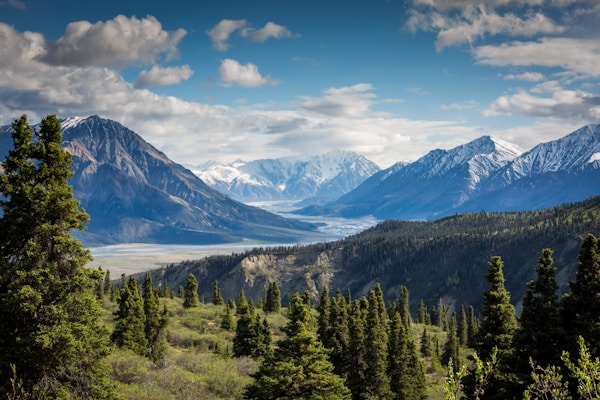
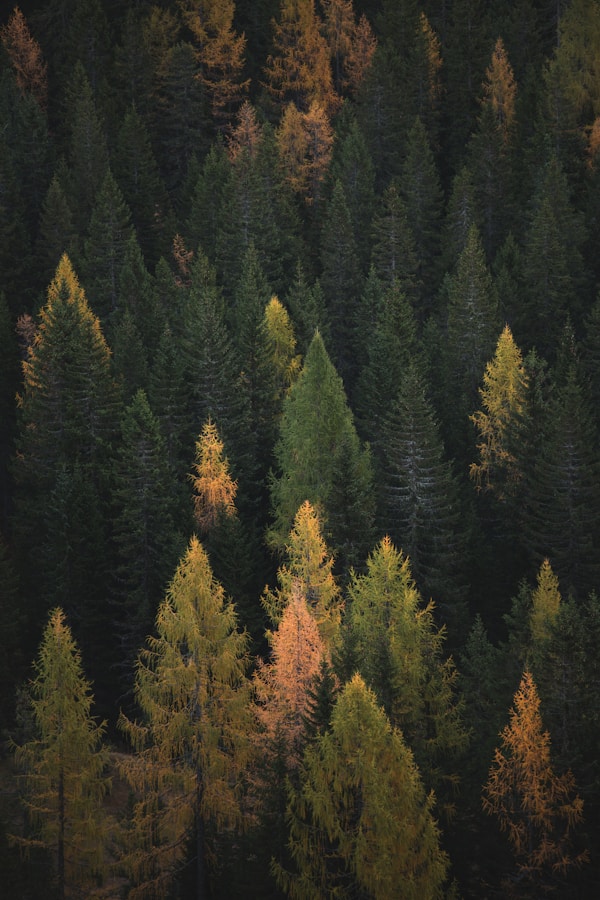
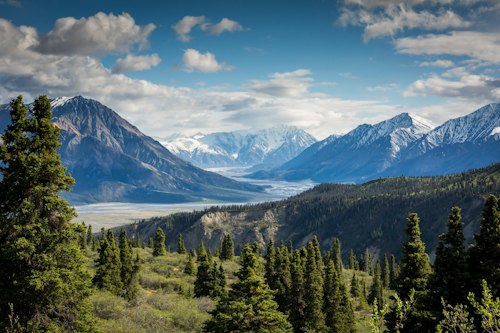
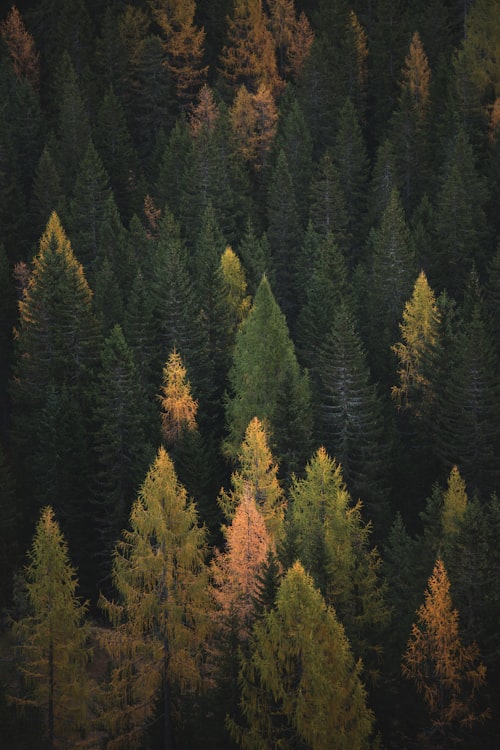
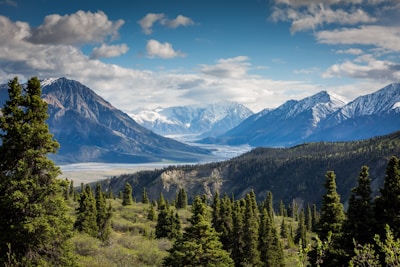
North America is three countries and a continent's worth of contrast. The United States alone spans six time zones and contains landscapes of such geological variety — the red canyon lands of Utah, the temperate rainforests of the Pacific Northwest, the subtropical Everglades, the High Plains of Montana — that the country has no geographic equivalent anywhere on earth. Add Canada's wilderness — the largest undisturbed boreal forest on the planet, the Rocky Mountain parks of Banff and Jasper, the French-speaking culture of Québec — and Mexico's extraordinary layering of ancient Mesoamerican civilisation beneath colonial Spanish architecture beneath contemporary culture — and North America delivers something that no single itinerary can do justice to.
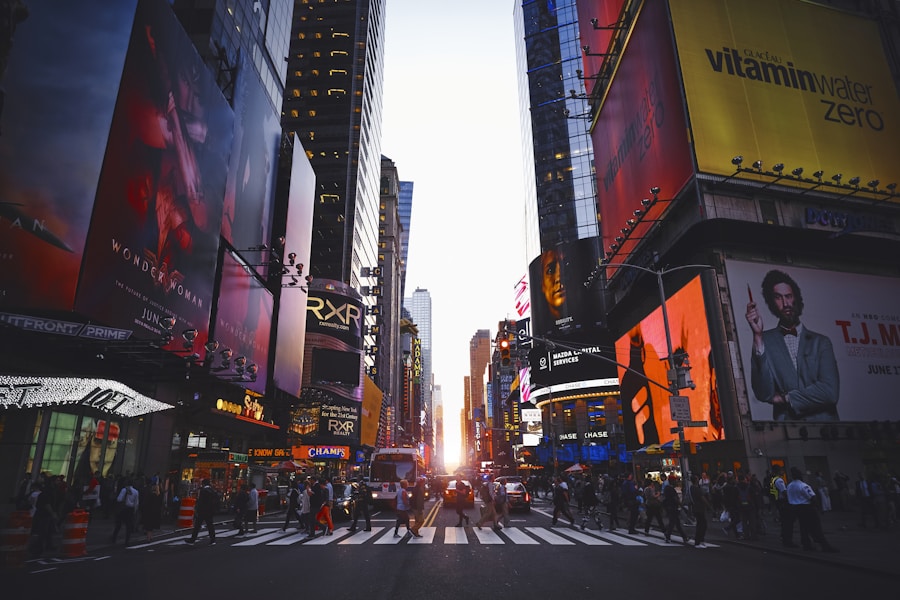
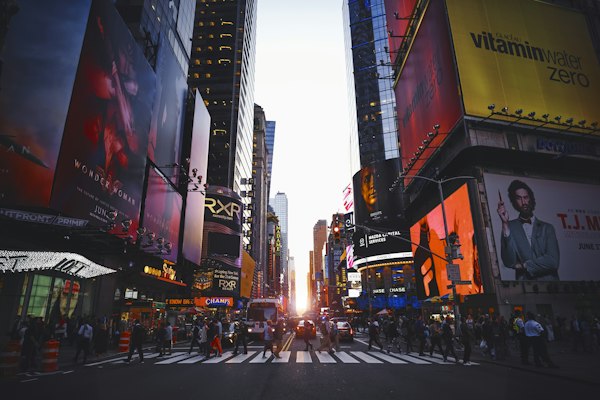
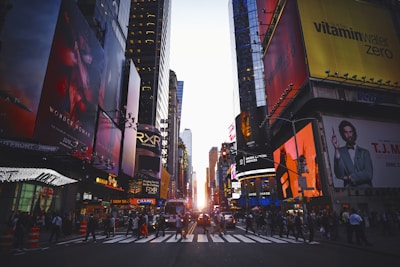
For Australian travellers, North America holds a particular appeal rooted in familiarity. The shared language (mostly), the similar legal and cultural frameworks, the sheer legibility of moving through a continent where the road signs, customs, and food culture feel comprehensible from the first day — these make North America the most immediately comfortable long-haul destination available from Australia. Yet the contrast with Australia's own landscapes and city scale consistently surprises first-time visitors: nothing in Australia prepares you for standing on the South Rim of the Grand Canyon, or walking through Midtown Manhattan at rush hour, or driving the Pacific Coast Highway with the Pacific two metres below your window.
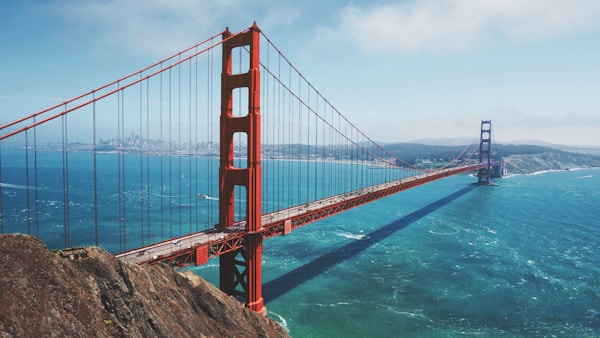
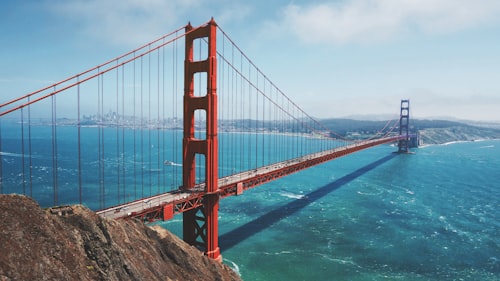
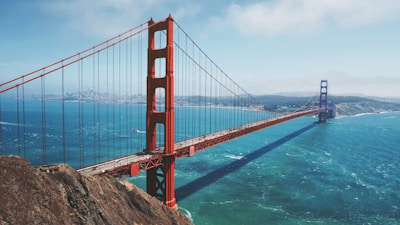
The road trip is North America's defining travel format. The highway infrastructure — the US Interstate system, the Trans-Canada Highway, Mexico's Federal Highways — is the finest in the world for self-drive travel. Hiring a car at one US airport and dropping it at another (one-way rentals are inexpensive and standard practice) is the most flexible and rewarding way to experience the continent's variety. A 14-day drive from Los Angeles to San Francisco via Yosemite, Sequoia, and the Pacific Coast Highway covers landscapes that no other 1,500km stretch on earth can match for variety and beauty.
🇺🇸 North America at a Glance
- USA: 50 states, 9.8 million km², 335 million people — 3rd largest country on earth
- Canada: 10 million km² — the world's 2nd largest country, 80% wilderness
- Mexico: 2 million km², home to 35 UNESCO World Heritage Sites
- 63 US National Parks — from Grand Canyon to Denali to Everglades
- New York City: 8.3 million people in the city, 20 million in the metro area
- The Pacific Coast Highway (US Route 1): 1,055km of the world's most scenic coastal driving
- The Canadian Rockies: Banff, Jasper, Yoho, Kootenay — glacial lakes, bears, and absolute wilderness
- Machu Picchu of the north: Chichén Itzá, Mexico — one of the Seven Wonders of the Modern World