9 Items You Cannot Leave Without

Our guides have watched thousands of visitors arrive under-prepared. These are the nine things that — year after year, tour after tour — separate a seamless Australian adventure from a stressful one.

9
Must-Have Items
UV 11+
Extreme Australian UV
Type I
Australia's Plug Type
60+
Years Tour Experience
CT
Cooee Tours Travel Team Australian Tour Specialists · 9 min read · Updated March 2026

Our guides have collectively escorted more than 50,000 visitors through Australia's landscapes — rainforests, reefs, outback, and coast. They've seen the things people wish they'd packed and the things that got left behind. These nine items come up again and again. Not as nice-to-haves. As genuinely the difference between a great trip and one spent solving problems.
Suitcase packed with Australian travel essentials 2026
Pack the right 9 things and leave room for souvenirs
Sun hat sunscreen beach tropical Queensland essentials
Item 1: Sun protection is never optional in Australia
Swimwear reef snorkelling Great Barrier Reef Queensland
Swimwear: you'll use it even when you don't plan to
Hiking shoes broken in before Australian bushwalk tour
Shoes: the most impactful item in your bag
Travel documents passport power adapter Australia prep
Documents and adapters: the boring items that ruin trips when missing

Pack for the Season, Not the Stereotype

Australia is often pictured as hot and sunny — and in many regions it is. But it's also a continent spanning tropical, temperate, alpine, and desert climates. Your packing list should match where you're going and when, not just a generalised image of sun and beaches.

☀️ Summer (December–February)

  • SPF 50+ sunscreen (extreme UV, reapply constantly)
  • Wide-brim hat — a cap doesn't protect your neck
  • Lightweight breathable fabrics (linen, moisture-wicking)
  • Insect repellent for tropical areas (DEET 30%+)
  • Stinger suit or rash vest if swimming in tropical QLD
  • Packable rain jacket — afternoon storms in SE Queensland

❄️ Winter (June–August)

  • Warm jacket for Melbourne, Tasmania, alpine regions
  • Light layers — mix of warm and cool days everywhere
  • Closed-toe comfortable walking shoes (still essential)
  • Still pack sunscreen — UV is high year-round
  • One warm layer for evening temperature drops
  • This is the best season for outback travel — cool and clear

The visitors who have the worst days are rarely the ones who encounter bad weather or unexpected delays. They're the ones in new shoes at the start of a 12km rainforest walk, or sunburned by 10am because they forgot their hat.

— Sarah Mitchell, Senior Day Tour Guide, Cooee Tours
1 — Sun Protection

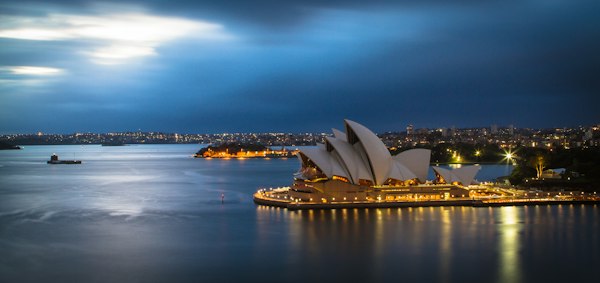
Australian beach hat sunscreen sun protection essentials
⚠️ Non-negotiable #1
SPF 50+ Sunscreen, Broad-Brim Hat & UV Sunglasses

Australia has some of the highest UV radiation levels on earth — higher than the same latitude in other parts of the world, intensified by the proximity to the Antarctic ozone hole. The UV index regularly reaches 11+ (extreme) and can top 14+ in tropical regions in summer. Sunburn can occur in under ten minutes at peak intensity without protection.

Pack SPF 50+ broad-spectrum sunscreen (at least 250ml — you'll use more than you think), a hat that actually shades your face and the back of your neck (not a cap), and UV-rated sunglasses. Apply before you leave accommodation, reapply every two hours, and reapply after every swim regardless of "water resistant" claims.

  • SPF 50+ broad-spectrum sunscreen — bring plenty or buy Chemist Warehouse on arrival
  • Broad-brim hat — specifically one that shades face, ears, AND neck
  • UV-protective sunglasses — cheap ones from service stations don't count
  • For reef swimming: reef-safe zinc sunscreen (oxybenzone-free)
Guide note: This is the one item our guides ask about at the start of every tour. If you've forgotten your sunscreen, we'll stop at a pharmacy — but don't put yourself in the position of needing to.

2 — The Right Shoes

🥾 Most impactful item
Comfortable Closed-Toe Walking Shoes — Already Broken In

Of all nine items on this list, your shoe choice will have the biggest impact on your enjoyment of each day. Australian tours involve significant walking — often on wet rainforest trails, volcanic rock, uneven hinterland, beach sand, and urban pavement, sometimes all in one tour. New shoes on day one have ended more holidays than any weather event.

Bring trail runners or lightweight hiking shoes with a grip sole that you've worn for at least a few weeks before your trip. They don't need to be heavy hiking boots — trail runners are ideal for 90% of Australian day tours and far more comfortable for city walking. Also bring a pair of sandals or thongs for beaches and casual evenings.

  • Closed-toe walking shoes with grip — already broken in before you arrive
  • Trail runners or light hiking shoes recommended (not heavy boots)
  • Sandals or thongs for beaches, casual walks, and rest days
  • Blister plasters just in case (pack in your daypack, not your suitcase)
On Cooee Tours: Closed-toe shoes with grip are required for all bushwalk, hinterland, and rainforest tours. Thongs, ballet flats, and dress shoes are not appropriate — wet roots and steep paths are real hazards.
Hiking shoes trail walking Australia daypack essential

3 — Layered Clothing

Lightweight layered clothing Australia travel versatile outfit
👕 Less than you think
Lightweight, Breathable Layers — Not a Suitcase Full

Australia is casual — deeply casual. You can wear shorts and a t-shirt to almost everything except fine dining. Pack fewer items than you think, in lightweight breathable fabrics, and plan to do laundry every five days rather than packing for every day of the trip. The space you save is better spent on a good hat and proper shoes.

The single most common surprise for international visitors is air conditioning. Australian buildings — restaurants, shops, buses, cinemas, hotels — are often set aggressively cold. A lightweight cardigan or long-sleeve layer you can pull on is useful every single day, regardless of the outside temperature.

  • 3–4 lightweight t-shirts or tops in breathable fabric
  • 1–2 pairs of shorts or a light skirt
  • 1 pair of lightweight long trousers (for rainforest, cool evenings)
  • 1–2 light long-sleeve layers for air conditioning and cool nights
  • One warm layer (fleece or lightweight jacket) — even in summer
  • Swimwear × 2 (you will use it more than you expect)
💡 Budget estimate: $100–200 AUD for quality layering pieces if buying in Australia

4 — Reusable Water Bottle

💧 Simple but critical
A 1-Litre+ Reusable Water Bottle

Dehydration in Australia happens faster than most international visitors expect. The combination of high UV, dry inland air, physical activity, and warmer temperatures creates conditions where you can become significantly dehydrated before you feel thirsty. Australian tour guides set water reminders for a reason.

Australian tap water is excellent — safe to drink everywhere and freely available at most attractions, national parks, tour vehicles, and public spaces. A good reusable bottle saves money, reduces plastic waste, and means you're never caught without water on a long walk or remote coastal trail.

  • Minimum 1-litre capacity — 1.5L recommended for full-day tours
  • Insulated stainless steel keeps water cold in Australian summer heat
  • Wide mouth makes it easier to add ice from accommodation breakfast
  • Aim for 2–3 litres of water intake per day in warm weather
Signs you're already dehydrated: Headache, fatigue, dark urine, dizziness. All preventable. Don't wait until you're thirsty — drink consistently throughout the day.
💡 Budget: $20–45 AUD for a quality bottle, or grab one from Kmart on arrival
Reusable water bottle essential for Australian travel hydration

5 — Travel Adapter & Power Bank

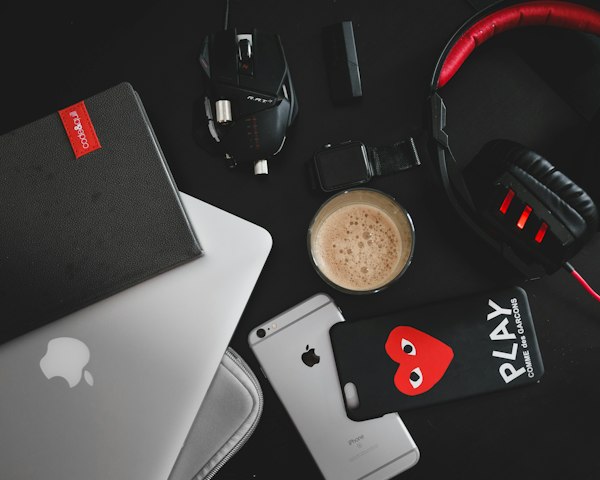
Travel adapter power bank tech essentials for Australia Type I plug
🔌 Boring but trip-saving
Type I Power Adapter + a Proper Power Bank

Australia uses Type I power outlets — two angled flat pins forming a V shape, sometimes with a third earth pin. If you're visiting from the USA, UK, Europe, or Asia, your plugs will not fit without an adapter. The voltage is 230V/50Hz. Most modern phone and laptop chargers are dual-voltage (check for "100–240V" on the plug body) and only need a plug adapter, not a converter.

The power bank matters as much as the adapter. Cooee Tours day trips often run 10–14 hours from pickup to return, and camera-heavy days eat phone battery fast. A 20,000mAh power bank charges your phone 3–4 times and costs $30–60 at Kmart or airport stores.

  • Type I adapter — bring from home or buy from Kmart/airport on arrival
  • Portable power bank (20,000mAh recommended for full-day tours)
  • Check your hair dryer and straightener voltage — 110V appliances need a converter
  • Power banks must go in carry-on luggage (not checked bags) on all flights
⚠️ Important — Hair Dryers & Straighteners

110V appliances from the USA, Japan, and Canada will be damaged by Australian 230V outlets even with a plug adapter. You need a voltage converter — or buy a cheap one from Kmart ($15–25) on arrival.

6 — Swimwear & Beach Towel

🏊 You will use it
Quick-Dry Swimwear (×2) + a Lightweight Towel

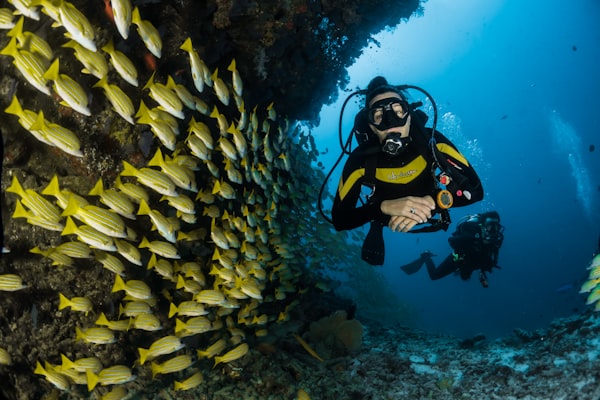
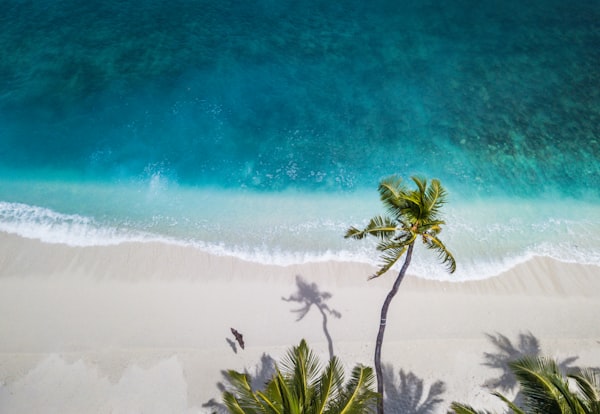
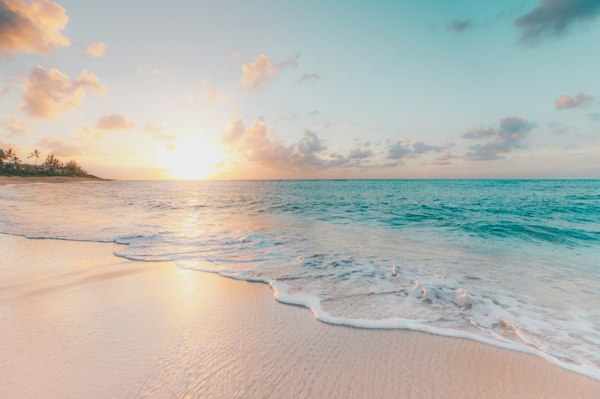
Australia's coastline, rivers, waterholes, and natural pools create swimming opportunities at every turn. Some of the most memorable moments on Australian tours are unplanned — a hidden beach spotted from the road, a waterfall pool at the end of a rainforest walk, a calm cove at sunset. If you don't have swimwear accessible, you'll watch from the shore.

Bring two sets of quick-dry swimwear so one is always dry, and a compact microfibre towel that packs small. Most accommodation provides bath towels but not beach towels. A microfibre travel towel weighs almost nothing and dries in 20 minutes.

  • Quick-dry swimwear × 2 sets (one always available to dry)
  • Compact microfibre towel (most accommodation doesn't provide beach towels)
  • Waterproof bag for wet items after swimming
  • Reef-safe sunscreen for ocean and reef swimming — zinc-based, oxybenzone-free
  • Rash vest or stinger suit for tropical QLD October–May
Reef note: Many responsible Great Barrier Reef tour operators now require reef-safe sunscreen. Standard chemical sunscreens damage coral — look for zinc oxide as the active ingredient.
💡 Budget: $40–80 AUD for swimwear + towel + waterproof bag
Australia beach swimming snorkelling swimwear essential item

7 — A Proper Daypack

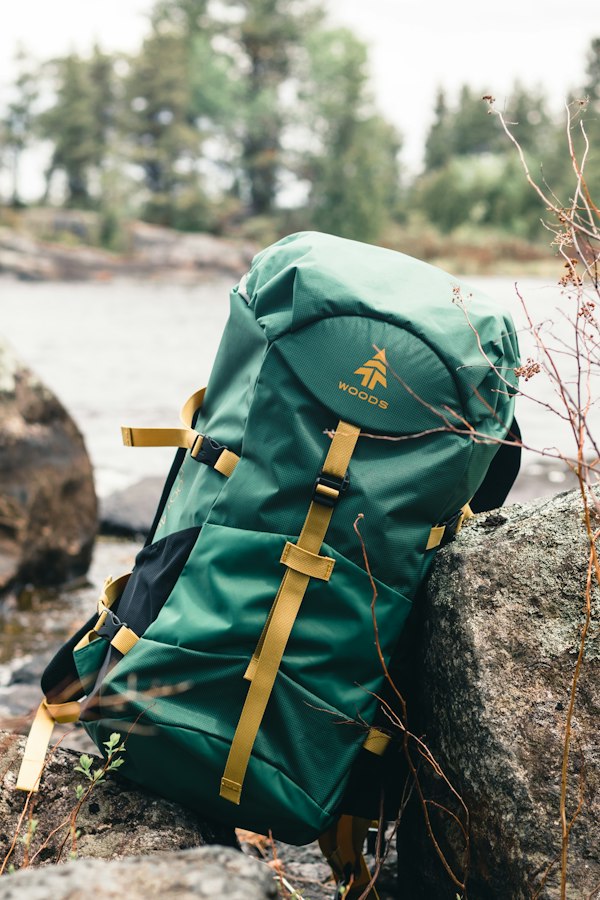
Daypack backpack Australian day tour hiking essential
🎒 Hands-free is best
A 20–25L Daypack for Tours and Day Trips

A good daypack changes the quality of every day on tour. It keeps your hands free on bushwalks, allows you to layer clothing in and out as the temperature shifts, and means your camera, water bottle, sunscreen, and snacks are accessible rather than buried in a wheeled suitcase back at the hotel.

Aim for 20–25 litres — large enough to carry everything for a full day out, small enough to feel light on your back by hour eight. Look for a padded back panel if you're doing any substantial walking, and side water bottle pockets for easy access without stopping.

  • 20–25L capacity — right for full-day tours without being overweight
  • Padded back panel and shoulder straps for all-day comfort
  • Side pockets for water bottle access on the go
  • Electronic organiser pouch for cables, power bank, and adapters
  • Small toiletry bag inside for sunscreen, repellent, and lip balm
Pack-light rule: Your daypack should weigh under 5kg fully loaded. If it's heavier, you're over-packing for a day trip. The backpack itself should weigh under 600g.
💡 Budget: $50–120 AUD for quality daypack + organisers

8 — Basic First Aid & Medications

🩺 Small kit, big peace of mind
A Compact Travel First Aid Kit

You don't need a comprehensive medical kit — Australia has excellent pharmacies (Chemist Warehouse, Priceline) in every city and most regional towns where you can buy almost anything you might have forgotten. What you do need is a small kit for the moments between, particularly on full-day remote tours away from towns.

The items that matter most: blister plasters (non-negotiable if you're walking), antihistamines for insect bites (tropical regions have some impressive mosquitoes), motion sickness tablets for winding mountain roads and ocean reef crossings, and your own prescription medications with a copy of your script in case you need a replacement.

  • Blister plasters — essential, especially first few days
  • Pain relief (paracetamol, ibuprofen)
  • Antihistamines — for insect bites and allergies
  • Motion sickness tablets — reef crossings and mountain roads
  • Antiseptic wipes and bandages — a small selection
  • Prescription medications + copies of prescriptions
🏥 Australia Has Excellent Healthcare

Australian pharmacists can advise on and dispense many medications over the counter. For prescription medications, you'll need a local GP — most will see visitors as walk-ins. Emergency departments are of very high quality. Travel insurance should cover all medical expenses.

Travel first aid kit medications Australia essential packing

9 — Documents & Digital Backups

Travel documents passport organiser important papers Australia trip
📄 Low-weight, high-stakes
Physical Copies + Digital Backups of Every Important Document

This is the item that costs nothing to prepare but causes the most disruption when neglected. A lost or stolen passport with a physical copy in your bag is a manageable situation. A lost passport with no backups and a tour departing in two hours is not.

Carry physical photocopies of your passport ID page, visa or ETA confirmation, travel insurance policy, booking confirmations, and emergency contacts — stored separately from the originals. Then back everything up digitally: email copies to yourself, save to cloud storage, and share key documents with someone at home.

  • Passport photo page photocopy — kept separate from your actual passport
  • ETA or visa confirmation printout
  • Travel insurance policy number and emergency claims phone number
  • All accommodation and tour booking confirmations
  • Emergency contact list — family, insurance, airline, your bank's overseas line
  • Digital backups emailed to yourself and saved to Google Drive / iCloud
Security tip: Leave your actual passport in your accommodation safe when it isn't required. For day tours, carry the photocopy. Keep your hotel address written down in case your phone battery dies.
💡 Budget: $0 — this one just needs your time before you leave home
Quick Reference
The 9 at a Glance
☀️

1. Sun Protection

SPF 50+ sunscreen, broad-brim hat, UV sunglasses. Australia's UV is extreme — this is non-negotiable at any time of year.

🥾

2. Broken-In Shoes

Trail runners or light hiking shoes already worn before your trip. New shoes + long walk = ruined day.

👕

3. Light Layers

Fewer items than you think. Include one warm layer and a long-sleeve for aggressive air conditioning.

💧

4. Water Bottle (1L+)

Australia dehydrates you faster than you expect. Tap water is excellent and free everywhere.

🔌

5. Adapter + Power Bank

Type I adapter for Australian outlets. 20,000mAh power bank for long day tours.

🏊

6. Swimwear × 2

Quick-dry swimwear and a microfibre towel. You will swim, even when you don't plan to.

🎒

7. Daypack (20–25L)

Hands-free comfort for all-day tours. Side water pockets and padded straps are worth it.

🩺

8. First Aid + Meds

Blister plasters, antihistamines, motion sickness tablets, and all prescription medications.

📄

9. Document Copies

Physical and digital backups of passport, insurance, bookings, and emergency contacts.

50K+
Travellers Guided
4.8★
Average Rating
60+
Years of Experience
100%
Private Day Tours
Common Questions

Packing for Australia — FAQ

What is the single most important item to pack for Australia?+
SPF 50+ broad-spectrum sunscreen, without question. Australia has some of the highest UV levels on earth — the index regularly reaches "extreme" (11+) across most of the country. Sunburn can happen in under 15 minutes without protection, even on overcast days. This is the item our guides check for at the start of every tour.
What power adapter do I need for Australia?+
Australia uses Type I power outlets — two angled flat pins forming a V shape (230V/50Hz). Most modern phone and laptop chargers are dual-voltage (look for "100–240V" on the plug body) and only need a plug adapter, not a voltage converter. Buy a Type I adapter before you leave or pick one up at Kmart on arrival for around $8. Hair dryers and straighteners from 110V countries need a full voltage converter or are better bought in Australia.
What should I pack for a Cooee Tours day trip?+
For any Cooee Tours day trip, bring: comfortable closed-toe walking shoes already broken in, sun protection (hat, sunglasses, SPF 50+ sunscreen applied before departure), a refillable water bottle (1L+), a light packable jacket, insect repellent for hinterland and rainforest tours, and a fully charged power bank. A small amount of cash is useful for regional cafes that are card-only. We send a specific packing list for your exact tour when you book.
Can I pack sunscreen in my carry-on luggage on flights to Australia?+
Yes — sunscreen is permitted in carry-on luggage but must comply with the 100ml (3.4oz) liquid rule on international flights. Pack a small tube in your carry-on and larger bottles in checked luggage. The simplest option: buy a large bottle of SPF 50+ sunscreen from Chemist Warehouse on your first day — it's often cheaper than at home and you're guaranteed the right formulation.
Do I need a first aid kit for Australia?+
A basic one is worth having — blister plasters, antihistamines, pain relief, and motion sickness tablets cover 90% of what comes up on Australian tours. Australia has excellent pharmacies everywhere, so don't over-pack first aid supplies. The most important thing to bring from home is any prescription medication (with copies of your prescriptions in case you need a replacement filled locally), as some medications available over the counter in other countries require a prescription in Australia.

Ready to Pack and Go?

Our guides handle the local knowledge — all you need to bring is a good hat, broken-in shoes, and your sense of adventure. Browse our day tours and we'll see you out there.