Indigenous Food Culture · Native Australian Ingredients
A Guide to Bush Tucker Native Australian Foods
The world's oldest continuous food culture — what to try, where to find it, how to experience it respectfully, and why engaging with bush tucker is one of the most meaningful connections you can make with Australia's living Indigenous heritage.
Cooee Tours Cultural & Food Travel TeamBrisbane, QLD · Indigenous Experiences & Food Culture Specialists · Updated March 2026
14 min read
Bush tucker isn't a novelty — it's the foundation of the world's oldest continuous food culture. For more than 65,000 years, Aboriginal and Torres Strait Islander peoples identified, cultivated, and sustainably managed hundreds of native food species across every climate zone in Australia, long before European agriculture existed anywhere on Earth. Today, these extraordinary ingredients are finding their way into contemporary kitchens, restaurants, and tourism experiences. Understanding bush tucker is one of the most meaningful and delicious ways to connect with Australia's living Indigenous heritage.
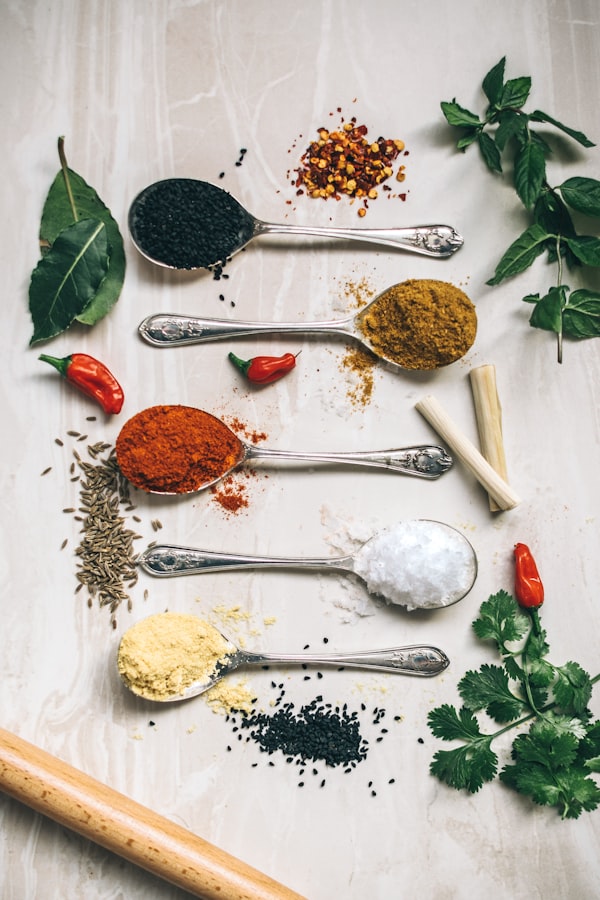
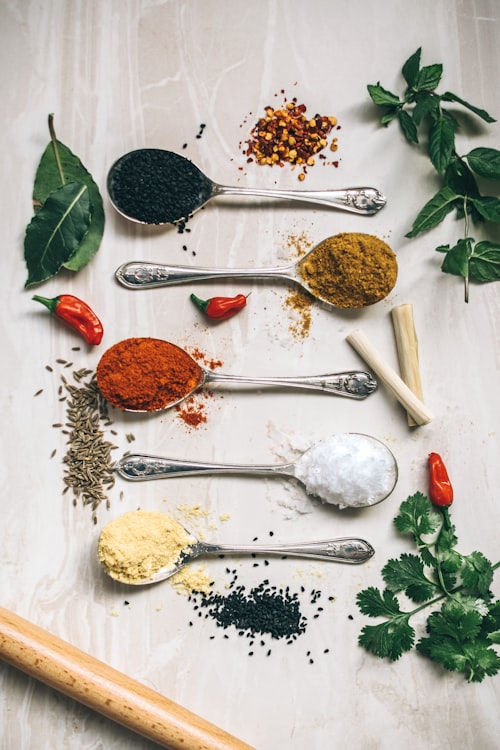
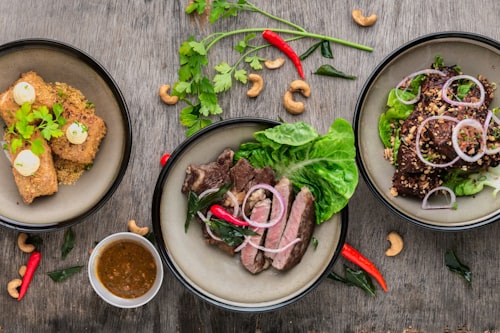
Australia's native pantry — hundreds of edible species shaped by 65,000 years of cultivated knowledge
Finger lime — "citrus caviar" — one of Australia's most celebrated native fruits, used by chefs worldwide
Indigenous-led bush tucker walks — the most authentic and respectful way to learn about native foods
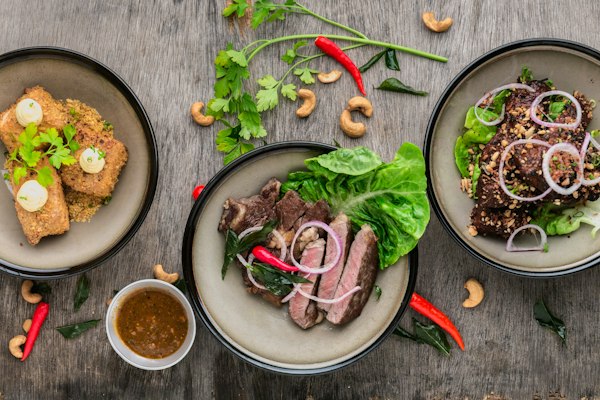
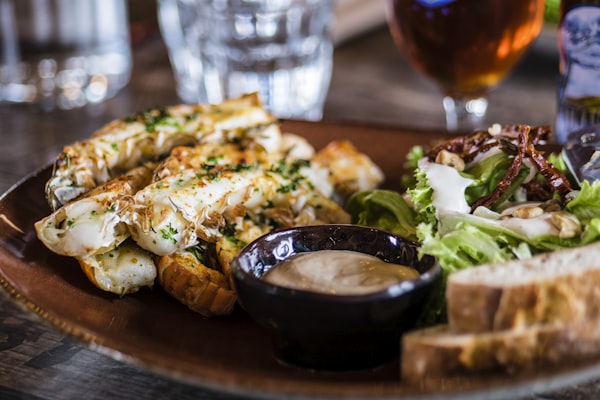
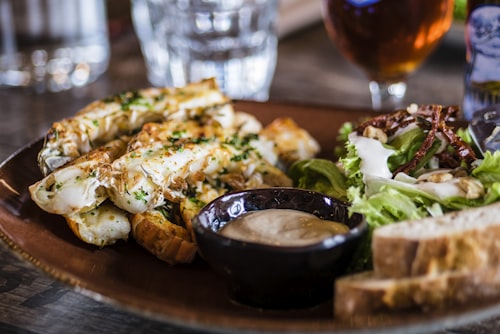
Contemporary Australian cuisine increasingly celebrates native ingredients with skill and cultural integrity
Wattleseed — roasted Acacia seeds with a nutty, coffee-chocolate depth that has sustained desert peoples for millennia
65,000
Years of food knowledge
500+
Native edible species identified
250+
Native food plants commercialised
$100M+
Annual native food industry value
Understanding the Foundations
🪃
1. Cultural Context — Why This Matters
Bush tucker knowledge is not simply about food — it is embedded within Aboriginal systems of land management, seasonal calendars, ceremony, kinship, and ecological stewardship that have sustained communities across one of the world's harshest continents for an extraordinary length of time. Knowing which plants were edible, when and how to harvest them, how to prepare them safely, and how to manage the landscape to ensure their abundance was knowledge passed across generations through oral tradition, song, and hands-on practice. This is not ancient history — it is living knowledge.
Many bush food plants were actively managed through sophisticated techniques including fire-stick farming — controlled burns that promoted new growth, attracted game, cleared pathways, and maintained the health of grassland and forest ecosystems across millions of hectares. The resulting landscape European settlers encountered was not "wilderness" — it was a cultivated, managed garden of continental scale.
When colonisation disrupted Aboriginal land access and cultural practices, much of this accumulated knowledge was put under severe pressure. The contemporary bush tucker movement — in restaurants, agriculture, tourism, and cultural programs — is partly about extraordinary flavour and partly about cultural recovery, recognition, and the economic empowerment of Indigenous communities who hold this knowledge. Engaging with bush tucker as a visitor is an opportunity to appreciate the depth of what has existed here long before Western agriculture took its first step.
🙏 A note on cultural knowledge
This article provides a respectful general introduction for visitors and travellers. It is not a substitute for learning directly from Aboriginal and Torres Strait Islander peoples, who hold the deep, place-specific knowledge of these foods. The most valuable bush tucker experiences are Indigenous-led — guided walks, tastings, and cultural tours where Traditional Owners share their knowledge of Country directly and in context.
When you engage with bush tucker through Indigenous-led businesses and experiences, you contribute directly to the economic sustainability of communities keeping these traditions alive. That is a meaningful act of cultural respect beyond the food itself.
Aboriginal peoples didn't simply find food in the bush — they cultivated an entire continent as a managed food system over tens of thousands of years. What we call "bush tucker" is the product of the world's longest ongoing agricultural tradition.
— Cooee Tours Cultural Travel Guide · 2026
The Native Pantry
🌿
2. Native Plants Worth Trying
Australia's native plant pantry contains hundreds of extraordinary ingredients — many with flavour profiles unlike anything found elsewhere on Earth. The following twelve plants represent the most celebrated, widely available, and culinarily significant bush tucker ingredients you're likely to encounter. They range from easily accessible supermarket products to rare finds best tasted on an Indigenous-led walk.
Native Fruit
🍋 Finger Lime
Often called "citrus caviar" — small, elongated fruits native to southeast Queensland and northern NSW rainforest. Inside are tiny, jewel-like pearls of intensely citrusy juice that burst on the palate with a sharp, bright flavour unlike any other citrus on Earth. A single finger lime can contain hundreds of these glistening pearls in green, pink, or red. Increasingly used by chefs worldwide in seafood dishes, cocktails, desserts, and as a garnish. Available at specialty grocers, quality farmers' markets, and online — increasingly in season from late summer to winter.
Native Herb
🌿 Lemon Myrtle
A rainforest tree whose leaves contain more citral — the aromatic compound that gives lemon its characteristic flavour — than actual lemons. The dried leaves are used as a seasoning in tea, biscuits, marinades, ice cream, and with fish and chicken. The flavour is intensely, almost electrically lemony, with floral and clean eucalyptus undertones. One of the most commercially successful and widely available bush tucker ingredients — you'll find lemon myrtle tea in most Australian supermarkets, cafes, and airport shops. A particularly safe and delicious entry point for visitors new to native ingredients.
Native Seed
🌾 Wattleseed
Roasted seeds from various Acacia species — Australia's national floral emblem. When ground, wattleseed develops a complex, nutty flavour with notes of coffee and chocolate that is entirely unique. Used in breads, ice creams, chocolate, energy bars, and increasingly as a coffee substitute or flavour additive. It's high in protein, carbohydrates, and essential amino acids, making it one of the most nutritionally complete bush tucker staples — a critical food source across arid inland Australia for tens of thousands of years. Available as a ground powder in health food stores, specialty grocers, and online. Try wattleseed ice cream at a native food restaurant for an unforgettable first taste.
Native Fruit
🫐 Davidson Plum
A deep, near-black purple rainforest fruit with an intensely tart, astringent flavour — too sour and tannic to eat raw, but extraordinary when cooked. Rich in antioxidants (among the highest of any fruit measured), with a deep fruit flavour that intensifies beautifully in jams, chutneys, sauces, desserts, and native gin. Native to Queensland's wet tropics and northern NSW hinterland. Increasingly available as jam, sauce, frozen pulp, and in artisan products at farmers' markets and specialty stores. Davidson plum gin has become a standout product of Australia's native spirits movement.
Native Spice
🌶️ Mountain Pepperberry
Native to Tasmania's cool forests and Victoria's alpine regions. The berries and leaves have a complex peppery, woody heat that builds more slowly and lasts longer on the palate than black pepper. Both the berries (dried and ground) and leaves are used — leaves as a dried seasoning and the berries as an intensely flavoured spice rub for red meat, aged cheese, and rich sauces. A favourite of contemporary Australian chefs looking for unique native spicing. More pungent and complex than black pepper, with additional notes of eucalyptus and bay. Available at specialty food stores and farmers' markets throughout Tasmania and Victoria.
Native Nut
🥜 Macadamia
Perhaps the most surprising entry on this list for international visitors — macadamias are native Australians. They originated in the subtropical rainforests of southeast Queensland and northern NSW, where Aboriginal peoples harvested and traded them for thousands of years before they were ever commercialised globally. Today Queensland and NSW remain major macadamia producers. The flavour of a freshly cracked macadamia from a hinterland farm is noticeably richer, creamier, and more complex than packaged supermarket nuts. If you visit a macadamia farm in the Gold Coast or Sunshine Coast hinterland, try them fresh-cracked at room temperature.
Native Fruit
🟡 Kakadu Plum
The Kakadu plum holds the highest recorded Vitamin C content of any food on Earth — up to 100 times that of oranges. Native to the woodland country of northern Australia, it has been a critical nutritional resource for Aboriginal communities in the Top End for thousands of years. The fresh fruit is very tart and strongly flavoured; commercial products including jams, freeze-dried powders, health supplements, and skincare products (its antioxidant potency makes it valuable in cosmetics) are widely available online and in health food stores. A genuinely remarkable ingredient from a nutritional standpoint.
Native Herb
🌱 Native Thyme & River Mint
Australia has several native herbs used traditionally for both culinary and medicinal purposes. Native thyme (Prostanthera incisa) offers a complex, woody thyme-like flavour with eucalyptus undertones — excellent with lamb, fish, and in herb breads. River mint (Mentha australis), found along waterways in southeast Australia, has a clean, strong minty flavour used in teas, sauces, and fresh applications. Both are less commonly available commercially but appear on menus at restaurants specialising in native ingredients and occasionally at farmers' markets. Try them in cooking classes at food-focused tourism experiences.
🌿 Tip for first-timers: Start with lemon myrtle tea and wattleseed products — both are widely available, unmistakeably Australian in flavour, and represent a genuinely accessible gateway to the broader native food pantry. Once you've experienced those, finger lime and Davidson plum products are the logical next step into more distinctive territory.
Game & Seafood
🦘
3. Native Meats & Seafood
Australia's native fauna includes some of the world's most distinctive and flavourful game meats. All three of the meats below have been hunted and eaten by Aboriginal peoples for tens of thousands of years and are now commercially available across Australia — either in supermarkets, through specialist butchers, or on restaurant menus. They offer genuinely unique flavour experiences alongside meaningful environmental credentials.
Game Meat
🦘 Kangaroo
A lean, deeply flavoured red meat with a rich, slightly gamey character — perhaps best described as a cross between venison and lean beef, with its own distinct earthiness. Best served rare to medium-rare: kangaroo dries out and toughens significantly if overcooked due to its very low fat content, so treat it like premium beef tenderloin. Available in most Australian supermarkets as steaks, mince, sausages, and as pre-marinated cuts. Many restaurants serve it — look for kangaroo loin, kangaroo fillet steak, and braised kangaroo dishes on contemporary Australian menus. From a sustainability standpoint, kangaroo produces far less methane than cattle, requires no dedicated feed crops or intensive farming, and exists naturally on Australian grassland. Eating kangaroo is genuinely one of the more environmentally responsible protein choices available in Australia.
Game Meat
🐦 Emu
Dark, lean meat with a rich flavour profile somewhere between beef and duck — more tender than most game birds, with a texture closer to beef fillet. Less widely available than kangaroo but found on specialist restaurant menus, Indigenous food experiences, and some quality butchers in major cities. Often served as steak, in slow-braised preparations, as jerky (a convenient take-home product), or in traditional preparation methods shared on guided cultural experiences. Emu fat, rendered and used as a condiment or in cooking, has a distinctive, pleasant flavour and has also found commercial use in skincare products. Worth ordering if you see it on a restaurant menu.
Native Seafood
🐟 Barramundi
Australia's most iconic table fish — mild, buttery white flesh that's firm enough to hold up to grilling, frying, steaming, and smoking. Native to Australia's northern coastal waters and river systems, particularly in the tropical north. Found on restaurant menus across the entire country in multiple preparations. Wild-caught barramundi from the tropical north — particularly those caught in tidal river systems in the Top End and Gulf Country — delivers a noticeably richer, firmer, and more complex flavour than farmed barramundi. Barramundi has been central to Aboriginal fishing cultures in northern Australia for millennia; experiencing it as part of a guided cultural fishing tour or tasting in Kakadu or Arnhem Land provides meaningful context alongside exceptional flavour.
Traditional
🐛 Bush Insects
Perhaps the most adventurous entry on this list — and one that deserves honest acknowledgement as a food source of genuine cultural significance. Witchetty grubs (the larvae of several moth species found in mulga and ghost gum roots) are a high-protein traditional food eaten raw or lightly cooked. Raw, they have a mild, creamy flavour; cooked, a nuttier, more savoury character. Green ants are used as a sour, citrusy flavouring — tasted by crushing them on the tongue. Honey ants (repletes whose abdomens store sweet nectar) are prized as a delicacy in central Australian communities. These are most authentically and safely tasted on an Indigenous-led bush tucker walk where a Traditional Owner provides proper cultural context.
Finding It
📍
4. Where to Experience Bush Tucker
Bush tucker is available across a spectrum of experiences — from supermarket products to deeply meaningful, Indigenous-led immersions in living Country. The following four pathways represent different levels of engagement, all worthwhile depending on your time, location, and depth of interest.
🌳
Indigenous-Led Bush Tucker WalksThe most authentic and genuinely rewarding experience. Traditional Owners guide you through bush and rainforest, identifying edible plants by name and use, sharing the cultural knowledge behind them, and often providing tastings on the walk itself. Available in Cairns and the Daintree (excellent rainforest variety), Gold Coast hinterland (subtropical species), Blue Mountains (cool temperate forest), and central Australia (arid country species). Cooee Tours partners with Indigenous guides for hinterland experiences.
🍽️
Contemporary RestaurantsMany quality Australian restaurants now incorporate native ingredients with culinary skill and cultural integrity. Look for menus featuring finger lime, lemon myrtle, wattleseed, pepperberry, Davidson plum, and native game meats. Cities with dedicated native food restaurants include Sydney, Melbourne, and Cairns. Ask your server about the provenance and cultural story behind native ingredients — good restaurants will have this knowledge.
🥕
Farmers' MarketsRegional farmers' markets — especially in Queensland, northern NSW, and Tasmania — regularly have stalls selling native produce and products. Gold Coast Hinterland markets, Byron Bay market, Eumundi Markets (Sunshine Coast), and Hobart's Salamanca Market all feature native food producers. Great for buying fresh finger limes, Davidson plum products, native honey, wattleseed blends, and meeting the people who grow them. Seasonal — visit in late summer through winter for the best finger lime availability.
🛒
Supermarkets & Specialty StoresBasic bush tucker products are increasingly mainstream: lemon myrtle tea, wattleseed granola, kangaroo steaks and mince, macadamias, and Kakadu plum products are available in many supermarkets. Health food stores (including Harris Farm, specialty grocers in major cities) carry a broader range. For the widest selection of native food products, look for dedicated native food retailers online — Outback Spirit, Warndu, and similar brands offer comprehensive ranges shipped nationally.
🪃 Cooee connection: Several of our Gold Coast hinterland tours and Cairns tours include bush tucker tasting and educational components with Indigenous guides — a chance to learn directly from Traditional Owners about the food plants growing in the rainforest around you, taste them in context, and ask questions that no restaurant menu can answer. Contact us for details of current programs.
Cultural Responsibility
🙏
5. Approaching Bush Tucker with Respect
Engaging with bush tucker as a visitor carries both a wonderful opportunity and a genuine responsibility. The ingredients and knowledge behind them belong to living cultures — not to a historical archive. The following principles help ensure that your engagement with bush tucker is both safe and genuinely respectful.
🚫
Don't Forage Without Expert GuidanceMany native plants closely resemble each other, and some are toxic — including several that look superficially like edible species. Foraging in national parks and most public land is also illegal. The knowledge required to safely identify, harvest, and prepare bush tucker is genuinely specialised. A guided walk is the safe, legal, and culturally appropriate approach. Do not rely on online identification guides or apps for bush food safety.
💰
Support Indigenous-Owned BusinessesWhere possible, purchase bush tucker products from Aboriginal-owned and operated enterprises. This ensures economic benefit flows directly to the communities whose cultural knowledge enabled these foods to be identified, understood, and made accessible. Look for explicit Indigenous ownership claims on packaging and in business descriptions. Warndu Australian Native Food, First Nations Foods, and various community cooperatives are worth seeking out.
📖
Acknowledge the Knowledge OriginsBush tucker is not a "discovery" by contemporary Australian cuisine — it's knowledge that Aboriginal peoples developed, maintained, and refined for tens of thousands of years. When discussing these foods with others, acknowledge this context. When a restaurant presents native ingredients, ask where they source them and whether they support Indigenous producers. The framing of how we talk about bush tucker matters.
🌿
Choose Indigenous-Led ExperiencesA bush tucker walk led by a Traditional Owner is qualitatively different — in depth, accuracy, and cultural meaning — from a non-Indigenous presentation of the same subject. The knowledge of which plants grow where in a specific location, how they relate to the seasons, what ceremonies surround them, and what other species they interact with is place-specific, lived knowledge that cannot be replicated from a book or website. Seek out the genuine article.
🌿 On Language and Naming
Many bush tucker species have Aboriginal language names that predate and in many cases more accurately describe them than English botanical names. When possible, learn and use these names — asking your guide for the local language name of a plant is a small but meaningful act of cultural respect. Different language groups across Australia may have different names for the same species, reflecting the diversity of the 250+ Aboriginal language groups whose Country this knowledge belongs to.
On the Plate
🍽️
6. Bush Tucker in Contemporary Restaurants
Australia's best contemporary restaurants have moved well beyond tokenistic gestures with native ingredients toward genuinely thoughtful integration of bush tucker into their menus. The following dishes represent how these extraordinary ingredients are being used by skilled chefs — useful knowledge for navigating menus and knowing what to order.
🐟
Finger Lime with SeafoodThe pearl-like vesicles of finger lime are a classic accompaniment to raw and lightly cooked seafood — oysters, sashimi, scallops, and grilled fish. The citrus burst of the pearls cuts through richness beautifully. If you see "citrus caviar" or finger lime on a seafood dish, order it.
🍦
Wattleseed DessertsWattleseed ice cream, wattleseed panna cotta, and wattleseed in chocolate ganache are standout dessert applications. The nutty, coffee-chocolate depth of ground wattleseed pairs extraordinarily well with dairy and dark chocolate. A genuinely distinctive flavour experience with no equivalent outside Australia.
🦘
Kangaroo Loin or FilletTypically served with native spice rubs (pepperberry, wattleseed) and accompanied by native fruit sauces (quandong, Davidson plum). Ask for it medium-rare to rare — a good chef will prepare it this way by default. If the menu says "kangaroo fillet" in a quality restaurant, it will be excellent.
🧀
Pepperberry-Spiced DishesMountain pepperberry appears as a spice rub on red meats, in aged cheese crusts, and in sauce reductions. Its slow-building heat and woody complexity make it particularly effective with beef, lamb, and game. If you see it listed as a spice element in a dish, it's typically used with restraint and purpose.
🍋
Lemon Myrtle-Infused Fish & ChickenLemon myrtle is perhaps the most versatile native herb for savoury cooking — its intense citrus flavour works as a marinade base, in butter sauces, in pasta and risotto, and particularly well with white fish (barramundi and lemon myrtle is a classic pairing) and chicken. Available as a seasoning to take home and use in your own kitchen.
🍸
Native Ingredient CocktailsDavidson plum gin, lemon myrtle gin, finger lime garnishes, wattleseed bitters, and Kakadu plum cordials are appearing in cocktail bars across Australia's major cities. A well-made Davidson plum gin sour is a remarkable drink — the deep fruit flavour is unlike any European berry. Ask your bartender about native spirit and ingredient options.
Take It Home
🛍️
7. What to Buy & Take Home
Bush tucker products make genuinely excellent, uniquely Australian gifts and souvenirs — particularly because most can be found nowhere else in the world and have genuine cultural and culinary depth behind them. The following represent the best value, most distinctive, and most shelf-stable options for travellers.
🎁 Best Bush Tucker Products to Take Home
Lemon myrtle tea: Widely available, shelf-stable, genuinely unique flavour, great for sharing. Available at most supermarkets, airports, and gift shops from approximately $8–15.
Ground wattleseed: Versatile in baking, ice cream, and as a coffee substitute. Small jars from specialty food stores or online retailers. Around $12–20 for a useful quantity.
Davidson plum jam or sauce: Intensely flavoured, entirely unlike European fruit preserves. Farmers' markets and specialty stores. One of the best food gifts available in Australia.
Mountain pepperberry (dried ground): A uniquely Australian spice with no European equivalent. Small tins or jars from specialty stores and markets. Excellent for cooks back home.
Kakadu plum powder: Freeze-dried, shelf-stable, extraordinarily high in Vitamin C. Increasingly available at health food stores and online. Versatile in smoothies and cooking.
Native gin (Davidson plum or lemon myrtle): A genuinely spectacular Australian spirit product. Available from bottle shops and distillery outlets across Australia. Note international customs restrictions on liquids in carry-on baggage.
Macadamia products: Fresh-roasted macadamias (plain or in native spice blends), macadamia oil, and macadamia-based condiments from hinterland producers are exceptional quality gifts. Gold Coast and Sunshine Coast hinterland farms direct-sell from their properties.
💡 Airport shopping: Australia's major international airports (Sydney, Melbourne, Brisbane, Cairns) all carry a reasonable selection of bush tucker gift products in their retail areas — lemon myrtle tea, macadamias, and packaged native spice blends are reliably available. For the best selection and guaranteed Indigenous ownership, purchase from specialty native food retailers during your travels rather than leaving it to the airport.
🪃 Book a Guided Experience
Taste Country with a Traditional Owner
Cooee Tours partners with Indigenous guides for bush tucker experiences in the Gold Coast hinterland and Cairns. Walk through rainforest and subtropical bush, learn the food plants by name and cultural story, and taste them in the landscape where they grow — guided by the people whose ancestors cultivated this knowledge for tens of thousands of years.
These experiences are available year-round and can be combined with broader hinterland and rainforest touring across Southeast Queensland and Far North Queensland.
Bush tucker refers to native Australian plants, animals, and insects that have been used as food by Aboriginal and Torres Strait Islander peoples for over 65,000 years — the world's oldest continuous food culture. It encompasses hundreds of species across every climate zone in Australia, from tropical rainforest fruits to arid desert seeds and alpine spices. Today, bush tucker ingredients are increasingly used in contemporary Australian cuisine, sold as food products, and experienced through Indigenous-led cultural tours.
The most authentic experiences are Indigenous-led bush tucker walks, available in Cairns and the Daintree, Gold Coast hinterland, Blue Mountains, and central Australia. Many contemporary Australian restaurants incorporate native ingredients — particularly in Sydney, Melbourne, and Cairns. Regional farmers' markets in Queensland, northern NSW, and Tasmania often have native produce stalls. Supermarkets carry products like lemon myrtle tea, kangaroo meat, and macadamias for a more accessible starting point.
Kangaroo is a lean red meat with a rich, slightly gamey flavour — comparable to venison or a more intense, earthier version of beef. It's best served rare to medium-rare because its very low fat content means it toughens and dries out quickly if overcooked. Available in most Australian supermarkets as steaks, mince, and sausages. It's high in protein, very low in fat, and considerably more environmentally sustainable than beef. If you see kangaroo loin on a quality restaurant menu, it's worth ordering.
Yes, when approached with appropriate respect and context. Many Aboriginal communities and businesses actively share bush tucker knowledge as a way to educate visitors, generate economic benefit for their communities, and keep living food traditions alive. The key principles: engage through Indigenous-led experiences where possible; acknowledge the cultural origins of the knowledge when discussing these foods; support Aboriginal-owned food businesses; and avoid treating ancient food knowledge as mere novelty or entertainment.
Foraging without expert guidance is strongly discouraged for three important reasons: many native plants closely resemble each other and some are toxic; foraging in national parks and most public land is illegal in Australia; and the knowledge required to identify, harvest, and prepare bush tucker safely is genuinely specialised cultural knowledge. A guided bush tucker walk with a qualified Indigenous guide is the safe, legal, and culturally appropriate way to learn about and experience native foods in their natural context.
The most commonly used native ingredients in contemporary Australian restaurants include finger lime (citrus caviar garnish on seafood), lemon myrtle (seasoning for fish and desserts), wattleseed (in breads, ice cream, and chocolate), Davidson plum (in sauces, jams, and cocktails), mountain pepperberry (spice for red meats and cheese), Kakadu plum (in sauces and health products), and native thyme. Kangaroo and emu also appear on many contemporary menus, particularly in tourist-oriented restaurants in Queensland and the Northern Territory.
Yes. Cooee Tours partners with Indigenous guides for bush tucker experiences on our Gold Coast hinterland and Cairns tours. These include guided walks through native bush with Traditional Owners, plant identification, cultural context, and tastings. We can also help incorporate bush tucker experiences into broader Queensland travel itineraries. Contact our team to discuss options and current program availability.
Keep Exploring
📚
Related Guides
🏛️
Aboriginal History TimelineUnderstand the deep cultural context that surrounds bush tucker — 65,000+ years of history across Australia's first peoples, their land management systems, and their living heritage today.
🍽️
Australian Icon Foods GuideFrom Vegemite to lamingtons to barramundi — the broader landscape of Australian food culture, including how bush tucker is influencing contemporary Australian cuisine.
🌿
Adventure Tours AustraliaMany of Australia's best adventure and nature touring experiences overlap with opportunities to encounter bush tucker in its natural environment — guided rainforest and outback adventures.
🦘
Australian Wildlife GuideThe same extraordinary biodiversity that gives Australia its unique fauna also underlies the bush tucker pantry — understanding Australian wildlife deepens appreciation of the food culture.