Journey to Australia's Ancient Outback Heart
The Flinders Ranges represent one of Australia's most spectacular and ancient landscapes, where 800 million years of geological history is written in dramatic mountain ridges, deep gorges, and vast plains. Located 450km north of Adelaide, this is the Australian outback as you've imagined it — red earth, rugged mountains, endless skies, and wildlife encounters in one of the world's oldest mountain ranges. The Flinders Ranges National Park, centred around the natural amphitheatre of Wilpena Pound (Ikara), offers hiking, scenic flights, Adnyamathanha cultural experiences, and stargazing under some of the darkest skies on Earth. This is raw, authentic Australia — a place where time moves differently and nature dominates completely.
📍 Location
450km north of Adelaide
5-hour scenic drive
🏔️ Size
430km mountain range
95,000 hectares national park
⏰ Age
800 million years old
Among the world's oldest mountains
🌡️ Climate
Semi-arid outback
Hot summers, mild winters
🏔️ Must-See Attractions
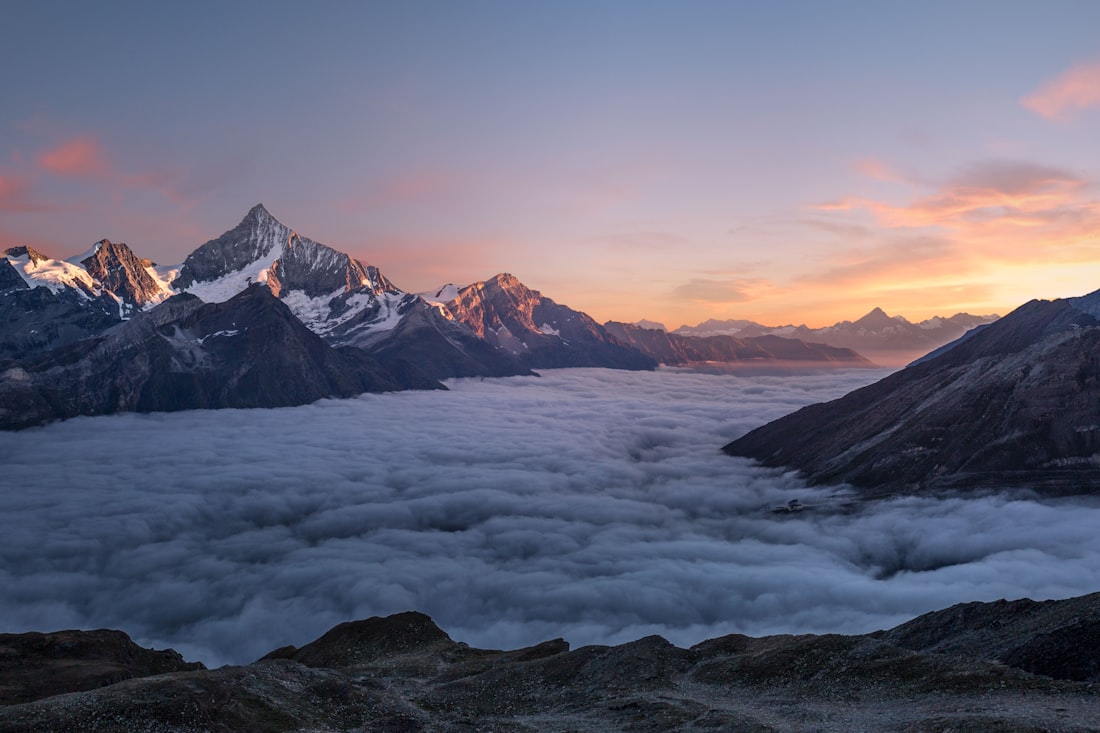
Wilpena Pound (Ikara)
IconicHikingA massive natural amphitheatre formed by mountains rising 500 metres above the valley floor. Known to the Adnyamathanha people as Ikara, meaning "meeting place." The only entry point is through a narrow gap, and the interior spans 80 square kilometres. Hiking trails range from easy valley walks to the challenging St Mary Peak summit.
Must-Do: Scenic flight over the Pound for aerial perspective, or hike the Wangara Lookout trail for panoramic views from the rim.
Sacred Canyon
CulturalRock ArtA narrow gorge featuring ancient Adnyamathanha rock engravings created thousands of years ago. A short 1km walk through the canyon reveals dozens of carvings — symbols, animal tracks, and ceremonial markings etched into soft sandstone walls.
Respect: This is a sacred site. Follow all signage, never touch carvings, and maintain respectful silence throughout your visit.
Brachina Gorge
GeologyScenic DriveDrive through 600 million years of geological history along the 20km Brachina Gorge Geological Trail. Rock layers tell the story from an ancient seabed to mountain formation. Interpretive signs explain the geology at each stop. Excellent for wildlife spotting at dawn and dusk.
Highlight: Self-drive geological time capsule with outstanding scenery and reliable yellow-footed rock wallaby sightings.
Arkaroola Wilderness Sanctuary
4WDAstronomyPrivate wilderness sanctuary in the northern Flinders Ranges. Famous for the Ridgetop Tour — Australia's most dramatic 4WD track climbing to Sillers Lookout. Also home to a world-class observatory under International Dark Sky Reserve conditions.
Adventure: Book the Ridgetop Tour months ahead — it's not for the faint-hearted, but the views are absolutely spectacular.
Bunyeroo & Brachina Valleys
Scenic DrivePhotographyTwo of the most photogenic valleys in the Ranges. The Bunyeroo Valley Drive (33km loop) and Brachina Gorge offer stunning mountain views, colourful rock formations, and excellent wildlife viewing. Best experienced in morning or late afternoon light when the red rocks glow.
Photo Tip: Golden hour is spectacular here. Dawn brings wildlife and warm amber light on ancient red sandstone.
Cazneaux Tree
PhotographyIconA famous red gum tree photographed by Harold Cazneaux in 1937. The image "Spirit of Endurance" became one of Australia's most iconic photographs. The tree still stands near Wilpena Pound, though showing natural age. Short walk from the car park with interpretive signage.
Note: The tree is dying naturally — visit while you can to see this living piece of Australian cultural history.
🥾 Hiking & Walking Trails
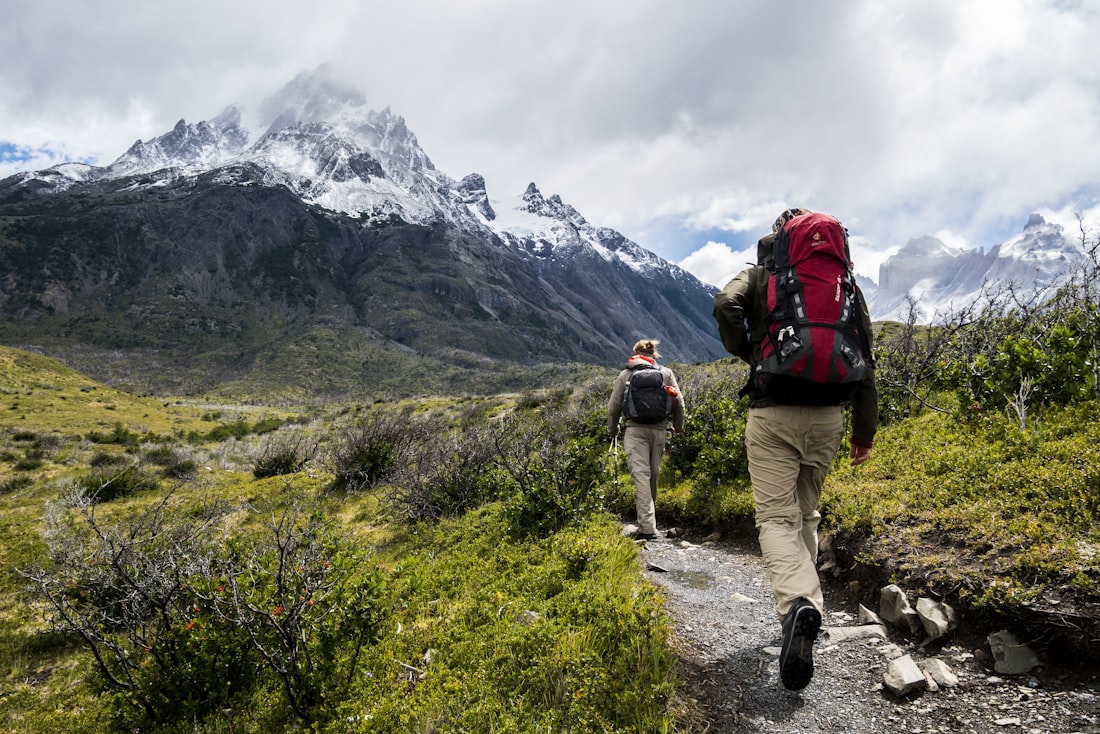
Easy Walks (1–2 hours)
- Wangara Lookout — 2.5km return, 1 hourExcellent introduction to Wilpena Pound with stunning valley views. Moderate incline but well-maintained track. Perfect for sunrise or sunset.
- Sacred Canyon — 1km, 30 minutesFlat walk through narrow gorge to view ancient Adnyamathanha rock engravings. Shaded and easy, suitable for all fitness levels.
- Arkaroo Rock — 3km return, 1.5 hoursAboriginal rock art site with paintings depicting creation stories. Moderate walk with some scrambling over rocks.
Moderate Hikes (3–6 hours)
- Heysen Trail — Wilpena to Cooinda Camp, 14km, 5–6 hoursScenic section of Australia's longest hiking trail. Traverse ridgelines with panoramic views. Can be done as a day hike or overnight with camping.
- Hills Homestead Walk — 9km return, 4 hoursHistorical walk through Wilpena Pound to the ruins of Hills Homestead. Flat valley floor walking with dramatic mountain backdrop throughout.
Challenging Hikes (Full Day)
- St Mary Peak — 20km return, 7–9 hoursThe ultimate Flinders Ranges hike. Summit the highest peak in Wilpena Pound (1,171m) for 360-degree views. Steep, rocky, and strenuous but incredibly rewarding. Start before dawn to avoid heat. Note: The summit is sacred to Adnyamathanha people — consider turning back at the outer rim as a sign of respect.
- ABC Range Hike — 15km, 6–7 hoursChallenging ridge walk with spectacular views in every direction. Steep climbs and exposed sections. Only for experienced, fit hikers with navigation skills.
The Flinders Ranges are remote and can be genuinely dangerous. Always carry 3+ litres of water per person, sun protection, first aid kit, map, and emergency communication (PLB recommended). Tell someone your plans before you leave. Summer temperatures regularly exceed 40°C — avoid midday hiking entirely. Mobile phone coverage is limited or non-existent in most areas. Many trails are unmarked or poorly maintained. Consider a guided experience for challenging hikes.
🦘 Wildlife Encounters

🦘 Yellow-footed Rock Wallabies
The Flinders Ranges' star attraction. These beautiful marsupials with golden feet and striped tails live in rocky outcrops. Best spotted at Brachina Gorge or Aroona Valley at dawn and dusk. Vulnerable species — treat every sighting as a privilege.
🦅 Wedge-tailed Eagles
Australia's largest bird of prey soars on thermals above the Ranges. Wingspan up to 2.7m. Watch for them circling high above valleys and ridgelines throughout the day — a signature Flinders experience.
🦎 Central Bearded Dragon
Large lizards often seen basking on warm rocks. Distinctive spiky "beard" expands when threatened. Harmless and often quite bold around popular hiking trails — great photo opportunity.
🦘 Western Grey Kangaroos & Euros
Common throughout the Ranges. Euros (hill kangaroos) prefer rocky areas while western greys favour flatter country. Most active at dawn and dusk. Always watch for them on roads, especially at night.
🦜 Red-capped Robin
Tiny birds with brilliant red heads — one of many colourful outback bird species. Look for them in mulga and acacia scrubland. The Flinders Ranges are excellent for birding generally, with 200+ species recorded.
🐍 Snakes
Several venomous species including eastern brown and king brown snakes. Generally avoid humans but be cautious in summer. Wear enclosed shoes, watch where you place hands and feet, and make noise while walking through undergrowth.
🌟 Unique Experiences

Scenic Flights
The only way to truly appreciate the scale and beauty of Wilpena Pound is from above. Multiple operators offer flights from 20 minutes to full-day tours. A standard 30-minute flight ($200–250 per person) covers the full Pound, while longer flights ($400–600pp) extend to Kati Thanda–Lake Eyre or Arkaroola.
Book: Wrights Air or Wilpena Pound Resort. Morning flights offer the best light and calmest conditions — book well in advance for peak season.
Adnyamathanha Cultural Experiences
Learn from Adnyamathanha traditional owners about their 50,000+ year connection to Ikara Country. Tours include bush tucker walks, rock art interpretation, creation story telling, and traditional practices. These experiences provide profound context to the landscape — the geology, plants, animals, and sky all take on new meaning once you understand the cultural knowledge woven through them.
Book: Iga Warta Cultural Centre or through Wilpena Pound Resort. These are among the most significant cultural tourism experiences available anywhere in Australia.
Stargazing
The Flinders Ranges offer some of the darkest skies in Australia — Arkaroola is an International Dark Sky Reserve. On moonless nights, the Milky Way arches overhead in astonishing detail and the Magellanic Clouds are easily visible to the naked eye. Arkaroola Astronomical Observatory offers guided telescope viewing sessions. DIY stargazing is spectacular from any campsite away from settlement lights.
Best Time: New-moon periods from autumn through spring. Winter nights are the longest and clearest. In 2026, the solar maximum makes aurora australis possible from southern South Australia — check aurora forecasting apps.
4WD Adventures
Numerous 4WD tracks explore remote areas completely inaccessible to 2WD vehicles. The Ridgetop Tour at Arkaroola is legendary — a hair-raising climb up impossibly steep tracks to Sillers Lookout with 360-degree views across the northern Flinders. BYO 4WD with high clearance or book a guided tour. Always check track conditions, carry adequate water, and have emergency communication.
The Flinders Ranges are a photographer's paradise. Best light falls within two hours of sunrise and sunset when the red earth glows amber. Bring a wide-angle lens for landscapes and telephoto for wildlife. A polarising filter helps with harsh midday light. For astrophotography, use a tripod, fast wide lens, and aim for new-moon periods. The red earth against blue sky creates colour contrasts unlike anywhere else in Australia.
📅 Sample Itineraries
- Drive to Wilpena Pound (5 hours) with lunch stop at historic Quorn
- Arrive mid-afternoon, check into accommodation
- Sunset walk to Wangara Lookout
- Stargazing session after dark
- Early morning scenic flight over Wilpena Pound (book well ahead)
- Hike into Wilpena Pound — St Mary Peak outer rim (strenuous) or Hills Homestead (moderate)
- Afternoon visit to Sacred Canyon
- Sunset at Rawnsley Park lookout
- Morning drive through Bunyeroo Valley and Brachina Gorge
- Wildlife spotting — yellow-footed rock wallabies at Aroona Valley
- Return drive to Adelaide, lunch stop at historic Melrose
- Arrive Adelaide evening
- Drive to Arkaroola (3–4 hours) via Blinman and the Gammon Ranges
- Afternoon 4WD Ridgetop Tour (booking essential months ahead)
- Evening astronomy session at the Arkaroola Observatory
- Guided walks to waterholes and gorges
- Optional scenic flight over Kati Thanda–Lake Eyre or Lake Frome
- Self-drive 4WD tracks (if experienced and properly equipped)
- Drive to Blinman (historic copper mining town)
- Underground mine tour at Blinman Mines
- Return to Wilpena area via alternate scenic route through Parachilna Gorge
- Dinner at the legendary Prairie Hotel in Parachilna
- Morning at leisure, final short hike or wildlife walk
- Return journey with stops at any attractions missed
- Option to return via Clare Valley for wine tasting
🏨 Where to Stay
Wilpena Pound Resort
The only accommodation inside Flinders Ranges National Park. Safari-style tents, motel rooms, and campground. Restaurant, general store, visitor centre, and tour bookings all on-site. The central base for exploring the Pound and surrounds. Book 2–6 months ahead for April–October peak season.
Rawnsley Park Station
Eco-certified working sheep station offering everything from camping to luxury eco-villas. Stunning views across the Elder Range. Excellent restaurant using station-raised lamb. One of the best eco-tourism properties in South Australia.
Arkaroola Wilderness Sanctuary
Remote accommodation in the northern Flinders Ranges. Motel-style rooms, lodge, and campground. Restaurant, bar, and observatory on-site. The base for the Ridgetop Tour and serious astronomy.
Prairie Hotel, Parachilna
Legendary outback pub famous for the "Feral Mixed Grill" featuring kangaroo, camel, and emu. Character accommodation in a genuinely remote outback setting. One of Australia's most iconic pub experiences.
Quorn & Hawker
Gateway towns with motels, pubs, and caravan parks. Quorn is the base for the famous Pichi Richi Railway heritage train. Hawker is the closest service town to Wilpena with fuel, supplies, and basic accommodation.
Bush Camping
Bush camping is permitted in many areas of Flinders Ranges National Park. Requires full self-sufficiency — bring all water and supplies, carry all rubbish out. Campfires are banned during fire danger season (November–April). Book through the SA National Parks booking system.
Popular camping spots fill on long weekends and school holidays — book through the SA National Parks website. The Wilpena Pound interior is not open to camping but the resort campground is excellent. Always carry more water than you think you'll need — the remote outback is genuinely unforgiving.
📆 When to Visit
Autumn — March to May
Perfect temperatures 15–28°C, clear skies, excellent stargazing, and often wildflowers late in the season. Peak booking period — plan 2–6 months ahead for Wilpena Pound Resort.
Spring — Sept to Nov
Wildflowers carpet the Ranges in remarkable colour, mild hiking temperatures, and clear skies. Spring is the most visually spectacular season — book well ahead as demand is high.
Winter — June to August
Mild days (12–18°C), cold nights (can drop below 0°C). Less crowded, excellent stargazing conditions with the longest nights. Some services reduced hours. Perfect for budget travellers and astronomy enthusiasts.
Summer — Dec to Feb
Very hot — temperatures regularly exceed 40°C and can reach 48°C. Avoid all strenuous hiking. Dramatic thunderstorms provide incredible photography. Most visitors avoid summer. If you go, stay hydrated, hike only before 9am, and have a reliable vehicle with air conditioning.
ℹ️ Practical Information
Getting There
The Flinders Ranges are accessible by sealed road from Adelaide in approximately 5 hours via Port Augusta (Highway 1, then National Highway 47). The most scenic route goes through Clare Valley and the Flinders Ranges foothills via Gladstone and Wilmington. Hire cars from Adelaide are widely available — a standard 2WD is sufficient for most key attractions including Wilpena Pound Resort, Sacred Canyon, and Brachina Gorge Geological Trail.
Rex Airlines operates seasonal flights from Adelaide to Leigh Creek, the gateway to the northern Flinders — a useful option if time is short. Check current schedules as services vary by season.
Permits & Fees
Entry to Flinders Ranges National Park requires a valid parks pass. An annual SA Parks Pass ($75/vehicle) provides excellent value if you plan multiple visits. Day entry is also available. Passes can be purchased at the park entrance, the Wilpena Pound Resort visitor centre, or online through the SA National Parks website. Some areas, including Arkaroola, are privately managed with separate entry fees.
Mobile Coverage & Communication
Mobile phone coverage is limited or non-existent across most of the Flinders Ranges. Telstra provides the most coverage of any network but reception is still patchy in gorges and remote areas. Download offline maps (Google Maps offline or Maps.me) before departure. For remote hiking, carry a Personal Locator Beacon (PLB) — they can be hired from outdoor shops in Adelaide and are strongly recommended.
This is a remote, semi-arid outback environment. Always carry more water than you expect to need (minimum 1 litre per person per hour of activity in summer). Carry emergency food, a first aid kit, a physical map, and emergency communication. Fuel up at every opportunity — distances between service stations are large. Let someone outside the park know your itinerary before you head into remote areas.
Plan Your Flinders Ranges Adventure
Let Cooee Tours help design your perfect South Australian outback itinerary — from a weekend Wilpena Pound escape to a 7-day expedition combining the Flinders Ranges, Barossa Valley, and Kangaroo Island.
Contact Cooee Tours Outback Adventure GuideFrequently Asked Questions
Approximately 450km north of Adelaide — about a 5-hour scenic drive via the Princes Highway and Barrier Highway through Clare Valley and Port Augusta. Many visitors stop at Quorn and the Pichi Richi Railway along the way.
Wilpena Pound (Ikara in Adnyamathanha language, meaning "meeting place") is a massive natural amphitheatre formed by mountains rising 500 metres above the valley floor. The interior spans 80 square kilometres and is only accessible through a single narrow gap. It is the iconic centrepiece of Flinders Ranges National Park.
Autumn (March–May) and spring (September–November) are the ideal times — temperatures are perfect for hiking, wildflowers appear in spring, and clear skies make for excellent stargazing. Summer is very hot (40°C+) and most hikes should be avoided at midday. Winter is mild and uncrowded with the best astronomy conditions.
Yes — the region offers family-friendly options including the easy Sacred Canyon walk, Wangara Lookout, scenic flights, and Adnyamathanha cultural experiences at Iga Warta. Wilpena Pound Resort has facilities suited to families. Avoid challenging summit hikes with young children and always carry adequate water and sun protection.
Not necessarily. Wilpena Pound Resort, Sacred Canyon, Brachina Gorge, and most key attractions are accessible by 2WD on sealed or well-maintained gravel roads. However, the Ridgetop Tour at Arkaroola and some remote camping areas require a 4WD with high clearance. Always check road conditions with the local visitor centre before heading to remote areas.
Yes. Cooee Tours can help design customised South Australian itineraries that combine the Flinders Ranges with the Barossa Valley, Adelaide, Kangaroo Island, or the Eyre Peninsula. Contact us for tailored advice on timing, accommodation, and guided experiences throughout South Australia.