Derby — The Town That Takes the Tides Seriously
Derby is the kind of place that rewards slow attention. From the outside it appears to be simply a small, flat outback town on the edge of King Sound — dusty streets, corrugated iron, and an industrial port that still smells faintly of the cattle industry that built it. But look at the tide charts.
King Sound at Derby records the highest tidal variation in the Southern Hemisphere — up to 11.8 metres between low and high water. When the tide goes out, it goes kilometres. The mudflats that appear are a different landscape entirely: silver-grey, still, and reflecting the Kimberley sky back at itself. When the tide returns, it comes fast. Very fast. Derby locals build their lives around the tidal calendar in a way that no other Australian town quite does.
Beyond the tides, Derby matters because the Gibb River Road starts here. It is the western terminus of the most famous 4WD track in Australia, and every expedition that drives east toward Kununurra begins at Derby's fuel bowser. The town is also where Horizontal Falls scenic flights depart, where the Mowanjum Aboriginal Arts Centre represents one of the most significant living art traditions in the country, and where a single Boab tree has been standing since before the Norman Conquest of England.
The Southern Hemisphere's Most Extreme Tidal Range
King Sound at Derby records tidal ranges up to 11.8 metres — the highest in the Southern Hemisphere and among the highest on Earth. Standing on Derby Wharf and watching the tide come in is one of the most genuinely impressive natural experiences in the Kimberley.
Things to Do in Derby
Derby Wharf extends 285 metres over a tidal flat that goes from deep water to exposed mud kilometres wide — and back again — in a matter of hours. Come at low tide and the mudflats stretch to the horizon, silver and still, reflecting a sky the colour of gunmetal. Return at high tide and the same expanse is completely submerged. The speed of the returning tide is genuinely surprising — this is not a gradual lap of water.
The old cattle loading jetty nearby tells the story of Derby's history as the region's main stock export port. A stroll along the foreshore at dusk, with the tidal mudflats reflecting the last of the Kimberley light, is one of the best free experiences in the region.
- Check BOM tides for Derby before you go — low and high tide times are your visit schedule
- Spring tides (full/new moon) produce the largest range — up to 11.8m
- The mudflats at low tide reveal large populations of migratory shorebirds
- Derby Wharf at sunset with the returning tide — genuinely spectacular light
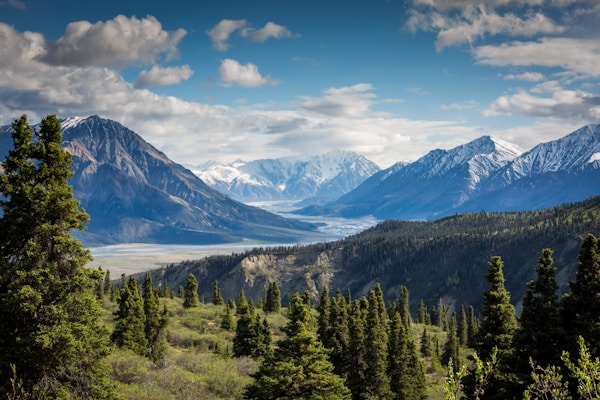
Seven kilometres south of Derby, beside the road to Windjana Gorge, stands a boab tree estimated to be over 1,500 years old. Its trunk measures 14 metres in circumference. Local history records it was used to temporarily hold Aboriginal prisoners overnight during the colonial era of the 1890s before transport to Derby — a period of history the tree now stands as a quiet witness to.
The boab (Adansonia gregorii) is one of the world's most distinctive trees, related to the African baobab but found only in the Kimberley and adjacent Northern Territory. The trunks store water, the seed pods are edible, and the oldest specimens have been standing since before the first European contact with Australia. This one is exceptional even by that standard.
- Located 7km south of Derby on the Gibb River Road approach road
- Best photographed in morning or late afternoon golden light
- The Myalls Bore nearby is a historic cattle watering point — also worth a stop
- Treat the site with respect — it carries significant cultural and historical meaning

Derby is one of the two main departure points for Horizontal Falls tours — often offering a shorter and cheaper flight than departing from Broome (220km away). The Horizontal Falls in Talbot Bay are exactly what the name suggests: tidal forces push enormous volumes of seawater through two narrow coastal gorges, creating waterfall effects that flow horizontally rather than vertically. David Attenborough called them one of the world's greatest natural wonders.
Flights from Derby over the Buccaneer Archipelago offer extraordinary aerial views of the region's drowned coastline — hundreds of islands, inlets, and tidal creeks. Most tours include a landing at Talbot Bay, zodiac boat viewing of the falls, and a barramundi lunch on a floating platform.
- Departures from Derby Airport — shorter flight than Broome departures
- Tours vary by operator — most include barramundi lunch and cage swimming option
- Aerial views of the Buccaneer Archipelago are extraordinary in their own right
- Book well ahead in July–August — limited aircraft capacity fills months in advance
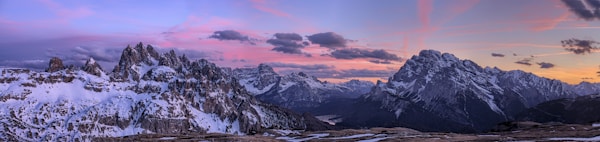
Mowanjum Art & Culture Centre is one of the most significant Indigenous art centres in Western Australia, representing the Worora, Ngarinyin, and Wunambal peoples — the three groups who created the distinctive Wandjina rock art style that defines Kimberley visual culture. The gallery sells original artwork directly, with proceeds going to the artists.
The Wandjina figures — large spirit beings with halo-like headdresses, mouthless faces, and large eyes — are among the most visually distinctive images in world art. They have been painted on Kimberley rock faces for tens of thousands of years and continue to be renewed by the same communities today. Mowanjum is the best place in Australia to understand and purchase this tradition ethically.
- Open daily in dry season (May–September) — confirm hours before visiting
- All artwork sales go directly to artists — not commercial reproduction
- Gallery staff provide cultural context for the Wandjina traditions
- The annual Mowanjum Festival (July) celebrates culture, dance, and art
Derby is the closest town to two of the Kimberley's most compelling natural attractions. Windjana Gorge National Park — 145km from Derby — is a 375-million-year-old canyon with walls of ancient Devonian reef and the highest concentration of freshwater crocodiles in WA. Tunnel Creek, another 40km further, is the oldest cave system in the Kimberley: a 750-metre torch-lit wade through total darkness.
Both can be visited in a single day trip from Derby in a well-organised itinerary, though staying overnight at Windjana adds significantly to the experience. The Pigeon Heritage Trail here commemorates Jandamarra — the Aboriginal resistance fighter who used Tunnel Creek as his base in the 1890s — and adds a powerful cultural dimension to both sites.
- ~145km from Derby — allow 2 hours each way on sealed then unsealed road
- Standard 4WD recommended — some sections can be corrugated
- For Tunnel Creek: bring a waterproof torch and water shoes — these are essential
- Camping at Windjana is excellent — book in advance for peak season (Jul–Aug)
Derby's history is older and more layered than its present appearance suggests. The town was established in 1883 as the administrative centre of the West Kimberley, and the stories of the frontier period — Aboriginal resistance, pearling, cattle droving, mission history, and colonial policing — are woven into the landscape around it.
The Pigeon Heritage Trail commemorates Jandamarra (known to colonists as "Pigeon"), a Bunuba man who led one of the most dramatic episodes of Aboriginal armed resistance in Australian history. His story connects Derby, Windjana Gorge, and Tunnel Creek in a narrative the local cultural guides interpret with considerable depth and honesty.
- Derby Museum on Clarendon Street — colonial era and Kimberley pastoral industry
- Jandamarra interpretation at Windjana Gorge visitor centre
- Aboriginal-led cultural tours provide the most complete and respectful interpretation
- The old Derby gaol and hospital ruins provide physical historical context
"Derby is the town people drive through on their way to the Gibb River Road. That's a mistake. The tides at King Sound are genuinely one of the strangest and most impressive natural spectacles in Australia — the sort of thing that would be the headline attraction anywhere else, but here is just what happens every day. Sit on Derby Wharf at low tide with a coffee and watch the first water start to return. Give it an hour. You'll understand."
— Sarah McKenzie, WA Specialist, Cooee Tours · 11 years guiding the Kimberley
Day Trips & Side Expeditions
Distances from Derby township. Dry season conditions (May–Oct) assumed for unsealed roads.
| Destination | Distance | Road | Difficulty | Time |
|---|---|---|---|---|
| Boab Prison Tree | 7km south | Sealed + short dirt | Easy | 30 min return |
| Windjana Gorge NP | 145km | Mostly sealed, some dirt | Easy–Moderate | Full day |
| Tunnel Creek NP | 185km | Dirt road | Moderate 4WD rec. | Full day (combine with Windjana) |
| Horizontal Falls | 130km by air | Seaplane only | Easy | Full day tour |
| Gibb River Road | 0km — starts here | Unsealed 4WD | Challenging 4WD essential | 8–10 days full route |
| Broome | 220km southwest | Sealed highway | Easy | 2.5 hours drive |
Derby is Where the Great Drive Begins
The Gibb River Road starts at Derby. Every guided expedition heading east — toward Bell Gorge, Manning Gorge, Barnett River, El Questro, and finally Kununurra — fills its tank here, confirms its tyre pressures, and crosses the boundary from town to wilderness. Our Gibb River Road Expedition (8 days, max 10 guests) departs from Derby.
Before You Visit Derby
By air: Rex Airlines fly Perth–Derby and Broome–Derby (seasonal). Derby Airport is 3km from town. By road: 220km from Broome via Great Northern Highway (sealed) — 2.5 hours. Car hire is available in Broome but not reliably in Derby — arrange ahead of departure.
Fuel up in Derby before the Gibb River Road — the next reliable stop is Imintji (~270km). Derby has a supermarket, pharmacy, hardware store, and two fuel stations. If departing on the Gibb, carry spare fuel for 500km range and two full spare tyres. Stock up on fresh food here.
Check BOM tide predictions before any waterfront activity. The incoming tide at King Sound moves quickly — people have been caught on mudflats by rising water. Crocodiles: Saltwater crocodiles inhabit King Sound and all tidal channels. Never swim in or enter unmarked tidal water.
Derby is dry season only for most activities (May–October). The wet season (November–April) brings extreme heat (40°C+), high humidity, and road closures. Horizontal Falls flights operate year-round. The Mowanjum Festival runs in July. July–August is peak season — book accommodation ahead.
Derby has a small but functional accommodation base. Kimberley Entrance Caravan Park is popular with self-drive travellers. Spinifex Hotel and Boab Inn cover mid-range hotel options. Book 4–6 weeks ahead for July–August. Most travellers use Derby as a 1–2 night stop before the Gibb.
Derby has Telstra mobile coverage in town but not on surrounding roads. Satellite communication is essential for the Gibb River Road. Derby has a hospital, police station, and DFES emergency services. Register a trip plan at DFES WA before any remote travel.