CT
Cooee Tours Editorial Team
Photography & Destination Specialists · Brisbane, QLD
📅 March 2026 📸 Photography Guide ⏱ 14 min read
Australia is one of the most photographed countries on earth — and for good reason. From the ancient red monolith of Uluru to the swirling white silica of Whitehaven Beach, every state delivers landscapes that stop the scroll. This guide covers the most Instagrammable places in Australia in 2026, with the exact timing, access, and composition tips that make the difference between a good photo and an unforgettable one.

📸 Why Australia is a Photographer's Paradise

Australia's extraordinary diversity — ancient outback, tropical rainforest, alpine wilderness, and 25,000 kilometres of coastline — means the country offers more distinct visual environments than almost anywhere else. The quality of light is exceptional: the southern latitude combined with low humidity in many regions produces a clarity and saturation that photographers actively seek out.

But Australia's most Instagrammable locations aren't just visually spectacular — many carry profound cultural and ecological significance. This guide includes not just what to photograph but how to do it respectfully, so your images tell a genuine story of a place rather than just extracting a frame from it.

🏙️ Iconic Landmarks
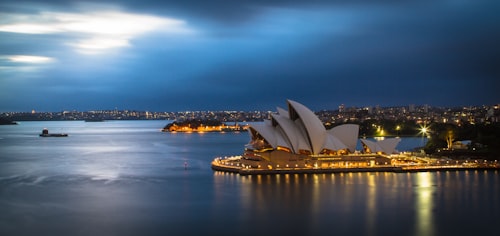
Sydney Opera House at sunrise from Mrs Macquaries Chair
1
Landmark

Sydney Opera House

The most Instagrammed location in Australia. The distinctive sail architecture photographs beautifully from every angle — but the two best are Mrs Macquarie's Chair (Opera House + Harbour Bridge in one frame) and Kirribilli on the north shore at sunrise when the light is soft and crowds are minimal.
Shoot from the water (Manly Ferry or harbour cruise) for angles unavailable on land.
Uluru Ayers Rock sunrise red centre Australia
2
Sacred Site

Uluru (Ayers Rock)

The most photographed landscape location in Australia. Uluru shifts from deep purple through crimson to burnt orange as the sun rises — and back again at sunset. The designated viewing area at Talinguru Nyakunytjaku provides elevated perspective. Respect photography restrictions around sacred areas.
Arrive at the sunrise viewing area 45 minutes before first light. A polarising filter enhances the red tones dramatically.
Blue Mountains Three Sisters Echo Point mist valley
3
National Park

Blue Mountains

The Three Sisters at Echo Point are iconic, but for fewer crowds and equally dramatic views, head to Pulpit Rock Lookout or Evans Lookout. Winter mornings often bring valley fog that creates ethereal layered landscape photography — misty valleys and dramatic cliff faces with blue-tinged haze.
Fog appears most often on cold, still mornings after clear nights. Check the BOM forecast before making the early drive from Sydney.
Great Barrier Reef Queensland aerial underwater
4
Marine

Great Barrier Reef

The world's largest coral reef system extends 2,300km along Queensland's coast. Underwater photography here is world-class — snorkel or dive with a waterproof housing or GoPro for coral gardens, reef fish, and turtles. Surface photography on day cruises also delivers spectacular turquoise and aquamarine tones.

Outer reef locations (accessed from Cairns) have dramatically clearer water and better coral health than inshore reefs.

🌅 Outback & Red Centre

Kata Tjuta Olgas sunrise red centre Northern Territory
5
Sacred Site

Kata Tjuṯa (The Olgas)

Often overlooked beside its famous neighbour, Kata Tjuṯa's 36 domed rock formations have extraordinary visual presence. The Valley of the Winds walk provides close access to the dramatic forms. Morning light creates deep shadow play between the domes — very different visual character to Uluru.
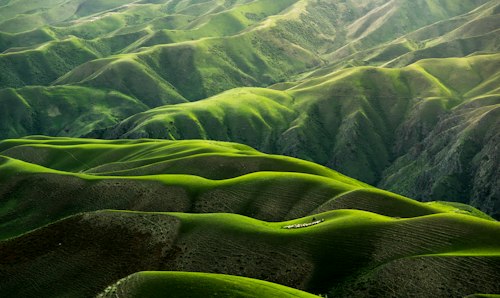
The Walpa Gorge walk (45 min return) offers intimate scale with the monoliths for compositional interest.
Pinnacles Desert Western Australia limestone formations
6
Landscape

The Pinnacles, Western Australia

Thousands of ancient limestone pinnacles rising from yellow desert sand — an alien landscape unlike anywhere else on earth. Golden hour light at sunset turns the pinnacles into silhouettes against a burning sky. Sunrise is equally spectacular with warm directional light creating strong shadow across the formations.

The short Pinnacles Loop walk allows ground-level compositions with the formations as foreground elements.
Red Centre Photography Tip The best images from the Red Centre come from staying for multiple days and multiple light conditions. A single sunset visit won't capture the full range — the rock looks completely different on overcast days when subtle colour gradations appear without the harsh contrast of direct sunlight.

🌴 Queensland Photo Spots

Whitehaven Beach Hill Inlet Whitsundays turquoise swirling
7
Coastal

Whitehaven Beach & Hill Inlet

Voted Australia's most beautiful beach. The Hill Inlet lookout north of the 7km beach reveals the iconic swirling pattern of pure white silica sand meeting multiple shades of turquoise — one of the most reproduced travel images in the world. Visit at low tide when the water channels create the most abstract patterns.
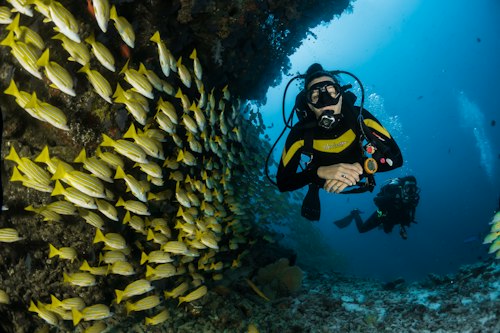
Every Whitsunday day cruise visits Hill Inlet — ask specifically for the lookout walk, not just the beach.
Great Barrier Reef aerial heart reef Queensland
8
Wildlife

Cape Hillsborough — Kangaroos at Sunrise

One of Australia's lesser-known but most magical photo experiences: wallabies and kangaroos appear on the beach at sunrise to feed on seaweed. Combine with perfect tropical light reflecting off the ocean for images that require almost no editing. A 2-hour drive north of Airlie Beach makes it a genuine detour worth making.

Arrive 30 minutes before sunrise and stay completely still. The animals are habituated to quiet visitors but will scatter at movement.
Daintree Rainforest ancient jungle Cape Tribulation Queensland
9
Rainforest

Daintree Rainforest & Cape Tribulation

The world's oldest tropical rainforest provides diffused, jungle-filtered light ideal for detailed foliage and wildlife photography. Cape Tribulation — where the rainforest meets the reef — produces images of two World Heritage landscapes in a single frame. Mossman Gorge's clear-water boulders are extraordinary in late afternoon light.
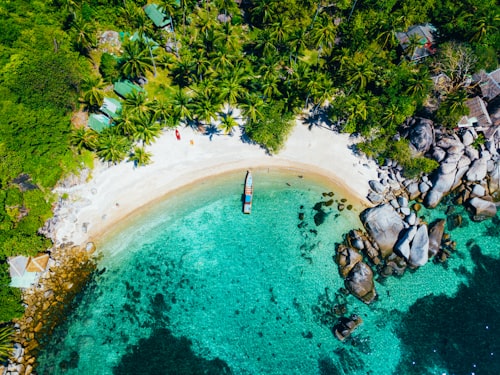
Shoot in the first two hours of the morning when light filters through the canopy at low angles before it goes overhead.
Noosa National Park headland Sunshine Coast beach
10
Coastal

Noosa National Park Headland

The Noosa headland coastal walk delivers dramatic cliff-top views, surfers below on Main Beach, and a high probability of koala sightings in the eucalypts along the path. Late afternoon light hits the coastal rocks beautifully. The walk is accessible, low-crowd before 9am, and visually varied throughout.

Look for dolphins in the bay below Boiling Pot Point — local dolphins surf the headland waves regularly.

For more Queensland photography locations and Cooee Tours' day experiences across the Sunshine Coast, Gold Coast, and Cairns, see our Brisbane to Cairns Road Trip Guide.

🌊 Victoria & South Australia
Twelve Apostles Great Ocean Road Victoria sunrise golden hour
11
Coastal

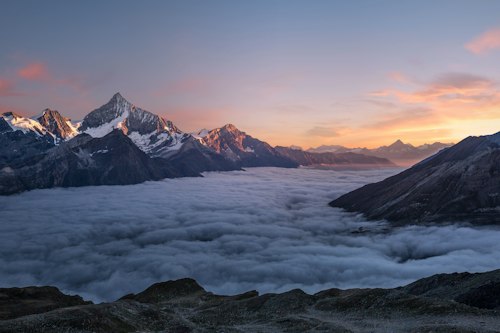
Twelve Apostles, Great Ocean Road

Victoria's most photographed limestone sea stacks. Sunrise is optimal — soft golden light illuminates the stacks from the east while crowds are minimal. There are actually only eight apostles remaining, but the drama of wave-carved formations emerging from the Southern Ocean is extraordinary at any light. Don't miss Loch Ard Gorge nearby.

Visit in winter for dramatic skies and powerful swell — but rugged up as the Southern Ocean wind is brutal on exposed platforms.
Brighton Bathing Boxes colourful Melbourne beach photography
12
Melbourne

Brighton Bathing Boxes, Melbourne

Ninety-two brilliantly coloured beach huts lined up on Port Phillip Bay with Melbourne's CBD skyline in the background — one of the most uniquely Australian photography subjects. Each box has a different design. Visit at golden hour when the warm light saturates the colours and the city glows behind.

Visit on a weekday morning for the fewest crowds — weekends can be extremely busy with photographers and tourists.

🌿 Tasmania & Hidden Gems

Bay of Fires Tasmania orange granite white sand
13
Tasmania

Bay of Fires, Tasmania

Pristine white sand beaches contrasted with vivid orange-lichen covered granite boulders — a colour combination that exists nowhere else quite like this. The lichen intensifies in wet conditions; visit after rain or early morning when dew clings to the rocks for the most saturated colours. Binalong Bay is the most accessible entry point.

The north end of the Bay near Eddystone Point requires a bumpy 4WD track but delivers completely deserted beaches.
Cradle Mountain Dove Lake Tasmania reflection dawn
14
Tasmania

Cradle Mountain & Dove Lake

Tasmania's most iconic mountain reflected in Dove Lake at dawn — one of Australia's great landscape photography scenarios. The reflection appears most clearly on calm, wind-free mornings. The boathouse at the lake's edge adds compositional interest. The jagged dolerite summit changes character dramatically from sunrise to overcast conditions.
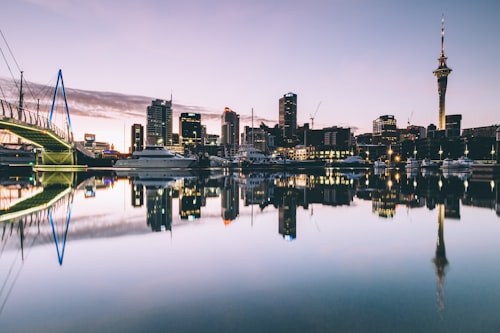

Check the weather forecast 48 hours ahead — clear calm dawns are the target. Cloudy days produce dramatic moody landscape images of a different character.

🔭 Hidden Gems: Crowd-Free Photo Spots

Grampians National Park Mackenzie Falls Pinnacle panorama
15
Victoria

Grampians National Park

Panoramic views from The Pinnacle, MacKenzie Falls' powerful cascade — Victoria's largest waterfall — and frequent kangaroo and emu encounters make the Grampians exceptional for diverse photography. Spring wildflowers (September–November) add extraordinary colour to the rugged sandstone landscape.

A neutral density filter on MacKenzie Falls creates a silky water effect while keeping the rock textures sharp.
Rottnest Island quokka selfie Western Australia beach
16
Wildlife

Rottnest Island — Quokka Selfies

Rottnest Island near Perth is Australia's quokka capital. These small, perpetually-smiling marsupials approach visitors confidently in the settlement area. Crouch to their level (never pick them up or feed them) and use portrait mode to blur the background. Early morning is best when they're most active.

The island's turquoise bays and colonial historic buildings offer exceptional landscape photography beyond the quokkas.
Byron Bay lighthouse Cape Byron most easterly point
17
NSW

Byron Bay — Cape Byron Lighthouse

Australia's most easterly point delivers sunrise as the first sunlight touches the continent. The Cape Byron lighthouse is a dramatic structural element against a pink and orange sky. The coastal walk around the cape provides headland views south and north along a dolphin-rich coastline.

The walk to the lighthouse from the carpark takes 15 minutes — allow 30 minutes before sunrise to position correctly.
Pink salt lake Western Australia drone aerial
18
Western Australia

Pink Lakes, Western Australia

Australia has multiple brilliantly pink salt lakes — Hutt Lagoon near Port Gregory and the Bubblegum Pink Lake at Esperance are the most vivid. The pink colouration from Dunaliella salina algae and halobacteria is most intense in summer and early autumn. Drone photography reveals extraordinary scale and colour gradient.

Midday harsh light actually works well for pink lakes — the colour is the subject, not shadow or texture.

📷 Expert Photography Tips

Mastering Light at Australian Locations

Golden Hour

The first and last hour of daylight produces warm, low-angle light that flatters landscapes and reduces contrast. Most of Australia's iconic locations are at their best at these times — especially Uluru, the Twelve Apostles, and coastal headlands.

Blue Hour

The period of twilight 20–30 minutes after sunset and before sunrise offers cool, even light that balances city artificial lighting and sky. Excellent for Sydney Harbour and the Brighton Bathing Boxes when city lights are on.

Overcast Light

Don't dismiss cloudy days — they produce diffused, shadow-free light ideal for rainforest photography (Daintree), waterfall shots (MacKenzie Falls), and wildlife portraits where harsh shadows would obscure detail.

Midday Light

Generally avoid for landscapes, but useful for underwater/snorkelling photography (Great Barrier Reef), pink lake photography, and beach scenes where you want vivid turquoise water colour.

Composition Techniques

Rule of Thirds

Position the horizon at the top or bottom third of your frame — rarely in the middle. Place key elements (Uluru, a lighthouse, a person) along the vertical grid lines for visual tension.

Leading Lines

Australia's coastlines, dirt roads, and fence lines are excellent natural leading lines. The Great Ocean Road curving into frame, a beach stretching to the horizon, the Harbour Bridge's arc — all draw the eye through the image.

Foreground Interest

Include rocks, wildflowers, or sand patterns in the foreground to create depth. The Bay of Fires granite boulders as foreground with white beach and blue ocean behind is a perfect example of this technique in Australia.

Scale

Australia's landscapes are vast — include a person, a tree, or a boat to communicate genuine scale. A lone figure on Whitehaven Beach or below MacKenzie Falls transforms the emotional impact of the image.

Ethical Photography in Australia

Australia's most Instagrammable places are also among its most ecologically sensitive and culturally significant. Ethical photography means:

Non-Negotiable Rules Never enter areas marked as restricted at sacred Indigenous sites — photography is banned in specific zones at Uluru, Kata Tjuṯa, and other cultural sites. Always maintain safe distances from wildlife (use zoom, not approach). Never use flash near nocturnal animals or birds nesting. Don't remove or disturb any natural material from national parks. Drones require CASA permits and are banned in all National Parks. Respect all signage.

For more on responsible travel and cultural respect in Australia, see our Responsible Travel guide and our Aboriginal History guide.

📅 Seasonal Photography Guide

🌸

Spring
Sep–Nov

Wildflowers in WA & Grampians, baby wildlife, mild temperatures. Best for outdoor extended sessions.

☀️

Summer
Dec–Feb

Vivid coastal blues, tropical Queensland, Great Barrier Reef clarity. Avoid Red Centre heat.

🍂

Autumn
Mar–May

Comfortable everywhere, whale season starts in WA. Best Red Centre and outback conditions.

❄️

Winter
Jun–Aug

Dramatic coastal weather, humpback whale migration QLD, misty Blue Mountains, snow in the Alps.

Find These Photo Spots with Local Expert Guides

Cooee Tours' guides know the exact timing, angles, and hidden access points at Queensland's most photogenic locations — Gold Coast hinterland, Sunshine Coast, Cairns and the Daintree. Small groups, expert knowledge, no logistics.

❓ Frequently Asked Questions

What is the most Instagrammable place in Australia?
The Sydney Opera House is the most Instagrammed landmark in Australia, appearing in more social media posts than any other location. For landscape photography, Uluru at sunrise is widely considered the most extraordinary experience — the monolith shifts through purple, crimson, and burnt orange as the light changes. Whitehaven Beach's swirling silica sand and turquoise water is the most reproduced natural scene. Each has a different character: urban icon, spiritual landscape, or pristine coastal perfection.
What is the best time of day to photograph Uluru?
Sunrise is the most remarkable time — Uluru transitions from deep purple through crimson to burnt orange as the sun rises over the desert. Sunset reverses the sequence. Arrive at the Talinguru Nyakunytjaku viewing area 45 minutes before first light to position before the colour show begins. Note that climbing Uluru is permanently closed. Photography is from ground level at designated viewing areas only, in respect for the Anangu people whose Country this is.
When is the best time to visit the Twelve Apostles?
Sunrise is optimal for the Twelve Apostles — soft golden light from the east illuminates the limestone stacks while tourist crowds are minimal. Arrive 30–45 minutes before sunrise to position. Sunset also works well for warm tones, but car parking fills quickly. Winter mornings deliver dramatic stormy skies and powerful surf that add a different dimension to the composition. Don't just stop at the main lookout — Loch Ard Gorge and Gibson Steps nearby are equally spectacular with far fewer visitors.
Can I use a drone to photograph Australian landmarks?
Drone regulations in Australia are strict. CASA requires recreational drones to stay below 120m, maintain line of sight, and avoid people and airports. Crucially, all National Parks ban drones entirely — including Uluru, the Great Ocean Road, the Daintree, and Cradle Mountain. Sydney Harbour near the Opera House is controlled airspace. Always check CASA regulations and specific location rules before flying. Scenic helicopter and plane operators provide legally compliant aerial photography at many of the most photogenic locations.
What are the best hidden photo spots in Australia?
Australia's best lesser-known photo spots include: Tasmania's Bay of Fires (orange-lichen granite against white sand), the Pinnacles Desert in WA (alien limestone at golden hour), Cradle Mountain reflected in Dove Lake at dawn, Cape Hillsborough near the Whitsundays (kangaroos on the beach at sunrise), and the Bombo Quarry rock formations near Kiama, NSW. In Queensland, Mossman Gorge in the Daintree, Buderim Falls, and the Glass House Mountains at dusk offer spectacular but relatively crowd-free photography.
What camera equipment do I need for Australia photography?
Modern smartphones are capable of excellent travel photography at most Australian locations. For dedicated photography, a lightweight mirrorless camera with a 24–70mm equivalent lens covers most scenarios. Key accessories: polarising filter (essential for beaches, reef water, and Uluru's red tones), extra batteries (Australian heat drains them), microfibre lens cloth (salt spray is everywhere on the coast), and a compact tripod for sunrise and sunset shots. Waterproof housing protects gear in coastal and rainforest environments.