🇭🇷 Europe · Country Guide

Ancient Walls,
1,246 Islands &
Adriatic Blue

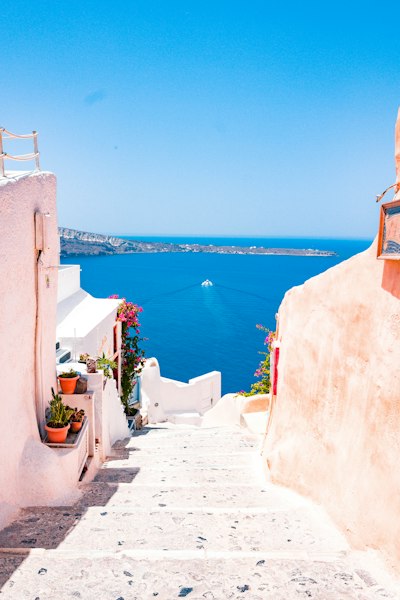
Where Roman emperors retired to palaces still inhabited today. Where medieval city walls stand so intact they serve as evening promenades. Where the water is so clear you can see the seabed from the ferry deck. Croatia is Europe's most spectacular coastline — and its most underrated.

1,246
Islands & Islets
10
UNESCO World Heritage Sites
~20hrs
Brisbane to Dubrovnik
Visa Free
90 Days (Schengen)
1,777km
Adriatic Coastline
About Croatia

Europe's Most Spectacular
Coastline, Largely Intact

Croatia is one of those rare countries that exceeds every expectation. You arrive knowing it has beautiful water — you don't expect the water to be that colour, the old cities to be that intact, the islands to be that numerous, or the food to be that good. Croatia joined the European Union in 2013 and adopted the euro in January 2023, making it more accessible than ever for Australian travellers — but the country still retains the character and culinary tradition of somewhere that was, until recently, considerably off the main tourist circuit.

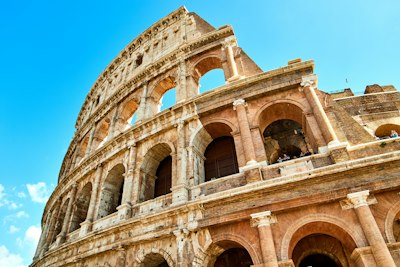
The Dalmatian Coast — stretching 600km from Zadar south to Dubrovnik — is the country's defining geography. Limestone mountains drop almost directly into the Adriatic, creating a coastline of extraordinary drama: narrow inlets, hidden coves, archipelagos of pine-covered islands, and ancient cities built from the same white stone as the cliffs they stand on. Dubrovnik's walled old city is among the best-preserved medieval urban centres anywhere in Europe. Split functions as a living Roman palace — Emperor Diocletian's retirement complex from the 4th century AD now houses 3,000 people, complete with restaurants, bars, and a cathedral built inside his mausoleum.

Croatia's islands are among the world's great sailing destinations. Hvar, Korčula, Vis, Brač, Mljet — each has its own distinct character and its own shade of Adriatic blue. The country's national parks — Plitvice's waterfall lakes, Krka's travertine cascades, Kornati's uninhabited archipelago — are among Europe's most spectacular. And Croatia has an unlikely second identity: the filming location for much of Game of Thrones, giving it a cultural afterlife that brings a new generation of travellers to ancient places.

🏛️ Croatia's UNESCO World Heritage Sites
  • Old City of Dubrovnik — the finest intact medieval walled city in Europe
  • Historical Complex of Split — Diocletian's Palace & Medieval Town
  • Plitvice Lakes National Park — 16 terraced lakes connected by waterfalls
  • Episcopal Complex of Poreč — early Christian basilica & mosaics
  • Stari Grad Plain, Hvar — ancient Greek agricultural landscape (4th century BC)
  • Cathedral of St James in Šibenik — 15th-century Renaissance masterpiece
  • Stećci Medieval Tombstone Graveyards — shared with Bosnia & Herzegovina
Where to Go

Croatia's Essential Destinations

From ancient walled cities to island-dotted archipelagos and inland waterfall lakes — these are the places that define what it means to travel Croatia properly.

Dubrovnik old city walls Adriatic sea cable car Croatia
🏆 Pearl of the Adriatic

Dubrovnik

Europe's finest intact medieval walled city — and the setting for King's Landing in Game of Thrones. Walk the 2km of ancient walls above the terracotta rooftops and luminous sea below. Most beautiful in the blue hour of early morning, before the cruise ships arrive.

Southern Dalmatia · Direct flights from London, Frankfurt, Amsterdam
★ 5.0
Split Diocletian Palace Croatia old town Adriatic coast
Living Roman Palace

Split

Central Dalmatia · Croatia's second city
★ 4.9
Plitvice Lakes national park Croatia turquoise waterfalls
UNESCO Waterfall Lakes

Plitvice Lakes

Lika Region · 2hrs from Split or Zagreb
★ 4.9
Hvar island lavender fields old town Croatia Adriatic
Croatia's Glamour Isle

Hvar Island

Dalmatian Islands · Ferry from Split
★ 4.8
Rovinj old town Croatia Istria peninsula fishing boats harbour
Istrian Gem

Rovinj & Istria

Northern Croatia · Italian influence
★ 4.8
Korčula island old town Croatia Dalmatian coast Marco Polo
Marco Polo's Island

Korčula

Dalmatian Islands · Southern archipelago
★ 4.8
Pick Your Island

The Dalmatian Island Selector

Croatia's 1,246 islands each have a distinct personality. Here's your at-a-glance guide to choosing the right one for your style of travel.

🌺
Hvar
Lavender fields · Nightlife
Glamorous
🏛️
Korčula
Marco Polo · Walled town
Historic
🐟
Vis
Authentic · Blue Cave · Mamma Mia!
Unspoilt
🏖️
Brač
Zlatni Rat · White marble
Beaches
🌲
Mljet
National park · Salt lake · Silence
Nature
🦈
Šolta
Undiscovered · Local life
Secret
Lastovo
Dark sky · Nature park · Remote
Remote
🎸
Pag
Cheese · Lace · Zrće beach festival
Contrasts
🐠
Kornati
Uninhabited islands · Sailing only
Sailing
🌅
Lošinj
Dolphins · Wellness · Aromatherapy
Wellness
🦞
Krk
Largest island · Year-round · Bridge
Accessible
🍷
Pelješac
Dingač red wine · Peninsula · Oysters
Wine & Food
What to Do

Croatia's Unmissable Experiences

Croatia rewards those who go slowly — the country's greatest experiences are usually a swim, a walk along ancient walls, a glass of local wine at sunset, or a boat that takes you somewhere the road can't.

Dubrovnik city walls walk evening sunset Croatia old town
Walk Dubrovnik's City Walls

The 2km circuit of Dubrovnik's medieval walls — rising 25 metres above the Adriatic and encompassing the entire terracotta-roofed old city — is the finest urban walk in Europe. Go at 8am to arrive before the crowds and cruise ship passengers. The views of the sea from the sea-facing ramparts, at any hour, are simply extraordinary.

Year-round · Aug most crowded
Plitvice Lakes national park turquoise waterfall boardwalk Croatia
Plitvice Lakes at Dawn

Arrive at Plitvice at opening time (8am, or stay overnight in the park) to walk the lower lakes boardwalk before the crowds arrive. The 16 terraced lakes — interconnected by waterfalls and a constant mineral chemistry that produces an impossible turquoise colour — are among the most beautiful inland landscapes in Europe. 2–4 hour circuit, flat and mostly boardwalked.

Apr – Oct · Book tickets online
Hvar Pakleni islands boat swimming crystal clear Croatia
Pakleni Islands by Boat

Hire a small motorboat from Hvar town (€60–100 for a half-day) and spend it exploring the Pakleni island chain — a string of uninhabited rocky islets with hidden coves of impossibly clear water and tiny restaurants accessible only by boat. The snorkelling is exceptional. Anchor in a sheltered bay, swim, eat fresh grilled fish, swim again.

June – September
Split Diocletian Palace peristyle courtyard Croatia old town
Diocletian's Palace, Split

Walk into the core of Diocletian's Palace and find 3,000 people living inside a 4th-century Roman emperor's retirement complex — apartments, restaurants, bars, and a cathedral built inside his octagonal mausoleum. The peristyle courtyard hosts opera performances in summer. Split is one of the world's most extraordinary inhabited historical monuments.

Year-round · Live opera July–Aug
Krka national park waterfalls swimming Skradinski Buk Croatia
Swim at Krka's Waterfalls

The Krka National Park's Skradinski Buk waterfall complex — a series of 17 travertine cascades above an emerald pool — was formerly open for swimming (currently restricted — check current rules before visiting). Even without swimming, the walk along the river through the park, with its watermills, medieval fortresses, and Franciscan monastery on an island, is exceptional.

Apr – Oct · Near Šibenik
Vis Blue Cave Biševo boat excursion Croatia island
Vis & the Blue Cave

Vis — the most remote of Croatia's inhabited islands, closed to tourists until 1989 as a Yugoslav military base — remains the most authentic. From Vis, boat excursions reach the Blue Cave on Biševo island, where morning sunlight diffracts through a submerged opening to turn the cave's water an electric, iridescent blue that borders on supernatural.

Best: May – Sep · Morning light
Rovinj Istria old town harbour boats Croatia evening sunset
Rovinj Sunset & Istrian Food

Rovinj's old town — a huddle of pastel-painted houses on a peninsula crowned by a baroque campanile — is the most photographed town in Istria and one of Croatia's most beautiful. Istrian cuisine is a revelation: white truffle from Motovun, locally-cured prosciutto (pršut), porcini mushrooms, grilled fish in olive oil, and Malvazija white wine. Croatia's finest food region.

Year-round · Truffles Oct–Jan
Korčula old town Croatia Marco Polo birthplace evening walls
Korčula — Marco Polo's Isle

Korčula's walled old town — built on a small peninsula jutting into the Adriatic on a herringbone street plan designed to maximise shade — is perhaps the finest small walled town in Dalmatia. The claimed birthplace of Marco Polo. The Moreška sword dance (Thursdays in season) is a tradition continuous since the 15th century. The grk wine from Lumbarda is found almost nowhere else on earth.

Year-round · Ferry from Split or Dubrovnik
Westeros Was Here

Game of Thrones Filming Locations

Croatia served as the backdrop for some of Game of Thrones' most iconic scenes — and the locations are extraordinary places entirely in their own right. Here is where the show was filmed and what you will find when you visit.

Dubrovnik city walls old town King's Landing Game of Thrones
🎬 Game of Thrones — Seasons 2–8
Dubrovnik Old City
King's Landing — Capital of the Seven Kingdoms

Dubrovnik's old city served as King's Landing across six seasons — its Baroque streets, city walls, and sea gates appearing in hundreds of scenes. Key spots: the Rector's Palace (the Small Council chamber), Fort Lovrijenac (the Red Keep exterior), Pile Gate, the Jesuit stairs (the Walk of Shame), and St Dominic Street. The Dubrovnik Game of Thrones Walking Tour (2hrs) covers all major filming locations with production stills.

Join the official tour at 8am before the day-trippers arrive and have the filming locations largely to yourself.
Split Diocletian Palace Croatia filming location Game of Thrones
🎬 Game of Thrones — Seasons 3–5
Diocletian's Palace, Split
The Dragon Pits & Meereen

The subterranean cellars of Diocletian's Palace — the vast vaulted basement structures beneath the living city above — served as the dragon pits of Meereen where Daenerys's dragons were confined. The cellars (open daily, €10 entry) are extraordinary even without the GoT context — a 4th-century Roman underground that now serves as Croatia's largest underground venue for events and exhibitions.

The cellars are entered from the peristyle courtyard — get there early morning to photograph the vaulted spaces without crowds.
Hvar Pakleni islands Brač filming location Game of Thrones
🎬 Game of Thrones — Season 5
Klis Fortress, near Split
The Great Pyramid of Meereen

The medieval fortress of Klis — perched dramatically atop a 385m ridge above Split, commanding views over the Dalmatian plain to the sea — served as Meereen's Great Pyramid in Season 5. Klis has its own extraordinary history: a 1,700-year-old fortress that resisted Ottoman conquest for decades while the rest of the Balkans fell. The 20-minute drive from Split makes it an easy half-day combination with Diocletian's Palace.

Klis hosts regular jousting and medieval re-enactment events in summer — check the schedule before visiting.
Šibenik Cathedral St James Croatia town filming location
🎬 Game of Thrones — Seasons 1–3
Šibenik Old Town
Braavos — Home of the Faceless Men

Šibenik's medieval harbour and UNESCO-listed Cathedral of St James appeared as the city of Braavos in the earlier seasons. The Šibenik Cathedral — built entirely from stone without mortar or wooden supports between 1431 and 1535 — is arguably Croatia's finest building. The town itself, sitting between Split and Zadar, is one of the Dalmatian coast's most genuine and least-touristy stops. Combine with nearby Krka National Park (30 min away).

Šibenik is genuinely undervisited compared to Split and Dubrovnik — the old town at dusk, with its medieval stone streets largely empty of tourists, is one of Croatia's secret pleasures.
Croatia's Wild Places

National Parks & Nature Guide

Croatia has eight national parks — an extraordinary density for a country of 4 million people. They range from the world-famous waterfall lakes of Plitvice to the almost completely uninhabited island archipelago of Kornati.

Plitvice Lakes national park Croatia turquoise cascades boardwalk
🌊 Lika Region · Central Croatia
Plitvice Lakes

Croatia's most visited natural wonder — 16 terraced lakes connected by 92 waterfalls across a UNESCO-listed karst landscape. The colour of the water (produced by a constant mineral chemistry of calcium carbonate and living organisms) ranges from jade green to electric turquoise depending on the season and angle of light. Walk the Lower Lakes circuit (2hrs) or add the Upper Lakes for a full day. The park is best in late spring when snowmelt swells the waterfalls, and in autumn when the surrounding forest turns gold.

📍 2hrs from Split or Zagreb ⏱ Full day recommended 🎟 Book online — limits apply
Arrive at opening (8am April–October, 9am off-season) or buy the first boat of the day to start at the upper lakes and walk down with the light behind you.
Krka national park Croatia waterfalls river travertine Skradinski
🌊 Dalmatia · Near Šibenik
Krka National Park

The Krka River carves through a canyon of travertine rock to create the Skradinski Buk waterfall complex — 17 cascades over 800m — before reaching the Adriatic. Unlike Plitvice's mountain setting, Krka is Mediterranean in character: warm, aromatic with pine and wild sage, and accessible from the sea by boat from Šibenik. The Franciscan monastery on the island of Visovac (in the middle of the lake above the falls) is accessible by boat excursion. The Roman ruins at Burnum and the medieval fortress of Trosenj add archaeology to the natural experience.

📍 Near Šibenik · 1hr from Split 🚢 Boat from Šibenik ⏱ Half day to full day
Approach by boat from Šibenik rather than by road — arriving on the river from the sea gives a completely different perspective on the park's scale.
Kornati national park Croatia uninhabited islands sailing archipelago
⛵ Dalmatia · Off Šibenik Coast
Kornati Archipelago

Kornati National Park comprises 89 islands, islets, and reefs — most of them uninhabited, most of them accessible only by boat. The landscape is strikingly spare and beautiful: white limestone karst islands plunging directly into aquamarine water, with almost no vegetation above the waterline except low scrub. The diving visibility is exceptional — up to 50 metres in calm weather. Several islands have a single konoba (tavern) with a generator and a wood-fired grill; the fisherman-owners of these restaurants are the park's only population.

⛵ By charter or sailing only 🤿 World-class diving 📍 Entry: Murter, Šibenik
Day tours run from Murter and Šibenik (from ~€60 per person) and include a fish lunch at a Kornati island konoba. For the full experience, charter a sailing boat for 3–7 days from Šibenik marina.
Plan Your Route

Dalmatian Island-Hopping Itineraries

Croatia's ferry and catamaran network makes island hopping natural and affordable. These three routes cover the coast's most rewarding combinations — each building from a Split or Dubrovnik base.

Hvar Korčula Vis island hopping Dalmatia sailing Croatia
⛵ 7 Days · Split Base
The Classic Dalmatian Island Hop
Best: June – September · Catamaran + ferry
  • Split — 1 night: Diocletian's Palace, Klis Fortress
  • Hvar Town — 2 nights: Pakleni islands by boat, Stari Grad, lavender fields
  • Korčula — 2 nights: walled old town, Lumbarda beach, grk wine
  • Vis — 2 nights: Blue Cave excursion, Komiža, Stiniva cove
Book This Route →
Dubrovnik Mljet island southern Dalmatia route Croatia
⛵ 5 Days · Dubrovnik Base
Southern Dalmatia Circuit
Best: May – October · Ferry and speedboat
  • Dubrovnik — 1 night: walls walk, cable car to Mt Srđ
  • Mljet — 2 nights: national park, salt lake kayaking, absolute quiet
  • Korčula — 1 night: old town, Pelješac wines at Marco Polo's birthplace
  • Dubrovnik — 1 night: Lapad Bay at sunset, Lokrum island day trip
Book This Route →
Zadar Plitvice Split Šibenik Croatia complete Dalmatian coast
🏛️ 10 Days · Full Coast
Dalmatia Complete — Fly/Drive
Best: May – June or September · Car or public transport
  • Zadar — 1 night: Roman forum, sea organ, Sun Salutation
  • Plitvice Lakes — 1 night: stay in the park, walk at dawn
  • Šibenik — 1 night: Cathedral, Krka National Park half-day
  • Split — 2 nights: Palace, Klis, day trip to Brač (Zlatni Rat beach)
  • Hvar — 2 nights: Pakleni islands, lavender, Stari Grad Plain
  • Dubrovnik — 3 nights: city walls, Lokrum, day trip to Montenegro or Kotor
Book This Route →
Getting Between Islands

Croatia Ferry & Catamaran Guide

Jadrolinija — Croatia's state ferry company — operates an extensive network of car ferries and passenger catamarans connecting the mainland to every inhabited island. Understanding the network before you travel makes island hopping effortless.

SplitHvar Town
Catamaran · 1hr ~€6 one-way Foot passengers only

The Split–Hvar catamaran is Croatia's most-used passenger ferry connection. Multiple daily departures in peak season (June–September), fewer in winter. The car ferry to Stari Grad (not Hvar Town) takes 2hrs from Split and allows vehicles. Note: Hvar Town has very limited parking — leave your car in Split or Stari Grad and use the catamaran.

Book catamaran tickets online at jadrolinija.hr 24–48hrs ahead in peak season — departures fill completely in July and August.
SplitVis
Ferry · 2hrs 20min ~€8 one-way Car ferry available

Vis is Croatia's most remote main island — the additional hour of journey time from Split compared to Hvar is what keeps the crowds down and the character intact. Two to three departures daily in summer. The ferry to Vis Town (east side) is the most regular; some services also stop at Komiža (west, closer to the Blue Cave).

Staying on Vis for 2+ nights is essential — a day trip doesn't do justice to the island's tranquillity and the Blue Cave excursion alone takes most of a morning.
KorčulaDubrovnik
Catamaran · 3hrs 30min ~€15 one-way Seasonal service

The Korčula–Dubrovnik catamaran is the backbone of the southern Dalmatia island-hopping route — connecting the two great medieval walled towns of the Adriatic in a single scenic sea journey. Operates May to October; one departure daily in each direction. A highlight of any Croatian itinerary: sitting on the bow deck as the island chain unfolds.

Sit on the upper open deck for the entire journey — the coastline view between Korčula, the Pelješac Peninsula, and the approach to Dubrovnik's walls from the sea is extraordinary.
SplitBrač (Supetar)
Car Ferry · 50min ~€5 foot passenger Very frequent service

The Split–Supetar (Brač) car ferry is Croatia's busiest short crossing — departures approximately every hour in peak season. Brač is the island of white marble (the material of Diocletian's Palace and the White House in Washington DC both came from Brač's Pučišća quarries), home to the Zlatni Rat — Croatia's most photographed beach, a white pebble spit that shifts direction with the currents.

Drive onto the early morning ferry from Split, spend the day at Zlatni Rat and the inland village of Bol, and return by evening ferry — Brač works well as a day trip from Split.
When to Travel

Best Time to Visit Croatia

Croatia has one of Europe's most defined seasonal travel patterns — the coast transforms utterly between winter and summer. The question is whether you want warmth and crowds, or space and authenticity.

🌸
Spring — The Insider Season
April – May

May is Croatia's finest month for the informed traveller — sea temperature around 18–20°C (swimmable for most Australians), Plitvice Lakes waterfalls at maximum volume from snowmelt, no crowds at Dubrovnik, restaurants fully open, accommodation available without advance booking, and prices 30–40% below peak. Istrian truffles are finishing and the wildflower season is peak. The Dalmatian coast is strikingly beautiful in the clear spring light without August's heat haze.

☀️
Summer — Peak Season
June – August

Croatia's high season is intense — Dubrovnik's old city in August feels overwhelmed (cruise ships bring 8,000+ visitors on busy days), accommodation in Hvar must be booked months ahead, and prices for everything spike significantly. That said, the swimming is exceptional (sea 26–28°C), the island parties are at full force, and the summer evening atmosphere in Dalmatian coastal towns — locals and tourists mingling in stone squares under string lights — is one of Europe's great pleasures. Go early June or late August if you can.

🍂
Autumn — Second Best Season
September – October

September is arguably Croatia's best month overall — sea temperature still 24–26°C, summer crowds gone, restaurants and ferry services still at full schedule, and Istria entering truffle and harvest season. Locals come back to their islands and towns after the August tourist peak. The light on the limestone coast turns golden. Plitvice's forests start to colour in October. October sees more rain beginning on the coast, but remains pleasant and crowd-free. Prices drop 20–30% from August levels.

❄️
Winter — For the Committed
November – March

Croatia's coast in winter is a very different experience — many island restaurants and accommodation close entirely from November to Easter, ferry schedules reduce dramatically, and Dubrovnik's old city, emptied of summer visitors, becomes genuinely magical (and up to 60% cheaper). Zagreb's Advent Christmas market (late November through January) is one of Europe's best-rated Christmas markets. Inland Croatia and the Plitvice area can receive heavy snow. For adventurous off-season travellers who want Dubrovnik essentially to themselves, November and March are extraordinary months.

Expert Tips for Croatia

From our team who have island-hopped Croatia across every season — what separates a great Adriatic trip from a truly exceptional one.

01
Go to Dubrovnik Early — Very Early

Dubrovnik receives around 1.5 million visitors per year in a city whose old town measures approximately 1.3 square kilometres. In July and August, cruise ships deliver thousands of passengers between 9am and 5pm — the streets of the old city become genuinely difficult to navigate. The solution: be at the walls at 8am when they open, walk the circuit before the day-trippers disembark, and plan your afternoons at the cable car or on Lokrum island. The old city at dawn, at dusk, or at night, belongs entirely to those who stay.

02
Hire a Small Boat — Everywhere

The single best travel decision in Croatia is hiring a small motorboat (brod) for a half or full day — available in virtually every coastal town for €50–120 depending on size and season. A small boat gives you access to coves, sea caves, and swimming spots that are unreachable by road and too small for tour boats. No licence is required for vessels under 5 metres in most Croatian marinas. The freedom to anchor in a deserted cove and swim in water so clear the anchor rope seems to float in air is Croatia's defining experience.

03
Don't Skip the Food

Croatian food is among Europe's most underrated — and most regional. Dalmatian coastal food is Mediterranean at its simplest and best: grilled fish (brancin/sea bass, orada/sea bream) drizzled with olive oil and served with blitva (Swiss chard with potato), fresh black risotto (crni rižot, made with cuttlefish ink), grilled octopus salad, and pag cheese with prosciutto. Istrian cuisine is a different proposition entirely — white truffles (available October–January), porcini mushrooms, fuži pasta, and grilled shellfish. The Dalmatian wine regions (Plavac Mali from Pelješac, grk from Korčula) produce world-class reds virtually unknown outside Croatia.

04
Combine Croatia with Slovenia or Montenegro

Croatia's neighbours offer natural extensions that add extraordinary variety. Slovenia's Bled and Ljubljana are 3–4 hours from Zagreb by road or rail and offer an entirely different alpine aesthetic at European prices. Montenegro's Bay of Kotor — a fjord-like inlet ringed by medieval walls and backed by the Dinaric Alps — is 2.5 hours from Dubrovnik and one of the Adriatic's most dramatic landscapes. Both combinations work as natural add-ons to a Dubrovnik base. Kotor in particular is frequently described by travellers as equal to Dubrovnik in beauty at considerably less tourist pressure.

Croatia Travel Guide 2026 — Part 2
Before You Go

Visas, Flights & Practicalities

Croatia joined the Schengen Area on 1 January 2023 — alongside adopting the euro — making it fully integrated into mainland European travel infrastructure for the first time. For Australians, entry is straightforward and the country is easier to visit than ever.

Permit / Entry TypeStatusDurationKey Notes for Australians
Schengen Tourist Entry 🇭🇷 ✓ Visa Free Up to 90 days in any 180-day period Croatia joined Schengen on 1 January 2023. Your 90-day allowance is now shared across all 27 Schengen member states — days in Italy, Slovenia, or Austria before arriving in Croatia count toward your Croatia allowance. A valid Australian passport is all that is required at the border.
Combined Schengen Trip ✓ Visa Free 90 days total across all Schengen states Croatia combines beautifully with Slovenia (Ljubljana and Bled are 3–4hrs from Zagreb), Italy (Split–Ancona overnight ferry, or fly Venice–Split), Montenegro and Bosnia & Herzegovina (both non-Schengen — days there do NOT count against your 90-day Schengen allowance). This matters if you're doing a long Balkans loop.

ETIAS (from 2025–26) Check Before Travel Multiple trips / 3 years The EU's Electronic Travel Information and Authorisation System — similar to Australia's ETA — applies to all Schengen states including Croatia. Expected to cost approximately €7. The rollout date has been postponed several times. Check the current status at travel.europa.eu before your departure, as it may now be required.
Working Holiday Arrangement Apply in Advance 12 months Australia and Croatia have a bilateral Working Holiday Arrangement. Apply through the Croatian Embassy in Canberra before departure. Allows paid work alongside travel for citizens aged 18–30. Note: Croatia's island hospitality industry (accommodation, restaurants, boat charters) employs significant numbers of working holiday travellers in summer — application early in the year is recommended.
✈️
Flights from Australia
  • Brisbane to Dubrovnik (DBV): No direct service. The most efficient routing is via Dubai with Emirates (connecting flight DBV, ~21–24hrs total), via Doha with Qatar Airways to Split or Zagreb (~21–23hrs), or via Singapore and connecting through a European hub. Dubrovnik Airport is the most convenient entry point for the Dalmatian Coast; Zagreb (ZAG) for Plitvice and Istria.
  • Sydney to Croatia: Emirates via Dubai (to Dubrovnik, Split, or Zagreb), Singapore Airlines via Singapore (to Zagreb), and Qatar Airways via Doha are the most competitive options. Sydney typically has better Croatia connections than Brisbane — positioning to Sydney for flights can save meaningfully in high season.
  • Fly into Split (SPU) instead of Dubrovnik: Split Airport has grown significantly and receives direct European flights from London, Amsterdam, Frankfurt, and Zürich in summer. Flying Split–Dubrovnik as a one-way rental car route (or in reverse) gives maximum flexibility for exploring Dalmatia. Split also has Croatia's best ferry connections for island access.
  • Consider flying via Italy: Venice Marco Polo (VCE) is 4hrs from Split by overnight ferry — a scenic and economical alternative to a direct connection. The Jadrolinija Split–Ancona ferry (10hrs, comfortable cabin available ~€60–100 one way) links Italy and Croatia seamlessly for those building a broader Mediterranean itinerary.
  • Best booking window: 4–6 months ahead for peak summer (July–August). For May, September, and October, 6–8 weeks is usually sufficient and prices are noticeably lower. Winter fares to Croatia can be excellent — Dubrovnik in December is one of Europe's best-value city breaks.
💰
Budget & Money Guide
  • Currency: Croatia adopted the Euro (€) on 1 January 2023, replacing the Kuna. ATMs are plentiful in all coastal cities and most islands. Cards are widely accepted in restaurants and hotels, though small konobas (family taverns), market stalls, and boat hire are often cash-only. Always carry €50–100 in notes when heading to smaller islands.
  • Budget travel (€70–100/day, ~$120–170 AUD): Hostel or private room in a local family's guesthouse (sobe), eating lunch at konobas (daily set menus typically €10–14), buying wine and groceries at supermarkets, walking city walls and national parks with pre-booked online tickets.
  • Mid-range (€130–200/day, ~$220–340 AUD): Three-star hotels or boutique apartments with sea views, eating at mid-range Dalmatian restaurants (fresh fish mains €18–30), hiring a small boat for a half day, Plitvice and national park entries, ferry and catamaran tickets.
  • Premium (€280–500+/day, ~$475–850+ AUD): Four and five-star boutique hotels (Dubrovnik has several spectacular options built into the cliff above the old city), private boat hire for the day, chef's tasting menus at the coast's best restaurants (still modest by Sydney standards), private island-hopping charters.
  • Croatia versus Italy/France: Croatia is materially cheaper than the Western Mediterranean at equivalent quality levels — a mid-range Dalmatian restaurant meal typically runs 30–40% less than its Italian Adriatic equivalent, and accommodation similarly. The cost advantage has narrowed significantly since 2020 but remains real, especially in May, June, and September.
  • Tipping: Round up or add 10% in restaurants — not mandatory but appreciated. Taxi drivers expect rounded fares. Tour guides: €5–10 per person for a good half-day guide.
🚗
Getting Around Croatia
  • Car hire for the coast: Renting a car gives maximum freedom for exploring Dalmatia — pulling over at roadside viewpoints, reaching beaches inaccessible by bus, visiting Krka and Plitvice at your own pace, and driving the scenic Magistrala (D8 coastal road) which is one of Europe's great drives. International licence not required — Australian licence accepted. Book well ahead in July–August; one-way rentals (e.g. Split–Dubrovnik) incur a drop fee (~€80–150) but avoid backtracking.
  • Ferries and catamarans: Croatia's Jadrolinija ferry network (jadrolinija.hr) is the backbone of island travel. Buy tickets online in advance for peak season catamarans (July–August departures fill days ahead). The Krilo and TP Line operators also run fast catamarans on popular routes (Split–Hvar–Korčula–Dubrovnik) — compare schedules and prices at getbyferrycom.
  • Buses: FlixBus and Arriva operate along the entire Dalmatian Coast — Split–Dubrovnik takes 4.5–5hrs by bus (~€15–20). Intercity buses are comfortable, air-conditioned, and often faster than trains on coastal routes. Booking at flixbus.com.au or at the station.
  • Driving the Coastal Road (Magistrala): The D8 road hugging the Adriatic from Rijeka to Dubrovnik is one of Europe's most scenic drives — the mountains rise sharply to the left and the islands scatter across the blue water to the right. Allow 2–3 days minimum from Split to Dubrovnik with stops. Note: the Neum Corridor (a 9km section of Bosnia & Herzegovina that bisects the Croatian coast north of Dubrovnik) requires crossing an international border — carry passports. The new Pelješac Bridge (opened 2022) now provides a bypass through Croatian territory.
  • Getting around Dubrovnik: The old city is pedestrian-only. From Dubrovnik Airport (25km south), take the Atlas bus (~€10) to the Pile Gate or Gruž harbour. Within the city, local buses cover the Lapad Peninsula and Babin Kuk resort areas. Taxis and Bolt (the regional Uber equivalent) are reliable.

Ready to Sail the Adriatic?

Our Adriatic specialists know Croatia from the inside — which coves on Vis require a hired boat, which August morning the Dubrovnik walls are quiet, which Korčula konoba serves the grk wine you can't find anywhere else. We handle the ferry bookings, the island accommodation, and the Game of Thrones walking tours so you arrive already knowing what the locals know.

Start Planning My Croatia Trip Call 0409 661 342

Trusted by 50,000+ Australian travellers · ATAS Accredited · 35+ Years Experience