About Greece
The Country That Invented
the Very Idea of the Ideal
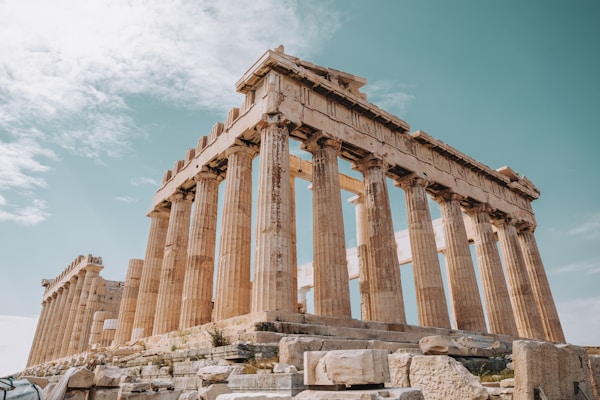
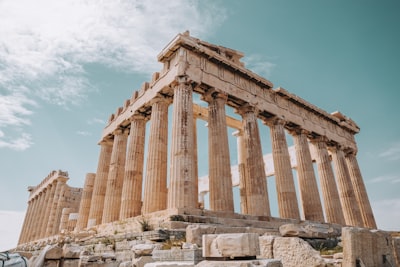
Greece is where the Western world began — where democracy was invented, where philosophy was formalised, where theatre was performed in stone amphitheatres under open skies to audiences of 14,000, where the Olympic Games were first run, where Homer's epics were first sung. The Greeks did not merely contribute to civilisation; they defined what civilisation means, and the physical traces of that definition are everywhere underfoot: a marble column in a field, a theatre carved into a hillside, a temple perched above a harbour that has been sacred for three millennia.
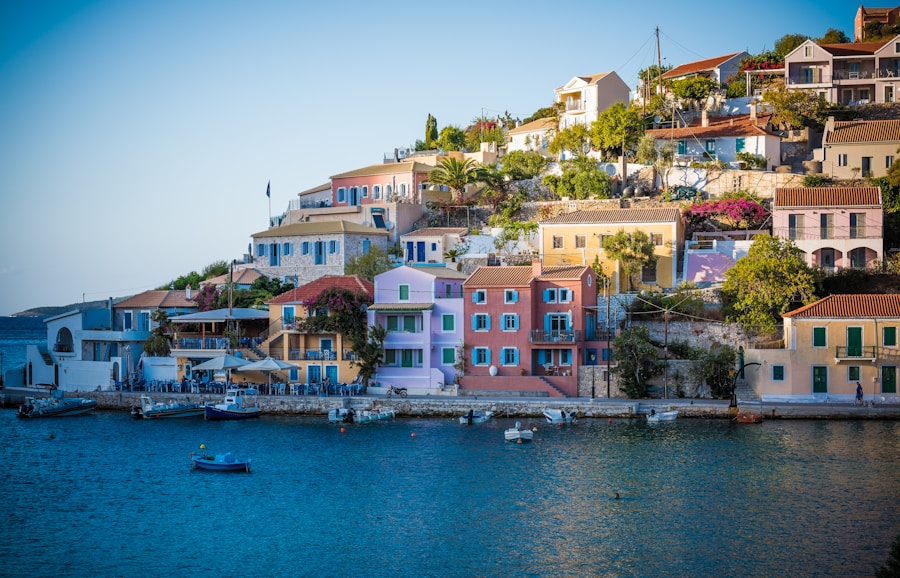
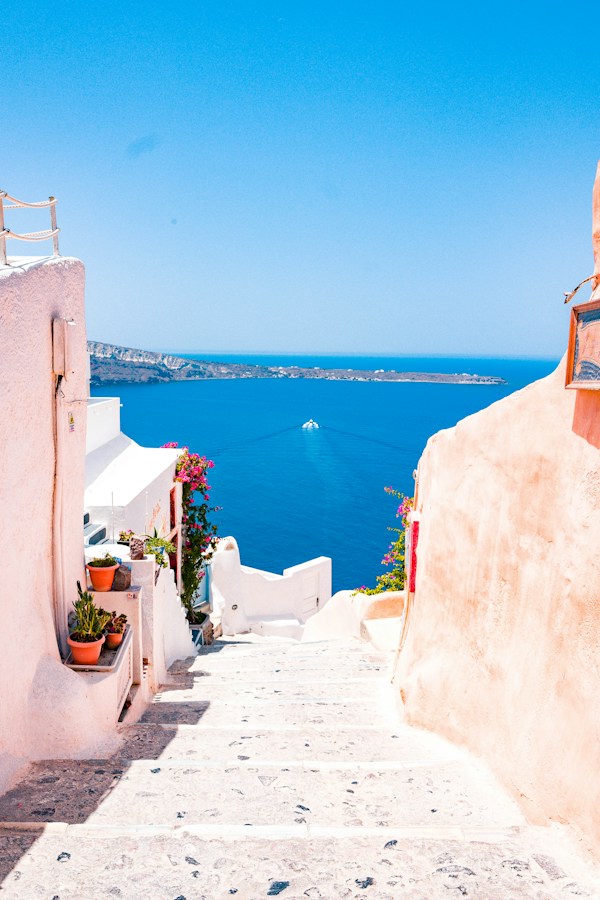
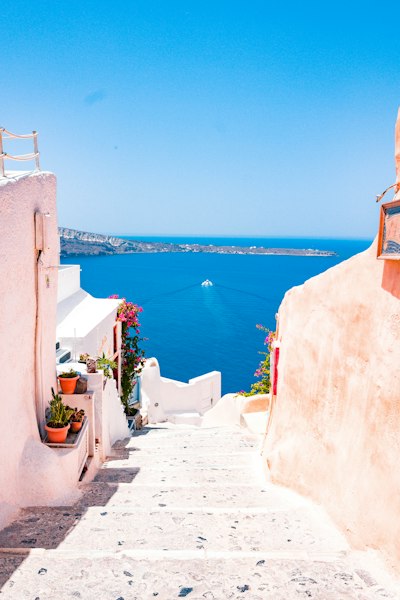
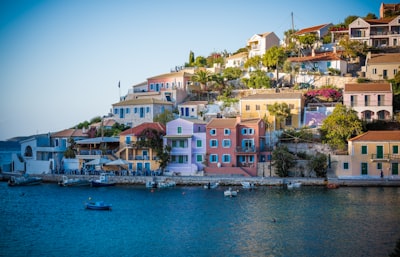
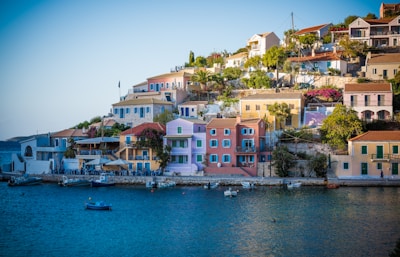
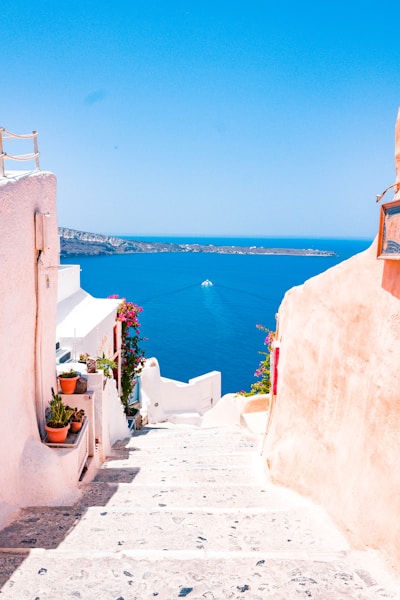
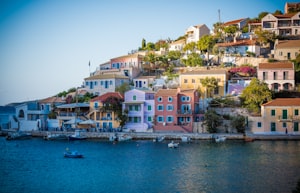
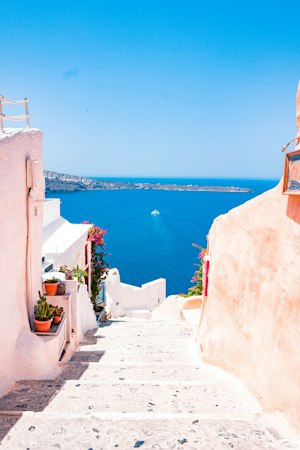
But Greece is not a museum. Its islands — and there are more than 6,000 of them — are among the most beautiful inhabited places on earth. Santorini's caldera village of Oia, with its blue-domed churches and white plaster walls above a volcanic drop to the Aegean, is one of the world's most photographed views for the simple reason that it genuinely looks that extraordinary in person. The Cyclades' Naxos and Paros are quieter, more affordable, and equally beautiful; Corfu's Venetian harbour is a different Greece altogether; Crete is an island large enough to constitute a distinct culture and geography all its own.
Greece rewards two kinds of traveller simultaneously: the one who wants to sit at a harbourfront table under a vine, eat grilled octopus, and read a novel until dinner; and the one who wants to stand in Delphi's theatre above the sacred spring and understand why the ancient world considered this the centre of the earth. In few other destinations is the combination of profound historical depth and uncomplicated physical pleasure so effortlessly achieved.
🏛️ Greece's UNESCO World Heritage Sites (Selected)
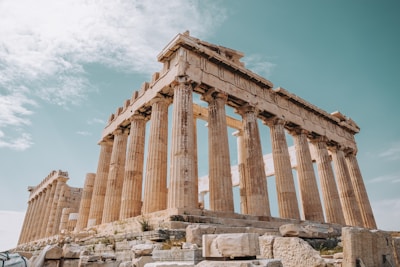
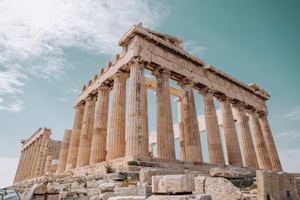
- Acropolis of Athens — the Parthenon, Erechtheion, and Propylaea (447–406 BC)
- Delphi — Oracle of Apollo, sanctuary and Pythian Games venue
- Olympia — birthplace of the Olympic Games (776 BC)
- Epidaurus — sanctuary of Asclepius; the best-preserved ancient theatre
- Medieval City of Rhodes — the Knights of St John fortified city
- Mount Athos — 20 monasteries, self-governing monastic community since 963 AD
- Meteora — monasteries built on sandstone pinnacles, 14th century
- Thessalonika — Early Christian and Byzantine monuments