About Oceania
The World’s Largest Ocean,
the Closest Big Adventure
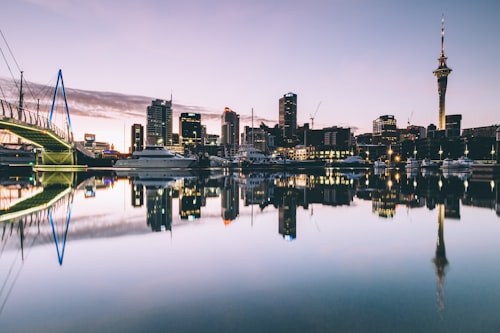
Oceania is simultaneously the most familiar and the most extraordinary travel region available to Australians — and the most underrated. The instinct to fly 22 hours to Europe before properly exploring what exists within five hours of Brisbane has produced a generation of Australians who know Paris better than Queenstown, Rome better than the Whitsundays, and London better than Fiji. The corrective impulse is increasingly common: travellers returning from their third European summer and discovering that New Zealand's Fiordland, Milford Sound in morning mist, and the Tongariro Alpine Crossing represent landscapes of a quality that the European continent simply cannot match.
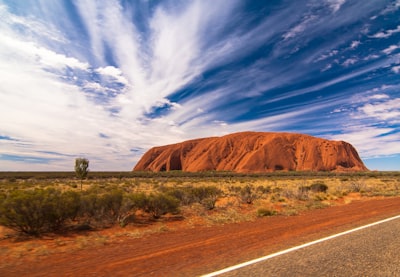
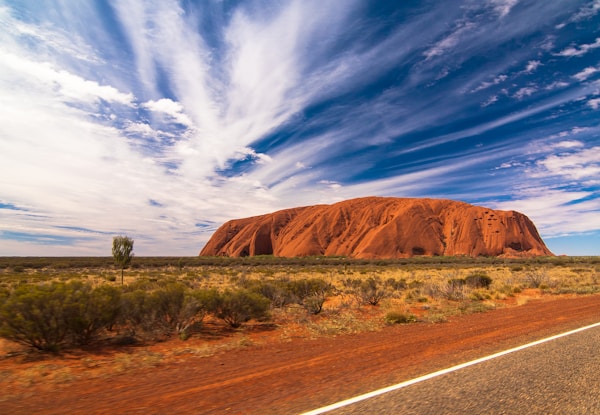
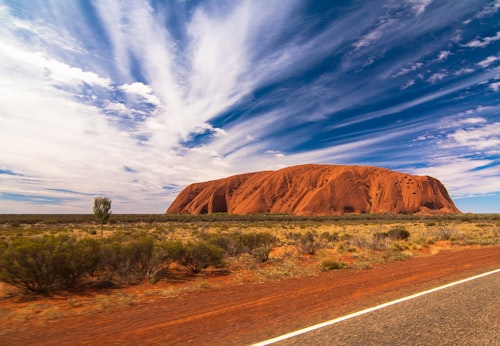
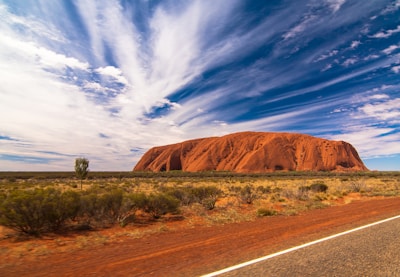
The Great Barrier Reef alone — 2,300km of living coral reef, the largest structure on earth built by living organisms, visible from space — is one of the world's seven natural wonders and one of the planet's most biodiverse ecosystems. The Whitsunday Islands, the Daintree Rainforest (the world's oldest tropical rainforest, 135 million years old), the Kimberley coast, and Uluru/Kata Tjuῤa are each UNESCO-level natural landmarks that Australians pass through on domestic flights without fully reckoning with their global significance. New Zealand adds a geological drama that rivals Iceland's — a country still being tectonically assembled, with active volcanoes, geothermal valleys, and fjords carved by glaciers over millions of years — all within a three-hour flight from east-coast Australia.
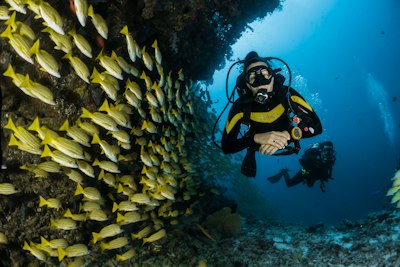
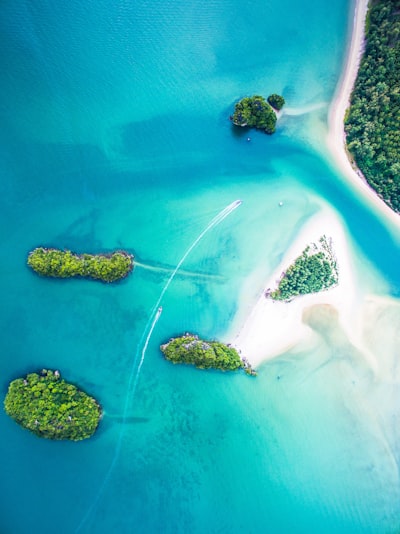
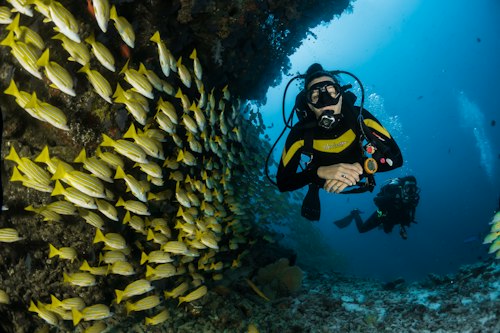
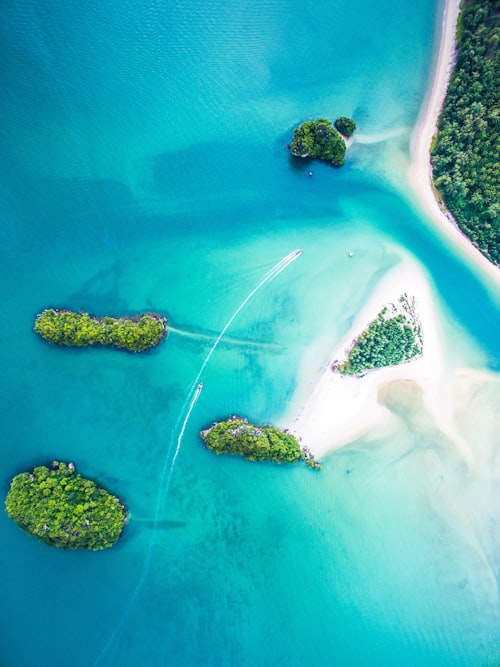
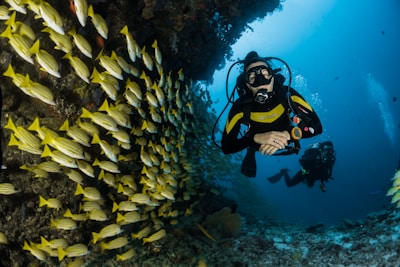
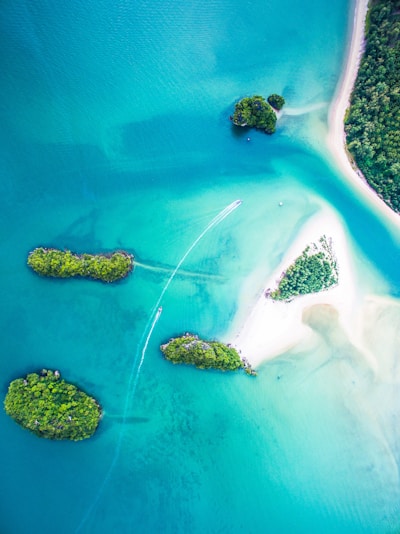
Beyond Australia and New Zealand, the Pacific Islands offer a travel category that exists nowhere else on earth — overwater bungalows in French Polynesia (Bora Bora's turquoise lagoon is genuinely the most beautiful body of water on earth), the extraordinary dive sites of Vanuatu (including the SS President Coolidge wreck, the most accessible large wreck dive on the planet), the Yasawa and Mamanuca island chains of Fiji, and the sailing circuits of the Cook Islands. These are not consolation-prize destinations for travellers who cannot afford Europe — they are the finest luxury resort and marine experiences on earth, with a logistical advantage for Australians that visitors from any other continent would envy.
🌊 Oceania at a Glance
- Great Barrier Reef: 2,300km, 900 islands, 400 coral species, 1,500 fish species — largest living structure on earth
- Daintree Rainforest: 135 million years old — the world's oldest continuously surviving tropical rainforest
- New Zealand: 14,000km of coastline, 3,900m Aoraki/Mt Cook, Milford Sound (the world's wettest inhabited place)
- Bora Bora (French Polynesia): overwater bungalow category invented here in 1967; lagoon rated the world's most beautiful body of water
- Fiji: 333 islands, the world's softest coral, considered the “soft coral capital of the world”
- Uluru/Kata Tjuῦa: 550 million years old; sacred to the Anangu Traditional Owners; changes colour in changing light
- Queenstown, New Zealand: bungee jumping invented here (AJ Hackett, 1988); world's first commercial bungee site still operating
- Vanuatu: SS President Coolidge wreck — 212m long, 20–70m depth, most accessible large wreck dive on earth