From ethical distance principles and telephoto techniques to the 12 best locations for photographing kangaroos, koalas, crocodiles, birds in flight, and marine life — the complete Australian wildlife photography guide for 2026.
Australia hosts some of Earth's most extraordinary and exclusive wildlife — 80% of which exists nowhere else on the planet. From bounding red kangaroos lit by outback sunrise to koalas wedged in eucalyptus forks, cassowaries stepping through ancient Daintree rainforest, and humpback whales breaching off the Queensland coast, no country offers wildlife photographers a more diverse or dramatically photogenic subject list. This guide covers everything: ethical principles, camera gear, settings, planning, the top 12 locations, and species-specific techniques for photographing Australia's most iconic animals.
Golden hour kangaroos — the most iconic Australian wildlife photography moment
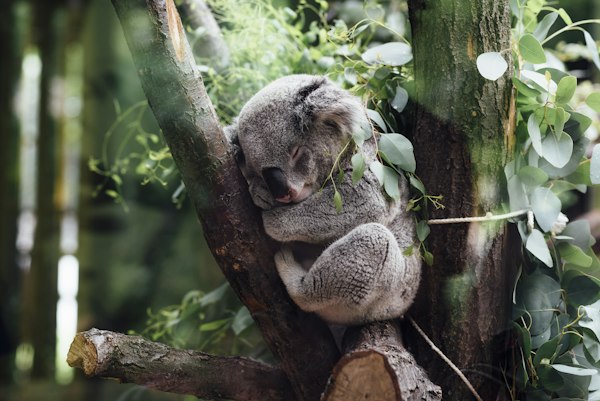
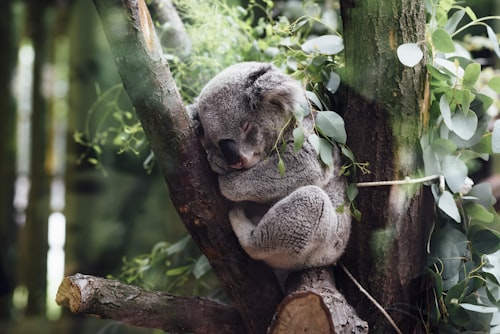
Koala portrait — telephoto 300mm+, focus on the eye, wide aperture for background blur
Rainbow lorikeet in flight — 1/2000s, continuous AF with animal-eye detection
Green sea turtle, Great Barrier Reef — underwater housing, natural reef light
Silhouette at dusk — one of wildlife photography's most powerful compositional approaches
Foundation First
🌿
1. Ethical Wildlife Photography Principles
Ethical wildlife photography is not a set of optional guidelines — it is the non-negotiable foundation of responsible practice. Australia's unique wildlife faces serious pressure from habitat loss, climate change, and human disturbance. As photographers, we hold responsibility not just to capture images, but to do so in ways that cause no harm to animals, their habitats, or the conservation outcomes that protect them. The welfare of the animal always outweighs the value of any photograph.
🌏 The Photographer's Responsibility in the Field
When you enter wildlife habitat with a camera, you become a participant in the ecosystem, not just an observer. Animals perceive and respond to your presence. The question is not whether you are affecting them — you are — but whether that effect is minimal, temporary, and recoverable. Every decision you make, from how close you approach to what time of day you visit, has consequences.
📏
Distance is Non-Negotiable
Maintain a minimum of 10–15 metres from wildlife at all times. Use telephoto lenses to fill the frame — never approach to compensate for inadequate focal length. If an animal looks at you, you are already too close.
🚫
Never Feed or Bait
Feeding disrupts natural behaviour, creates dangerous dependencies, introduces disease vectors, and alters migration and territory patterns. Baiting with food, calls, or artificial lighting for nocturnal photography is strongly discouraged and may be illegal in national parks.
🔕
Minimise Disturbance
Move slowly and deliberately. Speak softly or not at all. Avoid bright clothing that stands out. Never use white flash on nocturnal animals — it can temporarily blind and severely disorient them. Red-filtered light is less disruptive.
Read the signs: If an animal stops feeding, raises its head, watches you intently, moves away, or shows defensive posturing — you have caused a stress response. Back away slowly and give the animal space to return to normal behaviour. This is your signal, not an invitation to wait it out.
Respect breeding and nesting sites: Animals are exceptionally vulnerable during breeding season. Many protected areas enforce seasonal closures around nesting sites, rookeries, and breeding colonies — always research these before visiting and respect them absolutely.
Leave no trace: Stay on designated tracks. Pack out all waste. Avoid trampling vegetation or disturbing habitat structure. A photographer's footprint should be invisible once they leave.
Nocturnal photography: Many of Australia's most distinctive animals (possums, bilbies, sugar gliders, quolls, Tasmanian devils, echidnas at night) are nocturnal. Use only red-filtered light at minimum necessary intensity. Never use camera flash. Allow animals time to habituate to your presence before attempting photography.
Drone photography: Drone use near wildlife is heavily regulated and in many cases prohibited in national parks. The noise and proximity of drones causes significant stress to birds, marine mammals, and large animals. Always check regulations and obtain permits before using drones near wildlife.
Commercial photography: If selling or publishing wildlife images, ensure they were obtained ethically. Publishing images that reward unethical practices (stressed animals, baited shots, dangerously close encounters) perpetuates harm. Disclose your methods where relevant.
📷 The Golden Rule: If your presence has changed the animal's behaviour, you are too close. The best wildlife images are taken by photographers who understand animal behaviour well enough to anticipate moments — not those who provoke them.
Tools of the Trade
📷
2. Camera Gear & Equipment
The right gear dramatically improves your results — but not in the way most beginners expect. Camera bodies matter less than lenses. A mid-range camera with a superb telephoto lens outperforms an expensive body with a mediocre lens every time. Invest in glass first, then bodies. Weather-sealing, fast autofocus, and high ISO performance matter far more than megapixel count for wildlife photography.
Camera Bodies
📸
Mirrorless & DSLR
Modern mirrorless cameras (Sony A7 IV, Canon R5/R6 II, Nikon Z8/Z9, Fujifilm X-H2S) offer the best animal-eye autofocus, silent shooting, and exceptional high-ISO performance. DSLR bodies (Canon 90D, Nikon D500) remain excellent options at lower price points. Prioritise: fast burst rate (10+ fps), animal-eye AF, good weather sealing, ISO 6400+ capability.
Priority Investment
🔭
Telephoto Lenses
Your most important investment. Telephoto zooms: 100–500mm f/4.5–7.1 or 150–600mm f/5–6.3 are the most versatile. Prime telephotos: 300mm f/2.8, 500mm f/4, or 600mm f/4 offer superior quality, low-light performance, and bokeh — but are heavier and more expensive. For beginners, a quality 100–400mm zoom is the ideal starting point.
Specialist Use
🔬
Macro & Wide Lenses
Macro: 100–180mm macro lenses for Australian insects, frogs, lizards, and reptiles — subjects that reward extreme close-up detail. Wide-angle: 16–35mm lenses for environmental portraits showing animals in their landscape context — particularly effective in Kakadu wetlands and outback settings with dramatic skies.
Support
🦺
Tripods & Supports
Carbon fibre tripod: Lightweight with sufficient weight rating for your longest lens. Use fluid or gimbal heads (Wimberley, Jobu) for smooth tracking of moving wildlife. Monopod: More portable and faster to deploy for fast-moving situations. Beanbag: Essential for vehicle-based photography — placed on car windows for stable, low-profile shooting.
Underwater
🤿
Marine Photography Gear
For Great Barrier Reef, Ningaloo Reef, and Jervis Bay marine wildlife: underwater housings (Ikelite, Nauticam, Aquatech) for your camera, or dedicated underwater cameras (Olympus TG series for beginners). Wide-angle wet lenses capture the reef environment; strobes are needed in deeper, darker water. Snorkel-depth photography at Ningaloo with whale sharks requires minimal equipment.
Accessories
🎒
Essential Field Kit
4+ spare batteries (burst shooting and cold weather drain them fast). 128GB+ high-speed cards (UHS-II or CFexpress). Camera rain cover for Australia's unpredictable weather. Earth-tone clothing (khaki, olive, brown). 8×42 binoculars for scouting. Red headlamp for nocturnal setups. Lens cleaning kit for red outback dust. 1.4× teleconverter for additional reach on prime lenses.
💰 Budget Tip: Quality used lenses from reputable dealers represent exceptional value — optical performance doesn't depreciate. A used 500mm f/4 prime from five years ago outperforms a new budget telephoto zoom at the same price. Check used gear at MPB, Camera Exchange, or Ted's Cameras Australia.
Technical Mastery
⚙️
3. Camera Settings & Techniques
Mastering your camera settings is the difference between returning from the field with technically excellent images or coming home with disappointment. Wildlife photography requires split-second decision-making — settings must be second nature so you can focus entirely on behaviour, light, and composition. Learn these settings off-camera first, then practice until they're instinctive.
Shutter Speed — Freezing (or Implying) Motion
Subject / Action
Recommended Shutter Speed
Notes
Birds in flight
1/2000s – 1/4000s
Faster for small, quick-moving species like fairy wrens; 1/2000s often sufficient for large, slower birds like pelicans
Bounding kangaroos
1/1500s – 1/3000s
Front legs mid-bound require very fast speeds; slower speeds with panning create compelling motion blur
Walking animals
1/500s – 1/1000s
Adequate for wombats, koalas moving between trees, echidnas foraging
Stationary wildlife
1/250s – 1/500s
Sleeping koalas, perched raptors; use IS/VR to go lower in dim conditions
Motion blur / panning
1/30s – 1/125s
Pan with moving subject; sharp subject against blurred background implies speed powerfully
Crocodiles, lizards
1/500s
Slow-moving but occasional explosive action; stay at 1/500s+ as a minimum
Nocturnal (with natural light)
1/125s – 1/250s
High ISO + wide aperture + IS/VR; avoid flash entirely
Aperture, ISO & Autofocus
Aperture
🌸
Depth of Field Control
Wide (f/2.8–f/4): Beautiful background blur (bokeh), strong subject isolation — ideal for portraits of koalas, birds on branches, and mammals in grass. Requires precise focus on the nearest eye. Medium (f/5.6–f/8): More depth for two animals at similar distances or when both subject and immediate foreground matter. Narrow (f/11–f/16): For groups, habitat context shots, or subjects against dramatic skies.
ISO
💡
Light Sensitivity
Base (100–400): Bright conditions, maximum image quality. Mid (800–1600): Overcast days, forest shade, dawn/dusk active period. High (3200–6400+): Essential for early/late light and dense forest. Modern mirrorless cameras handle ISO 6400 exceptionally well. Use Auto ISO with a minimum shutter speed set — the camera adjusts ISO while you maintain shutter and aperture control.
Autofocus
🎯
Focus Strategy
Animal/Bird Eye AF: Use on any modern mirrorless for portraits and moving subjects — it locks onto and tracks the nearest eye automatically. Continuous (AI Servo/AF-C): Essential for birds in flight and running animals. Back-Button Focus: Assign AF to the AF-ON button; hold for continuous tracking, tap for single-shot lock. This separation of focus from shutter is transformative for wildlife photography. Rule #1: The eye must be sharp. Always.
⚡ Recommended Starting Settings for Active Wildlife
Mode: Manual with Auto ISO (or Aperture Priority + Auto ISO with minimum shutter speed set)
Shutter speed: 1/1000s or faster for most Australian species in movement
Aperture: f/5.6–f/6.3 for most telephoto zooms wide open (sharp but sufficient depth)
ISO: Auto, maximum 6400 (or 12800 on better sensor cameras)
AF Mode: Continuous AF (AI Servo / AF-C) with Animal Eye detection enabled
Drive Mode: Continuous High for action; Continuous Low for slower subjects
Metering: Evaluative/Matrix for most; Spot for backlit or high-contrast scenes
Focus point: Eye of the nearest or most prominent animal. Always. Non-negotiable.
Great wildlife images are not made in Lightroom — they are made in the moment, in the field, by a photographer who knows their camera settings as instinctively as they know their own breathing.
— Cooee Tours Wildlife Photography Guide · Expert-curated for 2026
Before You Go
🗺️
4. Planning & Research for Success
The most important photography happens before you ever leave home. Understanding animal behaviour, knowing when species are most active, scouting locations for optimal light direction, and obtaining the right permits dramatically increases your chances of returning with images you're proud of. Wildlife photography rewards preparation far more than luck.
Behaviour
🧠
Understand Your Subject
Research activity patterns, feeding habits, and seasonal movements before your visit. Most Australian wildlife is crepuscular (dawn/dusk) or nocturnal. Breeding seasons bring heightened visibility but also heightened sensitivity to disturbance — exercise extra caution. Apps like eBird (birds), iNaturalist (all species), and Atlas of Living Australia help you understand what species occur where and when.
Location
📍
Scout Before You Shoot
Visit locations before your main shoot session. Identify where light falls at different times, note animal movement patterns, and plan compositions. Talk to rangers, local guides, and resident photographers — their current, on-ground knowledge is worth infinitely more than any online resource. Facebook wildlife photography groups often have location-specific insights updated weekly.
Permits
📋
Permits & Regulations
Most national parks require entry fees and may need commercial photography permits for professional work. Some areas (penguin colonies, turtle rookeries) have photography restrictions around lighting and equipment. Aboriginal land access requires cultural permits arranged in advance. Private property always requires landowner permission. Research regulations on the relevant state or territory park authority website before visiting.
✅ Pre-Shoot Planning Checklist
Species research: Activity patterns, habitat preferences, seasonal behaviour
Sunrise/sunset times: Schedule arrival 30 minutes before first light
Weather: Check Bureau of Meteorology 7-day forecast; overcast days are often ideal for wildlife light
Permits: National park entry, commercial photography permit if applicable, Aboriginal land access
Safety: First aid kit, water supply, navigation (maps offline), emergency contacts notified
Ethical review: Confirm planned distances, review disturbance minimisation approach for target species
Where to Go
📍
5. Top 12 Australian Wildlife Photography Locations
Australia's vast and varied ecosystems offer photographers dramatically different experiences — tropical wetlands teeming with waterbirds, ancient rainforests hiding cassowaries and tree kangaroos, open deserts where red kangaroos roam at scale, and coastlines where dolphins, whales, and sea lions gather. These twelve locations represent the finest wildlife photography opportunities the continent offers.
🐊 Northern Territory
NT — Top End · Best: May–October (Dry Season)
Kakadu National Park
Australia's largest national park and a photographer's paradise. The Yellow Water wetlands host enormous saltwater crocodiles, magpie geese, brolgas, jabirus, sea eagles, and nankeen night-herons. Dry season concentrates wildlife around diminishing water sources, dramatically increasing sighting frequency and photograph quality.
Yellow Water: Sunrise boat cruises — best wildlife photography of any wetland in Australia
Mamukala Wetlands: Thousands of magpie geese in dry season; remarkable landscape images
Jim Jim Falls: Black wallabies, freshwater crocodiles, and sandstone escarpment birds
🌴 Queensland
QLD — Far North · Best: Year-round (cooler May–Sept)
Daintree Rainforest
The world's oldest continuously surviving tropical rainforest — 135 million years old — and one of Australia's most biodiverse photography locations. Southern cassowaries (critically important, approach with extreme caution), Boyd's forest dragons, Ulysses butterflies, green tree pythons, and over 430 bird species including the rarely photographed lesser sooty owl.
The world's largest coral reef system — 2,300km — hosts the most diverse marine wildlife photography subject list on Earth. Green and loggerhead sea turtles are the headline subjects, frequently photographed resting on coral bommies. Reef sharks, manta rays, clownfish in anemones, giant potato cod, Maori wrasse, and during winter, migrating humpback whales visible from shore.
Green Sea TurtleReef SharkManta Ray1,500+ Fish Species
Lady Elliot Island: Best manta ray photography; snorkelling all year, diving September–March
Osprey Reef: Remote Coral Sea location; grey reef and silvertip sharks in large numbers
Heron Island: Green turtle nesting November–January; exceptional snorkel photography from shore
🦁 South Australia
SA — Year-round · Best: April–October (cooler months)
Kangaroo Island
Australia's most concentrated wildlife photography destination — a 4,400km² island where wildlife exists at near-zero fear of humans, producing the most accessible and confidently photographed animals you'll encounter anywhere in the country. Australian sea lions at Seal Bay allow photography from beach level at 10–15m distance; a completely unique experience found nowhere else on Earth.
Australian Sea LionEchidnaGlossy Black-CockatooLittle Penguin
Seal Bay: Guided beach access to Australian sea lions — world's only such experience
Vivonne Bay: Little penguin colony; patient evening photography with guided access
🐧 Victoria
VIC — Year-round · Best: Winter (larger parades)
Phillip Island & Wilsons Prom
Phillip Island hosts the world's largest little penguin colony — over 32,000 birds — with daily sunset parades year-round. Photography is strictly controlled (no flash, limited equipment), but the experience of photographing penguins waddling to their burrows at dusk is extraordinary. Nearby Wilsons Promontory has habituated wombats, eastern grey kangaroos, and abundant birdlife around Tidal River.
Little PenguinAustralian Fur SealWombatEastern Grey Kangaroo
Summerland Beach: Evening penguin parade — book Ranger-led tours for photography-specific viewing areas
Seal Rocks: Australia's largest fur seal colony; long lens required from viewing platform
Wilsons Prom Tidal River: Habituated wombats at dusk — extraordinary photography at close range
🦈 Western Australia
WA — Coral Coast · Best: March–July (whale sharks)
Ningaloo Reef & Monkey Mia
Ningaloo Reef offers the world's most accessible whale shark encounters — up to 12 metre fish feeding at the surface in shallow, clear water. Snorkelling alongside whale sharks with a wide-angle underwater camera or GoPro produces extraordinary images. Manta rays, turtles, and reef fish are present year-round. Monkey Mia's resident dolphin population allows supervised photography from the beach under ranger guidance.
Whale SharkManta RayHumpback WhaleWild Dolphin
Ningaloo (March–July): Whale shark tours with spotter planes; morning swims in 8–15m visibility
Ningaloo (Aug–Oct): Humpback whale swimming tours; manta ray season peaks August
TAS — Year-round · Best: Autumn–Winter for wombats
Cradle Mountain & Freycinet
Cradle Mountain-Lake St Clair National Park is home to some of Australia's most sought-after wildlife photography subjects. Bare-nosed wombats are extraordinarily habituated around the Visitor Centre and Dove Lake car park areas — truly exceptional for low-angle, eye-level wombat portraits at very close range. Platypus are regularly photographed in Pencil Pine Creek at dawn.
WombatPlatypusSpotted QuollBennett's Wallaby
Dove Lake car park: Wombats at dusk and dawn — often photographed at under 5m distance
Pencil Pine Creek: Platypus most reliably photographed at 6–7am; calm, still water essential
Freycinet: White wallabies at Bruny Island; pademelons at dusk at most camping areas
🦅 Victoria / NSW
VIC/NSW · Best: Spring and Autumn
Grampians & Blue Mountains
The Grampians (Gariwerd) hosts rock wallabies at the Halls Gap Zoo surrounds, wedge-tailed eagles soaring over the ranges, and emus in the western grasslands. Blue Mountains delivers superb lyrebird photography at Scenic World and Katoomba Falls — lyrebirds in full display are among the most extraordinary wildlife photography experiences available within two hours of a capital city.
Superb LyrebirdWedge-Tailed EagleRock WallabyEmu
Grampians Reed Lookout: Yellow-footed rock wallabies on cliff faces at sunrise
Blue Mountains Katoomba: Lyrebirds along the Prince Henry Cliff Walk; males display July–August
Lamington NP: Habituated pademelons and crimson rosellas at O'Reilly's; exceptional for hand-feeding bird photography in an ethical context
🧭 Cooee Tours Local Knowledge: The best wildlife photography opportunities at many of these locations require timing, local knowledge, and quiet patience that comes from experience. Our guided wildlife photography tours are led by people who have visited these locations hundreds of times and know exactly where to be, and when. Contact us to discuss a custom itinerary.
Subject by Subject
🦘
6. Iconic Australian Species — How to Photograph Them
Each of Australia's iconic species presents a unique set of photographic challenges and rewards. Understanding the specific behaviour, preferred light conditions, and ideal camera approach for each animal is the difference between a record shot and a portfolio image. The following species-specific guidance is drawn from years of field experience across Australia's most productive wildlife photography locations.
Kangaroos & Wallabies
When
🌅
Golden Hour Timing
Dawn and dusk are non-negotiable for kangaroo photography. At these times they're actively feeding and moving, the light is warm and low, and the long shadows add remarkable depth and dimension to images of mobs on open grassland. Midday kangaroos rest in shade and are largely uninteresting photographically.
Technique
⚡
Motion & Action
For bounding action, 1/2000s–1/3000s. For creative panning that shows speed with a blurred background, try 1/60s–1/125s and track the animal smoothly. Silhouettes at sunset against orange sky are iconic — expose for the sky, the kangaroo becomes a perfect dark form. Mothers with pouch joeys offer irresistible portrait opportunities — take your time.
Approach
🎯
Field Approach
Approach from a slight angle, never directly head-on — kangaroos perceive direct approach as a threat. Move in slow, smooth increments. Crouch or sit to photograph from eye level — this dramatically improves the intimacy and impact of images. Eastern grey kangaroos on golf courses and farmland edges are among the most accessible subjects in the country.
Koalas
Koalas sleep up to 22 hours per day, making them among the most reliably stationary — and therefore technically forgiving — of Australia's wildlife subjects. The photographic challenge is not capturing them awake, but finding them at all, and then achieving an angle that avoids "dead animal in tree" syndrome. Look for fresh scratches on eucalyptus bark and koala pellets (oval-shaped droppings) at the base of trees to locate occupied trees. The best koala images are taken from below, angled slightly upward to show the face clearly, with the chaotic leaf background thrown beautifully out of focus by a wide aperture telephoto.
🐨 Koala Photography Quick Reference
Focal length: 200–400mm; longer if the animal is high up
Aperture: f/4–f/5.6 for background separation; focus precisely on the nearest eye
Best locations: Kangaroo Island (SA), Great Otway NP (VIC), Magnetic Island (QLD), Flinders Chase NP (SA)
Activity windows: 6–10am and 4–7pm; look for animals descending to change trees or drink
Common mistake: Shooting upward into a bright sky — reposition to get a leaf background behind the animal, or wait for cloud cover
Platypus & Echidnas
The platypus is arguably Australia's most challenging mammal to photograph well. Elusive, fast-moving in water, and with a habit of surfacing briefly and unpredictably, it demands patience and pre-positioning. The technique: arrive at a known creek at dawn, position yourself low and still at a downstream point, pre-focus on the water surface and wait. Bubble trails indicate a feeding platypus below the surface — when you see them converging and then stopping, a surfacing is imminent. Use 1/500s or faster to freeze its rapid swimming motion. Echidnas, by contrast, are straightforward — slow-moving, terrestrial, and cooperative once habituated. Low angle, eye-level shots at f/5.6 reveal their extraordinary spine detail.
Australian Birds — Parrots, Raptors & Shorebirds
Parrots & Cockatoos
🦜
Colour & Character
Rainbow lorikeets, king parrots, rosellas, cockatoos, and the extraordinary gang-gang are among the most visually spectacular subjects in the country. Photograph at flowering eucalyptus and grevillea trees where they feed. Hand-feeding is permitted at certain managed sites like O'Reilly's (Lamington NP) — even in this ethical context, maintain composure and photograph the bird's natural feeding behaviour rather than forcing poses.
Raptors
🦅
Eagles & Hawks in Flight
Wedge-tailed eagles (Australia's largest raptor) hunt thermals from mid-morning — position below thermal columns and pan upward. Nankeen kestrels hover into headwinds, offering extraordinary slow, stable hover shots at 1/1000s. Peregrine falcons stoop at over 300km/h — use 1/4000s and continuous wide-area AF. Road-killed animals attract raptors as the sun warms the road — a macabre but genuinely productive photography location.
Shorebirds & Waterbirds
🦢
Wetlands & Coasts
Kakadu's wetlands at dawn are the single most productive bird photography location in Australia — magpie geese, brolgas, royal spoonbills, jacanas, and sea eagles visible in a single session. For shorebird photography, shoot from ground level — a prone position on wet sand or mud produces dramatically intimate images of sandpipers, dotterels, and stilts. Timing: 2 hours either side of high tide when birds are concentrated.
Saltwater Crocodiles
⚠️ Safety First: Saltwater crocodiles are extremely dangerous apex predators. Never approach the water's edge in crocodile country without a guide or dedicated boat tour. Photography must always prioritise your safety absolutely — no image is worth a life. In Kakadu, the Yellow Water sunrise cruise is the safest and most productive crocodile photography environment available.
From the safety of a boat, crocodiles offer extraordinary photography opportunities. They bask with extraordinary stillness, often with mouths agape — a thermoregulatory behaviour that produces powerful, dramatic images. Expose for the highlight detail in the scales, use spot metering against the dark water background, and shoot at eye level from the boat. The Yellow Water cruise at sunrise provides perfect golden light falling horizontally across basking crocodiles with wetland reflections — among the most cinematically beautiful wildlife photography situations in the country.
Marine Wildlife
Australia's marine wildlife photography ranges from the spectacular (whale sharks at Ningaloo, humpback whales breaching off the Queensland coast, manta rays at Lady Elliot Island) to the exquisitely detailed (nudibranchs on Sydney's dive sites, leafy sea dragons at Rapid Bay, SA, weedy sea dragons at Kurnell). For above-water whale photography, a 500mm+ telephoto and extraordinary patience are required — or book a dedicated whale photography boat charter with operators who know whale behaviour and position the boat for optimal light.
When to Shoot
☀️
7. Light & Seasonal Timing
Light is everything in wildlife photography — and Australia's enormous geographic range means that optimal shooting conditions vary dramatically by region and season. Understanding both the quality of light and the seasonal patterns of wildlife activity is essential for planning productive trips.
Best Light
🌄
Golden Hour
One hour after sunrise and one hour before sunset. The sun is low, light is warm and golden, shadows are long and directional, and — crucially — most Australian wildlife is at peak activity. This is the non-negotiable shooting window. Set alarms, arrive early, stay late. Everything else is compromise.
Underrated
☁️
Overcast Conditions
Overcast days produce a giant natural softbox — perfectly diffused light with no harsh shadows, ideal for forest animals and portrait work. Koalas, echidnas, and woodland birds photograph beautifully on overcast days. Don't write off grey mornings — they often produce the most technically clean and emotionally gentle wildlife images.
Dramatic
⛈️
Storm Light
The 20–40 minutes after a thunderstorm clears is among the most dramatic light available — raking golden light against dark storm clouds, saturated greens, rain-wet surfaces that reflect sky. Animals often resume activity immediately after rain. Schedule trips knowing that storms and subsequent clearing are predictable in tropical Queensland and summer in the Red Centre.
Little penguins return daily at sunset; winter parades are larger
Tasmania
October – April
Wombats most active; platypus breeding (August–October); quoll sightings
The Photographer's Eye
🎨
8. Composition & Visual Storytelling
Technical mastery — sharp focus, perfect exposure, ideal light — is the necessary foundation of a great wildlife image. But it is composition and the instinct for the decisive moment that elevates a technically correct image into a genuinely powerful photograph. The best wildlife images are not just records of animals — they are stories, emotional moments, or revelations of behaviour that could only be captured by a photographer who was present, patient, and understood what they were looking at.
Foundational
📐
Rule of Thirds — and When to Break It
Place the animal's eye on a thirds intersection for most situations — it creates natural tension and space in the image. Break the rule deliberately and with intention: centred, symmetrical compositions work powerfully for certain subjects (a crocodile emerging from still water, a koala in a fork, a penguin staring directly into camera). The rule is a starting point for developing instinct, not a permanent constraint.
Essential
👁️
Eye Level is Everything
Shooting at the animal's eye level transforms wildlife images from snapshots into portraits. Lie prone on the ground to photograph echidnas, wombats, and small birds. Crouch at water's edge for ducks and shorebirds. Position on a boat at waterline for crocodile photography. The effort of getting low is repaid every single time — images taken from standing height looking down at animals almost never have the same emotional impact.
Advanced
🌿
Environment & Context
The most compelling wildlife images show animals in their habitat context, not just isolated portraits. A kangaroo against red outback earth tells a story. A cassowary emerging from ancient rainforest speaks of evolutionary time. Leave space in the frame for the environment; use foreground elements to create depth. Wide-angle environmental wildlife portraits (14–35mm) are among the most under-exploited opportunities in Australian wildlife photography.
Dynamic
⚡
Leading Lines & Movement Space
Always leave space in the direction the animal is moving or looking — it gives the image visual momentum and prevents a claustrophobic, truncated feel. In action images (kangaroos bounding, birds flying), the space ahead of the subject is as important as the subject itself. Leading lines — fence lines, shorelines, riverbanks — can draw the eye powerfully to your subject or frame the environment compellingly.
Storytelling
📖
Behaviour Over Beauty
The most memorable wildlife images document behaviour: a mother kangaroo grooming her joey, a wedge-tailed eagle mantling over prey, a platypus surfacing with a yabby in its bill. Wait for behaviour, don't settle for a resting animal turned toward you. Study your subjects so you can anticipate behavioural moments — the preparation for a jump, the posture preceding a call, the glance before movement.
Light Play
✨
Backlighting & Silhouettes
Backlit wildlife images — particularly kangaroos at golden hour with rim light delineating their fur — are among the most distinctively Australian and powerfully beautiful images in wildlife photography. Expose for the highlights (use spot metering on the bright background), allowing the animal to go dark. For partial backlight, use slight positive exposure compensation to reveal shadow detail while preserving the luminous rim light effect.
Great wildlife images don't just show animals — they reveal moments that most people will never witness. Your job is to be there, to be patient enough to wait for those moments, and to have the technical fluency to capture them when they come.
— Cooee Tours Wildlife Photography Guide · Expert-curated for 2026
The Digital Darkroom
💻
9. Post-Processing Wildlife Images
Post-processing is not about transforming bad images into good ones — it's about revealing the full potential of already well-captured images. Shoot RAW format without exception: RAW files retain the complete sensor data that enables recovery of shadows and highlights, precise white balance adjustment, and clean noise reduction that JPEG files simply cannot match. The following workflow applies to Adobe Lightroom (Classic or mobile), Capture One, or any comparable RAW processing application.
⚙️ Recommended Post-Processing Workflow
Step 1 — Cull ruthlessly: From a burst of 50 frames, you may keep 3–5. Reject technically deficient images (soft focus, motion blur, closed eyes) without sentiment. A small collection of excellent images is infinitely more valuable than a large collection of mediocre ones.
Step 2 — Exposure and white balance: Correct these first. Lift shadows enough to reveal detail; recover highlights to prevent clipping. Set white balance to reflect the actual light conditions — resist the temptation to over-warm golden hour images beyond what was actually present.
Step 3 — Noise reduction: Apply noise reduction before sharpening, particularly for high-ISO files. AI noise reduction tools (Lightroom Denoise, DxO PureRAW) produce genuinely transformative results on high-ISO wildlife images shot at dawn and dusk.
Step 4 — Sharpening: Apply output sharpening carefully — over-sharpened fur and feathers look immediately artificial. Use masking to restrict sharpening to the animal; avoid sharpening soft, blurred backgrounds.
Step 5 — Colour and contrast: Subtle, targeted adjustments. Lift the HSL/Colour panel to enhance the specific hues of plumage, fur, or habitat without oversaturation. Wildlife images should feel real, not like paintings.
Step 6 — Crop and straighten: Crop to strengthen composition, remove distracting elements at frame edges, and improve the relationship between subject and negative space. Maintain sufficient resolution for intended output size.
Ethical standard: Do not remove other animals, birds, or environmental elements that were genuinely present. Do not add elements. Do not extensively alter the appearance of an animal. Wildlife photography has a documentary responsibility that distinguishes it from fine art photography.
Go With the Experts
🧭
10. Cooee Tours Wildlife Photography Experiences
Wildlife photography with a guide who knows the location, the animals, and the optimal conditions is categorically different from independent exploration. Local knowledge — which trees the koalas are using right now, where the crocodiles bask at this time of year, how to approach the sea lion colony without triggering the dominant male — takes years of daily observation to accumulate. Our wildlife photography tours give you that accumulated expertise from day one.
Top End Photography
🐊
Kakadu & Top End Wildlife
8-day guided photography experience through Kakadu and Litchfield National Parks. Sunrise Yellow Water wetland cruises, guided escarpment walks, night spotlighting for nocturnal species, and exclusive access to photography locations unavailable to self-drive visitors. Maximum 8 photographers. Dry season departures May–September.
South Australia
🦁
Kangaroo Island Signature
5-day immersive wildlife photography tour of Kangaroo Island with expert naturalist guide. Seal Bay morning session, Flinders Chase golden hour shoots, little penguin dusk photography, and dawn excursions to private properties with habituated kangaroo mobs. Year-round departures; autumn and winter recommended for optimal light.
Far North Queensland
🌴
Daintree & Great Barrier Reef
7-day tour combining the world's oldest rainforest with the world's largest coral reef system. Dawn boardwalk walks for cassowaries and forest dragons, snorkel photography sessions over the reef with turtle and reef shark encounters, and evening spotlight walks with expert tropical naturalist guide. Departures May–October.
Custom
🗺️
Custom Photography Itinerary
Design your own wildlife photography journey with our team. We can build a multi-region itinerary targeting specific species, seasons, or photography skills. Ideal for serious photographers with specific photographic goals, or small private groups seeking a fully tailored experience. Contact us to discuss your wishlist.
🌿 Ready to Photograph Australia's Wildlife?
Our guided wildlife photography tours put you in the right location, at the right time, with expert guidance on both photographic technique and animal behaviour — so you return home with images that genuinely reflect the extraordinary wildlife of this continent.
Australia's wildlife photography locations range from remote outback deserts with extreme temperatures, to tropical wetlands with saltwater crocodiles, to coastlines with powerful surf and unpredictable weather. Safety planning is not optional — it is an essential component of every field session. The following principles apply regardless of experience level.
⚠️ Non-Negotiable Safety Rules:
Never approach saltwater crocodiles or enter water in crocodile country without confirming it is safe. Never handle snakes — Australia hosts 20 of the world's 25 most venomous snake species; photograph from a respectful distance. Carry 3 litres of water minimum per person per day in hot conditions. Always tell someone your planned location and expected return time. Carry a fully charged mobile phone and, in remote areas, a satellite communication device (SPOT/inReach). Respect all park closure and fire restriction notices. Download offline maps before entering areas with no mobile coverage.
Outback & Remote
🌵
Remote Area Preparation
Inform a trusted contact of your exact plans and check-in schedule. Carry a first aid kit (include a compression bandage for snakebite). Know the location of the nearest hospital and airstrip. Carry vehicle recovery equipment for 4WD travel. Rescues in remote Australia are extremely expensive, dangerous, and slow — prevention is everything.
Tropical
🐊
Crocodile Country
Observe all crocodile warning signs absolutely — they exist for documented reasons. Never clean fish or prepare food at the water's edge. Never camp within 50 metres of water in Top End and tropical Queensland. Don't dangle limbs over boat edges. At night, use a red headlamp near water rather than approaching the bank. Crocodile attacks are rare but they are fatal.
All Areas
☀️
Heat & Sun
Wear SPF 50+ sunscreen and reapply every 90 minutes. Wear a wide-brimmed hat and UV-protective shirt — photographer's skin-cancer risk is significantly elevated. Start dawn sessions early to complete field work before the heat peaks between 11am and 3pm. Recognise heat exhaustion symptoms (heavy sweating, weakness, pale skin, fast weak pulse) and treat immediately with shade, fluids, and cooling.
Common Questions
❓
Frequently Asked Questions
Photography for personal use is legal in virtually all Australian national parks. Commercial photography may require a permit depending on the park and jurisdiction — check with Parks Australia or the relevant state park authority. Some locations have specific restrictions on tripods, drones, or flash photography, particularly near penguin colonies and turtle nesting beaches.
A 100–500mm or 150–600mm telephoto zoom is the most versatile starting point. It provides enough reach to photograph distant animals ethically without disturbing them, while remaining portable for field work. Fixed telephoto primes (300mm f/2.8, 500mm f/4) offer superior optical quality but are significantly heavier and more expensive. For beginners, a 70–300mm or 100–400mm zoom is an excellent starting point that covers most situations.
For fast action like birds in flight or bounding kangaroos, use 1/2000s–1/4000s. For moderate movement such as walking animals or preening birds, 1/500s–1/1000s works well. Stationary subjects like sleeping koalas or perched raptors can be photographed at 1/250s–1/500s. Always use at least 1/(focal length) as a minimum to avoid camera shake — so 1/500s minimum for a 500mm lens without image stabilisation.
Golden hour — one hour after sunrise and one hour before sunset — is unequivocally the best period. The light is warm, low, and directional; shadows add depth and dimension; and most Australian wildlife is at peak activity during these crepuscular windows. Many species (kangaroos, wombats, echidnas, birds) are significantly less active and visible during midday hours.
White camera flash is strongly discouraged for all Australian wildlife, and is prohibited in many national park areas and near penguin colonies, turtle nesting beaches, and bat roosts. Flash can temporarily blind and disorient nocturnal animals, and causes stress responses in most species. Red-filtered light at minimum intensity is substantially less disruptive for nocturnal photography setups. For daytime photography, natural light is always preferable.
A guide is not legally required for most locations, but the difference in outcomes is substantial. Experienced local guides know current animal locations, optimal approach strategies, timing for specific behaviours, and access to locations unavailable to independent visitors. For remote areas (Kakadu, Kimberley, offshore islands), guides also provide critical safety knowledge. A single day with an excellent guide produces results that might take a self-guided photographer a week to achieve, if at all.
Drone use is heavily regulated in Australian national parks, and in many areas is prohibited entirely, particularly near wildlife. Drones cause significant stress to birds, marine mammals, and large animals — the noise and unfamiliar aerial silhouette triggers powerful fear responses. Always check the specific regulations for your planned location with the relevant park authority, and obtain any required permits before flying. In many cases, telephoto lenses achieve superior results to drones without any animal disturbance.
The Dry Season — May through October — is definitively the best period for Kakadu wildlife photography. Diminishing water sources concentrate wildlife around permanent wetlands, dramatically increasing encounter frequency. The Yellow Water wetlands host extraordinary concentrations of waterbirds, saltwater crocodiles, and mammals. The Wet Season (November–April) brings inaccessible roads and dispersed wildlife, though the dramatic storm light and flooded landscapes offer different photographic opportunities for experienced visitors.
Complete species guide covering 40+ of Australia's most iconic animals — where to see them, when, and what to expect. The essential companion to this photography guide.
Kayaking, diving, canyoning, and wilderness expeditions that put you in the same extraordinary natural environments where Australia's best wildlife photography happens.
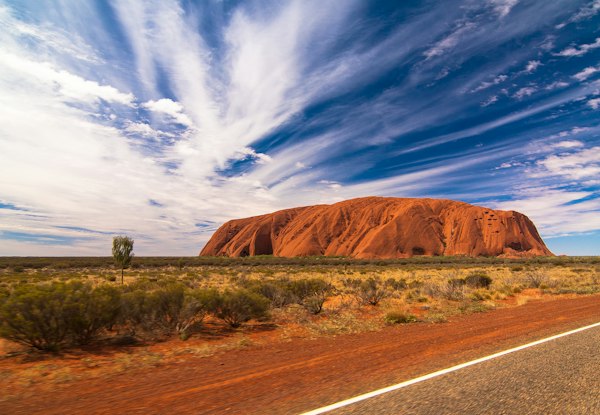
Everything you need to plan your Red Centre and outback expedition — the landscape and ecosystem context that makes outback wildlife photography so extraordinary.