
The Great Ocean Road stretches 243 kilometres along Victoria's dramatic southern coastline, built by returned soldiers between 1919 and 1932 — dedicated to those who fell in World War I and constructed entirely by hand. It is the world's largest war memorial, and arguably the world's most beautiful coastal drive.
This guide covers every stop worth making in both directions, the photography timing that most guides miss, the hidden gems that most visitors drive straight past, and honest advice on when to self-drive versus when to book a guided tour. 2026 note: parts of the road experienced flooding in early 2026 — check VicRoads for current conditions before departing.
📊 Quick Facts at a Glance
Total Distance
243km Torquay to Allansford (Warrnambool area) — 3.5 hours non-stop
Recommended Duration
2 days minimum, 3–4 days ideal, day trip from Melbourne possible but rushed
Starting Point
Torquay, 90 minutes from Melbourne CBD via the Princes Freeway
The Twelve Apostles
Only 7 limestone stacks remain — there were never 12. Still extraordinary.
Best Koala Spot
Kennett River — Grey River Road. Often 10–20 koalas in 30 minutes.
Best Photo Time
Sunset at Twelve Apostles (faces west). Sunrise at Loch Ard Gorge.
Vehicle Needed
Standard 2WD car — fully sealed road, no 4WD required
Admission Fees
Twelve Apostles, Kennett River, Loch Ard Gorge — all free. Otway Fly ~$35.
Parts of the Great Ocean Road experienced flooding and landslip damage in early 2026. While most sections are accessible, check VicRoads road closures and Parks Victoria alerts before departing. Some walking tracks in the Otway National Park may have temporary closures.
📅 Best Time to Visit the Great Ocean Road
The Great Ocean Road is spectacular year-round. Each season offers something distinct — here's what to expect:
Spring (Sep–Nov)
Wildflowers along the Otways, mild temperatures, whale watching begins (June–September), and smaller crowds than summer. Excellent photography light.
Summer (Dec–Feb)
Peak season — warm beach weather, long days, full facilities open. Highest crowds and prices. Book accommodation 2–3 months ahead. Consider February for fewer school holiday crowds.
Autumn (Mar–May)
Most recommended shoulder season. Comfortable temperatures, fewer crowds, 20–40% cheaper accommodation, golden photography light. Excellent for the full experience.
Winter (Jun–Aug)
Dramatic moody seascapes, storm watching, whale season at Warrnambool (June–September), cheap accommodation, and atmospheric photography. Bring layers and waterproof jacket.
🗺️ Day-by-Day Itinerary
Day 1 — Torquay to Apollo Bay
95km · Allow 4–6 hours with stops · Arrive Apollo Bay by late afternoon
Morning — Torquay & the Surf Coast
- 📍Torquay (Start)30 min — Visit the Australian National Surfing Museum (free entry with paid exhibits). The town's surf shops are worth a browse if you're into the culture. Fuel up the car and grab a good coffee before heading west — fuel prices rise along the route.
- 📍Bells Beach20 min — World-famous surf break and home of the Rip Curl Pro. Walk down to the headland viewing platform for views of the wave that professional surfers travel the world to ride. The beach is dramatic even when the surf is small.
- 📍Anglesea Golf Course10 min — A genuinely peculiar sight: kangaroos grazing freely on the fairways, coexisting with golfers. Park outside the gates and watch from the fence — usually 20+ kangaroos visible.
Late Morning — Aireys Inlet & Lorne
- 📍Split Point Lighthouse, Aireys Inlet25 min — The iconic white lighthouse from the TV series "Round the Twist" (a trigger for many Australians). Free to walk around the grounds; guided tours available for a fee. Coastal views in both directions from the headland.
- 📍Lorne45 min–1 hr — Lunch break in this bustling seaside town. Walk along the pier, and if time permits, take the 10-minute drive up to Teddy's Lookout for sweeping views over the bay. The Great Ocean Road Restaurant strip has excellent options — arrive before noon to avoid queues.
Afternoon — Great Otway National Park
- 📍Erskine Falls45 min — A 30-minute return walk through lush tree ferns to a beautiful 30-metre curtain waterfall. One of the most accessible and photogenic waterfalls on the route. The boardwalk is well-maintained.
- 📍Maits Rest Rainforest Walk30 min — A gentle 30-minute boardwalk loop through ancient myrtle beech forest that's over 300 years old. The scale of the trees is genuinely humbling. Accessible for strollers and all fitness levels.
- 📍Apollo BayArrive late afternoon — Settle into accommodation, then stroll to the fishing harbour for the freshest possible seafood (try the local scallop pies). The beach at sunset is beautiful, and the town has a genuinely relaxed fishing village atmosphere.
Book dinner in Apollo Bay before you arrive. The town is extremely popular and good restaurants fill quickly. For the freshest seafood in the region, the harbour area has excellent casual dining. Apollo Bay's food scene is genuinely one of the highlights of the Great Ocean Road.
Day 2 — Apollo Bay to Port Campbell
98km · Allow 5–7 hours with stops · Arrive Port Campbell for sunset at the Apostles
Morning — Kennett River Koalas & Cape Otway Lighthouse
- 📍Kennett River — Grey River Road45–60 min — Do not drive past this. Turn left onto Grey River Road (behind the general store) and drive slowly, looking up into the blue gum trees. You will commonly spot 10–20 koalas sleeping in branches. Early morning (before 10am) is best when they're slightly more active. Also look for crimson rosellas and gang-gang cockatoos feeding on the roadside.
- 📍Cape Otway Lighthouse1 hr, optionalHidden Gem — Victoria's oldest working lighthouse (1848) sits on the most southerly point of mainland Australia. The grounds often have koalas in the trees (another excellent spotting location), and there's a whale watching platform. Entry ~$20 adult.
Afternoon — The Twelve Apostles Precinct (Time Carefully for Sunset)
- 📍Gibson Steps25 min — Descend 86 carved steps to the beach below the cliffs for a completely different perspective of the limestone stacks from sea level. Check tide times before descending — the beach can flood at high tide. The scale of the cliffs from below is staggering.
- 📍Twelve Apostles45–75 min — Arrive at least 90 minutes before sunset for the best light and a good position on the viewing platforms. The stacks face west — the evening light turns them golden, then orange, then deep amber as the sun descends. The underground viewing tunnel provides a unique framing shot. Only 7 stacks remain — there were never actually 12, but what remains is extraordinary.
- 📍Loch Ard Gorge35 min — Walk the short path to this dramatic gorge and learn the story of the 1878 Loch Ard clipper ship wreck — only 2 of 54 passengers survived, including a 19-year-old woman named Eva Carmichael rescued by 18-year-old Tom Pearce. Walk down to the protected beach if conditions allow. The gorge is best in early morning light but worth any time of day.
- 📍The Arch & London Bridge15 min — Quick roadside stops. London Bridge famously collapsed in 1990, stranding two tourists on its now-isolated section. The Arch is a photogenic sea arch carved by Southern Ocean waves.
The Twelve Apostles face due west. Sunset is peak time — the stacks glow golden, then amber, with the Southern Ocean shimmering behind them. Arrive 90 minutes before sunset to get position. For sunrise, visit Loch Ard Gorge instead (it faces east and catches the pink morning light beautifully, with far fewer crowds). Check timeanddate.com for exact sunset time on your specific visit date.
Day 3 — Port Campbell to Warrnambool (Optional)
50km · Allow 3–5 hours with stops · For those with extra time
Western Gems — Beyond the Apostles
- 📍Bay of Islands30 minHidden Gem — Often overlooked because visitors have already seen the Twelve Apostles, but these limestone formations are equally spectacular and almost entirely crowd-free. A larger group of scattered stacks and arches than the Apostles, spread over a wider beach. Excellent at low tide.
- 📍Childers Cove30 minHidden Gem — A lesser-known cove with limestone cliffs up to 70 metres high above a white-sand beach. Often called the "crown jewel" of GOR hidden gems. Visit at low tide and bring your camera.
- 📍Tower Hill Wildlife Reserve1 hr — A dormant volcanic crater lake with walking trails, emus, and kangaroos in a natural habitat setting. Excellent family stop — consistently good wildlife sightings.
- 📍Warrnambool & Logan's Beach1–2 hrs — From June to September, southern right whales calve in Warrnambool Bay and can be seen breaching from Logan's Beach platform — often just metres from shore. Free viewing, no boat required. The Flagstaff Hill Maritime Village (ticketed) tells the region's shipwreck history through impressive sound-and-light shows.
Logan's Beach at Warrnambool is one of Australia's best free land-based whale watching locations. Southern right whale mothers and calves shelter in the protected bay, often visible breaching and rolling in the shallows from the dedicated viewing platform. Peak season is July–August. Completely free, no boat required, and often far closer than any boat tour would get you.
Day 4 — Hinterland Detours (Optional)
Flexible distance · For explorers who want the full Otway experience
Return to Melbourne: Via Colac and Geelong (faster, 3.5–4 hours) or retrace the coastal route (5–6 hours with stops). Most visitors prefer the inland return route on the final day to avoid redriving the same road.
🏨 Where to Stay Along the Great Ocean Road
These are the main overnight towns, in order from east to west. Apollo Bay is the most popular overnight base for its central location and food scene:
| Town | Atmosphere | Best For | Booking Tip |
|---|---|---|---|
| Torquay | Surf culture, energetic | Start point, surf enthusiasts | Good base if arriving late from Melbourne |
| Lorne | Vibrant, boutique, popular | Best dining, beach walks, boutique shopping | Book 3+ months ahead for summer; premium prices |
| Apollo Bay | Fishing village, relaxed | Best food scene, central location, great value | Most recommended overnight stop — book ahead in peak season |
| Port Campbell | Very small, quiet | Close to Twelve Apostles for sunrise/sunset | Limited options — book early; consider Apollo Bay and day-trip instead |
| Warrnambool | Regional city | Whale watching (Jun–Sep), full amenities | Good value for a regional city; easy to find last-minute rooms |
December to February, Easter, and all Victorian public holiday long weekends see accommodation prices double or triple along the Great Ocean Road. Book 2–3 months ahead for summer, and at least 6 weeks ahead for any long weekend. Apollo Bay and Lorne fill first — Port Campbell is often a fallback option with more availability.
🚗 Self-Drive vs Guided Tour — Which Is Right for You?
Both approaches have genuine advantages depending on your travel style. Here's a balanced comparison:
✅ Self-Drive Advantages
Best for: Photographers, travellers who want to linger, couples and families, those staying 2+ nights.
Complete flexibility to stay at each stop as long as you want. Perfect for sunset/sunrise timing at the Twelve Apostles. Better for spotting wildlife at your own pace. More intimate experience at dawn when crowds are absent. Can reach hidden gems like Melba Gully glow worms.
✅ Guided Tour Advantages
Best for: Solo travellers, first-time visitors, those without a licence or vehicle, tight on time (day trip from Melbourne).
Expert local knowledge of geological history, shipwreck stories, and Aboriginal culture. Local guides know the best photo spots and insider timing. No navigation stress on winding roads. Hidden spots tourists miss. All logistics handled. Cooee Tours guides access areas not signposted for self-drivers.
📋 Essential Driving & Safety Tips
- ✓Add at least 50% to your GPS time estimate. The road has winding sections, frequent stops, and unexpected moments that make every journey longer than planned. A 3-hour GPS estimate typically takes 6–8 hours with proper exploration.
- ✓Fill up fuel in major towns. Torquay, Lorne, Apollo Bay, and Warrnambool have competitive fuel prices. Between Apollo Bay and Port Campbell the options are limited and significantly more expensive. Never start a remote section with less than half a tank.
- ✓Download offline maps before departing. Mobile coverage disappears in sections of the Otway Ranges and between Cape Otway and Port Campbell. Google Maps and Citymapper both offer offline map downloads — do this on your home WiFi the night before.
- ✓Never drive after dark on rural sections. Wombats, wallabies, and kangaroos are highly active at dawn and dusk along the entire route. A wombat or kangaroo collision at 100km/h can total a vehicle. If you must drive at night, 60km/h maximum and stay alert.
- ✓Stay behind barriers at all clifftop viewpoints. Erosion is ongoing at the Twelve Apostles, Loch Ard Gorge, and all clifftop lookouts. The barriers exist because the rock is unstable. Several serious incidents have occurred when visitors climbed past barriers.
- ✓Never feed or touch koalas at Kennett River. Koalas are protected under the Wildlife Act. Feeding them disrupts their natural diet and can cause disease. Keep at least 3 metres distance. Observe from below — they'll regard you with mild curiosity and generally don't mind calm observers.
- ✓Only swim at patrolled beaches between the flags. The Southern Ocean has cold water year-round and strong rip currents. Surf beaches like Bells Beach are not safe for casual swimming. Patrolled beaches at Apollo Bay, Lorne, and Aireys Inlet are much safer.
- ✓Drone use is restricted. Drones are prohibited over the Twelve Apostles, Loch Ard Gorge, and most National Park areas. Check Parks Victoria regulations at parks.vic.gov.au before flying. Fines for illegal drone use are significant.
Prefer to Leave the Driving to Experts?
Cooee Tours' Great Ocean Road guides know all the insider stops, the precise Twelve Apostles timing, and the hidden gems most visitors miss — from the Melba Gully glow worms to the perfect koala trees at Kennett River.
Browse Great Ocean Road Tours →❓ Frequently Asked Questions
How many days do I need for the Great Ocean Road?
Minimum 2 days to see the major highlights without feeling rushed. 3 days is ideal for most visitors — enough time to explore at a relaxed pace, do the Kennett River koalas properly, hike Erskine Falls, time the Twelve Apostles at sunset, and explore Loch Ard Gorge.
4 days adds the Otway hinterland gems (Melba Gully glow worms at night, Hopetoun Falls, Otway Fly Treetop Walk, Timboon Ice Creamery) and Warrnambool whale watching.
A day trip from Melbourne covers approximately 600km of driving (8–9 hours) leaving only 3–4 hours at attractions total. The Twelve Apostles and one other stop is the realistic expectation. An overnight stay transforms the experience.
What direction should I drive — east to west or west to east?
East to west (Torquay → Warrnambool) is strongly recommended for most visitors. Starting from Melbourne, this direction keeps you on the ocean side of the road, making pull-offs at lookouts much easier and safer. The Twelve Apostles faces west, making it ideal for sunset when driving this direction.
Driving west to east (from Adelaide or Warrnambool) still gives excellent views but requires crossing traffic for most photo stops, and the Twelve Apostles light is less ideal at sunrise compared to the afternoon golden hour heading west.
When is the best time to see the Twelve Apostles?
Sunset is the most spectacular time. The stacks face due west and catch the full spectrum of evening light — golden, amber, orange, then deep coral as the sun sets. Arrive at least 90 minutes before sunset to claim a good position on the viewing platforms. In summer, sunset is around 8:30pm; in winter, around 5:30pm.
Sunrise requires being there before 6am in summer (not for everyone). For sunrise visitors, consider going to Loch Ard Gorge instead — it catches beautiful pink dawn light with far fewer crowds.
Midday (10am–3pm) produces flat, harsh light that flattens the stacks' texture and colour. Unavoidable on day trips from Melbourne, but genuinely less spectacular for photography.
How many Apostles are there?
Currently only 7 limestone stacks are standing. There were never actually 12 — the formations were renamed from "The Sow and Piglets" to the Twelve Apostles in 1922 by the local council to attract tourists. At that time there were about 9 stacks.
The stacks continue to erode as the Southern Ocean undermines the cliff base. One stack famously collapsed in 2005 (witnessed by a family of tourists), and the process is ongoing. Despite the numerical discrepancy, the 7 remaining formations against the dramatic Southern Ocean backdrop are genuinely extraordinary and easily the most photographed site in Victoria.
Where is the best place to see koalas?
Kennett River — Grey River Road is the definitive answer. Turn left at the general store in Kennett River and drive slowly along this small road, looking up into the blue gum trees. Sightings of 10–20 koalas in 30 minutes are genuinely common. Never try to touch or feed them — this is both illegal and harmful to the animals.
Secondary locations: Cape Otway Lighthouse grounds often have koalas in nearby trees, and the Lorne hinterland roads occasionally have sightings. Kennett River remains far and away the most reliable location on the entire route.
What are the hidden gems most visitors miss?
Melba Gully at night — glow worms in the ferns, free access, genuinely magical. Most visitors drive straight past. Hopetoun Falls + Beauchamp Falls + Redwood Forest — a trio of spectacular stops in the Otways interior accessible in 2 hours. Bay of Islands — equally dramatic rock formations as the Apostles, almost no visitors. Childers Cove — 70-metre limestone cliffs above a white sand beach, practically empty. Timboon Fine Ice Cream — detour from Port Campbell to the best ice cream in Victoria. Anglesea Golf Course kangaroos — wild kangaroos coexisting with golfers on the fairways.
Do I need to book anything in advance?
Essential advance bookings:
Accommodation — Book 2–3 months ahead for December–February, Easter, and long weekends. Apollo Bay and Lorne fill first. At minimum, book your first night before arriving.
Restaurants in Apollo Bay and Lorne — Popular restaurants fill quickly, especially on weekends. Book for dinner when you book your accommodation.
Cooee Tours Great Ocean Road tours — Day trips from Melbourne sell out in peak season, particularly during school holidays and summer.
The Twelve Apostles, Loch Ard Gorge, Kennett River koalas, Gibson Steps, and all national park walks are free and require no advance booking.
📖 Related Australia Travel Guides
Highway 1 Big Lap Guide
The Great Ocean Road connects to Australia's 14,500km coastal loop
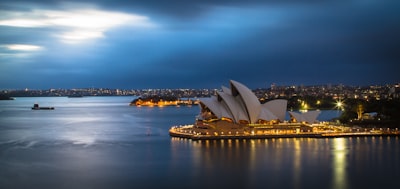
Best Time to Visit Australia
Season-by-season guide for timing the Great Ocean Road perfectly
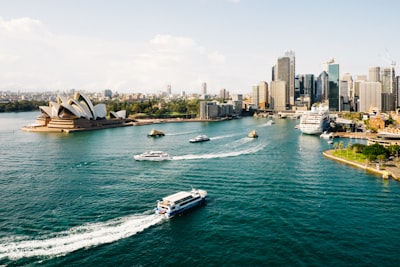
Sydney Transport Guide
Get around Sydney on any budget before or after the GOR

Queensland Travel Hub
From the Great Ocean Road, head north to Queensland's coast