🇫🇷 Europe · Country Guide

Boulevards of Light,
Provinces of Beauty &
The Art of Living

Where café tables spill onto cobblestones at every hour, where châteaux materialise from morning mist over the Loire, where lavender turns whole hillsides violet in June, and where the question of what to eat for lunch is approached with the seriousness it deserves. France is not simply a destination — it is a standard of civilised life.

52
UNESCO World Heritage Sites
~22hrs
Brisbane to Paris
Visa Free
90 Days (Schengen)
€1 ≈ $1.70
AUD Exchange Rate
320km/h
TGV High-Speed Rail
About France

The Country That Elevated
Everyday Life into a Philosophy

France is the world's most visited country for reasons that have little to do with any single monument. Yes, the Eiffel Tower is extraordinary and the Louvre is overwhelming and the French Riviera is as beautiful as advertised. But France's real appeal is something harder to itemise — a pervading commitment to the quality of daily life that you absorb through hours of sitting in café terraces, lingering over two-hour lunches, and driving through vineyard-covered hillsides between villages where nothing much has changed in 400 years.

The country spans geography that would, in any other nation, constitute multiple countries. Paris is emphatically itself — one of the world's great cities, with a cultural density per square kilometre unmatched anywhere. But France is not Paris. Normandy's D-Day beaches and apple-blossom countryside are three hours north by TGV. The Loire Valley's château circuit is southwest. Burgundy's vineyards — where a single hectare of Romanée-Conti can sell for more than €30 million — are two hours by rail. Provence's lavender blooms in late June. The French Riviera's light is as luminous as Matisse promised. The Alps rise to Mont Blanc's 4,808 metres above Chamonix.

France repays slow, regional travel above almost any other European country. A week in Paris is a revelation; a week in the Dordogne, Burgundy, or the Languedoc — where market towns function as they have for centuries, where the cooking is hyper-regional, and where travellers are few enough that you feel you've discovered something — is a different and deeper experience entirely.

🏛️ France's UNESCO World Heritage Sites (Selected)
  • Palace and Park of Versailles — the apogee of French royal ambition
  • Mont-Saint-Michel and its Bay — tidal island abbey, Normandy
  • Loire Valley — châteaux, vineyards, and Renaissance architecture
  • Paris Banks of the Seine — Notre-Dame to the Eiffel Tower
  • Prehistoric Sites of the Vézère Valley — Lascaux cave paintings (15,000 BC)
  • The Camargue (Pont du Gard) — Roman aqueduct, 2,000 years old
  • Roman and Romanesque Monuments of Arles
  • Champagne Hillsides, Houses and Cellars
Where to Go

France's Essential Destinations

From the grandeur of Paris to Provençal lavender and the emerald valleys of the Loire — the places that have been defining the very idea of "destination" since before the word existed.

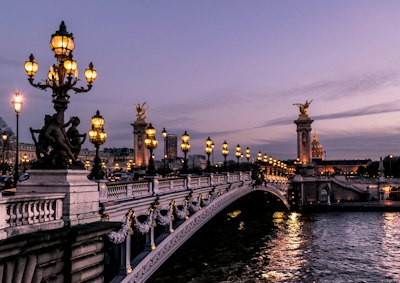
Paris Eiffel Tower evening golden hour Seine River France
🏆 City of Light

Paris

The most visited city on earth — and still capable of astonishing those who arrive with high expectations. The Louvre, Notre-Dame in reconstruction, the Musée d'Orsay, the Marais, the Canal Saint-Martin, the bakeries, the bookshops, and the specific pleasure of doing nothing in particular at a pavement café on a spring afternoon.

Île-de-France · CDG Airport · Eurostar from London 2hrs 20min
★ 5.0
Provence lavender fields purple rows Luberon hills France
Lavender & Light

Provence

South of France · Aix-en-Provence, Avignon, the Luberon
★ 4.9
French Riviera Nice Côte d'Azur coastline Monaco Mediterranean
Azure Coast

French Riviera

Côte d'Azur · Nice, Cannes, Monaco, Eze
★ 4.9
Loire Valley Château Chambord castle river France renaissance
Châteaux Country

Loire Valley

Western France · 2hrs from Paris by TGV
★ 4.8
Normandy Mont Saint Michel tidal island abbey France bay
History & Coast

Normandy

Northwest France · D-Day beaches, Mont-Saint-Michel, cider country
★ 4.8
Bordeaux wine chateau vineyard Médoc Saint-Émilion France
Wine Capital

Bordeaux & the Dordogne

Southwest France · 2hrs from Paris by TGV
★ 4.8
The Full Picture

France Region by Region

France's 13 administrative regions each have a distinct identity — culinary, architectural, linguistic, and geographic. Here is your at-a-glance guide to choosing which France to visit.

Paris Eiffel Tower Île-de-France France
Capital · Culture · Cuisine
Île-de-France

Paris and its hinterland — Versailles, Fontainebleau, Giverny, Chartres Cathedral. Europe's most culturally dense region.

ParisVersaillesLouvre
Normandy coast D-Day beaches France Calvados
History · Cider · Coast
Normandy

D-Day beaches and memorials, Mont-Saint-Michel, apple orchards, Camembert villages, and a rugged Channel coastline.

D-DayMont-Saint-MichelCalvados
Loire Valley châteaux river France vineyards Chenonceau
Châteaux · Wine · Renaissance
Loire Valley

The Garden of France — Chambord, Chenonceau, Amboise. Sauvignon Blanc and Muscadet vineyards. Medieval villages.

ChambordChenonceauTours
Bordeaux Saint-Émilion wine region France southwest
Wine · Prehistory · Périgord
Bordeaux & Dordogne

Médoc châteaux, Saint-Émilion, Lascaux's 17,000-year-old cave paintings, and the golden stone villages of the Périgord.

BordeauxLascauxSarlat
Provence lavender Luberon village France Gordes Sénanque
Lavender · Markets · Sun
Provence

Van Gogh's Arles, Cézanne's Aix, the perched villages of the Luberon, the Calanques, and 300 days of annual sunshine.

AixLuberonAvignon
French Riviera Côte d'Azur Nice beaches Monaco France
Glamour · Art · Azure Sea
French Riviera

Nice, Cannes, Monaco, Antibes, Eze — where Picasso painted, where Fitzgerald partied, and where the light has a quality painters still chase.

NiceMonacoCannes
Burgundy Beaune wine vineyards Côte de Nuits France
Pinot Noir · Gastronomy · Villages
Burgundy (Bourgogne)

The world's most prestigious wine country — Romanée-Conti, Meursault, Chablis. Beaune's Hospices, Vézelay's basilica, Dijon mustard.

BeauneDijonCôte d'Or
French Alps Chamonix Mont Blanc mountain skiing France
Alps · Skiing · Glaciers
Auvergne-Rhône-Alps

Mont Blanc, Chamonix, Val d'Isère, Courchevel, Annecy's lake, and Lyon — France's gastronomic capital, with 20+ Michelin-starred restaurants.

ChamonixAnnecyLyon
What to Do

France's Unmissable Experiences

France generates experiences that resist easy categorisation — they are simultaneously the thing itself and something more: a meal that also tells you about a culture, a château that also explains a century, a market that also describes a way of life.

Paris evening golden hour Eiffel Tower Seine bateaux mouches
Paris at the Golden Hour

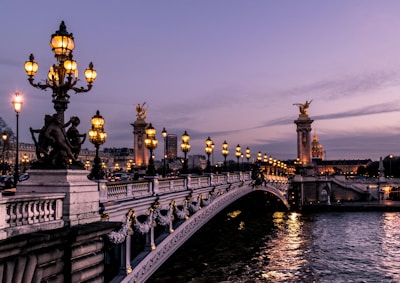
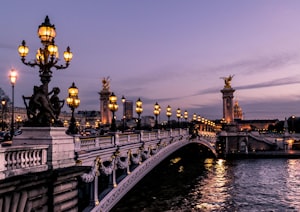
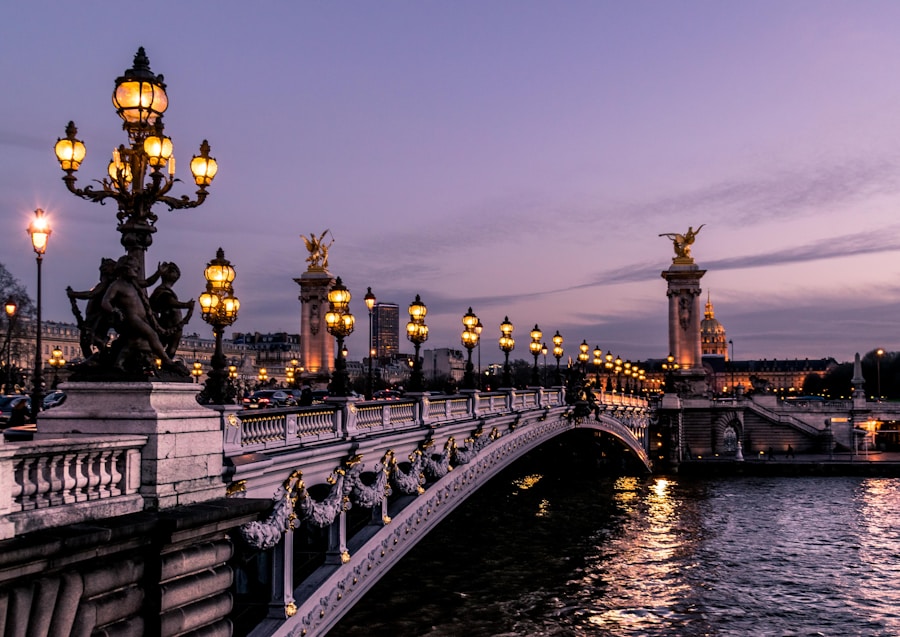
Walk from the Pont de la Concorde to the Pont d'Iéna along the Seine as the day's light turns the limestone city gold. The Eiffel Tower's hourly light show at dusk from the Trocadéro. Then cross to the Left Bank for dinner in the 6th arrondissement. This is not a tourist programme — it is what Parisians do on a good evening in their own city.

Year-round · May & September best
Provence lavender Sénanque Abbey Luberon bloom France July
Provence at Lavender Peak

The lavender plateau of the Valensole, the Abbaye de Sénanque surrounded by purple rows, the hilltop village of Gordes above flowering fields — Provence in the last two weeks of June through mid-July is one of Europe's great sensory experiences. Hire a car, stay in a mas farmhouse, eat at a terrace under plane trees, and do not book the peak bloom weeks without accommodation secured months ahead.

Late June – Mid July
Loire Valley Château Chambord double helix staircase French Renaissance
The Loire Châteaux Circuit

Hire a car from Tours and spend three days on the greatest concentration of Renaissance architecture outside Italy — Chambord (François I's forest hunting lodge that became a 440-room statement of royal magnificence), Chenonceau (arching across the Cher river, built and managed by women for 200 years), Amboise (where Leonardo da Vinci spent his final years), and Cheverny (the model for Moulinsart in The Adventures of Tintin). The Loire Valley is best in May, June, and September.

Apr – Oct best · Car recommended
Burgundy wine cellar barrel tasting Beaune caves France Pinot Noir
Burgundy Wine & Cave Tasting

Join a guided walk along the Côte de Nuits — the narrow limestone slope whose Pinot Noir vineyards include Chambolle-Musigny, Gevrey-Chambertin, and the mythical Romanée-Conti — then taste the day's produce in a 12th-century cave beneath Beaune. The Hospices de Beaune (a 15th-century hospital still functioning) is the architectural and cultural heart of Burgundy. Book through the Beaune Tourist Office for cellar access not available independently.

Year-round · Harvest Oct best
Nice Promenade des Anglais French Riviera beach blue Mediterranean
The Riviera Village Circuit

Base yourself in Nice or Antibes and use the regional train to reach the coast's most beautiful stops: Villefranche-sur-Mer (the painted harbourfront), Eze (a medieval perched village above a vertiginous cliff), Menton (lemon gardens on the Italian border), and Monaco (for the absurdity of its wealth and the beauty of its Oceanographic Museum). The SNCF Côte d'Azur pass makes all of this affordable in a day.

May – Jun & Sep – Oct best
Mont Saint Michel tidal island bay Normandy France sunrise low tide
Mont-Saint-Michel at Tide Change

Approach Mont-Saint-Michel on foot at low tide along the causeway as the distant abbey resolves from the morning mist. Then stay overnight in the village as the tide comes in and the day-trippers leave — with the causeway under water and the abbey floodlit after dark, Mont-Saint-Michel becomes genuinely medieval and otherworldly. The tidal range is among Europe's largest: 14 metres at spring tides.

Year-round · Stay overnight essential
Bordeaux wine château Médoc vineyard rows sunset France
Bordeaux Wine Country

Bordeaux city itself is one of France's finest — a UNESCO-listed 18th-century port city with a riverfront of remarkable grandeur and a wine trade infrastructure (the Cité du Vin wine museum is extraordinary) that makes it the natural base for exploring the Médoc's classified châteaux. Saint-Émilion's medieval wine village, 45 minutes east by train, has both exceptional wine and exceptional architecture. The harvest (vendange) in October is the ideal time to visit.

Year-round · Harvest Oct
Chamonix Mont Blanc French Alps glaciers Mer de Glace cable car
Chamonix & Mont Blanc

Take the Aiguille du Midi cable car from Chamonix town to 3,842 metres above sea level for a 360-degree panorama over the Alps that includes Italy, Switzerland, and France from a platform built into a granite pinnacle above the glacier. Then walk across to the Mer de Glace — France's largest glacier — via the Montenvers cogwheel railway. Chamonix is equally compelling in summer (hiking, via ferrata) and winter (world-class skiing on the Vallée Blanche).

Year-round · Summer & Winter
Royal France

The Palace & Château Circuit

France's royal legacy produced some of the world's grandest buildings — not ruins, but functioning monuments of extraordinary scale and ambition that can all be visited within a two-hour radius of Paris.

Versailles Palace Hall of Mirrors garden fountain France
01
Palace of Versailles
Île-de-France · 45min from Paris · RER C

Louis XIV's statement that France itself was the court — 2,300 rooms, the Hall of Mirrors (357 mirrors reflecting the gardens), Marie Antoinette's Petit Trianon, and 800 hectares of formal gardens with fountains that run on Saturdays and Sundays from April to October. Versailles receives 15 million visitors per year — arriving at opening time (9am) is essential, pre-booking mandatory, and arriving by RER C from Paris (not tour bus) gives you a 30–45 minute advantage on the crowds.

The Musical Fountains show (Grandes Eaux Musicales, April–October, €10 extra) transforms the gardens into a full baroque performance. Worth specifically planning a Saturday visit for.
Château Chambord Loire Valley double helix staircase Renaissance France
02
Château de Chambord
Loire Valley · 2hrs from Paris · Car or coach

The most extraordinary château in France — built by François I in the forest as a hunting lodge on a scale that says nothing about hunting and everything about power. The double-helix staircase (attributed to a design by Leonardo da Vinci, who lived nearby at Amboise) is one of the most remarkable architectural elements in Europe. 440 rooms. 365 fireplaces. 800 sculpted capitals on the rooftop terrace, which is itself an outdoor reception room. Free admission to the grounds; rooftop access included in the château ticket.

Stay in the village of Chambord rather than day-tripping from Tours — the château at dusk, with the day visitors gone and the deer visible in the surrounding forest, is a completely different experience.
Château Chenonceau Loire Valley bridge river Cher France
03
Château de Chenonceau
Loire Valley · 2hrs from Paris · Near Amboise

Built across the River Cher on a series of arches in the early 16th century, Chenonceau is the most visited château in France after Versailles — and arguably the most beautiful. Its history is almost entirely the history of the remarkable women who managed it: Diane de Poitiers (Henry II's favourite), Catherine de' Medici (who displaced her and added the gallery bridge), Louise de Lorraine (who painted her bedroom black after her husband Henri III's assassination), and the Marquise de Nadaillac (who ran it as a hospital in WWI). A single woman's story told across 500 years of architecture.

The Chenonceau gardens — one designed for Diane de Poitiers, one for Catherine de' Medici — are extraordinary in early summer when both rose collections are in flower.
Fontainebleau Palace forest France royal hunting lodge Napoleon
04
Château de Fontainebleau
Île-de-France · 1hr from Paris · RER D or Transilien

The palace used by every French monarch from François I to Napoleon III — and the one the French themselves most prefer, precisely because it lacks Versailles's crowds. Napoleon signed his abdication here in 1814 in the room now called the Salle du Trône. The forest surrounding the château (Forêt de Fontainebleau, 250 km² of oak and sandstone) is where French rock climbing was invented in the 19th century and remains one of the world's great bouldering destinations. A perfect combination of 16th-century palace and natural landscape within 60 minutes of Paris.

Visit on a weekday to have the palace largely to yourself — Fontainebleau is routinely described by those who know both as the better Versailles experience.
Art on the Table

The French Food & Wine Guide

French cuisine is classified by UNESCO as Intangible Cultural Heritage — and it is the only nation's food culture to receive that distinction. Here is how to eat and drink France properly, region by region.

Bordeaux wine region Médoc château vineyard Cabernet France
🍷 Southwest France
Bordeaux Wine Country

The world's most traded wine appellation — Médoc Cabernet Sauvignon and Merlot from the Left Bank, the limestone-and-clay vineyards of Saint-Émilion and Pomerol on the Right. The annual primeurs (en primeur futures) tasting in April draws buyers from every country on earth. The Cité du Vin museum in Bordeaux city is the finest wine museum anywhere.

  • Left Bank: Médoc, Pauillac, Margaux — Cabernet Sauvignon dominant
  • Right Bank: Saint-Émilion, Pomerol — Merlot dominant
  • Best for: structured reds, Sauternes dessert wine (Château d'Yquem)
  • Pairing: duck confit, entrecôte bordelaise, oysters from Arcachon Bay
Book a classified growth château visit through Bordeaux Tourisme — many First Growth châteaux offer tours and tastings with several weeks' notice.
Burgundy Pinot Noir vineyard Côte d'Or autumn France
🍷 Eastern France
Burgundy (Bourgogne)

The world's most prestigious wine country by prestige-per-hectare — the narrow limestone slope of the Côte d'Or produces Pinot Noir and Chardonnay whose expression of terroir (the interaction of soil, slope, aspect, and microclimate with the vine) is considered the gold standard against which all other wine is measured. The Grand Cru vineyards are UNESCO-listed.

  • Côte de Nuits: Gevrey-Chambertin, Chambolle-Musigny, Vosne-Romanée
  • Côte de Beaune: Meursault, Puligny-Montrachet (world's finest Chardonnay)
  • Chablis: steely mineral Chardonnay from limestone-clay soils north of Beaune
  • Pairing: boeuf bourguignon, coq au vin, Époisses and Comté cheese
The Route des Grands Crus (D122) from Dijon to Santenay is a 60km drive through the most valuable agricultural land on earth — follow it slowly, stopping at négociant cellars in Beaune for tastings.
Provence rosé wine lavender market Luberon France
🍷 South of France
Provence & the Markets

Provence produces the world's most admired rosé — pale, dry, and herbal — in the Côtes de Provence and Bandol appellations. But the Provençal food culture may be even more compelling than its wine: the Saturday markets at Aix-en-Provence, Arles, and Apt are among France's finest, piled with local olives, chèvre, tapenade, lavender honey, and charcuterie from pigs raised on oak mast.

  • Rosé: Côtes de Provence, Bandol — pale, dry, herbal, ideally drunk young
  • Bandol Rouge: Mourvèdre-based red, powerful and age-worthy
  • Best markets: Aix Saturday, Arles Wednesday, L'Isle-sur-la-Sorgue Sunday
  • Pairing: bouillabaisse, ratatouille, socca flatbread, tapenade on bread
The Sunday market at L'Isle-sur-la-Sorgue — a canal town east of Avignon — combines one of France's best food markets with the country's largest antique market. An entire morning's pleasure.
When to Travel

France Through the Seasons

France is rewarding in all four seasons — and each reveals a different country. The key is matching your France to the right month, and booking ahead for the experiences that require it.

🌸
Spring — Best Overall Season
April – June

France in spring is close to perfect — Paris chestnut trees in blossom, Loire Valley châteaux open and uncrowded, the Camargue wildflowers in Provence, Burgundy vines budding, and the French Riviera warm without August's intense heat. June brings Provence's lavender into early bloom and the longest evening light of the year. Pre-book Versailles, Versailles gardens shows, and popular restaurants in Paris for May and June weekends well in advance.

☀️
Summer — Peak & Lavender
July – August

Summer is France at maximum intensity — lavender in full bloom in Provence (late June through mid-July), the French Riviera at its most beautiful and crowded, Chamonix accessible for high-altitude hiking, and Paris at the height of its outdoor life (the Seine's Paris Plages public beaches open in July). July and August are school holiday months — popular tourist sites become very crowded and accommodation requires months of advance booking. The Bastille Day celebrations (July 14th) are spectacular in Paris: a military parade on the Champs-Élysées and fireworks over the Eiffel Tower.

🍂
Autumn — Finest Season for Wine
September – November

Arguably France's finest travel season for those who love food and wine — the September and October vendange (grape harvest) brings Burgundy, Bordeaux, and Champagne to life with the year's most intense activity. Paris in September recovers its Parisian character as the August tourist peak passes and Parisians return from their summer escapes. The Burgundy truffle season opens in October. The Loire Valley is golden in autumn light. Champagne offers cellar tours during harvest that are not available at other times. Book harvest experiences in the major wine regions in June–July for September visits.

❄️
Winter — Paris & the Alps
December – March

France in winter is two very different propositions: Paris and the main cities are magnificent in December — Christmas markets on the Champs-Élysées, museum queues shorter than any other time, restaurants at their most focused, and the city most in possession of itself without its summer millions. The French Alps (Chamonix, Val d'Isère, Courchevel, Méribel) are in peak ski season from late December through March. Provence and the Riviera are quiet, cool, and atmospheric — a wonderful time for those who want empty medieval villages and a coast without crowds. The Dordogne and Loire Valley largely hibernate outside market towns.

How Long Do You Have?

Suggested France Itineraries

France rewards time — but a well-planned week on the TGV delivers a remarkably complete picture of what makes this country the world's most visited. Here are three routes built around France's rail network.

⏱ 7 Days
Paris, Loire & Riviera Classic
1–3
Paris — Louvre, Notre-Dame, Versailles, Musée d'Orsay, Marais, Montmartre, evening Seine walk
4
Loire Valley — day trip: Chambord & Chenonceau by hire car from Tours (TGV Paris–Tours 1hr)
5–7
Nice & Riviera — TGV Paris–Nice 6hrs, Promenade des Anglais, Eze village, Monaco day trip, Cannes
Book This Itinerary →
⏱ 10 Days
Paris to Provence — the TGV Route
1–3
Paris — full programme: Versailles day trip, Fontainebleau, Marais walking, Seine evening
4–5
Lyon — France's gastronomic capital: bouchons, silk district, Vieux-Lyon UNESCO old town
6–8
Provence — hire car from Avignon: Luberon villages (Gordes, Roussillon), lavender plateau, Aix-en-Provence market Saturday
9–10
Nice & Riviera — Villefranche, Eze, Monaco, Menton; return TGV Nice–Paris 6hrs
Book This Itinerary →
⏱ 14 Days
Grand France — Wine, Châteaux & Alps
1–3
Paris — cultural full programme, Versailles Musical Fountains Saturday
4–5
Normandy — Mont-Saint-Michel overnight, D-Day beaches circuit, Honfleur
6–7
Loire Valley — Chambord overnight, Chenonceau, Amboise (Leonardo's house at Clos Lucé)
8–9
Bordeaux — TGV from Tours: Médoc wine tour, Saint-Émilion overnight
10–11
Provence — TGV Bordeaux–Marseille: Aix, Luberon, Arles Roman monuments
12–14
French Alps — Chamonix: Aiguille du Midi cable car, Mer de Glace, alpine hiking or skiing
Book This Itinerary →

Expert Tips for France

From our team who have travelled France across every region and every season — the things that separate a good French trip from an exceptional one.

01
Speak a Few Words of French — Every Time

The single most effective thing an Australian traveller can do in France is open every interaction with "Bonjour, Monsieur/Madame" and attempt the first sentence in French before switching to English. This is not merely politeness — it is the minimum required demonstration of respect in a culture that prizes its language above almost anything else. The French are not unfriendly; they are formal. The formality is dissolved immediately by the attempt. Merci, s'il vous plaît, excusez-moi — three words that transform every French interaction.

02
Book the TGV Well in Advance

France's TGV (Train à Grande Vitesse) network connects Paris to every major city in the country at speeds of up to 320km/h — Paris to Lyon in 2hrs, to Marseille in 3hrs, to Bordeaux in 2hrs, to Nice in 6hrs. The trains are comfortable, punctual, and scenically magnificent. However, advance booking (6–12 weeks ahead) on the SNCF website (sncf-connect.com) reduces fares dramatically — peak-time TGVs booked the day before can cost €120; booked 8 weeks ahead, €25–40. The Eurail France Pass offers value for 5+ journeys. Book at Rail Europe (Australia's most reliable SNCF booking platform) before departure.

03
Hire a Car for the Regions

France's greatest pleasures — the Luberon's hilltop villages, the Loire châteaux back roads, the Dordogne's perched medieval towns, the Champagne villages between Reims and Épernay, the Route des Grands Crus in Burgundy — are almost entirely inaccessible by public transport. Hiring a car for the regional portions of a French trip (keeping public transport for city-to-city TGV legs) is the single most important logistical decision. International licence not required; Australian licence accepted. Drive on the right, and note that autoroutes (motorways) charge tolls payable by credit card at every péage.

04
Eat Where the French Eat

The two most reliable indicators of a good French restaurant: a handwritten blackboard menu (written daily because the dish depends on what arrived at the market that morning), and the presence of French people eating lunch at 1pm. The fixed-price weekday lunch menu (le menu du midi, typically €15–25 for two or three courses) is France's greatest culinary bargain — frequently including dishes not available at dinner, at a fraction of dinner prices, in restaurants that would cost three times as much in the evening. Avoid any restaurant displaying a photograph of its food in the window.

Before You Go

Visas, Flights & Practicalities

France is part of the Schengen Area — Australians can visit for up to 90 days in any 180-day period without a pre-arranged visa. Getting there from Brisbane is a well-served routing via the Gulf or Singapore.

Permit / Entry TypeStatusDurationKey Notes for Australians
Schengen Tourist Visa 🇫🇷 ✓ Visa Free Up to 90 days in any 180-day period No pre-application required. The 90-day Schengen allowance is shared across all 27 member states — days spent in Italy, Spain, Germany, Switzerland, or other Schengen countries before or after France count toward your total. A valid Australian passport is all that is required at the border.
Combined Schengen Trip ✓ Visa Free 90 days total across all Schengen states France connects seamlessly with all its neighbours under the same Schengen 90-day allowance: Spain (Barcelona is 6hrs by TGV from Paris), Italy (Nice is 30 min from the Italian border; Turin is 3hrs), Switzerland (Geneva is 3hrs from Paris by TGV), and the UK (2hrs 20min by Eurostar from Paris — but the UK is NOT Schengen; days in the UK do not count). Belgium, Luxembourg, and the Netherlands are also straightforward TGV connections from Paris.
ETIAS (from 2025–26) Check Before Travel Multiple trips / 3 years The EU's Electronic Travel Information and Authorisation System — a pre-registration requirement similar to Australia's own ETA — applies to Schengen arrivals from visa-exempt countries including Australia. Expected cost: ~€7. The ETIAS rollout date has been delayed several times. Verify the current status at travel.europa.eu before booking. It is separate from any UK ETA requirement if your itinerary includes London.
Working Holiday Visa Apply in Advance 12 months Australia and France have a Working Holiday arrangement (Programme Vacances-Travail) for citizens aged 18–35. Apply through the French Embassy in Canberra before departure. Quota-limited with annual availability; apply early. France is a popular working holiday destination, particularly in the wine and hospitality industries — harvest work (vendange) in September–October in Burgundy, Bordeaux, and Champagne is commonly available.
✈️
Flights from Australia
  • Brisbane to Paris (CDG): No direct service. The most competitive routings are via Dubai with Emirates (~21–23hrs total), via Doha with Qatar Airways (~21–22hrs), or via Singapore with Singapore Airlines connecting through a European hub (~24–26hrs). Emirates and Qatar fly directly into Paris CDG, which is generally more convenient than routings via other European hubs. From Brisbane, expect 22–24hrs total with the best connections.
  • Sydney to Paris: Emirates via Dubai (21–22hrs) and Qatar via Doha (20–21hrs) are consistently the fastest and most competitive. Qantas operates its own Paris service (via either Singapore or Dubai depending on schedule) and often prices competitively with the full-service Gulf carriers. Singapore Airlines via Singapore and connecting to CDG is also excellent for Business Class products.
  • Consider flying into Nice (NCE) or Lyon (LYS): If your itinerary is centred on the South of France, flying directly into Nice (served from London, Amsterdam, Frankfurt, Zürich, and many European cities) saves the Paris–Nice TGV journey and can reduce total travel time significantly from Australian gateways routing through Europe. Lyon Saint-Exupéry is served from many European cities and is a 2hr TGV from Paris.
  • Alternative: fly Paris, train everywhere: CDG Airport connects directly to central Paris via the RER B (45 min, €11.80) — no taxi needed, no traffic. From Gare de Lyon, Gare du Nord, and Gare Montparnasse in Paris, TGV services reach every major French city. Flying in to CDG and building an itinerary entirely around the TGV is the cleanest and most efficient structure for a French trip.
  • Best booking window: 4–6 months ahead for July–August peak. For May–June and September–October, 8–10 weeks is sufficient and often finds significantly better fares. December (Paris Christmas) requires early booking for direct CDG connections.
💰
Budget & Money Guide
  • Paris vs the regions: Paris is significantly more expensive than anywhere else in France. A Paris mid-range restaurant dinner runs €35–65 per person with wine; the equivalent in Lyon, Bordeaux, or Provence costs 25–35% less. Accommodation in Paris is 40–60% more expensive than provincial equivalents. Budget-conscious French itineraries start in Paris for 2–3 days and spend the remainder of the trip in regions where the money goes considerably further.
  • Budget travel (€80–120/day, ~$135–200 AUD): Auberge (hostel) or budget hotel, boulangerie breakfast (croissant and café, ~€4–6), supermarket picnic lunches from the fromagerie and charcuterie counter (France's greatest value meal), weekday fixed-price restaurant lunch menus (€15–22), public transport, free museum days (most national museums offer the first Sunday of the month free).
  • Mid-range (€150–250/day, ~$255–425 AUD): Three-star hotels or Logis de France rural inns (characterful, family-run, consistently excellent), restaurant lunches at local bistros, one dinner per day at a mid-range restaurant, hiring a car for regional exploration, wine purchased at négociant caves for €10–20/bottle.
  • Premium (€350–600+/day, ~$595–1,020+ AUD): Relais & Châteaux properties (France has more than any other country), Michelin-starred dining (one-star lunches are often genuinely affordable; two and three-star dinners are serious expenditure), private wine tours with classified-growth tastings, and the most sought-after Loire Valley and Provence farmhouse accommodation.
  • Paris Museum Pass: The Paris Museum Pass (2 days €55, 4 days €70, 6 days €85) covers skip-the-queue access to 50+ museums and monuments including the Louvre, Musée d'Orsay, Versailles, and Sainte-Chapelle. With pre-booked timed entry slots for the Louvre and Versailles, it saves both money and considerable queuing time.
  • Tipping: Service compris (service included) is standard in French restaurants — an additional tip of €2–5 per person is appreciated but not obligatory. Never tip a percentage; small round amounts are the norm. In brasseries and cafés, leave the change or round up to the next euro.
🚅
Getting Around France
  • TGV — the backbone of French travel: France's TGV (Train à Grande Vitesse) network connects Paris to every major city at up to 320km/h. Key journey times from Paris: Lyon 2hrs, Marseille 3hrs, Bordeaux 2hrs, Nice 6hrs, Strasbourg 1hr 50min, Rennes 1hr 25min, Nantes 2hrs 10min. Book at sncf-connect.com or via Rail Europe (Australia) — advance fares are dramatically cheaper than walk-up prices. The app includes real-time tracking and mobile tickets.
  • Eurail France Pass: If you plan 5+ TGV journeys, the Eurail France Pass (from ~€195 AUD for 3 travel days in a month) may offer value. Must be purchased before leaving Australia. The Eurail Pass also covers night trains connecting Paris to Nice, Munich, and Barcelona — an excellent way to save a night's accommodation. Buy through Rail Europe Australia before departure.
  • Paris public transport: The Paris Métro, RER, bus, and tram network covers everything you need. The Navigo Easy rechargeable card (€2 at any station) accepts top-up for single tickets (€1.73) or 10-trip carnets. The Navigo Découverte weekly pass (€30, valid Mon–Sun) is excellent value for 3+ days in Paris. CDG Airport is connected by RER B (45 min, €11.80).
  • Car hire for regions: Essential for the Loire châteaux back roads, Burgundy's Route des Grands Crus, the Luberon villages, the Dordogne, Normandy's coastal circuit, and Champagne's small-house producers between Reims and Épernay. Australian licence accepted; must carry licence plus IDP is recommended but not legally required. Autoroute tolls are paid by credit card at péage booths — budget €20–40 per day on major routes.
  • Paris CDG Airport to city centre: RER B train to Paris Gare du Nord (45 min, €11.80) — the standard recommendation. Alternatively, the RoissyBus coach to Opéra (1hr, €16.60). Taxis are metered and legitimate (fixed €52 from CDG to central Paris) but subject to traffic. Avoid unlicensed private drivers in the arrivals hall — use the official taxi rank or pre-booked transfers only.

Prêt pour la France?

Our France specialists have personal experience across every region — from Paris's Michelin-starred brasseries to Burgundy harvest caves, Provençal farmhouse mas, and the back roads of the Dordogne where the villages don't have English menus and that is entirely the point. We handle the TGV bookings, the château access, and the lunch reservations that make the difference between a good French trip and an exceptional one.

Start Planning My France Trip Call 0409 661 342

Trusted by 50,000+ Australian travellers · ATAS Accredited · 35+ Years Experience

Explore More

Related European Travel Guides