🇬🇧 🇮🇪 Four Nations · Two Islands · 22 Hours from Brisbane

Two Islands.
One Thousand Years
of Everything.

A city whose museums are free and whose pubs have been pouring since before European settlement of Australia. A highland so empty a red deer outnumbers the people per square kilometre. An island whose geology produces the world’s most complex whisky. And the island next door, where the craic is the highest form of culture and the landscape looks like God was showing off.

130+
Scotch Whisky Distilleries
22 hrs
From Brisbane via Singapore or Dubai
5,000+
Years · Stonehenge Age
Free
Entry to British Museum, National Gallery & Tate
700m
Cliffs of Moher Height Above Atlantic
🇬🇧 UK & Ireland
Four Nations, Two Islands

Britain & Ireland —
The Places That Made
the Modern World and Then
Kept the Old One Intact

The United Kingdom (England, Scotland, Wales, and Northern Ireland — population 67 million — a constitutional monarchy whose Parliament has sat continuously since 1707 — the island of Great Britain plus Northern Ireland and some 6,000 smaller islands) and the Republic of Ireland (population 5 million — the rest of the island of Ireland — independent since 1922 — a member of the European Union) together constitute the two most historically layered and most culturally legible island nations in the temperate world. Australian travellers arrive here with the specific advantage of deep linguistic, cultural, and institutional familiarity — the Westminster system of government, the English legal tradition, the pubs — and the specific surprise that the physical landscape is more varied, more beautiful, and frequently more empty than any prior expectation accounts for.

The four defining experiences: London (the most museum-dense city in the world — the British Museum, the National Gallery, the Victoria and Albert, the Natural History Museum, the Tate Modern, the Science Museum, and the National Maritime Museum — all free, all extraordinary, all within a 5km radius — the city that has been continuously inhabited since 43 CE and has the archaeological layers to prove it — Roman walls visible beneath the Guildhall, a Roman amphitheatre under the Bloomberg building, Viking street names in the City). The Scottish Highlands (the most empty and most cinematically dramatic landscape in the British Isles — 4.6 million hectares of mountain, glen, and loch above the Highland Boundary Fault — the Isle of Skye’s Fairy Pools, the Fairy Pools’ parent geology the Cuillin Ridge, Ben Nevis, Glen Coe — the Caledonian Canal connecting east coast to west). Scotland’s whisky (the Scotch Whisky industry — 130+ active distilleries producing the world’s most geographically and flavour-diverse spirits under the Scotch Whisky Regulations 2009 — the five protected regions: Highlands, Speyside, Islay, Lowlands, Campbeltown — each producing a character as different from the others as Burgundy is from Bordeaux). Ireland (the western island — the Cliffs of Moher on the Atlantic coast of County Clare, 700m of vertical limestone above the ocean; the Ring of Kerry; Dublin’s literary and pub culture; the Giant’s Causeway in Northern Ireland — 40,000 basalt columns formed 60 million years ago from a cooling lava flow, the most geometrically inexplicable landscape in the British Isles).

✅ UK & Ireland Practical Essentials
  • Visa: Australian passport holders do not need a visa to visit the UK or Ireland for stays up to 6 months (UK) or 90 days (Ireland). From 2025, the UK requires an Electronic Travel Authorisation (ETA) for visa-free visitors — apply at gov.uk/apply-electronic-travel-authorisation — £10, valid for 2 years or until passport expiry. The Republic of Ireland (EU member) does not require an ETA from Australian visitors. Travel between the UK and Ireland is unrestricted under the Common Travel Area agreement.
  • Currency: UK uses Pounds Sterling (GBP — £1 = approximately AUD$2.00). Ireland uses Euros (EUR — €1 = approximately AUD$1.68). Both are expensive destinations by Australian standards: a London pub pint is £6–8 (AUD$12–16), a restaurant main course £18–28 (AUD$36–56). Scotland and Ireland are typically 15–20% cheaper than London for accommodation and food.
  • Transport: The UK’s National Rail network is the fastest and most comfortable inter-city option — London to Edinburgh in 4.5 hours on LNER (Azuma trains), London to Bath in 1hr 20min on Great Western, London to Cardiff in 2hrs. The Caledonian Sleeper (the overnight train from London Euston to Inverness, Fort William, or Aberdeen — departs 21:15, arrives 8–9am — the most atmospheric long-distance rail journey in Britain) is the correct way to arrive in the Scottish Highlands. Hiring a car: essential for the Scottish Highlands, Ring of Kerry, and Cotswolds. Drive on the left — no adjustment for Australians. Petrol: approximately £1.50 per litre (AUD$3.00).
  • Weather: Britain’s weather is the most discussed and least predictable variable in any UK trip. The median temperature is 12°C in London year-round, 8°C in the Scottish Highlands. Rain is possible on any day of any month anywhere in the British Isles. The correct response is a waterproof layer that packs small — not an umbrella — and the understanding that British grey weather is not the same as bad weather. The golden hours of low-angle light that break through cloud cover in the Scottish Highlands in May and October are the finest photographic light available in northwestern Europe.
  • Pubs: The British and Irish pub is not a bar. It is a community institution, a community meeting place, and in many villages the only public building left. The correct pub behaviour: order at the bar (no table service), tip the barman by offering them a drink (“and one for yourself?”), do not carry your drink outside the pub garden unless specifically permitted. In Ireland, “the craic” (pronounced “crack” — from the Irish cráic — meaning the conversation, banter, atmosphere, and collective enjoyment of the moment) is the highest value a pub can have — a pub with good craic is worth any detour.
Eight Destinations

From London to the Atlantic Edge

The British Isles contain more geographical and cultural variety per square kilometre than any archipelago its size. Here is how to navigate it.
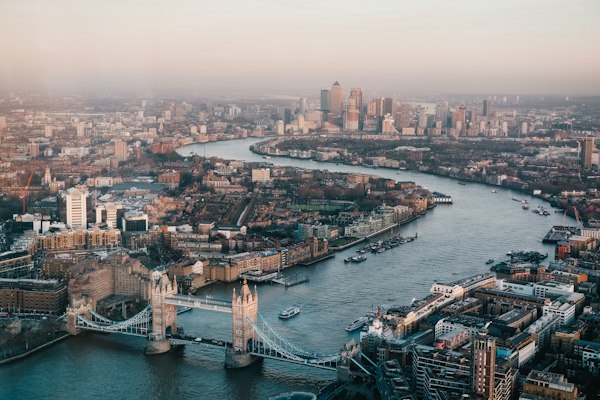
London Tower Bridge Thames skyline Big Ben evening
London
🏟 Capital · 2,000 Years · Free Museums

London (population 9 million — on the Thames estuary — continuously inhabited since Londinium’s Roman foundation in 43 CE — the world’s financial centre, the city that gave the world parliamentary democracy, the common law, the Industrial Revolution, and the English language as a global medium) rewards the visitor who understands it as a collection of villages rather than a monolithic city. The British Museum (the world’s first public national museum, opened 1759 — the Rosetta Stone (the trilingual decree issued by Ptolemy V in 196 BCE, the key to deciphering Egyptian hieroglyphics, excavated at Rosetta in 1799 during Napoleon’s Egyptian campaign, captured by British forces in 1801 — Room 4), the Elgin Marbles (the Parthenon sculptures removed from Athens 1801–1812 by Thomas Bruce, 7th Earl of Elgin — the most diplomatically contested objects in any museum — Room 18), the Lewis Chessmen (the 78 medieval chess pieces carved from walrus ivory — found on the Isle of Lewis in 1831, probably carved in Norway c.1150–1200 — Room 40) — free entry, 8 million visitors per year). The Borough Market (the oldest continuously operating food market in London — records of a market at London Bridge date to 1014 — the current market occupies a Victorian iron-and-glass structure beneath London Bridge railway station — open Monday–Saturday — the Neal’s Yard cheese counter, the Northfield Farm burgers, the Gujarati Rasoi, and the Brindisa chorizo rolls are the four essential Borough Market purchases). The Tate Modern (the former Bankside Power Station — a Giles Gilbert Scott turbine hall repurposed as the largest modern art gallery in the world — the Turbine Hall commissions (artists given the 155-metre hall to fill — past commissions include Louise Bourgeois’s giant spider Maman and Olafur Eliasson’s artificial sun) — free entry). The South Bank walking circuit (Tate Modern → Millennium Bridge (the aluminium suspension footbridge whose 2000 opening was halted after 2 days because it swayed too much when pedestrians walked in step — retrofitted with 37 fluid-viscous dampers and reopened 2002 — the view from the bridge of St Paul’s Cathedral to the north is the finest single urban view in London) → Shakespeare’s Globe → Borough Market).

  • British Museum — Rosetta Stone, Elgin Marbles, Lewis Chessmen · Free
  • Borough Market — 1,000+ years old · Mon–Sat · Northfield Farm burgers
  • Tate Modern — Turbine Hall commissions · Free · Millennium Bridge view
  • South Bank walk — Tate to Globe to Borough Market · 90 minutes flat
  • The National Gallery — Van Eyck, da Vinci, Turner, Vermeer · Free
Edinburgh Castle Royal Mile Scotland skyline Arthur's Seat
Edinburgh & the Scottish Lowlands
🏰 Capital · Castle · Fringe · Whisky

Edinburgh (population 550,000 — the Scottish capital, built on a ridge of volcanic rock above the Firth of Forth — UNESCO City of Literature 2004, the first city in the world to receive the designation — the city of Robert Burns, Sir Walter Scott, Robert Louis Stevenson, Arthur Conan Doyle, and J.K. Rowling) is the most architecturally dramatic small capital city in Europe: the medieval Old Town on the Castle Rock ridge separated from the Georgian New Town by the Princes Street Gardens — a topographic contrast more theatrical than Edinburgh could have designed intentionally. Edinburgh Castle (the volcanic plug fortress inhabited since the Iron Age — the current castle’s oldest building the 12th-century St Margaret’s Chapel — the Scottish Crown Jewels (the Honours of Scotland — the oldest crown jewels in use in the British Isles, dating to 1503 — the Crown, Sceptre, and Sword of State on display — significantly older than the English Crown Jewels and considerably less encumbered by controversy) and the Stone of Destiny (the sandstone coronation stone on which Scottish kings were crowned — taken by Edward I of England in 1296 — returned to Scotland in 1996 — now displayed with the Honours)). The Royal Mile (the High Street running 1 mile from the Castle to the Palace of Holyroodhouse — the narrow medieval closes (alleyways) leading off the Royal Mile, including Mary King’s Close (the 17th-century street sealed beneath the City Chambers in 1753 and reopened as a guided historical attraction — the most vivid preserved urban archaeology in Scotland)). Arthur’s Seat (the extinct volcano within Holyrood Park — 251 metres — 45-minute ascent from the Palace gates — the 360-degree summit view of Edinburgh, the Firth of Forth, and the Pentland Hills is the finest urban panorama in Scotland — no technical difficulty). The Edinburgh Festival Fringe (August — the world’s largest arts festival, 3,400+ shows in 300+ venues across the city — book accommodation 12 months ahead; prices treble).

  • Edinburgh Castle — Scottish Crown Jewels & Stone of Destiny
  • Mary King’s Close — 17th-century sealed street · underground guided tour
  • Arthur’s Seat — 45-min ascent · finest urban summit view in Scotland
  • Edinburgh Fringe — August · book accommodation 12 months ahead
  • The Scotch Whisky Experience — Castle Esplanade · 5-region tasting
Isle of Skye Fairy Pools Scotland Highland landscape
The Scottish Highlands & Isle of Skye
⛰ Glens · Lochs · Fairy Pools · Distilleries

The Scottish Highlands (the area north of the Highland Boundary Fault — approximately 4.6 million hectares — population 235,000 — the least densely populated region in the United Kingdom at 9 people per km² — the home of Ben Nevis (1,345m — the highest mountain in the British Isles), Loch Ness (the largest by volume of Scotland’s lochs — 7,452 million m³ — the Nessie legend originating from a 6th-century account in Adomnán’s Life of St Columba and commercially revived by a 1933 newspaper photograph that was admitted as a hoax by one of its originators in 1994), Glen Coe (the glacially carved valley whose geology of Caledonian volcanic rock and schist produced the most dramatically vertical highland landscape in Scotland — the site of the Massacre of Glencoe in February 1692, when Government forces killed 38 members of the MacDonald clan in a breach of Highland hospitality that remains the most specific moral stain on Scottish clan history)) is the definitive British wilderness. The Isle of Skye (connected to the mainland by the Skye Bridge since 1995 — 49km long, 24km wide — the Cuillin Ridge (the only genuine alpine rock-climbing terrain in Britain — a 12km horseshoe of gabbro and basalt peaks, 12 of which exceed 900 metres) — the Fairy Pools (the series of deep crystal-clear blue pools and waterfalls in Glen Brittle below the Black Cuillin — fed by the Allt Coir’ a’ Mhadaidh stream — the water temperature 8–12°C year-round — the most photographically concentrated landscape on Skye — the 2.5km circuit from the car park) — the Old Man of Storr (the 50-metre basalt pinnacle on the Trotternish Ridge above Portree — the 2.3km ascent from the car park on the A855 — the view from the pinnacle base across to the mainland and the Inner Hebrides islands — the most replicated Skye photograph)). The North Coast 500 (the 516-mile circular driving route around the north coast of Scotland from Inverness — one of the world’s great road trips — the Torridon mountains, the Applecross Pass, Cape Wrath, the north coast from Thurso to Duncansby Head — allow 7–10 days).

  • Fairy Pools, Glen Brittle — 2.5km circuit · crystal pools at 8–12°C
  • Old Man of Storr — 2.3km ascent · the most replicated Skye image
  • Glen Coe — the most vertical highland valley · 1692 Massacre site
  • North Coast 500 — 516 miles · world-class coastal road · 7–10 days
  • Caledonian Sleeper — overnight London–Inverness · arrive in the Highlands at dawn
Dublin Ireland Temple Bar pub culture Georgian architecture
Dublin & Eastern Ireland
🍀 Republic · Literary · Pub Culture · Georgian

Dublin (population 1.4 million — on the Liffey estuary — Ireland’s capital and the literary city of Swift, Sheridan, Wilde, Shaw, Yeats, Synge, O’Casey, Beckett, and Joyce — more Nobel Laureates in Literature per capita than any other city — the city that gave the world the modern short story (Joyce’s Dubliners, 1914) and the modern novel’s most celebrated single day (Bloom’s 16 June 1904 in Ulysses, 1922)) is the most sociable capital city in Europe. The city that runs on conversation. Trinity College Dublin (founded 1592 by Elizabeth I — the Book of Kells (four illuminated gospel manuscripts created by Celtic monks c.800 CE, probably on the island of Iona — the most intricate and most beautiful examples of insular art in existence — displayed in the Old Library’s Treasury, beneath the Long Room — the Long Room itself (the 65-metre barrel-vaulted library housing 200,000 of the college’s oldest books, the marble busts of scholars lining the galleries, the harp that inspired the national symbol) — book tickets months ahead in summer). Guinness Storehouse (the former Guinness St James’s Gate Brewery — the largest tourist attraction in Ireland — the pint of Guinness poured by the visitor on the top-floor Gravity Bar, with the 360-degree view of Dublin across the bar’s glass walls — the brewery has occupied the site since 1759 on a 9,000-year lease signed by Arthur Guinness at £45 per year — the lease is displayed at the entrance). Temple Bar (Dublin’s cultural quarter on the south bank of the Liffey — the cobblestone streets, The Temple Bar pub (the most photographed building in Dublin — yellow exterior, window boxes, the traditional music starting at 5:30pm nightly), Mulligan’s (13 Poolbeg Street — established 1782 — the finest pint of Guinness in Dublin by common consent — no food, no sports TV, no Wi-Fi — the pub as the pub should be)). The Wicklow Mountains (45km south — Glendalough — the 6th-century monastic settlement in a glacial valley, the round tower (30 metres, 1,200 years old, intact), the two lakes, and the woodland trails — the most complete early Christian monastic site in Ireland).

  • Book of Kells at Trinity — c.800 CE · book months ahead in summer
  • Guinness Storehouse — 9,000-year lease · poured by the visitor at the top
  • Mulligan’s (13 Poolbeg St) — est. 1782 · finest Guinness in Dublin
  • Glendalough — 6th-century monastic valley · 30m round tower · intact
  • Bloomsday — 16 June annually · Joyceans retrace Bloom’s route
Cliffs of Moher Ring of Kerry West Ireland Atlantic coast
The Wild Atlantic Way
🌊 Cliffs of Moher · Ring of Kerry · Galway

The Wild Atlantic Way (the 2,500km coastal touring route from Donegal in the north to Kinsale in County Cork — Ireland’s western coast facing the full fetch of the North Atlantic — the most dramatically weathered coastline in Europe) contains Ireland’s most visually overwhelming landscapes. The Cliffs of Moher (County Clare — a 14km section of sandstone and siltstone cliffs rising to 214 metres at the Hag’s Head, with the highest point at O’Brien’s Tower reaching 214m above the Atlantic — the cliff face visible from the Aran Islands 9km offshore — 1.6 million visitors per year — arrive before 9am to walk the cliff path before the tour buses, or after 5pm when the day visitors have left and the light is best — the cliff path north from the visitor centre provides the finest views of the cliff face itself, not possible from the visitor centre lookout below). The Ring of Kerry (the 179km circular driving route around the Iveragh Peninsula in County Kerry — the MacGillycuddy’s Reeks mountain range (the highest in Ireland, Carrauntoohil at 1,038m), the Lakes of Killarney, the Gap of Dunloe (the 11km mountain pass navigated historically by jaunting car — no cars permitted — the most beautiful valley in Kerry), Skellig Michael (the UNESCO World Heritage island 12km offshore — the beehive-cell monastic settlement occupied from the 6th to 12th century — 618 stone steps to the monks’ cells above the Atlantic — used as Luke Skywalker’s island retreat in Star Wars Episodes VII and VIII — boat trips from Portmagee, April–October, dependent on weather — book months ahead)). Galway (the most Irish-speaking city in Ireland, the gateway to Connemara — Galway Bay, the Spanish Arch, the busking on Shop Street, the oyster festival in September — the Connemara National Park 1 hour west (the blanket bog, the Twelve Bens mountain range, the sky)).

  • Cliffs of Moher — arrive before 9am · walk north for cliff-face views
  • Skellig Michael — 6th–12th century monastery · Star Wars island · book months ahead
  • Gap of Dunloe — 11km mountain pass · no cars · jaunting car or walking
  • Connemara — blanket bog and Twelve Bens · most Atlantic landscape in Ireland
  • Galway city — most Irish-speaking urban area · September oyster festival
Cotswolds English countryside villages honey-stone Bibury
The Cotswolds, Bath & Stonehenge
🏛 English Villages · Roman Baths · Neolithic Stone

The triangle of English countryside between Oxford, Bristol, and Stratford-upon-Avon contains the most visited rural landscape in England: the Cotswolds (an Area of Outstanding Natural Beauty covering 2,038 km² — the honey-coloured oolitic limestone from which every building in every village is constructed, the colour the result of iron oxide in the Jurassic-period stone — Bourton-on-the-Water (the Venice of the Cotswolds — the River Windrush crossing the main street via five low-arch bridges — the most visited village in the Cotswolds and the most crowded in summer — the correct alternative is Burford (the wool-trade town on the Windrush — a high street of medieval wool merchants’ houses descending to the river, consistently quieter than Bourton) or Bibury (the village that William Morris called “the most beautiful in England” — Arlington Row, the terrace of 17th-century weavers’ cottages beside the River Coln — the most photographed rural scene in England)). Bath (UNESCO World Heritage City — founded as Aquae Sulis by the Romans in 43 CE — the Roman Baths (the best-preserved Roman religious spa in Northern Europe — the Sacred Spring, the Great Bath, the temple precinct, the Gorgon’s Head pediment — the naturally heated water emerges at 46°C) — the Royal Crescent (the 1767–1775 John Wood the Younger terrace of 30 Georgian townhouses forming the most complete Palladian facade in Britain — No.1 Royal Crescent is a house museum). Stonehenge (the Neolithic monument on Salisbury Plain — the stones dated to approximately 2500 BCE for the sarsen outer circle (the bluestones of the inner horseshoe transported from the Preseli Hills in Wales — 240km — approximately 5000 years ago — the engineering method still debated) — the summer and winter solstice alignment (the stones are precisely oriented so the sunrise on the summer solstice aligns with the Heel Stone and the central altar) — the most visited prehistoric monument in the world, and the one that most consistently makes visitors feel the distance between their own intelligence and whatever intelligence produced it).

  • Bibury — Arlington Row · “most beautiful in England” (William Morris)
  • Burford — quieter than Bourton · medieval wool-trade high street
  • Roman Baths, Bath — 43 CE · 46°C sacred spring still flowing
  • Stonehenge — 2500 BCE · solstice alignment · 240km bluestone journey
  • Shakespeare’s Birthplace, Stratford-upon-Avon — 1564 house, guided
💡 INSIDER TIP — The Caledonian Sleeper & Arriving in the Scottish Highlands at Dawn

The Caledonian Sleeper (operated by Serco — departs London Euston at 21:15 Monday through Saturday for Inverness, Fort William, or Aberdeen — arrives 8–9am) is not simply a logistically convenient train — it is a genuinely atmospheric experience and the finest way to begin a Scottish Highlands trip. You board in London at night and wake in the Cairngorms. The Inverness train passes through Rannoch Moor at first light (approximately 6:30–7am in summer) — the most empty and most otherworldly landscape in mainland Britain — viewed from the dining car over breakfast with no other passengers in sight. The Classic Cabin (with a private sink, fold-down bunk, and Scottish breakfast delivered to the room) costs approximately £90–180 one way — book at sleeper.scot well ahead for weekend summer departures as the train sells out months in advance. The Fort William branch includes the Glenfinnan Viaduct — made internationally famous by the Hogwarts Express in the Harry Potter films — the viaduct is crossed at approximately 6:30am.

Scotland’s Liquid Geography

The Five Scotch Whisky Regions

Scotch Whisky Regulations 2009 protect five named regions — each producing a character as geographically and flavourably distinct as wine appellations. Here is what to expect in each glass.

🏛
Speyside
Moray · 50+ Distilleries · The Whisky Capital

The Spey valley in Moray contains over 50 distilleries — more than half of all Scotch production — concentrated here because the River Spey’s clean water and the region’s mild climate produce the most consistent and most marketable style: fruity, elegant, sweet. The Speyside character is apple, pear, vanilla, and honey — the approachability that made Glenfiddich the world’s bestselling Scotch. Glenfiddich (1887), Balvenie (1892), Macallan (1824), Glenlivet (1824, the first licensed distillery in Scotland), and Strathisla are all within 45 minutes of each other. The Malt Whisky Trail (the signposted 70-mile route connecting 9 distilleries and the Speyside Cooperage — the only working cooperage open to visitors in Scotland) is the correct way to navigate the region. Allow 2 days minimum.

🌊
Islay
Inner Hebrides · Peat & Sea · 9 Distilleries

Islay (pronounced EYE-lah — the island 25km off the Kintyre Peninsula — accessible by CalMac ferry from Kennacraig (2hrs 20min) or by flight from Glasgow (30min)) produces the most polarising and most devoted whisky in the world. The Islay character comes from the island’s blanket peat (the malted barley dried over burning peat, whose phenolic compounds — guaiacol, syringol, 4-methylguaiacol — transfer to the spirit and create the “smoky” or “medicinal” character associated with Laphroaig, Ardbeg, and Lagavulin). All three of these distilleries are within 8km of each other on Islay’s south coast. Laphroaig (whose expression reportedly prompted Prince Charles to comment that it tasted “like creosote” — he later visited the distillery and was photographed shovelling peat — the most photographed moment in Scotch Whisky tourism). Bruichladdich operates with unpeated barley for its core expressions and is the most experimentally progressive distillery on the island. The Feis Ile (the Islay Festival of Malt and Music, May) sells out 12 months ahead.

Highlands
Largest Region · Most Varied · 30+ Distilleries

The Highlands region covers the entire country north of the Highland Boundary Fault and is the most geographically diverse — its distilleries span from Glenmorangie on the Dornoch Firth to Clynelish on the north coast to Dalmore on the Cromarty Firth to Edradour (the smallest traditional distillery in Scotland, still producing in the original farmstead buildings near Pitlochry). The Highland character resists easy categorisation — it ranges from the delicate honey of Glenmorangie to the robust and sherried Dalmore to the coastal maritime character of Balblair and Old Pulteney. The Dalmore (with its stag’s head label — the stag presented by Mackenzie of Kintail to Colin Mackenzie in 1263 — the distillery produces the most sought-after aged expressions in the Highlands, including the 62-Year-Old valued at £125,000 per bottle). Old Pulteney (the most northerly distillery on the mainland — in Wick — the maritime saltiness described as “the malt whisky of the sea”).

🌿
Lowlands
South Scotland · Triple-Distilled · Gentle & Grassy

The Lowlands (south of the Highland Boundary Fault, north of the English border) historically produced the light, approachable grain whiskies that blenders used as the base for Scotch blended whisky. Today the region has experienced a renaissance with Auchentoshan (the only Scottish distillery that triple-distills every expression — a technique borrowed from Irish whiskey production that produces an unusually light and clean spirit) and Ailsa Bay (within the William Grant & Sons Girvan complex — the most technically precise distillery in Scotland). The Lowlands character: light, delicate, grassy, with floral and citrus notes. Traditionally the lunchtime whisky (lighter enough to accompany food without overpowering it — the reason Auchentoshan is the preferred aperitif whisky in Scottish restaurant culture). Glenkinchie, 25km southeast of Edinburgh, is the most visitor-accessible Lowlands distillery.

The Country That Invented the Modern World and Then Kept the Old One Running

Britain gave the world the Industrial Revolution, parliamentary democracy, the English language as a global medium, and the common law that governs half the world’s legal systems. It also — somewhat contradictorily — maintained the pub on the village green, the narrow-gauge steam railway through the Welsh mountains, the annual village fete on the first Saturday in August, and the queue as a genuine moral position. Both things are true simultaneously and both are part of the experience.

“The first morning you wake up in the Scottish Highlands with nothing between you and the horizon but a glen and a herd of red deer — no road noise, no artificial light, no evidence that the 21st century exists — you understand why the Scots never fully agreed to leave.”

Ireland provides the other side of the coin: the island whose entire literary tradition is built on the observation that the Irish relationship with suffering, beauty, and language is the same relationship, and that the pub is where this gets worked out. The Irish pub at its best — a session musician in the corner of a Galway bar on a wet October night — is the finest argument for the value of culture over economy that exists in any European country. Both islands reward the traveller who slows down, orders the local thing, and listens to what the landscape is saying.

9 Curated Experiences

UK & Ireland Tours from Brisbane

From a London week to the North Coast 500 and the Wild Atlantic Way — all bookable through Cooee Tours.

🏟 London · 7 Days
London Essential Week
⏱ 7 days★ 5.0(3,240 reviews)

Seven days in London — the minimum to move through the city’s cultural, historical, and neighbourhood layers without feeling like a museum sprint. The package includes accommodation in the South Bank or Fitzrovia (both walking distance to the major sites, both neighbourhood-rich rather than tourist-sterile), guided walks through the British Museum (the Egyptian Wing, the Parthenon Sculptures, the Lewis Chessmen — 3 hours, a context and interpretation level not available from the audio guide alone), the South Bank circuit (Tate Modern Turbine Hall, Millennium Bridge, Shakespeare’s Globe, Borough Market), the National Gallery (the Turner collection and the Dutch Golden Age rooms — the single most rewarding 2 hours in any free gallery in the world), and neighbourhood walks through Notting Hill, Shoreditch, and Greenwich. Westminster (Westminster Abbey — the Coronation Chair, Poets’ Corner, the graves of Newton, Darwin, and Chaucer — not free but essential — the guide explains who is buried where and why the arrangement tells the story of British intellectual self-regard in stone). The Tower of London (the Crown Jewels — the Koh-i-Noor diamond in the Coronation Crown — the 105-carat diamond whose provenance is contested by India, Pakistan, Afghanistan, and Iran — the Yeoman Warder tour of the execution sites). A day trip to Windsor (the largest inhabited castle in the world, the State Apartments, St George’s Chapel where 10 monarchs are buried, the Long Walk — the 4.8km avenue of plane and chestnut trees from the castle to the Copper Horse equestrian statue of George III).

Includes
7 nights central LondonBritish Museum guided walkTower of London + Crown JewelsWindsor Castle day tripAirport transfers
🏰 Scotland · Highlands
Scottish Highlands & Isle of Skye
⏱ 7 days from Edinburgh★ 5.0(2,120 reviews)

The Scottish Highlands and Isle of Skye circuit from Edinburgh — the most complete single week available in the British Isles for landscape, history, and whisky combined. The tour departs Edinburgh by road north via the Cairngorms National Park (the largest national park in the UK by area — 4,528 km² — the Cairngorm plateau, the last remnant of the Caledonian Forest at Rothiemurchus, the ospreys at Loch Garten (the first wild-nesting ospreys in Britain since 1916, nesting at Loch Garten since 1954 — the RSPB osprey centre is open April–August)). Inverness (the Highland capital — 1 night — Loch Ness (the Urquhart Castle ruin on the loch’s western shore — 14th century, partially demolished with gunpowder in 1692 to prevent Jacobite use — the most photographed castle ruin in Scotland — the view down the loch from the castle ramparts is 37km — Glen Affric (the most beautiful glen in Scotland by general consensus — native Caledonian pine forest, the twin lochs, the ancient Scots pine trees up to 600 years old). The drive to Skye via Glen Shiel (the Five Sisters of Kintail — the 5 peaks of the South Cluanie Ridge, the ridge walk considered the finest single day’s mountaineering in Scotland accessible to non-climbers) and Eilean Donan Castle (the 13th-century castle on a tidal island at the confluence of three lochs — the most photographed castle in Scotland, restored 1911–1932). Skye (3 nights — Fairy Pools, Old Man of Storr, Dunvegan Castle (the oldest continuously inhabited castle in Scotland, seat of the Clan MacLeod since the 13th century — the Fairy Flag, the Dunvegan Cup, and the 11th-century Macleod’s Table hill visible from the castle garden). Speyside whisky day (Glenfiddich, Balvenie, and The Macallan — guided tasting of 3 expressions from each distillery)).

Includes
Edinburgh hotel 1 nightInverness hotel 1 nightIsle of Skye 3 nightsSpeyside distillery tasting dayEilean Donan Castle
🍀 Ireland · West Coast
Wild Atlantic Way — Dublin to Galway
⏱ 8 days★ 4.9(1,780 reviews)

The Ireland Wild Atlantic Way circuit from Dublin — beginning in the city and driving west through the Midlands to the Burren, the Cliffs of Moher, Galway, Connemara, and the Ring of Kerry — the most complete single Irish driving circuit available in 8 days. Dublin (2 nights — Trinity College Book of Kells, Guinness Storehouse, Kilmainham Gaol (the prison where the leaders of the 1916 Easter Rising were executed — the most emotionally charged historical site in Dublin — the stonebreakers’ yard where Connolly, Pearse, and 12 others were shot — guided tours only, pre-book at kilmainhamgaolmuseum.ie), the Temple Bar evening (Mulligan’s for the Guinness, The Brazen Head (established 1198 — the oldest pub in Ireland) for the traditional music)). Drive to the Burren (County Clare — the 360 km² of exposed Carboniferous limestone pavement — the most botanically improbable landscape in Ireland — Arctic, Mediterranean, and Alpine plant species growing within metres of each other in the cracks (grikes) of the limestone — the spring gentian, the maidenhair fern, the mountain avens — the guide explains why this happens (the limestone conducts warmth up from below in winter and maintains coolness in summer, creating micro-habitats for plants from every European climate zone)). Cliffs of Moher (arrive 8:30am — walk north from the visitor centre). Galway (1 night — the Latin Quarter, the Spanish Arch, the trad music session at Taaffes Bar on Shop Street). Connemara National Park. Ring of Kerry (the full circuit — Killarney, the Gap of Dunloe by jaunting car or on foot, Skellig Experience visitor centre at Portmagee (if weather prevents the Skellig Michael boat trip), Ladies’ View).

Includes
Dublin hotel 2 nightsKilmainham Gaol guidedCliffs of MoherGalway & ConnemaraRing of Kerry circuit
🌍 Scotland · Whisky Trail
Speyside Malt Whisky Trail & Islay
⏱ 6 days from Edinburgh★ 4.9(980 reviews)

The dedicated Scotch Whisky tour — designed for visitors whose primary reason for being in Scotland is the whisky rather than the landscape (the landscape turns out to be equally extraordinary — this is Scotland — but the itinerary is structured around the distilleries). The Speyside Malt Whisky Trail (the 70-mile signposted route from Glenlivet in the south to Glen Moray in Elgin — the guide takes the group through 6 distilleries over 2 days: Glenfiddich (William Grant’s family distillery, 1887 — still family-owned, the most toured distillery in Scotland — the 50 Year Old expression stored in warehouse 8 — the complete production line from grain to glass), The Balvenie (the most handcrafted major Scotch distillery — floor-malting its own barley (one of very few distilleries still doing so), growing some of its own barley on the Balvenie Mains farm, coopering its own casks — the Single Barrel expressions are the finest argument for provenance in Scotch), The Macallan (the Easter Elchies estate — the sherry-seasoned Oloroso and Pedro Ximénez casks that define the Macallan house style — the new Foster + Partners distillery building, 2018, the most architecturally extraordinary distillery in Scotland)). Islay by ferry from Kennacraig (Ardbeg, Lagavulin, Laphroaig — the three south-coast peated distilleries — the guide leads a comparative peat-level tasting: Ardbeg (55 ppm phenols), Lagavulin (35 ppm), Laphroaig (45 ppm) — the difference between “camp fire,” “medicinal,” and “seawater and ash” becomes clear after the third dram). Bruichladdich (the unpeated counterpoint — the Islay terroir without the smoke). The guide is a WSET Level 3 Award in Spirits qualified specialist.

Includes
Speyside hotel 2 nightsIslay ferry & hotel 2 nights6 guided distillery toursWSET-qualified guideAll tasting fees
🏰 Scotland · City & Country
Edinburgh City & Scottish Borders
⏱ 5 days★ 4.8(1,430 reviews)

Edinburgh (3 nights) combined with the Scottish Borders and East Lothian coastline — the circuit that gives the most complete urban and landscape combination available in Scotland in 5 days without the commitment of the full Highlands circuit. Edinburgh (the Royal Mile full circuit — Edinburgh Castle (Honours of Scotland, Stone of Destiny, the One O’Clock Gun — fired from the Half-Moon Battery at 1pm daily (except Sunday and Good Friday) since 1861 as a time signal for ships in the Firth of Forth — startles every first-time visitor, exactly as intended) — Mary Queen of Scots’ birth room, the small closet in the palace of Holyroodhouse where her secretary David Rizzio was stabbed 56 times in her presence on 9 March 1566 — the most violently specific moment in Scottish royal history — the guide tells it at the correct pace), the Scottish National Gallery (the Raeburn portraits, the Impressionists, the Poussin Sacraments), Greyfriars Kirkyard (Greyfriars Bobby — the Skye Terrier who guarded his owner’s grave from 1858 to 1872 — the most sentimental story in Edinburgh and the most frequently verified — the kirkyard is also the most evocative 17th-century burial ground in Scotland)). Arthur’s Seat ascent (45 minutes, the guide explains the volcanic geology). East Lothian (Tantallon Castle — the 14th-century red sandstone cliff-top fortress above a 30-metre sheer drop to the North Sea — the Bass Rock gannet colony (the world’s largest northern gannet colony on a single rock — 150,000 birds — visible from Tantallon and from the North Berwick boat tours April–September)). Scottish Borders (Melrose Abbey — the finest Cistercian ruin in Scotland, the heart of Robert the Bruce buried beneath the chancel — and the 35-mile Scott’s Way walking trail).

Includes
Edinburgh hotel 4 nightsRoyal Mile guided walkEdinburgh Castle & HolyroodEast Lothian day tripScottish Borders & Melrose Abbey
🏛 England · Countryside
Cotswolds, Bath & Stonehenge
⏱ 5 days from London★ 4.9(2,340 reviews)

The classic English countryside circuit from London — the Cotswolds, Bath, and Stonehenge in 5 days by hire car. The Cotswolds (2 nights based in Burford or Bourton-on-the-Water — the guide covers the correct village sequence to avoid the summer crowd problem: Bibury first (9am — the Arlington Row before the coach tours), then Bourton-on-the-Water by 11am before the worst crowds, lunch in Stow-on-the-Wold, the afternoon in Bourton or Chipping Campden (the most complete wool-trade town in the Cotswolds — the High Street that has changed less than almost any other in England since the 16th century — the Church of St James with its wool merchant memorial brasses, the most specific Cotswolds architectural statement available in a single building)). Shakespeare’s Birthplace in Stratford-upon-Avon (the 1564 house where William Shakespeare was born — the half-timbered house on Henley Street, the guide explains the social context of a glover’s son who became the most read author in history — the Royal Shakespeare Company theatre on the Avon, the finest repertory theatre in England). Bath (1 night — the Roman Baths (the 46°C sacred spring water, the Gorgon’s Head pediment, the Great Bath — the best-preserved Roman religious spa in Britain — allow 2.5 hours), the Royal Crescent walk, Jane Austen Centre (4 Gay Street — Austen lived in Bath from 1801–1806 and found the city she knew so well from Northanger Abbey and Persuasion to be actively disagreeable — the centre explains the tension)). Stonehenge (1.5 hours from Bath — the standard timed entry — the circle at the winter solstice alignment).

Includes
Hire car from LondonCotswolds 2 nightsShakespeare’s BirthplaceRoman Baths BathStonehenge timed entry
🍀 Northern Ireland · Causeway
Northern Ireland — Giant’s Causeway & Dark Hedges
⏱ 4 days from Belfast★ 4.9(1,120 reviews)

Northern Ireland — the six counties of Ulster that remained part of the United Kingdom after 1922 — contains the most concentrated natural and cultural spectacle per square kilometre of any part of the British Isles. Belfast (the city transformed from the most dangerous capital in Europe (1970s–90s) to the most confidently regenerated — the Titanic Belfast museum (the largest Titanic-themed visitor experience in the world — built on the exact slipway where RMS Titanic was constructed in 1911 — the city that has re-owned its most painful story rather than hiding it — open daily), the Cathedral Quarter Victorian gin bars, the Black Taxi Tour of the Political Murals (the Falls Road and Shankill Road murals — the most visceral open-air documentation of the Troubles available to a visitor — the guide is typically from one of the communities depicted — the most essential 2 hours in Belfast)). The Causeway Coastal Route (the 195km scenic drive from Belfast to Londonderry along the Antrim Coast — the Carrick-a-Rede rope bridge (the 20-metre bridge over a 23-metre gap between the mainland and the tiny island of Carrickarede, originally erected by salmon fishermen in 1755), the Dark Hedges (the beech tree tunnel on the Bregagh Road, planted c.1775 by the Stuart family — used as the King’s Road in Game of Thrones — the most photographed road in Ireland), and the Giant’s Causeway (UNESCO World Heritage 1986 — 40,000 interlocking hexagonal basalt columns formed 60 million years ago from a cooling Paleocene lava flow — the hexagonal geometry produced by the uniform contraction of basalt on cooling — the columns range from 15 to 80cm across and up to 12 metres tall — the walk to the Organ (the taller columns at the cliffs’ base) and the Wishing Chair (the natural throne at the columns’ top) is 1km return from the visitor centre — arrive at opening (9am) to walk the columns without the midday crowds)).

Includes
Belfast hotel 3 nightsTitanic Belfast museumBlack Taxi Murals tourGiant’s Causeway guidedDark Hedges & Carrick-a-Rede
🏴 Wales · Castles & Mountains
Wales — Snowdonia, Castles & Pembrokeshire
⏱ 5 days from Cardiff★ 4.8(890 reviews)

Wales — the most undervisited and most rewarding of the four nations for landscape, castle density, and linguistic distinctiveness — covers an area the size of Tasmania with a character entirely unlike England or Scotland. Cardiff (the capital — Cardiff Castle (the Norman motte-and-bailey castle with its 19th-century Gothic Revival interior commissioned by the 3rd Marquess of Bute — the most extravagant Victorian interior in Wales — the Arab Room, the Banqueting Hall, the Clock Tower), the National Museum Wales (the impressionist collection — the finest single collection of Impressionist art in the UK outside London — Monet, Renoir, Cézanne, and the Welsh painters — free entry)). Snowdonia National Park (the 2,176 km² mountainous national park of northwest Wales — Yr Wyddfa (Snowdon in English) at 1,085m — the highest mountain in England and Wales — the Snowdon Mountain Railway (the only public rack-and-pinion railway in the UK — ascending from Llanberis since 1896 — the 9.5km journey taking 60 minutes each way — the summit view of Anglesey, the Llyn Peninsula, and on clear days, Ireland and the Isle of Man)). The Lleyn Peninsula and Portmeirion (the Italianate village built between 1925 and 1975 by Sir Clough Williams-Ellis on a private peninsula — the setting for the 1960s television series The Prisoner — the most architecturally surreal landscape in Wales — open daily). Pembrokeshire (the only strictly coastal national park in the UK — the Pembrokeshire Coast Path (299km — the most walked long-distance path in Wales — the guide leads the St Govan’s Chapel section, the 6th-century hermit chapel wedged into a sea cliff, accessible via 52 stone steps that allegedly cannot be counted the same twice), the puffin colony at Skomer Island (April–August — 30,000 nesting puffins — boat trips from Martin’s Haven)).

Includes
Cardiff hotel 1 nightSnowdonia 2 nightsSnowdon Mountain RailwayPortmeirion villagePembrokeshire coastal walk
🇬🇧 UK & Ireland · 14 Days
Essential UK & Ireland 14-Day Grand Circuit
⏱ 14 days / 13 nights★ 5.0(780 reviews)

The Essential UK & Ireland 14-Day Grand Circuit — covering London, Edinburgh, the Scottish Highlands, and Dublin — the four experiences that together provide the most complete introduction to the British Isles available in a fortnight. The package runs London (LHR entry) to Dublin (DUB exit — most convenient return to Brisbane via Singapore): 4 nights London (British Museum guided walk, South Bank circuit, Tower of London, Windsor Castle day trip), fly London–Edinburgh (Ryanair, easyJet, or British Airways — 1hr 20min — from £30–80), 3 nights Edinburgh (Royal Mile, Edinburgh Castle, Arthur’s Seat, Scotch Whisky Experience tasting), hire car for Scottish Highlands (Caledonian Sleeper alternative — the guide advises based on season) — 3 nights Highlands and Skye (Glen Coe, Eilean Donan Castle, Fairy Pools, Old Man of Storr, a Speyside distillery on the return), fly Inverness–Dublin (Loganair — 1hr 45min — from £60–120), 3 nights Dublin (Book of Kells, Guinness Storehouse, Kilmainham Gaol, Mulligan’s pint, Glendalough day trip). Internal flights, hire car for the Highland section, and all 13 nights accommodation are included. The Cotswolds/Bath/Stonehenge extension (3 nights) can be added between London and Edinburgh. The Wild Atlantic Way extension (4 nights) can be added after Dublin for visitors who want to add the Cliffs of Moher and Ring of Kerry.

Includes
13 nights accommodationLondon–Edinburgh & INV–DUB flightsScottish Highlands hire carCity guides London, Edinburgh, DublinWhisky Experience tasting
Four Seasons

When to Visit the British Isles

The British weather is genuinely unpredictable year-round — but each season has specific reasons to visit and specific reasons to bring a waterproof.

🌸
Spring
April – May

The best season for many visitors: the light extends into the early evening (9pm in May in London, 10pm in Edinburgh), the spring wildflowers are on the Burren and the Scottish hills, the bluebells carpet the English woodland floors in April, and the summer crowds have not yet arrived. The Cotswolds in May (the gardens open, the village fetes begin). The Cairngorms with lingering snow on the summit plateau, the ospreys returning to Loch Garten from West Africa in April. The Cliffs of Moher with the Atlantic wildflowers and the breeding seabird colonies (kittiwakes, guillemots, razorbills, puffins — 30,000 nesting birds at peak). Accommodation prices 20–30% lower than summer. Edinburgh Beltane Fire Festival (30 April — Celtic fire festival on Calton Hill — 12,000 attendees — book ahead).

Summer
June – August

Peak season — and with reason. Scottish Highland days lasting until 11pm in June, the Edinburgh Fringe (August — 3,400 shows in 300 venues — book 12 months ahead), Wimbledon (late June–early July — Centre Court tickets by ballot only, opening rounds available on the day queue), the Chelsea Flower Show (May), the Isle of Skye Fairy Pools at their most accessible (midge season begins July — bring DEET or a midge hood). Glastonbury Festival (June — Worthy Farm, Somerset — the largest performing arts festival in the world — 200,000 attendees — tickets released in October the year before). The most crowded and most expensive window — book accommodation 6–12 months ahead for Edinburgh Fringe, Glastonbury area, and popular Cotswolds villages.

🍃
Autumn
September – November

The most underrated season. The Highland stag rut (September–October — the red deer stags bellow across the glens — the most atmospheric and most specifically Scottish wildlife experience available — Glen Etive and the Cairngorms plateau are the best locations). The autumn foliage in the Trossachs and Perthshire (October — the birch, rowan, and oak trees in the river valleys, the low-angle light, the near-total absence of tourists compared to summer). The Cork Jazz Festival (October), the Galway Film Fleadh, and the Dingle Folk Festival in County Kerry. Accommodation prices return to shoulder rates. The Scottish Highlands in late October have a specific melancholy quality — the bracken turns rust, the light is horizontal for most of the day, and the glens are visually quite unlike anything else in temperate Europe.

Winter
December – March

The most atmospheric season in the cities. London’s Christmas markets (Hyde Park Winter Wonderland, the Southbank Christmas Market, the medieval Christmas Market in Bath near the Roman Baths — the steam from the hot wine in the cold air above the Roman columns). Edinburgh’s Hogmanay (31 December — the world’s most famous New Year celebration — the torchlight procession on 30 December, the street party on 31st, the Loony Dook (the New Year’s Day swim in the Firth of Forth at South Queensferry — water temperature 4–6°C — approximately 1,000 participants in costumes — the most specifically Scottish start to a year available anywhere)). The Scottish ski season (January–March — Cairngorm Mountain, Glenshee, Glencoe — the snow is unreliable but the resorts operate). Fewest tourists, lowest prices, and the most honest version of the pubs.

Before You Go

Planning Your UK & Ireland Trip

Getting to the British Isles
Brisbane to London Heathrow (LHR): approximately 22 hours via Singapore (Singapore Airlines — the most consistently recommended airline for Australia–UK) or via Dubai (Emirates — the most frequent service). Qantas operates a Sydney–London direct via Perth (17 hours total — the “Kangaroo Route” stop). Dublin (DUB) is accessible directly via Singapore (Singapore Airlines, 13.5 hours SIN–DUB) or via London (British Airways or Ryanair, 1hr 20min). The UK ETA (£10 at gov.uk/apply-electronic-travel-authorisation) must be obtained before check-in for the UK; Ireland does not require one from Australian passport holders. Plan the ETA at least 72 hours before departure.
🏊
The Midges Problem (Scotland)
The Highland midge (Culicoides impunctatus — a 1.5mm biting fly, the female the only biting sex — the male feeds on plant nectar and is harmless) is the most consistently underestimated planning issue for Scottish Highland visitors. Midges are present from May to September, with peak activity from late June to mid-August. They require still, damp, overcast conditions — they are absent in wind, rain, and direct sunlight. DEET-based repellent (50%+ concentration) is the only effective deterrent. The Smidge brand is DEET-free and Scottish-made — effective and less skin-irritating. A midge hood (a fine-mesh head net — available in any outdoor shop in the Highlands for £5–10) is more socially embarrassing and more effective than any repellent at the Fairy Pools in July.
🚗
Getting Around
Australians drive on the left — no adjustment required beyond remembering that the driver sits on the right side of the car. National Rail covers London to Edinburgh (4.5hrs, LNER Azuma — book at thetrainline.com — advance fares from £30, walk-up fares £150+). The Caledonian Sleeper (London Euston to Inverness, Fort William, or Aberdeen — departs 21:15, arrives 8–9am — book at sleeper.scot). Hire car: essential for the Scottish Highlands, Cotswolds, Ring of Kerry, and the NC500. London: the Oyster card (contactless, works on all Tube, bus, and Overground services — the standard approach — available at any Tube station).
🍺
The Pub — A Field Guide
Order at the bar (no table service in traditional pubs). Do not tip in the conventional sense — offer the barman a drink (“and one for yourself?”) when buying a round. A “round” is when one person buys drinks for the entire group and the obligation rotates — tracking whose round it is is taken seriously. The correct Guinness pour: a two-stage process (three-quarters filled, allowed to settle, then topped up) taking 119.5 seconds — rushing a barman on the pour is a social error. In Ireland, asking for “a pint” means Guinness. In Scotland, asking for “a wee dram” is not specific — specify the distillery. In England, asking for “a bitter” is correct and means the house ale. The distinction between a good pub and a great pub is not the beer — it is whether there is craic in the room.
Day by Day

UK & Ireland Itineraries

Three circuits — from a London and Scotland week to the full Grand Circuit covering both islands.

⌛ 7 Days · London & Scotland
London, Edinburgh & the Highlands
Capital · Old Town · Castle · Highland Mist
Days 1–3
London (3 nights). Day 1: Arrive LHR. South Bank walk (Tate Modern, Millennium Bridge, Borough Market). Day 2: British Museum (3hrs — Rosetta Stone, Elgin Marbles, Lewis Chessmen), National Gallery afternoon (free), Covent Garden evening. Day 3: Tower of London and Crown Jewels (book online — arrive early), Borough Market lunch, Thames walk to the Shard for the sunset view (£30 — the best 360° view in London).
Day 4
Fly London–Edinburgh. British Airways or easyJet (1hr 20min — from £30–60 advance). Afternoon: Arthur’s Seat (1.5hrs return — depart 2pm to summit for the 5–7pm golden hour). Edinburgh Old Town evening — whisky bar on the Royal Mile (Cadenhead’s Whisky Shop on Canongate — the single-cask independent bottler, the most knowledgeable staff on the Royal Mile).
Day 5
Edinburgh full day. Edinburgh Castle (morning — arrive at 9:30am opening — One O’Clock Gun at 1pm), Royal Mile circuit (Mary King’s Close guided, the Canongate Kirkyard, Burns’ Monument), Greyfriars Bobby, Museum of Scotland (free — the Millennium Clock, the Scottish history galleries). Evening at the Bow Bar on Victoria Street — 400 single malts, the finest whisky selection in Edinburgh at honest prices.
Days 6–7
Scottish Highlands day trips. Day 6: Hire car (one day). Drive A9 to Pitlochry (the Pass of Killiecrankie, the Edradour distillery tasting), then the Killiecrankie Pass battlefield (1689 — the most complete Jacobite battlefield in Scotland), return via Dunkeld (the Cathedral ruin on the River Tay). Day 7: Drive Loch Lomond and the Trossachs (the most accessible Highland landscape from Edinburgh — the Ben Lomond walk (2hrs to the summit, 974m) or the loch circuit by car). Return Edinburgh. Depart or extend north.
Book This Itinerary →
⌛ 8 Days · Scotland Full Circuit
Edinburgh to Skye — The Highlands
Highlands · Glens · Fairy Pools · Distilleries
Day 1
Arrive Edinburgh. Royal Mile evening walk (the Castle lit above the darkening Old Town — the most cinematically Scottish scene available in 30 minutes of walking). Whisky bar at Cadenhead’s or the Bow Bar.
Day 2
Edinburgh full day. Edinburgh Castle (9:30am), Arthur’s Seat afternoon (bring warm layer — the summit wind is genuine). Overnight Edinburgh.
Days 3–4
Drive north to Inverness via Highland Perthshire. Day 3: Pitlochry, Killiecrankie, Blair Atholl Castle, Drumochter Pass (the highest main-road pass in the UK — 462m), Kingussie. Day 4: Cairngorm plateau walk from the Cairngorm Mountain car park (allow 3hrs), Loch Garten osprey centre (if April–August), Inverness overnight. Loch Ness evening drive (Urquhart Castle).
Days 5–6
Drive to Skye via Glen Shiel. Day 5: Glen Affric (the most beautiful glen in Scotland — native pine forest, twin lochs), Eilean Donan Castle, Skye Bridge, Portree overnight. Day 6: Old Man of Storr (7am — before the tour buses), Kilt Rock and Mealt Falls (the dolerite sill sea cliff), Staffin Bay fossil beds. Portree evening (the most cosmopolitan small town in the Hebrides).
Days 7–8
Fairy Pools and Glen Coe. Day 7: Fairy Pools (Glen Brittle — 2.5km circuit — the guide selects the approach for the morning light direction — depart 8am). Dunvegan Castle. Overnight Broadford or Sleat. Day 8: Drive return via Glen Coe (the Five Sisters of Kintail, the Weeping Window at Glencoe — the iconic valley view, the guide tells the Massacre story at the exact location). Return Edinburgh or fly Inverness–London.
Book This Itinerary →
⌛ 10 Days · Ireland Full Circuit
Dublin, the West & Northern Ireland
Pubs · Cliffs · Giants · Ring of Kerry
Days 1–2
Dublin. Day 1: Arrive DUB. Temple Bar evening (Mulligan’s for the Guinness, The Palace Bar on Fleet Street for the atmosphere — the 1840s interior unchanged). Day 2: Trinity College Book of Kells (pre-booked — 2hrs), Guinness Storehouse (the pour at the top — 2hrs), Kilmainham Gaol afternoon (the 1916 executions context). Evening: Bloomsday if 16 June, or The Long Hall pub on South Great George’s Street (the most beautiful Victorian pub interior in Dublin).
Day 3
Glendalough & Wicklow. Hire car. Wicklow Mountains (the Sally Gap — the high moorland pass, the Powerscourt Waterfall (highest in Ireland, 121m), Glendalough (the round tower, the two lakes, the Early Christian monastic settlement — allow 3hrs). Return Dublin.
Days 4–5
Drive to the West — Galway. Day 4: Drive N6 to Athlone (Clonmacnoise — the 6th-century monastic settlement on the Shannon — the high crosses in situ — 1hr), continue to Galway (the Latin Quarter evening, trad at Taaffes). Day 5: Connemara (the Twelve Bens, Kylemore Abbey (the 19th-century Gothic Revival castle on the Kylemore lake — now a Benedictine monastery — the walled Victorian garden), Clifden, the Sky Road).
Day 6
Cliffs of Moher. Drive south via the Burren (the limestone pavement — allow 1hr for the Burren walk with the guide explaining the botanical improbability). Cliffs of Moher (arrive 8:30am — walk north). Kilrush ferry across the Shannon to Kerry.
Days 7–8
Ring of Kerry. Day 7: Killarney (the Lakes, the Gap of Dunloe by jaunting car — the horse-drawn cart through the 11km mountain pass — no road vehicles permitted). Day 8: Ring of Kerry full circuit (clockwise — the coach tours go anticlockwise, so go clockwise to avoid them — Skellig Experience at Portmagee — Ladies’ View). Drive Belfast via the Limerick/Shannon route.
Days 9–10
Belfast & Giant’s Causeway. Day 9: Black Taxi Murals tour (2hrs — the Falls Road and Shankill Road murals with a local guide — the most honest 2 hours in Belfast), Titanic Belfast museum (2hrs). Day 10: Causeway Coastal Route (Dark Hedges, Carrick-a-Rede, Giant’s Causeway — arrive at 9am opening). Return Dublin DUB or fly Belfast BHD. Depart.
Book This Itinerary →

Walking the Fairy Pools
at 8am before the mist
lifts off the Cuillin.

Our UK and Ireland specialists have the Caledonian Sleeper cabin booked on the Inverness branch — the one that crosses Rannoch Moor at first light — the Fairy Pools walk timed for 8am before the tour coaches arrive from Portree, and the Speyside distillery circuit arranged with a WSET-qualified guide who has personal relationships at Balvenie and The Macallan. They know which Islay ferry departs at the right time for the Laphroaig distillery morning tour, which Dublin pub has genuine craic on a Tuesday night, and why the Cliffs of Moher at 8:30am with the Atlantic light still low and horizontal are a different experience from the same cliffs at noon with 1,500 other visitors. Twenty-two hours from Brisbane. Two islands, four nations, one thousand years. Let us put it together for you.

Plan My UK & Ireland Trip → Call 0409 661 342

50,000+ Australian travellers · ATAS Accredited · 35+ Years