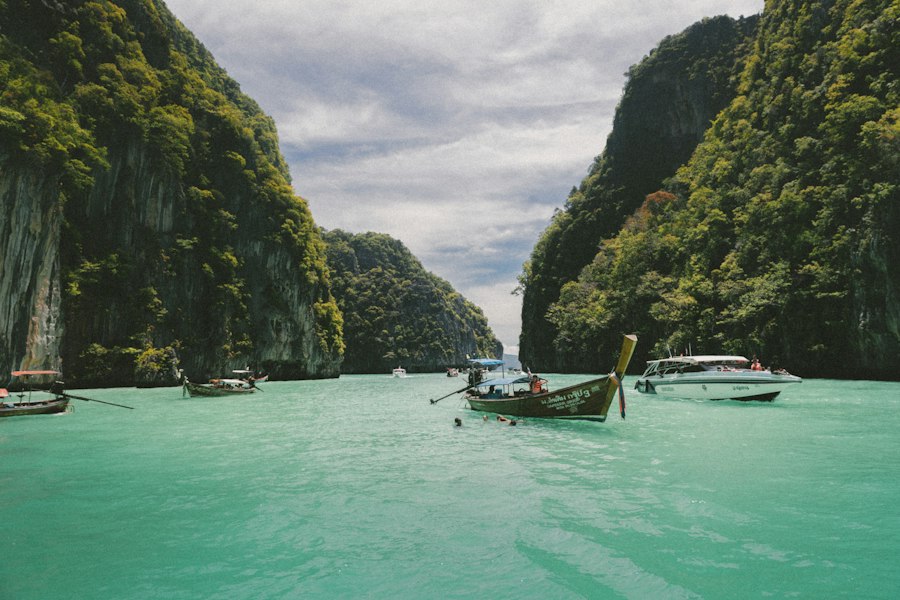
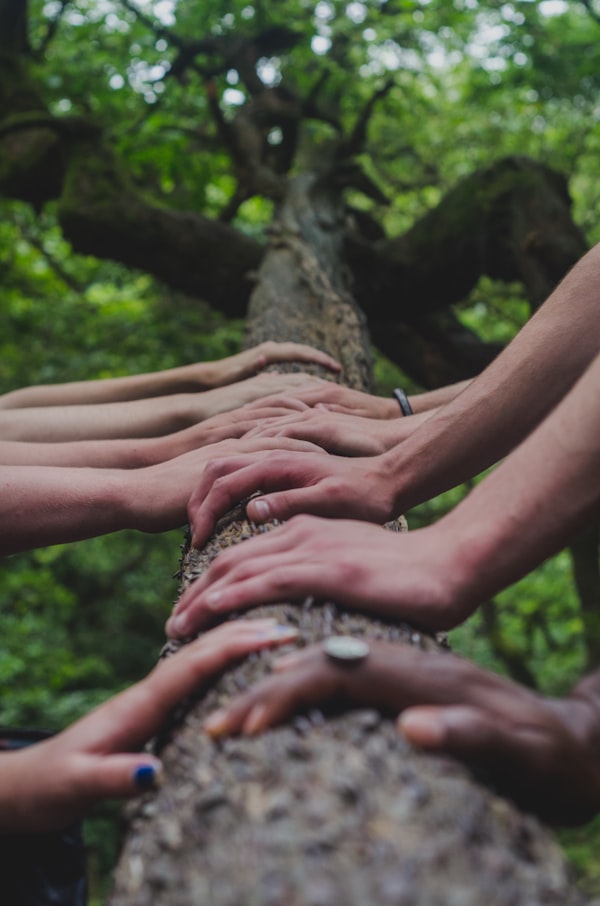
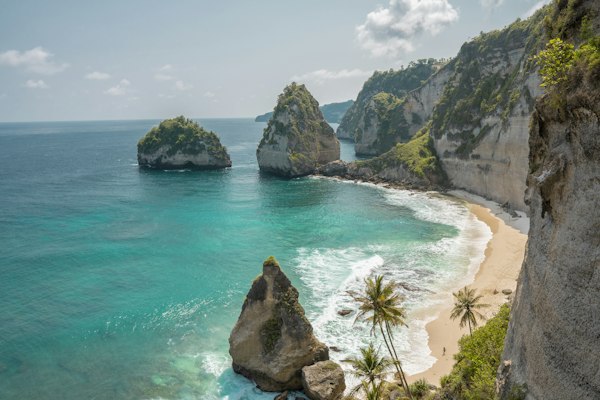
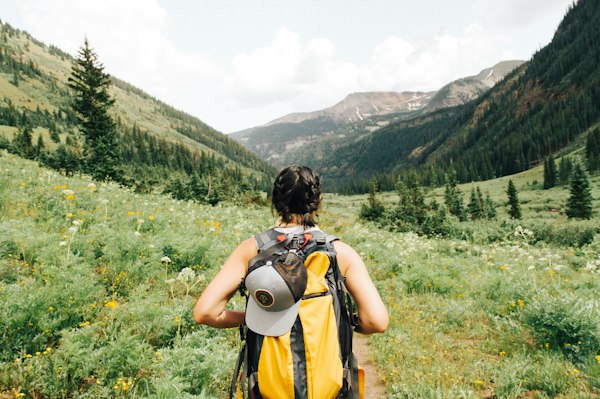
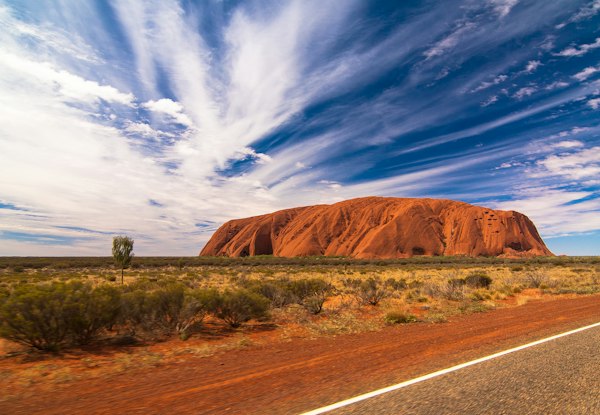
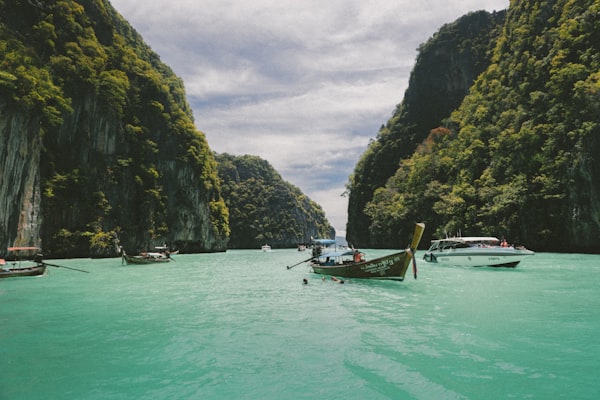
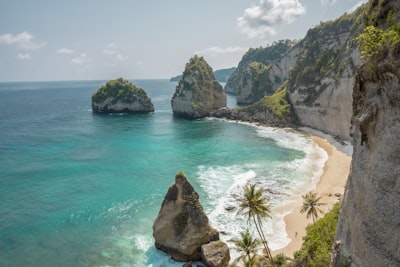
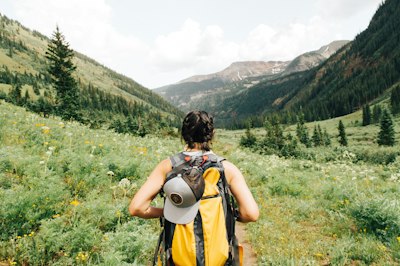
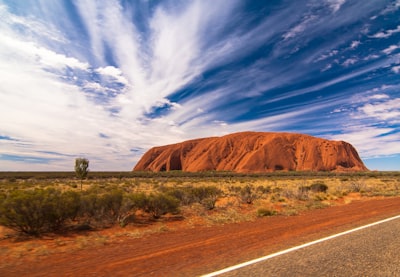
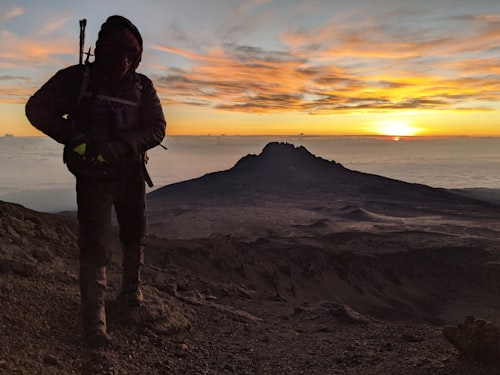
🗺️ Local Knowledge🦘 Wildlife Expertise🤝 Authentic Access⏱️ Time Efficiency
The Honest Case for Guided Travel · 2026
See Australia. Or Experience It.
The difference comes down to the person beside you. Local guides don't just navigate — they share decades of living, learning, and loving the places they show you. Here's what that actually means in practice.
Cooee Tours — Travel Philosophy TeamBrisbane, QLD · Updated March 2026 · Australian Owned Since 1963
8 min read
You can visit the Great Barrier Reef. Or you can snorkel with someone who has dived the same sites for twenty-five years and knows exactly where the turtles feed each morning based on the current and the tide. Same reef. Completely different experience. That's what local guides actually provide — and it's harder to quantify than most travel decisions you'll make.
Without a local guideWith a local guide
You visit the Blue Mountains. Viewpoints, photos, a boardwalk. Beautiful.
You walk with someone who grew up in these valleys, knows the Aboriginal songlines that map the landscape, and can identify every bird call echoing through the eucalyptus. The same view means something different when you understand what you're looking at.
You tour Sydney. Opera House. Harbour Bridge. Circular Quay. You've seen the photos now in real life.
You explore with someone who remembers Barangaroo as working industrial warehouses, knows the hidden harbour beaches where locals swim, and takes you to the family-run seafood restaurant that hasn't changed since 1978.
You hike through the Daintree. Dense jungle. Impressive. Warm. Hot, actually. You don't touch the plants.
You walk with someone who was born here, can name every species from a glance, spots a Boyd's forest dragon on a branch three metres ahead, and explains why this forest has survived unchanged for 180 million years — and what that actually means.
Small GroupsMaximum 12 guests — always
Wildlife ExpertiseYears of pattern recognition
Authentic AccessNot on the tourist circuit
Outback StoriesLiving local knowledge
Cultural DepthStories that change what you see
3×
More hidden locations
Found vs self-guided equivalent trip
87%
Better wildlife sightings
Guide reads environment, not maps
2×
Time efficiency
No wrong turns, no crowds, no delays
62yrs
Cooee operating history
Local knowledge accumulated since 1963
Section 1
🗺️
What Local Guides Actually Give You
There's a version of this argument that talks about "hidden gems" and "off-the-beaten-track" experiences — the marketing language of guided tours everywhere. That's not quite what this is about. The value of a genuine local guide is more specific, more practical, and harder to replicate with research.
📖
Real Stories, Not Scripts
Local guides share personal experience and community knowledge — not material they were trained to deliver. They tell you about the cyclone that reshaped this coastline, the family who farmed this land for four generations, the fire that changed the vegetation patterns you're walking through. Stories that come from belonging somewhere create understanding that no guidebook delivers.
🕐
Perfect Timing
Locals know when to visit each location — not from logistics but from years of observation. They understand when morning light hits a particular cliff face, when wallabies emerge to graze, what tidal stage exposes the best rock pools, when the crowds thin at popular sites. This timing knowledge converts good experiences into extraordinary ones. It's not found in any guide or app.
🚪
Access That's Not on Any Map
Community relationships open doors that no amount of planning can. A guide who grew up in a region, coached the local cricket team, or has farmed friends can provide access to private land, conservation areas in restoration, and locations that genuinely don't exist on any tourist map. Not as a favour — as a natural result of belonging somewhere for decades.
🦘
Wildlife Pattern Recognition
Guides who have spent years in a specific environment develop something that can't be taught quickly: the ability to read a landscape. They notice the stillness in a tree that means a koala is there. They read current and tide to find where turtles feed. They know which burrows produce wombat sightings at dusk. This pattern recognition accumulated over years dramatically improves your encounter rate with meaningful wildlife.
🍽️
Recommendations You Can Trust
Forget the algorithm. Locals recommend places they actually use — the bakery where they buy their own coffee, the seafood restaurant run by a family they know, the cellar door that doesn't bother with tourist pricing. These recommendations support real community businesses and create genuinely authentic experiences. They're also reliably good, because a guide's credibility depends on the quality of what they recommend.
🌤️
Adaptive Real-Time Expertise
Conditions change. Wildlife is unpredictable. Weather moves faster than forecasts. Local guides read these changes in real time and adapt plans accordingly — not because they have a contingency template, but because they know the area well enough to always have a better option available. This flexibility is essentially impossible to replicate without local knowledge. It's what separates a good day from a great one when conditions are imperfect.
Section 2
💬
Real Moments Local Knowledge Creates
These aren't exceptional stories. They're representative of what happens regularly when experienced local guides take people through places they genuinely know — the kind of moments that don't appear in itineraries because they can't be scheduled.
Great Barrier Reef · Cairns
"The guide knew exactly where the turtles would be at 9 AM"
Sarah and Tom booked a reef trip expecting to see coral. Their guide Marcus, who has dived the same outer reef sites for twenty-seven years, had spent the previous week monitoring a seagrass meadow where green sea turtles feed when the tide and current align in a specific way. At 9:15 on the morning of their trip, conditions were right. They swam alongside seven turtles grazing in water clear enough to see thirty metres in every direction — an experience that most reef visitors, even repeat visitors, never have. Marcus explained each turtle's individual shell markings, described their migration patterns, and shared his observations of the same individuals returning season after season. That's not luck. That's twenty-seven years of paying attention.
— Sarah M., Vancouver, Canada
Blue Mountains · NSW
"She read the clouds and saved the whole day"
The Johnson family had planned to spend their day on exposed ridgeline walks with views over the Grose Valley. At 7:20 AM, their guide Emma noticed particular cloud formations building over the western escarpment — subtle, but a pattern she had learned to recognise over fifteen years leading walks in these mountains. She restructured their entire day: protected valley walks in the morning, lunch in Leura village, descent to a waterfall before 1 PM. The weather system hit at 2:30. They experienced every item on their planned day in perfect conditions while other groups on the exposed trails were caught in heavy rain that reduced visibility to fifty metres. Emma didn't consult a weather app. She looked at the sky and read what she has learned to read over a decade and a half.
— The Johnson Family, London, UK
Gold Coast Hinterland · QLD
"He knocked on a gate and the family just… let us in"
During a Springbrook hinterland tour, guide David mentioned in passing that a spectacular waterfall existed on private property about two kilometres from the main trail. He'd grown up in the area and had coached the landowner's son in cricket for over a decade. He drove to the gate, knocked, and had a ten-minute conversation with the family before waving a group of six travellers through. They spent an hour at a waterfall that receives perhaps a hundred visitors a year, in a property that holds records of continuous family farming going back four generations. The children swam in crystal-clear pools while the adults heard the history of the land, the water rights battles, the vegetation changes across generations. This wasn't arranged in advance. It was simply what happens when someone with genuine, longstanding community relationships takes you somewhere.
— Chen Family, Singapore
A local guide doesn't just show you places. They share their relationship with the land — the stories, the patterns, and the understanding that only comes from genuinely belonging somewhere for a long time.
— Cooee Tours Travel Philosophy, 2026
Section 3
⚖️
Local vs Non-Local Guide: The Real Difference
Not all guides are equal — and the gap isn't about certification or script quality. It's about whether the person standing beside you genuinely belongs to the place they're showing you. Here's what that difference looks like in practice.
Non-Local Guide
Trained · Professional · Capable
Professional training and certification
Follows established safety protocols
Knows the standard routes and sites
Works from prepared material
Follows fixed scripts and itineraries
Limited to tourist-circuit locations
Minimal community relationships
Can't read local weather or wildlife patterns
General recommendations from review platforms
Historical facts without personal context
Adapts from a contingency checklist
Recommended
Local Guide
Trained · Professional · From Here
Professional training and certification
Follows established safety protocols
Knows standard routes — and dozens more
Personal stories accumulated over decades
Adapts every itinerary to real conditions
Access to locations beyond any tourist map
Community relationships that open doors
Reads weather and wildlife like a second language
Recommends places they actually go themselves
Cultural depth from living, not studying
Genuine real-time flexibility from local knowledge
The honest clarification
Non-local guides can be excellent professionals who deliver real value. The comparison above isn't a slight on professionalism — it's an honest description of what changes when the person beside you has spent decades in the landscape they're sharing. The local guide advantage isn't about quality of training. It's about the depth of belonging.
Section 4
🎯
Where Local Knowledge Matters Most
Local expertise makes a difference everywhere — but there are specific contexts where the impact is most dramatic. These are the areas where having a guide who genuinely lives there transforms the experience most completely.
🐨
Wildlife Spotting
Pattern recognition accumulated over years — knowing which tree the koala uses, what time the wallabies emerge, how to read the stillness that means something is watching you from the undergrowth.
🌊
Reef & Marine Life
Understanding current, tide, season, and micro-habitat to place you exactly where the turtles feed, the manta rays cruise, and the coral is at its most vivid — all on the same morning.
🥾
Bushwalking Routes
Knowing the tracks beyond the marked trails — the ridge line that gives the real view, the valley floor that reveals the waterfall that doesn't appear on any map, the timing that puts you there at golden hour.
📸
Photography Locations
Decades of watching light move across a landscape creates precise knowledge: where the morning mist pools, when the sun clears the escarpment, which angle captures the scale of the outback at dusk.
🍽️
Food & Dining
Recommendations that come from personal loyalty — the family bakery they've used for fifteen years, the cellar door run by neighbours, the seafood co-op that doesn't need to advertise because locals fill it.
🎨
Aboriginal Culture
Respectful, accurate, and often directly connected. Local guides who operate on Country frequently have personal relationships with Traditional Custodians and can provide context that no tourist resource delivers.
🌦️
Weather Pattern Reading
Learning to read a specific microclimate takes years. Local guides often spot incoming systems 2–3 hours before forecasts register them — and adapt your day accordingly, before conditions deteriorate.
🏖️
Beach & Water Safety
Knowing which breaks are safe on what swell, where rips form, when stingers are present, and which swimming holes are genuinely pristine year-round — knowledge that comes from years of local use, not a safety briefing.
🌿
Ecology & Botany
Walking through Australian bush with someone who can name and explain what everything around you is — the medicinal plants, the species that predate humans by millions of years, the ecological relationships that hold the system together — turns a walk into an education.
Section 5
💰
The Economics of Local Guides
Guided tours with genuine local experts typically cost more than self-guided or generic group tours. It's worth understanding what that difference actually buys you — and why, for most travellers, the return on investment is significant.
⏱️
Time Efficiency
With 5–14 days in Australia — a common international visitor window — local guides eliminate every wasted hour. No wrong turns, no arriving at the wrong time, no spending two hours trying to find a place that doesn't have signage. This efficiency compounds across every day of a trip. For most visitors, the time recovered is itself worth more than the guide cost.
📈
Experience Quality Multiplier
The marginal difference in cost between a generic and a local guided tour is typically 20–40%. The marginal difference in experience quality is not proportional. Seeing the same reef with a guide who knows it at the level described in this article delivers an experience several times better — not incrementally better. The cost curve and the experience curve don't match each other. Local guidance is systematically underpriced for what it delivers.
🛡️
Insurance Against Wasted Days
A single wasted day in a two-week Australia trip represents 7% of your entire visit. Local guides almost entirely eliminate this risk. Their real-time adaptability, weather reading, and depth of backup options means bad conditions translate into different excellent days rather than disappointing ones. This protection has genuine monetary value — especially for long-haul visitors who will not easily return if the trip underdelivers.
🤝
Economic Benefit to Communities
Local guides are local community members. Your tour fee circulates through the local economy: the guide's family, the local cafe they recommend, the small accommodation they suggest, the conservation project they support. This is substantively different from a multinational tour company whose margins leave the area. Choosing local guides is a meaningful form of responsible tourism — your money stays where the experience happens.
Section 6
🌿
What Cooee Tour Guides Offer
Australian Owned Since 1963 · ATAS Accredited · ★★★★★ 4.8/5
Our guides aren't performers reading from scripts. They're locals first.
Cooee Tours has operated in Australia since 1963. Over six decades, we've built something specific: a team of guides who are genuinely from the regions they operate in — people who've chosen to share their home because they love it and want you to understand it the way they do.
The difference between Cooee guides and guides who simply work in a region shows up in the details: the specific fishing spot they know from childhood, the Aboriginal elder they call by name, the farm family they've visited every spring for two decades. These aren't credentials. They're the natural result of belonging somewhere.
→Born or raised locally — most guides have lived in their regions for 15+ years, many their entire lives
→Personal community relationships — landowners, conservation staff, Traditional Custodians, local businesses
→Continuous local learning — tracking wildlife changes, seasonal variations, new access permissions season by season
→Genuine storytellers — sharing enthusiasm from living, not from rehearsed presentations
→Small groups only — maximum 12 guests per guide, always — the ratio that makes genuine connection possible
→Adaptive experts — reading conditions in real time with the depth of knowledge only local living provides
Section 7
🔍
How to Choose a Quality Local Guide in Australia
The travel industry uses "local guide" liberally. Not all claims are equal. Here are the questions that separate genuine local experts from guides who simply work in an area.
🗣️ Questions to Ask
Genuine local guides answer with specific personal stories
"How long have you lived in this area?" — years of residency, not years of guiding
"What changes have you noticed in the landscape over time?" — local observers have specific, personal answers
"What's your favourite spot that visitors almost never see?" — locals always have a specific answer with a story
"Who are the people behind the places you recommend?" — genuine community connection shows in familiarity
"How do you read weather in this area?" — pattern knowledge is specific, not textbook
"What has surprised you most about this place recently?" — ongoing local observation vs static knowledge
✅ Signals of Quality
What genuinely local operators demonstrate
ATAS accreditation (Australian Travel Accreditation Scheme)
Transparent guide biographies — specific local histories, not generic credentials
Small group sizes (typically 8–12 maximum) rather than coach-tour scale
Eco-certification from organisations like Ecotourism Australia
Reviews that mention specific guide names and personal moments — not generic praise
Genuine acknowledgement of Country and demonstrated relationships with Traditional Custodians
Itineraries that vary by season, conditions, and guide — not fixed regardless of circumstances
Recommendations for local businesses the guide personally uses
Red flag to watch for: guides who give identical generic answers to specific local questions, itineraries that look identical year-round regardless of season, and group sizes over 20 people. These signal packaged tourism rather than genuine local expertise. The best guides are slightly harder to book and worth considerably more than what they charge.
The Bottom Line
🌅
The Choice Is Yours
You can tour Australia with someone who read about it. Or with someone who lives it.
Someone who knows the reef from training. Or someone who has dived the same outer reef sites for twenty-seven years and knows exactly where that particular turtle likes to rest on a Tuesday morning when the north-westerly runs at twelve knots.
Someone following a planned route. Or someone who reads the clouds building over the escarpment at 7 AM and restructures your entire day around what they know is coming — before anyone else has noticed.
Someone who recommends a restaurant because it appeared in a regional food guide. Or someone who takes you to the family seafood place where the catch arrived that morning and the owner asks about their guide's kids by name.
Both will show you Australia. Only one will help you truly experience it — the version that belongs to the people who live there, the one built from decades of paying close attention to an extraordinary country.
When you have limited time in this vast, singular place: travel with people who belong to it. It is not just good touring. It is the right way to do it.
Common Questions
❓
Frequently Asked Questions
Local guides live in the area they show you. They have personal relationships with the place — knowing where wildlife appears at specific times, what the landscape looked like before tourism, and stories that never make it into guidebooks. Regular guides may be excellent professionals but they work from prepared material without the deep personal connection that comes from genuinely belonging somewhere. Think of it this way: a non-local guide knows facts about the Blue Mountains. A local guide has spent thirty years hiking these valleys, remembers specific weather events that shaped the landscape, and can read signs in the environment that no training can teach.
For most visitors — especially first-time international travellers with 5–14 days in Australia — yes, decisively. The cost premium is typically 20–40% over generic group tours. The experience quality difference is not proportional to that cost gap. Local guides maximise your limited time, eliminate wasted days through real-time adaptability, take you to locations that simply don't appear on tourist maps, and provide context that transforms scenery into meaning. The memories and experiences created deliver value that far exceeds the incremental cost. A single wasted day in a two-week trip represents 7% of your entire visit — local guides nearly eliminate that risk.
Research tells you what to see. A local guide shows you how to experience it. Research is valuable — it makes you a more engaged traveller. But it cannot provide real-time knowledge, community relationships that open private doors, the ability to read wildlife patterns accumulated over decades, or stories that come from living somewhere. Research tells you the Great Barrier Reef is extraordinary. A local guide positions you where seven turtles will be feeding at 9:15 AM based on the current, the tide, and twenty-seven years of watching the same sites.
Ask questions that require specific personal answers: How long have you lived here? What changes have you seen over the years? What's your favourite location that visitors almost never find? Genuine local guides answer with specific stories, names, and memories. Generic answers should prompt scepticism. Look also for ATAS accreditation, transparent guide biographies with specific local histories, small group sizes, and reviews that mention specific guide names and personal moments. At Cooee Tours, we publish guide backgrounds because our guides' local knowledge is central to what we offer — not peripheral to it.
Dramatically. Local guides know the best photography locations through years of observation — where morning light hits specific cliff faces, when mist pools in particular valleys, which angles capture the scale of the landscape. More importantly, they know animal behaviour well enough to position you for wildlife photography before the moment happens. They can predict wallaby emergence timing, read which tree is likely to hold a koala, and understand the behaviour that signals a raptor is about to dive. This anticipation is impossible to replicate without years of field experience in a specific environment.
Excellent local guides are often especially good with families. They know which beaches have conditions appropriate for children, where bathrooms are located on longer trails, which experiences engage different age groups, and how to pace a day so that both children and adults are fully invested throughout. Many of our guides have raised their own families in the regions they operate. They share recommendations as parents themselves, and they understand the specific combination of education and excitement that makes travel with children genuinely enriching rather than merely tolerated.
Cooee Tours operates local guided tours across Queensland — including the Gold Coast hinterland, Springbrook, the Daintree and Cairns region, and along the east coast between Brisbane and Cairns. All guides are local to the specific regions they operate in. We don't move guides between regions or use guides who simply travel to an area. If you're planning a trip that covers multiple regions, we match each day or section of your journey with guides who genuinely belong there.
A complete two-week itinerary for first-time visitors — built around genuine local expertise.
🌿 Expert Local Guides · Small Groups Only · Australian Owned Since 1963
Experience Australia with True Locals
Our guides don't just work here. They live here, love here, and have spent decades learning the places they're about to show you. Small groups. Real stories. The version of Australia that belongs to the people who call it home.
ATAS Accredited · TripAdvisor Certificate of Excellence · ★★★★★ 4.8/5 · 50,000+ Guests · Australian Owned Since 1963