
🌏 10 Reasons Australia is One of the Best Countries to Visit
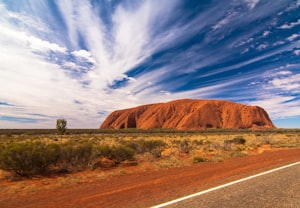
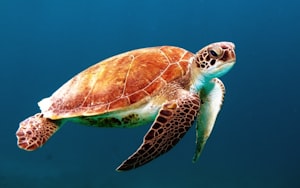
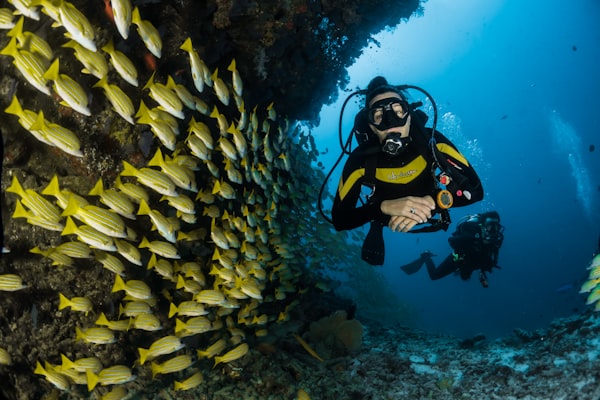
Australia's landscapes are genuinely, almost unfairly, diverse. The Great Barrier Reef (world's largest coral system). Uluru — a sacred sandstone monolith that shifts colour from rust to violet at sunset. The Whitsundays' crystalline waters. The Blue Mountains' haze-soaked sandstone valleys. The Daintree — the world's oldest tropical rainforest. The Great Ocean Road's limestone apostles rising from crashing surf. None of these look like any other destination on Earth, and they're all in the same country. If landscape photography or natural wonder is your reason for travelling, Australia has more material than you can exhaust in a decade.
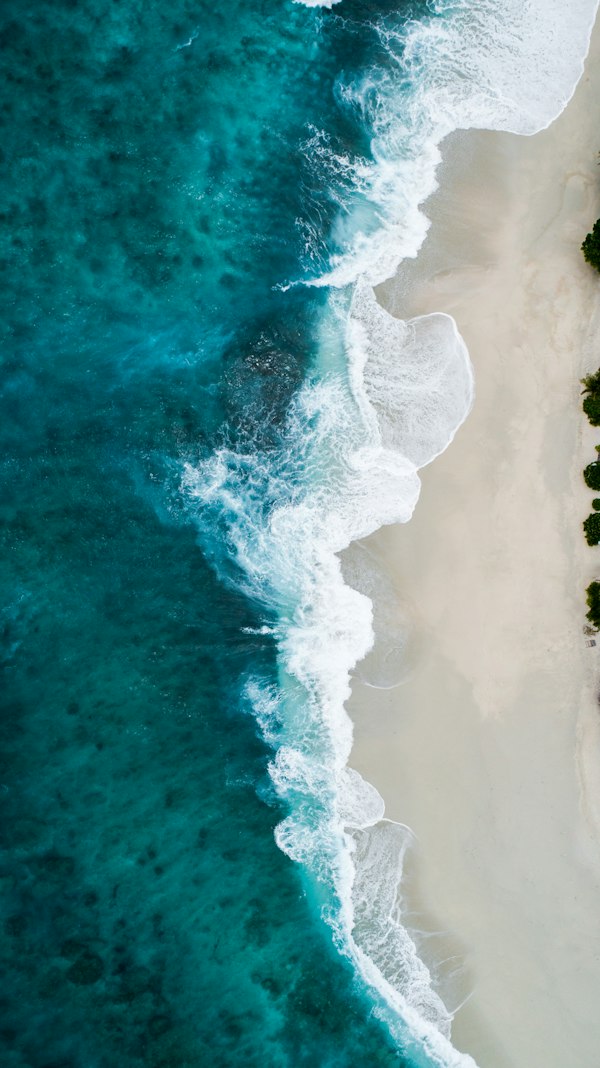
Australia has over 10,000 beaches. If you visited one per day, it would take 27 years to see them all. Bondi for surf culture and people-watching. Whitehaven (Whitsundays) for the silica sands so fine and white they squeak underfoot. Noosa for mellow family swells. Cable Beach (Broome) for camel silhouettes against a sunset so saturated it looks like a filter. The East Coast gets the crowds; the West Coast gets the solitude — remote stretches of the Kimberley and Ningaloo where you might genuinely be the only person on a beach for kilometres. Swim at patrolled beaches — always between the red and yellow flags.
Australians have a deserved reputation for warmth that's genuinely different from polite friendliness. It's direct, unhurried, and includes strangers in conversation with an ease that surprises most international visitors. The "she'll be right" mentality — a fundamental national philosophy of relaxed optimism — creates an atmosphere where asking for help or directions is never awkward, where pub conversations extend to dinner invitations, and where the worst that happens when you get lost is someone takes 20 minutes out of their day to drive you back to where you need to be. This is not a country where you feel like a tourist — you feel like a guest who's been expected.
80% of Australia's wildlife exists nowhere else on Earth. Kangaroos. Koalas (not bears — marsupials, with pouches). Wombats. Platypus — which lay eggs, have a duck's bill, and are venomous (only the males — a fact that makes no sense and is therefore perfect). Quokkas on Rottnest Island, famous for being the world's most photogenic animals. Echidnas that shuffle around like animated pincushions. The wildlife encounters are not optional extras — they're the experience that many visitors say most profoundly changed how they think about the natural world. Ethical sanctuaries guarantee sightings; guided tours find them in the wild. Both are worth doing.

Australia takes food seriously in a way that surprises many visitors. Melbourne is internationally ranked among the world's best coffee cities — the flat white was developed here, and the laneway café culture it inspired is not a cliché but a genuine daily ritual. Sydney's seafood (oysters, barramundi, Moreton Bay bugs, prawns). The Barossa Valley and Margaret River's world-class wines. Tasmania's farm-to-table produce, cheese, and whisky. Queensland's tropical fruit and fresh reef fish. Brisbane and Gold Coast's hinterland wine regions. The food scene reflects Australia's multicultural population — Vietnamese on one corner, wood-fired pizza on the next, a Korean-Mexican fusion truck two doors down. Farmers' markets, food festivals, and beach fish and chips are all equally valid.
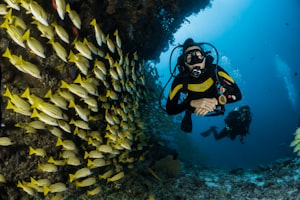
Snorkel with manta rays on the Great Barrier Reef. Surf Snapper Rocks at the Gold Coast. White-water raft the Tully River in Far North Queensland. Skydive at Mission Beach (16,000 feet, ocean views). Sandboard the giant dunes of Port Stephens. Abseil the Kangaroo Point Cliffs at sunset. Or — alternatively — book a Kimberley cruise and read novels on a sun deck while sea eagles drift overhead. In 2026, the new Happitat adventure park near the Gold Coast opened on the edge of Lamington National Park with the world's first ziplines suspended above a rushing hinterland waterfall and an 80-metre via ferrata cliffside passageway. No shortage of new material.
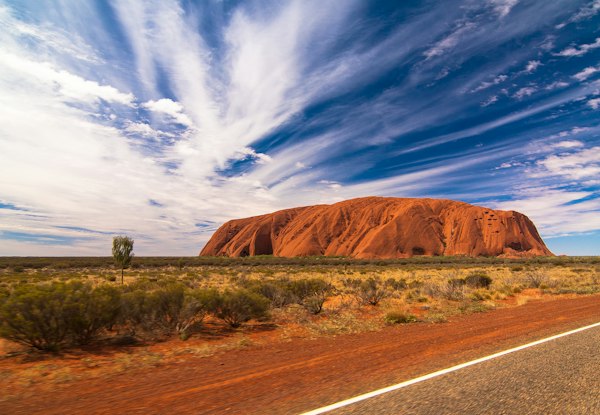
Australia's First Nations culture is the oldest continuous living culture on Earth — 60,000+ years of unbroken connection to country, language, and story. Aboriginal-led experiences transform landscapes from geological wonders into living texts. At Uluru, an Anangu-guided Mala Walk (free, 2km) shares Dreamtime stories that change how you see the monolith permanently — not a rock but a narrative landscape mapped over thousands of generations. At Kakadu, rock art sites give you direct visual contact with human expression 20,000 years old. In 2026, October marks the 40th anniversary of Uluru's land handback to the Anangu — the most culturally significant year to visit in a generation. The correct word is Aboriginal or First Nations — not "Aborigine," which is considered disrespectful.
Australia consistently ranks among the world's safest countries for international visitors. Major cities have low crime rates, world-class healthcare, and infrastructure that works. English is the primary language — which removes one significant barrier that affects many otherwise compelling destinations. Public transport in cities is reliable and contactless-payment-ready. Emergency number is 000 (not 911, not 999 — make a note of it). The dangerous wildlife reputation is largely exaggerated: snakes and venomous spiders exist but are genuinely rarely encountered by tourists who follow basic precautions. Marine hazards (jellyfish, crocodiles) in the tropical north are real but clearly signed. Solo travellers, families, and older visitors all navigate Australia confidently because the country makes it easy to do so.

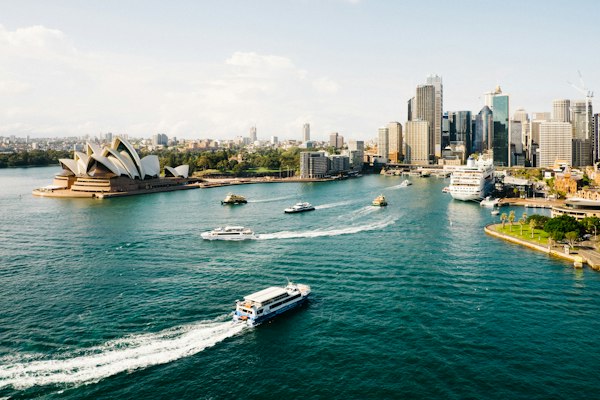
Australia is roughly the size of the continental United States — but unlike the US, no single trip exhausts it. Sydney and Melbourne feel like major world cities with their own distinct personalities (and an ongoing friendly rivalry about which is better — the correct answer is Melbourne for coffee, Sydney for harbour). Queensland delivers tropical reef and rainforest. The Northern Territory is ancient red desert and Dreamtime country. Tasmania is wilderness, farm-to-table, and MONA (one of the world's most audacious art museums). Western Australia is vast, remote, and rewards those willing to venture further. Return visitors consistently say they discover more of Australia on their second, third, and fourth trips than they did on their first — because the country genuinely doesn't run out.
Some years are better than others to visit a country, and 2026 is one of those years for Australia. The 40th anniversary of Uluru's handback to the Anangu in October brings new cultural programming including the April 2026 launch of the Uluru-Kata Tjuta Signature Walk (a 5-day guided immersion with overnight stays in the national park). Kakadu's Gunlom Falls are newly reopened after years of closure. The new Happitat cliffside adventure park opened in January 2026 near the Gold Coast hinterland. Monarto Safari Resort launched glamping in April 2026 — the largest open-plains zoo in Australia, one hour from Adelaide. Major rail journeys (The Ghan, Indian Pacific) unveiled new luxury interiors from April 2026. And Brisbane continues its rapid transformation as the 2032 Olympic host city, with new precincts, cultural infrastructure, and improved riverfront experience throughout.
✨ New & Notable in Australia 2026
Beyond the timeless reasons to visit, 2026 brings a specific set of new openings and milestones that make this a particularly rewarding year to visit.
Happitat Adventure Park
World-first ziplines above Lamington National Park, 80m via ferrata. Gold Coast hinterland. Opened January 2026.
Uluru 40th Anniversary
October 2026 marks 40 years since the land handback. New Signature Walk (5-day guided immersion) launched April 2026.
Kakadu Gunlom Falls Reopened
The most spectacular swimming hole in the Top End reopened after years of closure. An extraordinary addition to any Northern Territory itinerary.
Monarto Safari Resort Glamping
Luxury tented glamping from April 2026 at Australia's largest open-plains zoo. Near Adelaide, South Australia.
New Ghan & Indian Pacific Interiors
Australia's iconic rail journeys unveiled new luxury Australis and Aurora interiors from April 2026.
Brisbane 2032 Transformation
The Olympic host city continues rapid development — new precincts, cultural facilities, and improved riverfront experience.
Almost universally, yes. The single most common thing visitors say after their first Australia trip: "I wish I'd come sooner." The flight is long (14–21 hours depending on your origin), but Australia rewards the distance with experiences genuinely unavailable anywhere else. The key is allowing enough time — minimum 10–14 days to experience multiple regions properly. Rushed trips that try to see everything in 7 days tend to produce airport fatigue rather than memories.
Let Cooee Tours Show You the Australia Worth Flying For
Day tours, wine tours, wildlife experiences, and guided regional adventures from Brisbane, the Gold Coast, and beyond — all the highlights, none of the logistics stress.
Browse All Cooee Tours →